Barbara J. Roth - Böcker
Visar alla böcker från författaren Barbara J. Roth. Handla med fri frakt och snabb leverans.
7 produkter
7 produkter
1 209 kr
Skickas inom 10-15 vardagar
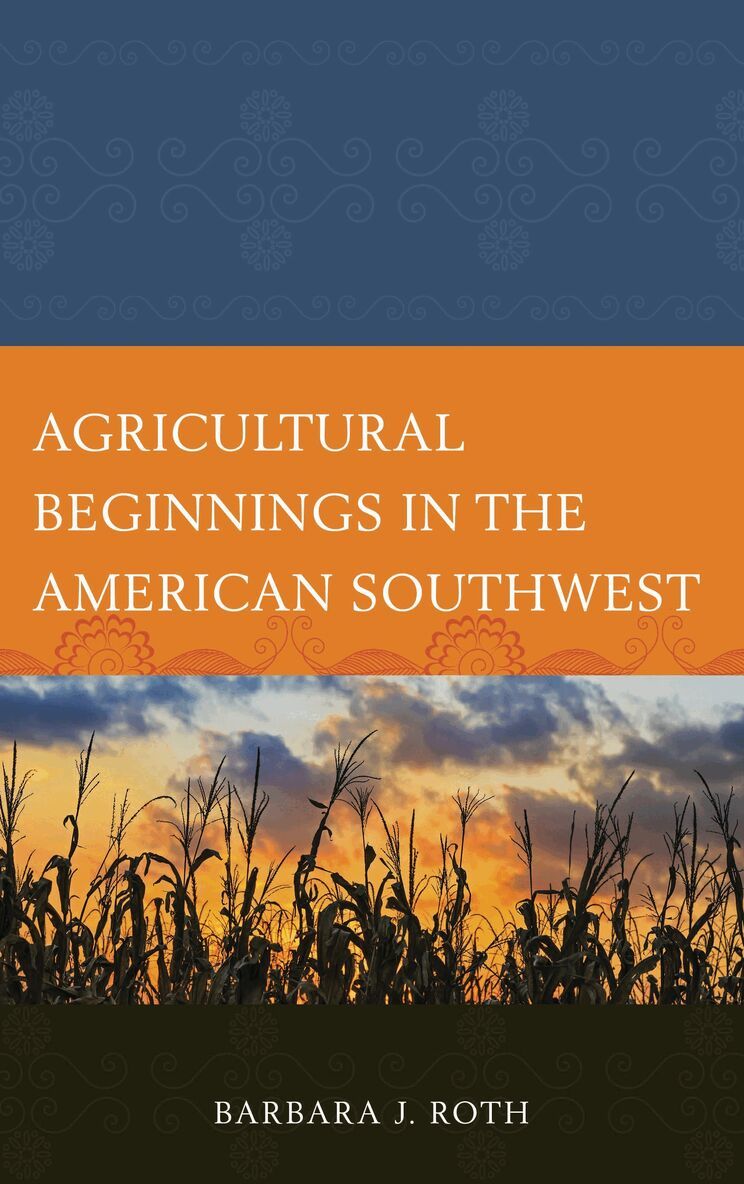
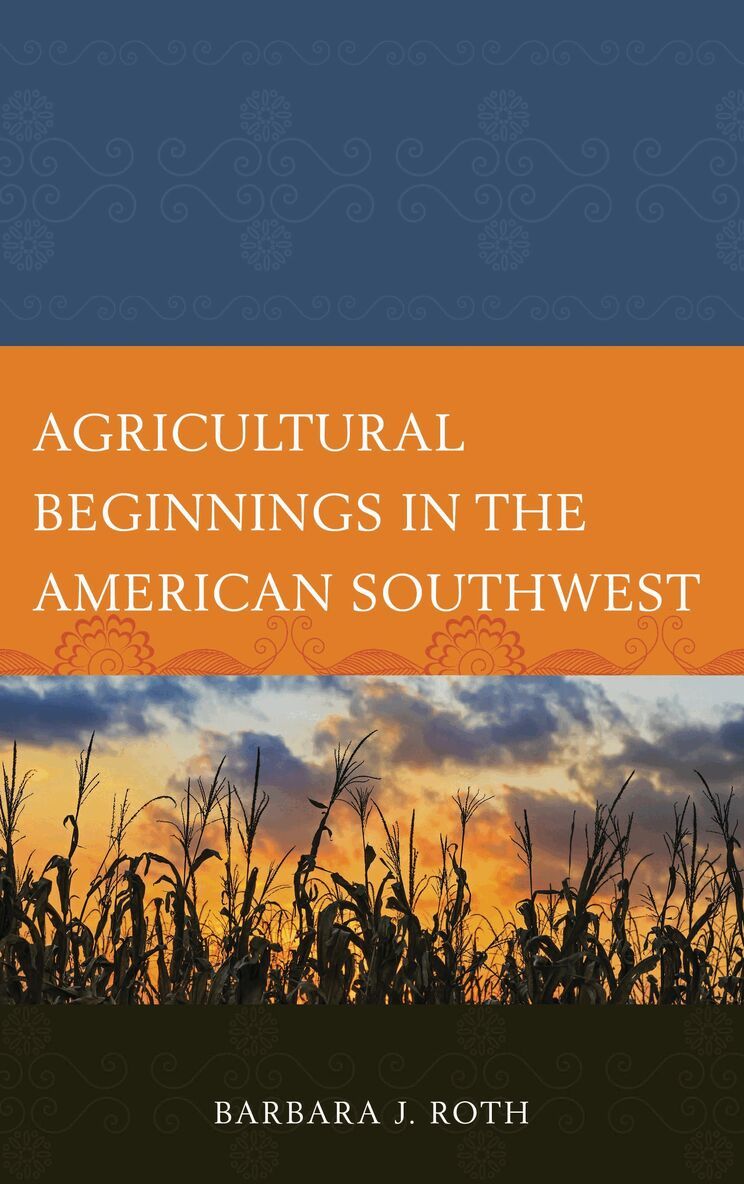
How did agriculture come about in the American Southwest? What environmental and social factors led to the cultivation of plants? How, in turn, did the use of these new agricultural products affect the ancient peoples living in the region? In pursuit of answers to these questions, Barbara Roth synthesizes data from both CRM and academic research to explore the emergence and impact of Southwestern agriculture.Roth examines agricultural beginnings across the entire Southwest, both northern and southern, and across culture groups residing there. Beyond simply addressing the arrival and widespread adoption of specific cultigens, she pays particular attention to human factors such as patterns of production andvariability in agricultural developments. Her consideration of broad social and environmental dynamics affecting forager diets and adaptive strategies sheds new light on what we know—and what we should ask—about the transition fromforaging to farming.
710 kr
Skickas inom 7-10 vardagar
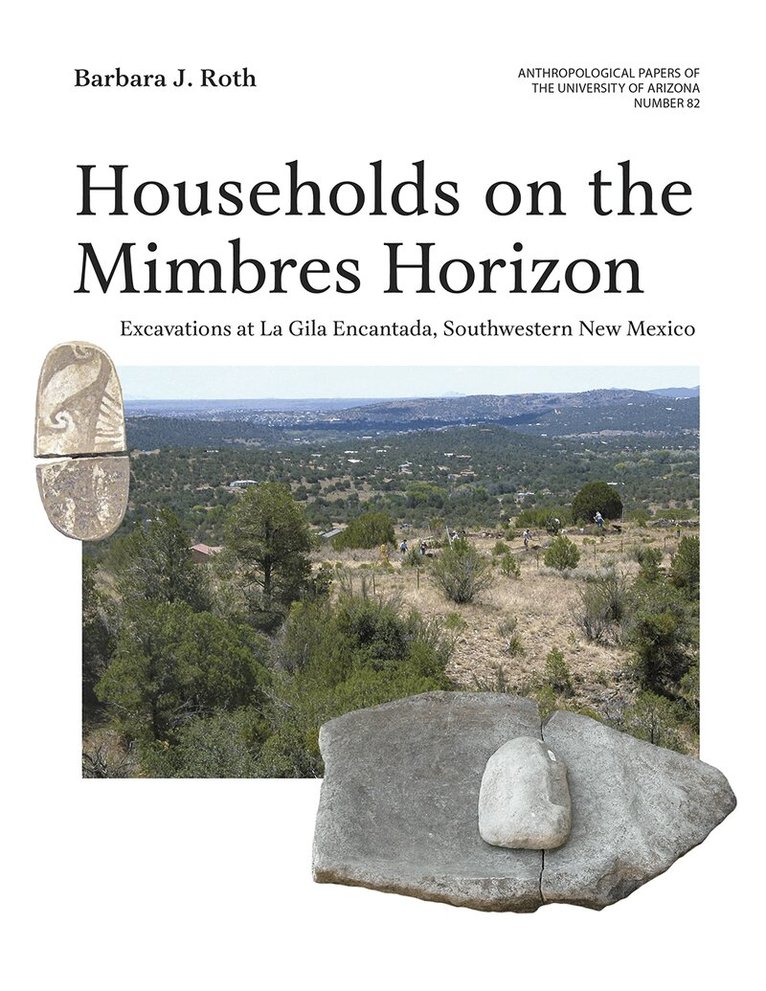
Households on the Mimbres Horizon, Volume 82
Excavations at La Gila Encantada, Southwestern New Mexico
Häftad, Engelska, 2023
210 kr
Skickas inom 7-10 vardagar
Pithouse sites represent the basic form of occupation in the Mimbres Mogollon region of southwestern New Mexico from AD 200 to the late 900s. This study presents the results of excavations of one such site, called La Gila Encantada.Little is known about the variability present at pithouse sites away from the major Mimbres and Gila River Valleys. Nonriverine occupations have been understudied until now. This book describes subsistence and settlement practices and compares the results with recent research conducted at the larger villages in the Mimbres River Valley. Despite basic similarities in material culture, households at La Gila Encantada appear to have followed different trajectories than those along the rivers. Examining these differences, archaeologist Barbara J. Roth provides insights into some of the reasons why they existed and shows that the variability present in pithouse occupations over the years was tied to multiple factors, including environmental differences, economic practices, and the social composition of groups occupying the sites. With chapters assessing ceramic data, chipped and groundstone analysis, shell and mineral jewelry, and regional context, this look at the past offers relevant insights into current issues in Southwest archaeology, including identity, interaction, and household organization.
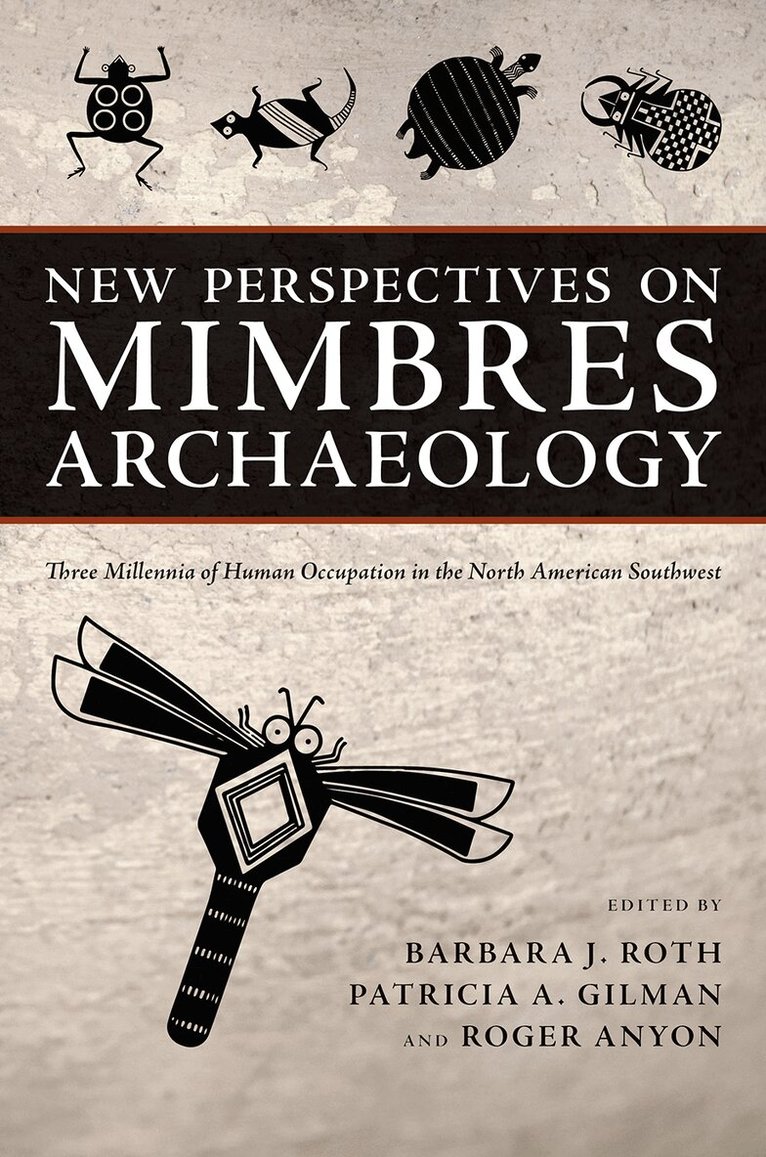
New Perspectives on Mimbres Archaeology
Three Millennia of Human Occupation in the North American Southwest
Häftad, Engelska, 2024
385 kr
Skickas inom 7-10 vardagar
In the early 1970s, understanding of the Mimbres region as a whole was in its infancy. In the following decades, thanks to dedicated work by enterprising archaeologists and nonprofit organizations, our understanding of the Mimbres region has become more complex, nuanced, and rich.New Perspectives on Mimbres Archaeology brings together these experts in a single volume for the first time. The contributors discuss current knowledge of the people who lived in the Mimbres region of the southwestern United States and how our knowledge has changed since the Mimbres Foundation, directed by Steven A. LeBlanc, began the first modern archaeological investigations in the region. Many of these authors have spent decades conducting the fieldwork that has allowed for a broader understanding of Mimbres society.Focusing on a variety of important research topics of interest to archaeologists—including the social contexts of people and communities, the role of ritual and ideology in Mimbres society, evidence of continuities and cultural change through time, and the varying impacts of external influences throughout the region—New Perspectives on Mimbres Archaeology presents recent data on and interpretations of the entire pre-Hispanic sequence of occupation. Additional contributions include a history of nonprofit archaeology by William H. Doelle and a concluding chapter by Steven A. LeBlanc reflecting on his decades-long work in Mimbres archaeology and outlining important areas for the next wave of research.
599 kr
Skickas inom 10-15 vardagar
How did agriculture come about in the American Southwest? What environmental and social factors led to the cultivation of plants? How, in turn, did the use of these new agricultural products affect the ancient peoples living in the region? In pursuit of answers to these questions, Barbara Roth synthesizes data from both CRM and academic research to explore the emergence and impact of Southwestern agriculture.Roth examines agricultural beginnings across the entire Southwest, both northern and southern, and across culture groups residing there. Beyond simply addressing the arrival and widespread adoption of specific cultigens, she pays particular attention to human factors such as patterns of production andvariability in agricultural developments. Her consideration of broad social and environmental dynamics affecting forager diets and adaptive strategies sheds new light on what we know—and what we should ask—about the transition fromforaging to farming.
1 143 kr
Tillfälligt slut
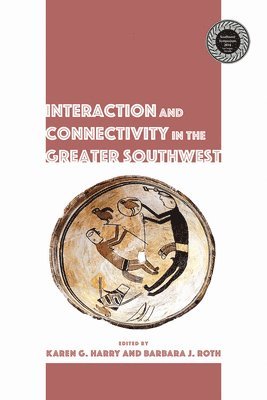
This volume of proceedings from the fourteenth biennial Southwest Symposium explores different kinds of social interaction that occurred prehistorically across the Southwest. The authors use diverse and innovative approaches and a variety of different data sets to examine the economic, social, and ideological implications of the different forms of interaction, presenting new ways to examine how social interaction and connectivity influenced cultural developments in the Southwest. The book observes social interactions’ role in the diffusion of ideas and material culture; the way different social units, especially households, interacted within and between communities; and the importance of interaction and interconnectivity in understanding the archaeology of the Southwest’s northern periphery. Chapters demonstrate a movement away from strictly economic-driven models of social connectivity and interaction and illustrate that members of social groups lived in dynamic situations that did not always have clear-cut and unwavering boundaries. Social connectivity and interaction were often fluid, changing over time. Interaction and Connectivity in the Greater Southwest is an impressive collection of established and up-and-coming Southwestern archaeologists collaborating to strengthen the theoretical underpinnings of the discipline. It will be of interest to professional and academic archaeologists, as well as researchers with interests in diffusion, identity, cultural transmission, borders, large-scale interaction, or social organization. Contributors:Richard V. N. Ahlstrom, James R. Allison, Jean H. Ballagh, Catherine M. Cameron, Richard Ciolek-Torello, John G. Douglass, Suzanne L. Eckert, Hayward H. Franklin, Patricia A. Gilman, Dennis A. Gilpin, William M. Graves, Kelley A. Hays-Gilpin, Lindsay D. Johansson, Eric Eugene Klucas, Phillip O. Leckman, Myles R. Miller, Barbara J. Mills, Matthew A. Peeples, David A. Phillips Jr., Katie Richards, Heidi Roberts, Thomas R. Rocek, Tammy Stone, Richard K. Talbot, Marc Thompson, David T. Unruh, John A. Ware, Kristina C. Wyckoff
566 kr
Skickas inom 11-20 vardagar
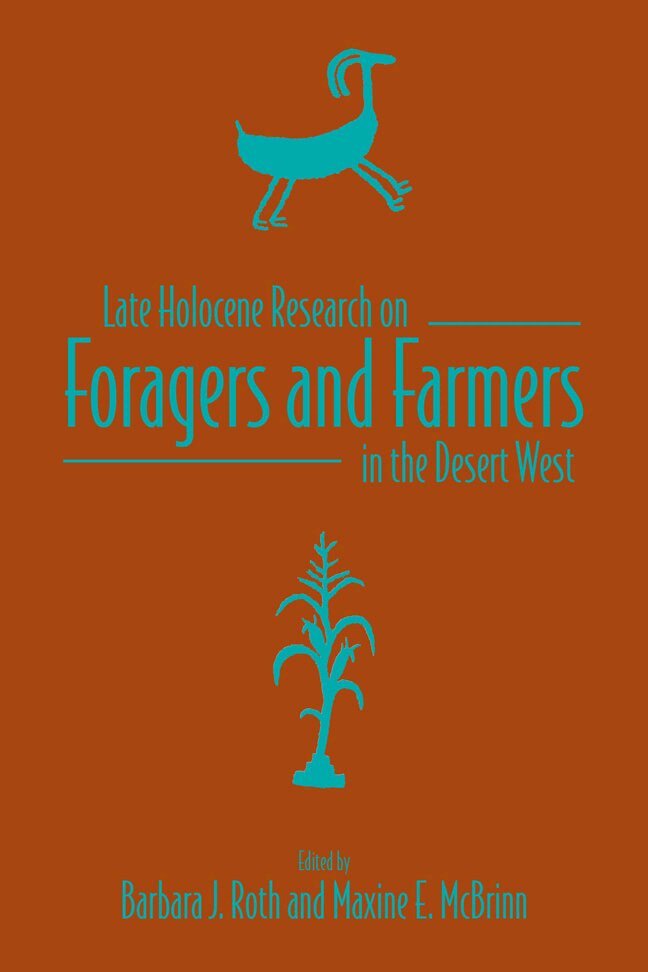
This book brings together the work of archaeologists investigating prehistoric hunter-gatherers (foragers) and early farmers in both the Southwest and the Great Basin. Most previous work on this topic has been regionally specific, with researchers from each area favoring a different theoretical approach and little shared dialogue. Here the studies of archaeologists working in both the Southwest and the Great Basin are presented side by side to illustrate the similarities in environmental challenges and cultural practices of the prehistoric peoples who lived in these areas and to explore common research questions addressed by both regions.Three main themes link these papers: the role of the environment in shaping prehistoric behaviour, flexibilityin foraging and farming adaptations, and diversity in settlement strategies. Contributors cover a range of topics including the varied ways hunter-gatherers adapted to arid environments, the transition to farming and the reasons for it, the variation in early farming across the Southwest and Great Basin, and the differing paths followed as they developed settled villages.