Barbara Straumann – författare
Visar alla böcker från författaren Barbara Straumann. Handla med fri frakt och snabb leverans.
4 produkter
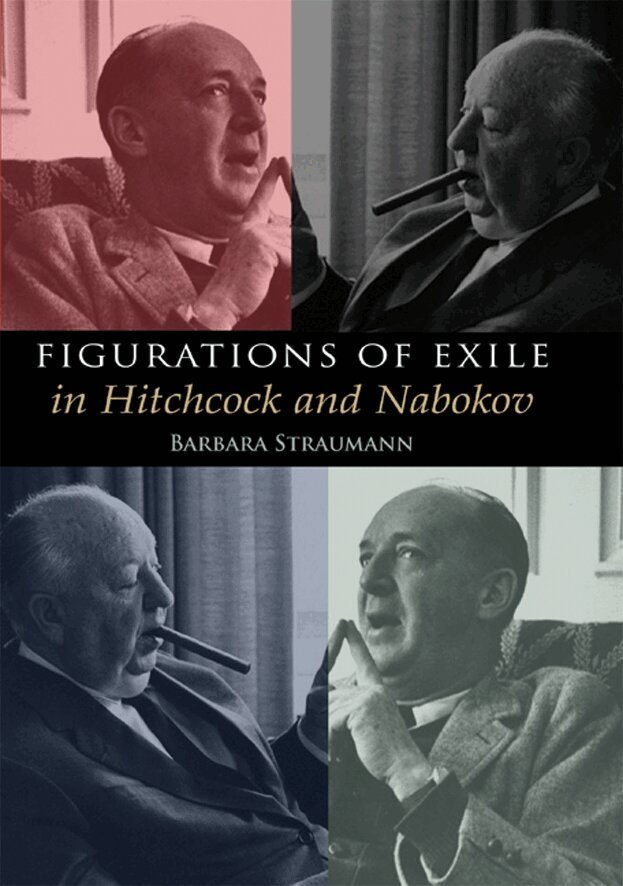
Figurations of Exile in Hitchcock and Nabokov
Inbunden, 2008
1683 kr
Lägg i varukorg
This comparative study of Alfred Hitchcock and Vladimir Nabokov makes an important contribution to cultural analysis by opening up the work of two canonical authors to issues of exile and migration. Questions about the contingencies of history and the rupture of the real are hardly ever brought to …
Female Performers in British and American Fiction
Inbunden, 2018
1962 kr
Lägg i varukorg
The female performer with a public voice constitutes a remarkably vibrant theme in British and American narratives of the long nineteenth century. The tension between fictional female performers and other textual voices can be seen to refigure the cultural debate over the ‘voice’ of women in …
Female Performers in British and American Fiction
E-bok, 2018
1984 kr
Lägg i varukorg
The female performer with a public voice constitutes a remarkably vibrant theme in British and American narratives of the long nineteenth century. The tension between fictional female performers and other textual voices can be seen to refigure the cultural debate over the ‘voice’ of women in …
Female Performers in British and American Fiction
E-bok, 2018
1984 kr
Lägg i varukorg
The female performer with a public voice constitutes a remarkably vibrant theme in British and American narratives of the long nineteenth century. The tension between fictional female performers and other textual voices can be seen to refigure the cultural debate over the ‘voice’ of women in …