Barbara Watterson - Böcker
Visar alla böcker från författaren Barbara Watterson. Handla med fri frakt och snabb leverans.
6 produkter
6 produkter
989 kr
Tillfälligt slut
468 kr
Skickas inom 7-10 vardagar
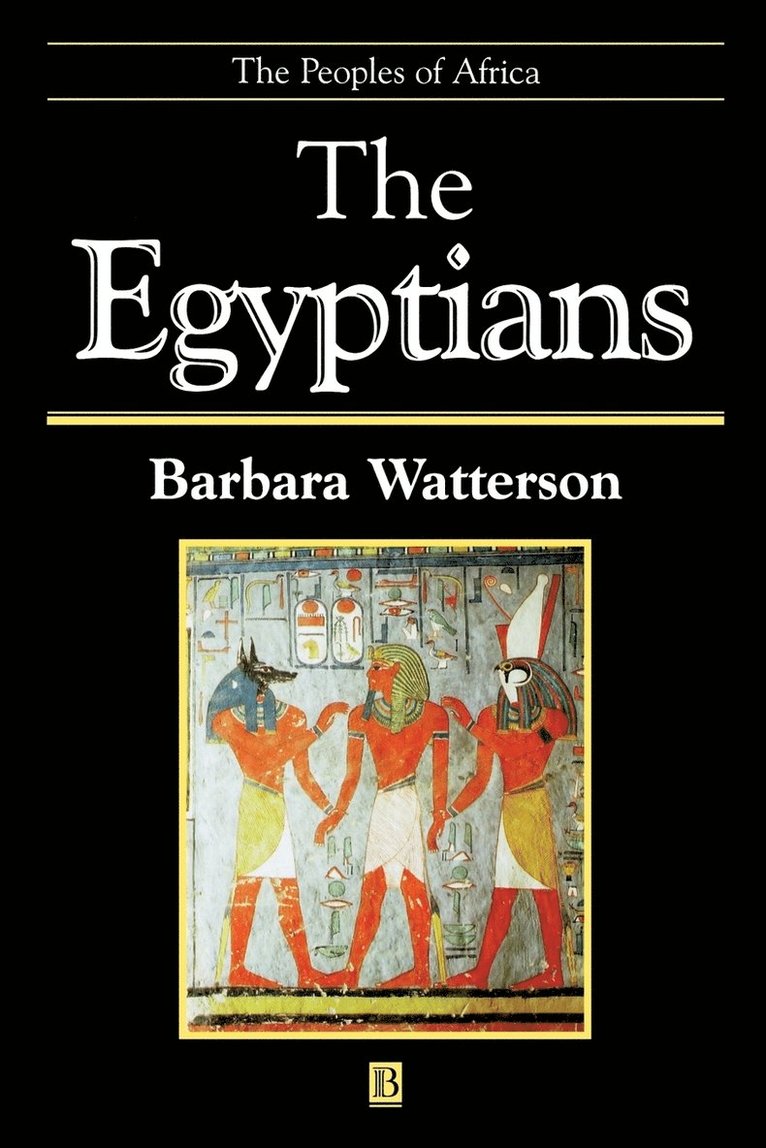
This is an account of the Egyptians from the first settlers in the Nile Valley through to the present day. Egypt has the longest, continuous, known history of any country in the world.
194 kr
Tillfälligt slut
111 kr
Tillfälligt slut
The lives of Egyptian women were free of the restraints normally placed upon women in the rest of the ancient world, allowing them to exercise a full part in society, recognised as equal with men under the law. Using evidence gleaned from written records, monuments, sculpture, tombpaintings and the material found in tombs, including objects and human remains, Barbara Watterson has built up a fascinating picture of the often overlooked contributions made by women of all classes to the social, and sometimes the political, history of ancient Egypt. In Women in Ancient Egypt, the types of occupations and careers open to women are described, as are their domestic and personal lives - marriage, health and childbirth; family life; running a home; clothing, jewellery and beauty preparations. The women whose lives are fleshed out in this book are largely the 'little people' of history, women who rarely exercised any power outside the domestic sphere. In contrast, however, the final chapter deals with those women, surprisingly few in number, whose influence on the political affairs of their country was considerable and, in some cases, legendary, with a small number of royal women able to ascend the throne of Egypt and rule as female kings.
214 kr
Skickas inom 11-20 vardagar
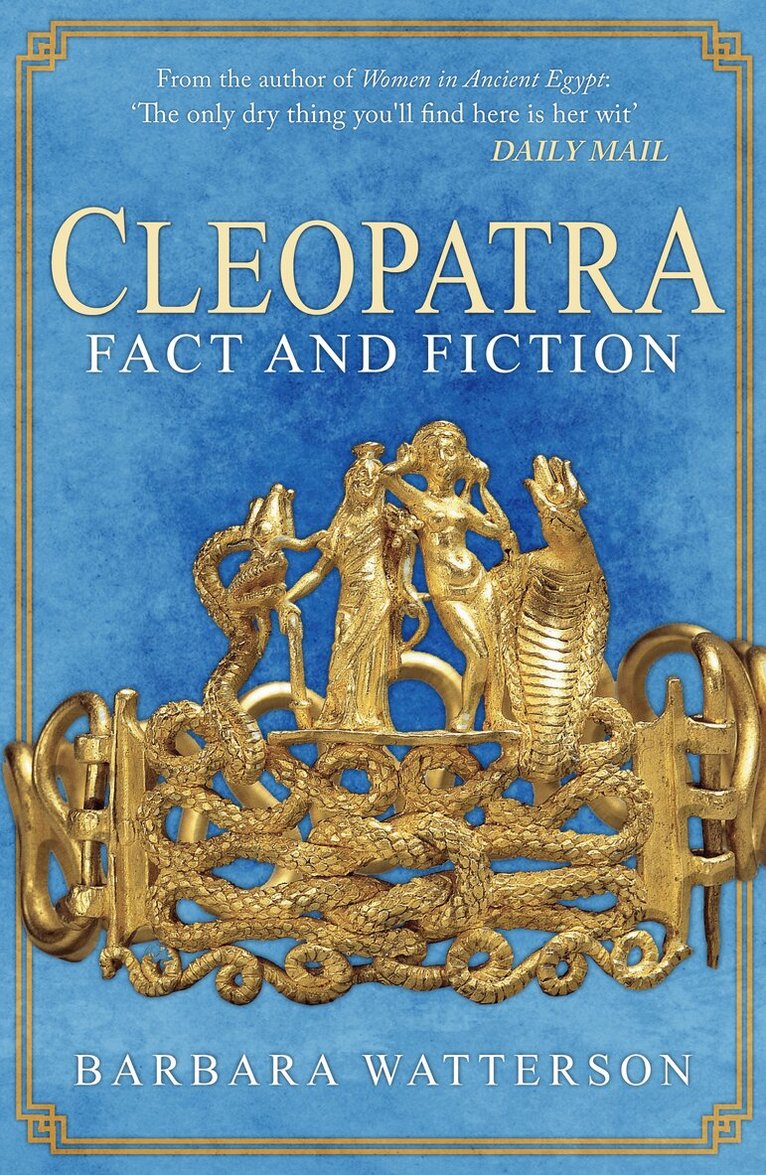
Cleopatra is one of the greatest romantic figures in history, the queen of Egypt whose beauty and allure is legendary. We think we know her story, but our image of her is largely gleaned from the film starring Elizabeth Taylor or from Shakespeare’s Antony and Cleopatra. Shakespeare himself was inspired by Plutarch, who was only sixteen years old when Cleopatra died. So her story was never based purely on fact.In the middle of the first century BC, Cleopatra caught the attention of Rome by captivating the two most powerful Romans of the day, Julius Caesar and Mark Antony. She outlived both and attempted to suborn a third, her mortal enemy, Octavius Caesar, the first of the Roman Emperors. Having failed to do so she destroyed herself.We can tell that Cleopatra was highly intelligent and politically astute and that she wielded great power. But Roman histories heaped opprobrium upon her. Cleopatra’s detractors claimed that she used her feminine wiles to entrap Caesar and Antony. She came to symbolise the danger of female influence to the safety of Rome – and indeed to the male-dominated world.Plutarch observed that Cleopatra’s actual beauty was apparently not in itself so remarkable. It was the impact of her presence that was irresistible. Cleopatra: Fact and Fiction sheds fascinating light on the woman behind the image.The fact that Cleopatra’s legend still burns bright today is proof of Shakespeare’s description of her as a lady of infinite variety whom custom cannot stale.
121 kr
Skickas
Cleopatra is one of the greatest romantic figures in history, the queen of Egypt whose beauty and allure is legendary. We think we know her story, but our image of her is largely gleaned from the film starring Elizabeth Taylor or from Shakespeare’s Antony and Cleopatra. Shakespeare himself was inspired by Plutarch, who was only sixteen years old when Cleopatra died. So her story was never based purely on fact.In the middle of the first century BC, Cleopatra caught the attention of Rome by captivating the two most powerful Romans of the day, Julius Caesar and Mark Antony. She outlived both and attempted to suborn a third, her mortal enemy, Octavius Caesar, the first of the Roman Emperors. Having failed to do so she destroyed herself.We can tell that Cleopatra was highly intelligent and politically astute and that she wielded great power. But Roman histories heaped opprobrium upon her. Cleopatra’s detractors claimed that she used her feminine wiles to entrap Caesar and Antony. She came to symbolise the danger of female influence to the safety of Rome - and indeed to the male-dominated world.Plutarch observed that Cleopatra’s actual beauty was apparently not in itself so remarkable. It was the impact of her presence that was irresistible. Cleopatra: Fact and Fiction sheds fascinating light on the woman behind the image.The fact that Cleopatra’s legend still burns bright today is proof of Shakespeare’s description of her as a lady of infinite variety whom custom cannot stale.