Barbra A. Meek - Böcker
Visar alla böcker från författaren Barbra A. Meek. Handla med fri frakt och snabb leverans.
4 produkter
4 produkter
Engaging Native American Publics
Linguistic Anthropology in a Collaborative Key
Häftad, Engelska, 2019
629 kr
Skickas inom 10-15 vardagar
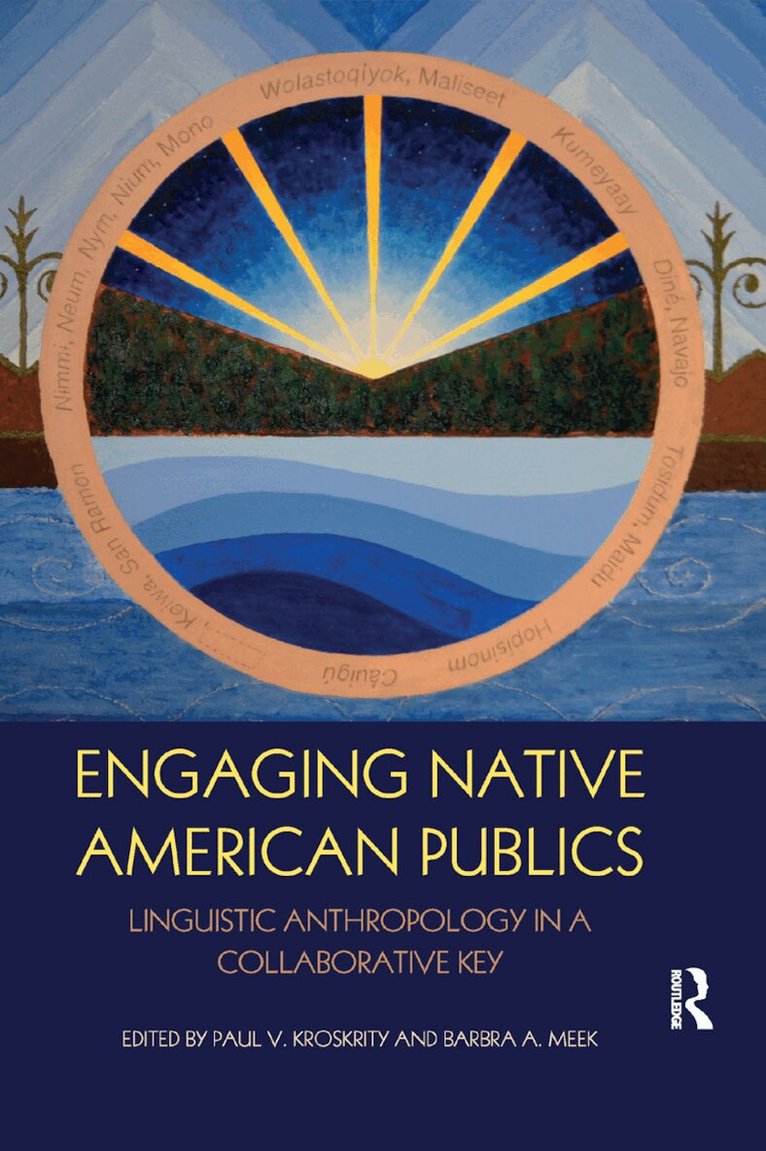
Engaging Native American Publics considers the increasing influence of Indigenous groups as key audiences, collaborators, and authors with regards to their own linguistic documentation and representation. The chapters critically examine a variety of North American case studies to reflect on the forms and effects of new collaborations between language researchers and Indigenous communities, as well as the types and uses of products that emerge with notions of cultural maintenance and linguistic revitalization in mind. In assessing the nature and degree of change from an early period of "salvage" research to a period of greater Indigenous "self-determination," the volume addresses whether increased empowerment and accountability has truly transformed the terms of engagement and what the implications for the future might be.
We Are Our Language
An Ethnography of Language Revitalization in a Northern Athabaskan Community
Häftad, Engelska, 2012
322 kr
Skickas inom 7-10 vardagar
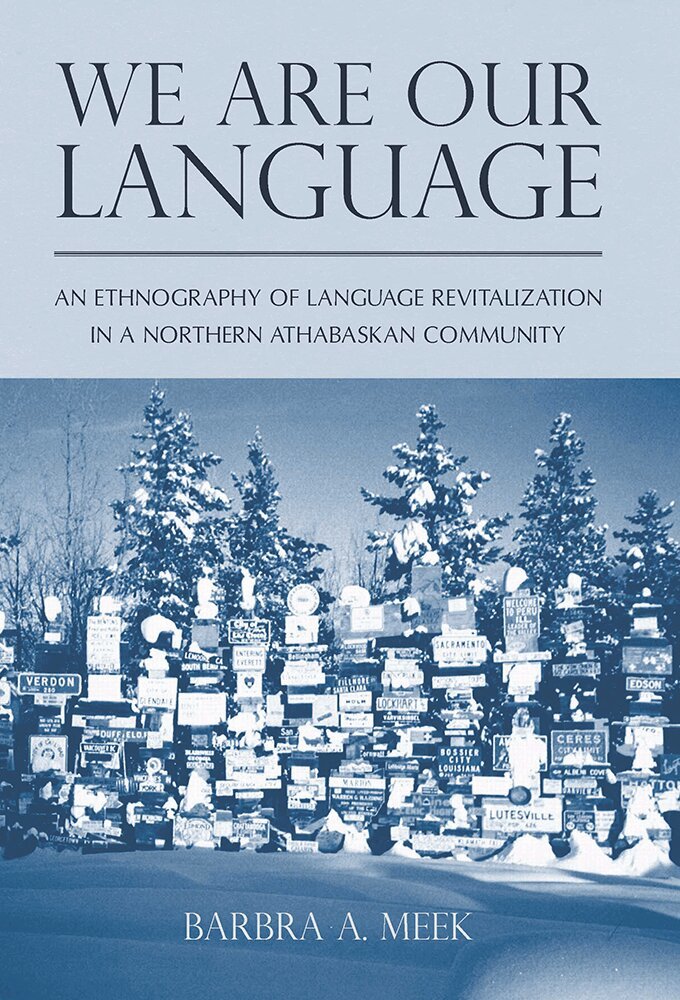
For many communities around the world, the revitalization or at least the preservation of an indigenous language is a pressing concern. Understanding the issue involves far more than compiling simple usage statistics or documenting the grammar of a tongue--it requires examining the social practices and philosophies that affect indigenous language survival.In presenting the case of Kaska, an endangered language in an Athabascan community in the Yukon, Barbra Meek asserts that language revitalization requires more than just linguistic rehabilitation; it demands a social transformation. The process must mend rips and tears in the social fabric of the language community that result from an enduring colonial history focused on termination. These 'disjunctures' include government policies conflicting with community goals, widely varying teaching methods and generational viewpoints, and even clashing ideologies within the language community. This book provides a detailed investigation of language revitalization based on more than two years of active participation in local language renewal efforts. Each chapter focuses on a different dimension, such as spelling and expertise, conversation and social status, family practices, and bureaucratic involvement in local language choices. Each situation illustrates the balance between the desire for linguistic continuity and the reality of disruption. We Are Our Language reveals the subtle ways in which different conceptions and practices--historical, material, and interactional--can variably affect the state of an indigenous language, and it offers a critical step toward redefining success and achieving revitalization.
453 kr
Skickas inom 7-10 vardagar
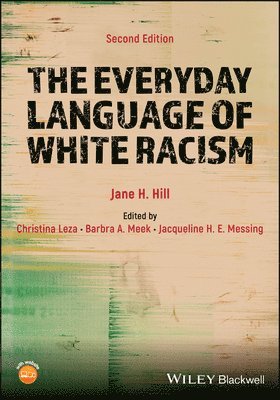
A groundbreaking critical discourse analysis of everyday language, reveals the underlying racist stereotypes circulating in American cultureIn The Everyday Language of White Racism, prominent linguist Jane H. Hill provides an incisive analysis of the relationship between language, race, and culture. First published in 2008, this classic textbook employs an innovative framework to reveal the underlying racist stereotypes that continue to persist in White American culture and sustain structures of White Supremacy. Detailed yet accessible chapters integrate a broad range of literature from across disciplines, including sociology, social psychology, critical legal studies, anthropology, and sociolinguistics. Throughout the book, students are encouraged to engage with the linguistic data available through observation of racialized communication in their everyday lives.Edited by a team of leading scholars, the second edition of The Everyday Language of White Racism brings Hill's contributions to the study of racism into conversation with the most current literature on language and racism in the United States. Topics such as racial profiling, police violence, the Black Lives Matter movement, White nationalism, White fragility, and various forms of institutional racism are addressed within Hill's broader framework of White racial projects and the “White folk” theory of race and racism. New chapter-by-chapter annotations clarify and contextualize theoretical concepts, accompanied by new discussion questions that offer guidance for analytical conversations in classrooms. Provides resources for critical discussions on contemporary racial issues that continue to limit and endanger BIPOC (Black, Indigenous, and People of Color) individuals and communitiesDispels the common assumption that White racism is fading in the US and the Western worldIllustrates how racist effects can be produced in interaction without any single person intending discriminationContains an overview of the theory of race and racism, with definitions of terms and conceptsIncludes recent statistical data on U.S. racial gaps across a variety of categories and access to a companion website with additional resourcesThe Everyday Language of White Racism, Second Edition remains an indispensable resource for undergraduate and graduate students in Critical Race Studies and Linguistic Anthropology courses across the Humanities and Social Sciences.
Engaging Native American Publics
Linguistic Anthropology in a Collaborative Key
Inbunden, Engelska, 2017
2 104 kr
Skickas inom 10-15 vardagar
Engaging Native American Publics considers the increasing influence of Indigenous groups as key audiences, collaborators, and authors with regards to their own linguistic documentation and representation. The chapters critically examine a variety of North American case studies to reflect on the forms and effects of new collaborations between language researchers and Indigenous communities, as well as the types and uses of products that emerge with notions of cultural maintenance and linguistic revitalization in mind. In assessing the nature and degree of change from an early period of "salvage" research to a period of greater Indigenous "self-determination," the volume addresses whether increased empowerment and accountability has truly transformed the terms of engagement and what the implications for the future might be.