Barry Hallen - Böcker
Visar alla böcker från författaren Barry Hallen. Handla med fri frakt och snabb leverans.
8 produkter
8 produkter
204 kr
Skickas inom 7-10 vardagar
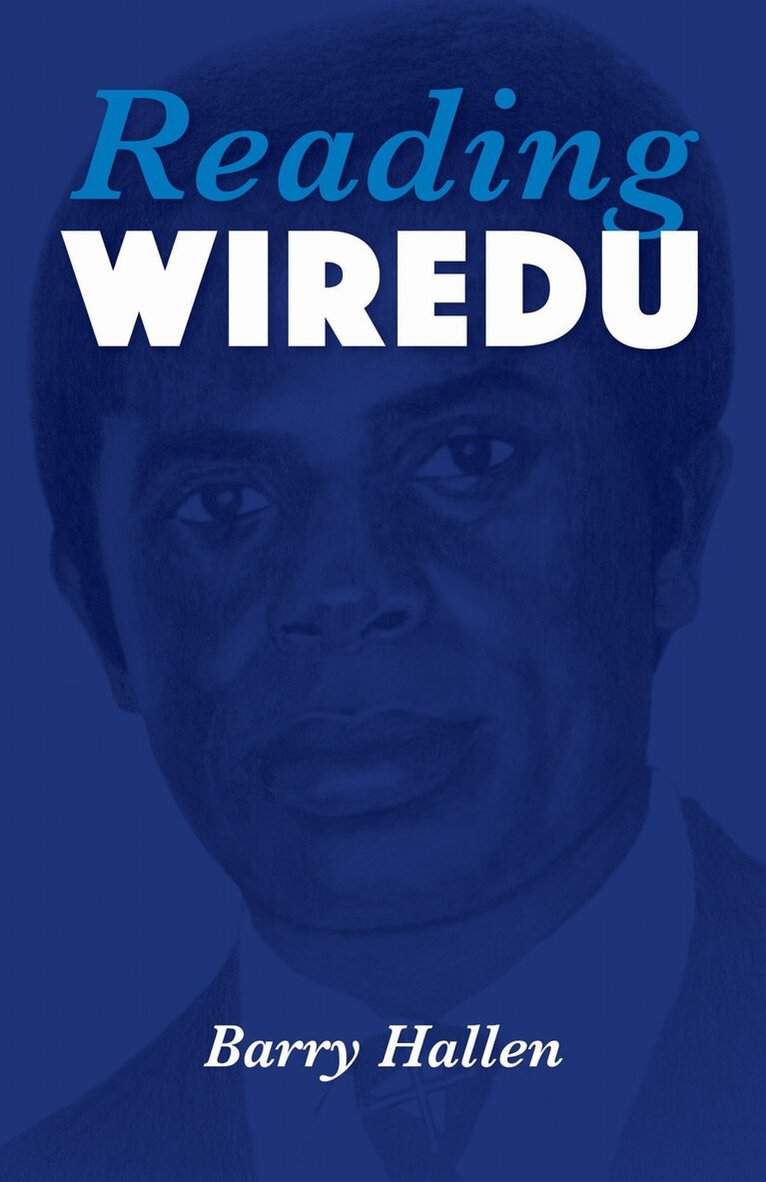
Reading Wiredu is the first comprehensive overview of the philosophical thought of Kwasi Wiredu. Born in Ghana in 1931, Wiredu, an important observer and critic of philosophy generally, remains an original and penetrating African thinker. Interrelating Wiredu's philosophical writings from across decades, Barry Hallen sets forth the basic tenets and the defining features of his philosophy. Wiredu's thought is divided into five distinct but interconnected areas: his response to the philosophy of Quine on issues of logic and ontology, issues of language in philosophical reflection, the nature of truth as a practical and philosophical concern, the principle of sympathetic impartiality that all human beings must live by to survive as a group, and finally, consensus building as rooted in intentional, negotiated, and rational exchanges that are part of everyday life. Reading Wiredu explores the scope and depth of Wiredu's philosophical thought, which can be framed through what he calls a genetic methodology—a methodology that privileges environmental considerations in the production of various forms of thought. Hallen's overview is intended to assist scholars and students in grasping Wiredu's complex philosophical thought.
794 kr
Skickas inom 7-10 vardagar
Reading Wiredu is the first comprehensive overview of the philosophical thought of Kwasi Wiredu. Born in Ghana in 1931, Wiredu, an important observer and critic of philosophy generally, remains an original and penetrating African thinker. Interrelating Wiredu's philosophical writings from across decades, Barry Hallen sets forth the basic tenets and the defining features of his philosophy. Wiredu's thought is divided into five distinct but interconnected areas: his response to the philosophy of Quine on issues of logic and ontology, issues of language in philosophical reflection, the nature of truth as a practical and philosophical concern, the principle of sympathetic impartiality that all human beings must live by to survive as a group, and finally, consensus building as rooted in intentional, negotiated, and rational exchanges that are part of everyday life. Reading Wiredu explores the scope and depth of Wiredu's philosophical thought, which can be framed through what he calls a genetic methodology—a methodology that privileges environmental considerations in the production of various forms of thought. Hallen's overview is intended to assist scholars and students in grasping Wiredu's complex philosophical thought.
246 kr
Skickas inom 10-15 vardagar
The Good, the Bad, and the BeautifulDiscourse about Values in Yoruba CultureBarry HallenReveals everyday language as the key to understanding morals and ethics in Yoruba culture."This contrasts with any suggestion that in Yoruba or, more generally, African society, moral thinking manifests nothing much more than a supine acquiescence in long established communal values. . . . Hallen renders a great service to African philosophy." —Kwasi WireduIn Yoruba culture, morality and moral values are intimately linked to aesthetics. The purest expression of beauty, at least for human beings, is to possess good moral character. But how is moral character judged? How do actions, and especially words, reveal good moral character in a culture that is still significantly based on oral tradition? In this original and intimate look at Yoruba culture, Barry Hallen asks the Yoruba onisegun—the wisest and most accomplished herbalists or traditional healers, individuals justly reputed to be well versed in Yoruba thought and expression—what it means to be good and beautiful. Posed as an outsider wanting to gain understanding of how to speak Yoruba correctly, Hallen engages the onisegun and has them explain the subtleties and intricacies of Yoruba language use and the philosophy behind particular word choices. Their instructions reveal a striking and profound depiction of Yoruba aesthetic and ethical thought. The detailed interpretations of everyday language that Hallen supplies challenge prevailing Western views that African thought is nothing more than acquiescence to long-established religious or communal values. The philosophy of ordinary language reveals that moral reflection is indeed individual and that evaluations of action and character take place on the basis of clearly and logically delineated criteria. With the onisegun as his guides, Hallen identifies the priorities of Yoruba philosophy and culture through everyday expression and shows that there are rational pathways to both truth and beauty.Barry Hallen has taught philosophy at the Obafemi Awolowo University (formerly University of Ife) in Nigeria. He is a Fellow at the W. E. B. DuBois Institute for Afro-American Research at Harvard University and Visiting Professor of Philosophy at Morehouse College. He is coauthor (with J. Olubi Sodipo) of Knowledge, Belief, and Witchcraft: Analytic Experiments in African Philosophy.ContentsOrdinary Language and African PhilosophyMoral EpistemologyMe, My Self, and My DestinyThe Good and the BadThe BeautifulRationality, Individuality, Secularity, and the ProverbialAppendix of Yoruba-Language QuotationsGlossary of Yoruba Terms
243 kr
Skickas inom 7-10 vardagar
A Short History of African Philosophy discusses major ideas, figures, and schools of thought in philosophy in the African context. While drawing out critical issues in the formation of African philosophy, Barry Hallen focuses on recent scholarship and relevant debates that have made African philosophy critical to understanding the rich and complex cultural heritage of the continent. This revised edition expands the historical perspective, takes account of recent discoveries and new canonical figures, highlights new discussions about gender as a cultural and philosophical phenomenon, clarifies issues regarding indigenous cultures and human rights, and builds on the notion that African philosophy shares methods and concerns of philosophy worldwide. This short reference is an essential resource for students, scholars, and general readers.
1 181 kr
Skickas inom 10-15 vardagar
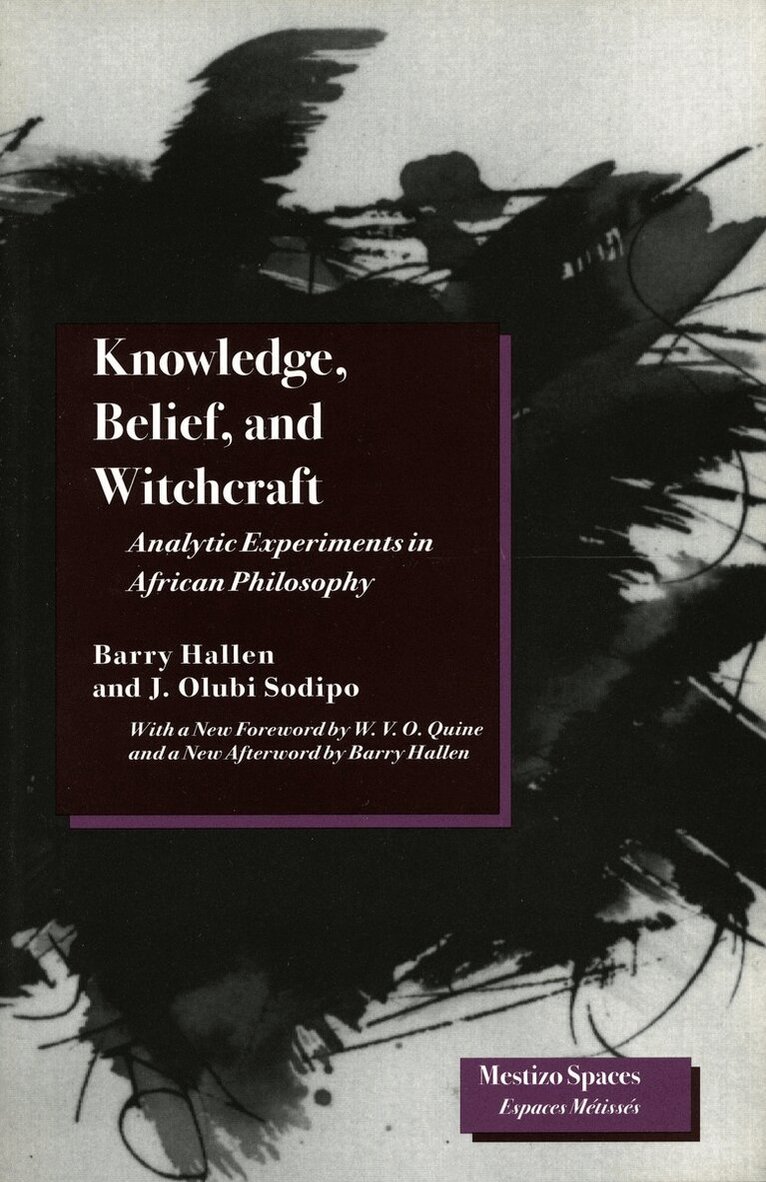
First published in 1986, Knowledge, Belief, and Witchcraft remains the only analysis of indigenous discourse about an African belief system undertaken from within the framework of Anglo-American analytical philosophy. Taking as its point of departure W. V. O. Quine's thesis about the indeterminacy of translation, the book investigates questions of Yoruba epistemology and of how knowledge is conceived in an oral culture.
283 kr
Skickas inom 7-10 vardagar
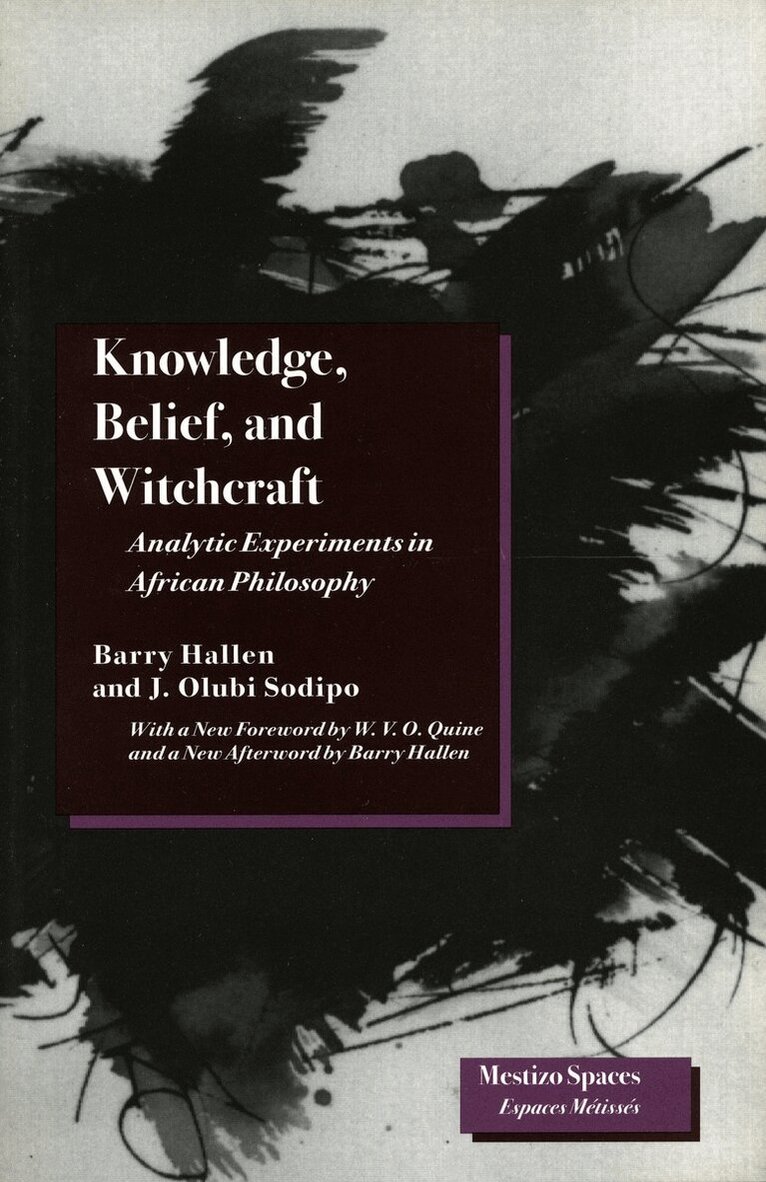
First published in 1986, Knowledge, Belief, and Witchcraft remains the only analysis of indigenous discourse about an African belief system undertaken from within the framework of Anglo-American analytical philosophy. Taking as its point of departure W. V. O. Quine's thesis about the indeterminacy of translation, the book investigates questions of Yoruba epistemology and of how knowledge is conceived in an oral culture.
244 kr
Skickas inom 7-10 vardagar
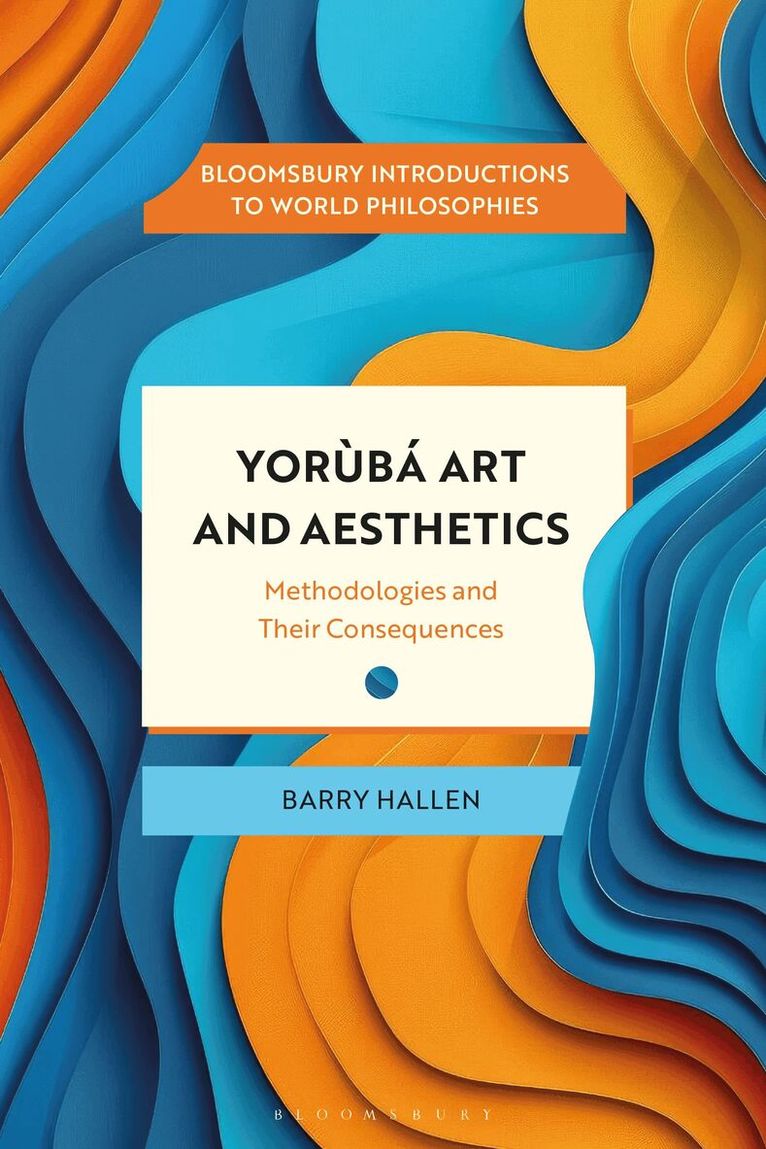
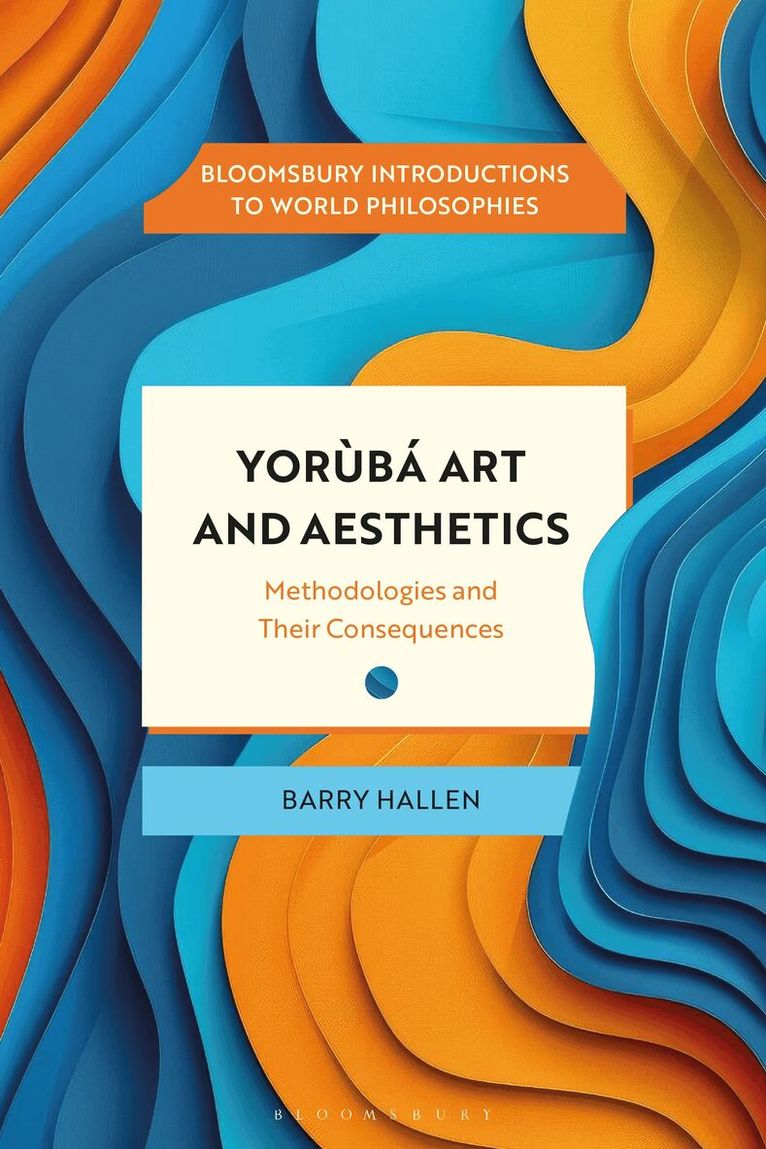
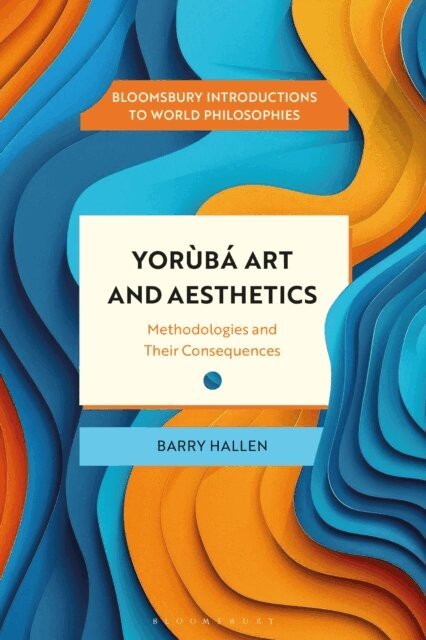
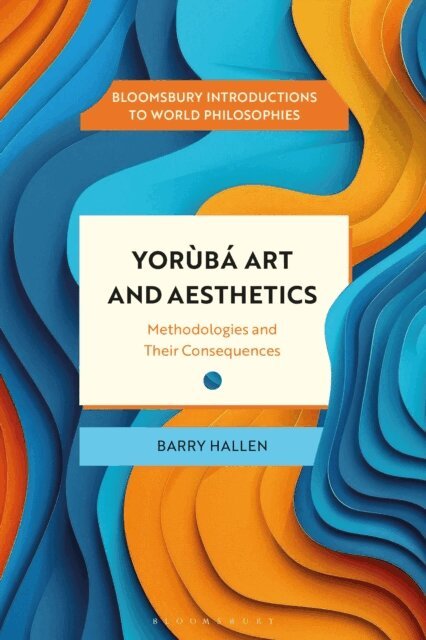
An introduction to the art and aesthetics of southwest Nigeria using the writings of Yorùbá scholars and artists who have made these subjects their special interest over the last forty years.Barry Hallen brings together the writings of four pioneering Yorùbá thinkers who write about the art and aesthetics of their own culture: J.R.O. Ojo, Babatunde Lawal, Rowland Abiodun and Wole Soyinka. All were based at the Obafemi Awolowo University, named Great Ife because of the faculty and students' conviction that it was committed to achieving all of the great things that a university community can. Each is responsible for developing indigenous concepts in which African art derives its importance and meanings in the world. Never before has their work been set side-by-side. By treating their work as interrelated we see how when combined they offer a better and higher level of understanding of that remarkable and fascinating form of life associated with the name Yorùbá. Each chapter provides a ‘taste’ of their philosophy as they reveal what they have to say about how they view and value their art internal to their culture.Hallen places attention on the methodologies each of them uses to arrive at and defend their ideas. Together they tell a story about how badly things can go when human cultures believe they are categorically different from one another. They also argue that the more comprehensive one’s experience and knowledge of the culture is, the better one is prepared to appreciate the conception and interpretation of its art.This is the first book of its kind to take such a discursive and analytic approach to Yorùbá art and aesthetics. Disentangling African art from Eurocentric stereotypes, it represents exciting new scholarship in the disciplines that have come to be known as African philosophy and African art history.
742 kr
Skickas inom 10-15 vardagar
An introduction to the art and aesthetics of southwest Nigeria using the writings of Yorùbá scholars and artists who have made these subjects their special interest over the last forty years.Barry Hallen brings together the writings of four pioneering Yorùbá thinkers who write about the art and aesthetics of their own culture: J.R.O. Ojo, Babatunde Lawal, Rowland Abiodun and Wole Soyinka. All were based at the Obafemi Awolowo University, named Great Ife because of the faculty and students' conviction that it was committed to achieving all of the great things that a university community can. Each is responsible for developing indigenous concepts in which African art derives its importance and meanings in the world. Never before has their work been set side-by-side. By treating their work as interrelated we see how when combined they offer a better and higher level of understanding of that remarkable and fascinating form of life associated with the name Yorùbá. Each chapter provides a ‘taste’ of their philosophy as they reveal what they have to say about how they view and value their art internal to their culture.Hallen places attention on the methodologies each of them uses to arrive at and defend their ideas. Together they tell a story about how badly things can go when human cultures believe they are categorically different from one another. They also argue that the more comprehensive one’s experience and knowledge of the culture is, the better one is prepared to appreciate the conception and interpretation of its art.This is the first book of its kind to take such a discursive and analytic approach to Yorùbá art and aesthetics. Disentangling African art from Eurocentric stereotypes, it represents exciting new scholarship in the disciplines that have come to be known as African philosophy and African art history.