
Barry Laga – författare
Visar alla böcker från författaren Barry Laga. Handla med fri frakt och snabb leverans.
4 produkter
4 produkter
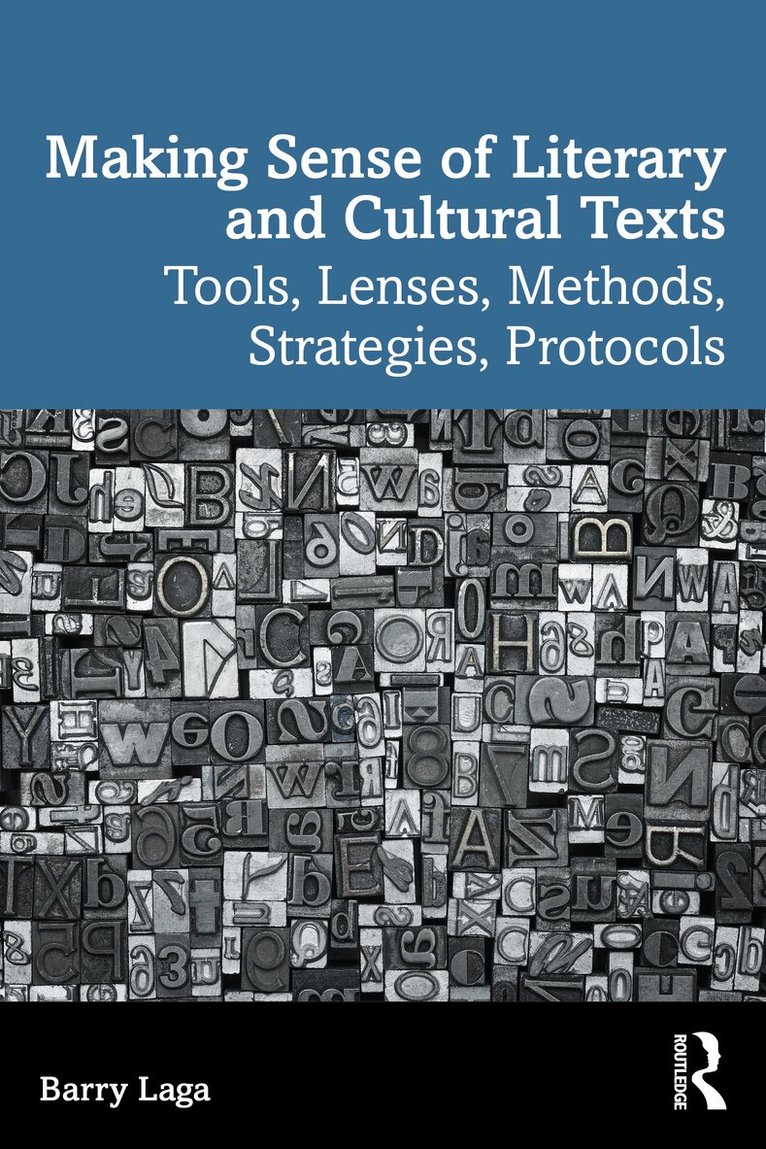
Inbunden, Engelska, 2026
2 559 kr
Kommande
Making Sense of Literary and Cultural Texts provides readers with practical interpretive strategies to understand the fundamental practices that define literary and cultural studies. Barry Laga clearly explains each approach and demonstrates how readers can apply these methods to various texts, making complex analytical techniques accessible.This innovative guide examines the conceptual frameworks that influence how we read, while addressing why literary and cultural works can sometimes feel challenging or confusing. The guide helps students unpack textual features, place works in relevant contexts, and engage in common scholarly projects. It explores specific interpretive strategies through three parts. In part one readers learn ways to engage in close reading. Part two considers a text’s relationship with the author, other texts, peer groups, contexts, frameworks, value systems, and social structures. Part three unearths how readers can use textual studies, employ digital humanities, imitate works, and judge merit and quality. The concrete, foundational approach gives students the tools they need to engage confidently with literary and cultural works.Drawing on the rich and varied landscape of contemporary criticism, this is an essential resource for students beginning literary studies courses, or as a supplement to literature, film, theatre, or art courses. The book’s flexible design allows instructors to use it either as a primary “how to interpret” textbook or as supplementary material to a wide range of courses that invite students to interpret literary and cultural texts.
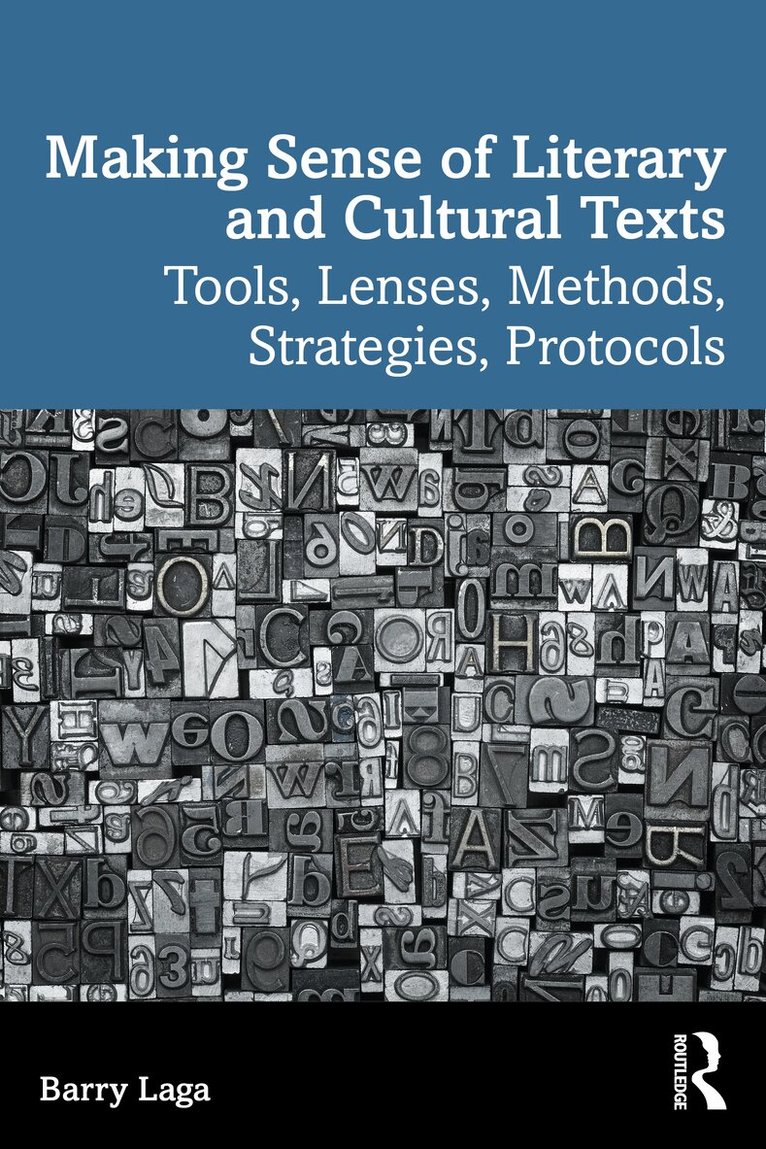
Häftad, Engelska, 2026
699 kr
Kommande
Making Sense of Literary and Cultural Texts provides readers with practical interpretive strategies to understand the fundamental practices that define literary and cultural studies. Barry Laga clearly explains each approach and demonstrates how readers can apply these methods to various texts, making complex analytical techniques accessible.This innovative guide examines the conceptual frameworks that influence how we read, while addressing why literary and cultural works can sometimes feel challenging or confusing. The guide helps students unpack textual features, place works in relevant contexts, and engage in common scholarly projects. It explores specific interpretive strategies through three parts. In part one readers learn ways to engage in close reading. Part two considers a text’s relationship with the author, other texts, peer groups, contexts, frameworks, value systems, and social structures. Part three unearths how readers can use textual studies, employ digital humanities, imitate works, and judge merit and quality. The concrete, foundational approach gives students the tools they need to engage confidently with literary and cultural works.Drawing on the rich and varied landscape of contemporary criticism, this is an essential resource for students beginning literary studies courses, or as a supplement to literature, film, theatre, or art courses. The book’s flexible design allows instructors to use it either as a primary “how to interpret” textbook or as supplementary material to a wide range of courses that invite students to interpret literary and cultural texts.
Inbunden, Engelska, 2018
2 453 kr
Skickas inom 10-15 vardagar
Using Key Passages to Understand Literature, Theory and Criticism is a completely fresh and innovative approach to teaching and learning literary theory: using short passages of theory to make sense of literary and cultural texts. It focuses on the key concepts that help readers understand literature and cultural events in new and provocative ways. Covering a wide variety of iconic and contemporary theorists, the book offers a broad chronological and global overview, including thirty passages from theorists such as Viktor Shklovsky, Roland Barthes, Judith Butler, Diana Fuss, Jean Baudrillard, Kwame Anthony Appiah, Michel Foucault, Monique Wittig, and Eve Sedgwick.Built on the premise that scholars use theory pragmatically, Using Key Passages to Understand Literature, Theory and Criticism identifies problems, puzzles, and questions readers may encounter when they read a story, watch a film, or look at artwork. It explains, in detail, thirty concepts that help readers make sense of these works and invites students to apply the concepts to a range of writing and research projects. The textbook concludes by helping students read theory with an eye on finding productive passages and writing their own “theory chapter,” signaling a shift from student as critic to student as theorist.Used as a main text in introductory theory courses or as a supplement to any literature, film, theater, or art course, this book helps students read closely and think critically.
Häftad, Engelska, 2018
640 kr
Skickas inom 10-15 vardagar
Using Key Passages to Understand Literature, Theory and Criticism is a completely fresh and innovative approach to teaching and learning literary theory: using short passages of theory to make sense of literary and cultural texts. It focuses on the key concepts that help readers understand literature and cultural events in new and provocative ways. Covering a wide variety of iconic and contemporary theorists, the book offers a broad chronological and global overview, including thirty passages from theorists such as Viktor Shklovsky, Roland Barthes, Judith Butler, Diana Fuss, Jean Baudrillard, Kwame Anthony Appiah, Michel Foucault, Monique Wittig, and Eve Sedgwick.Built on the premise that scholars use theory pragmatically, Using Key Passages to Understand Literature, Theory and Criticism identifies problems, puzzles, and questions readers may encounter when they read a story, watch a film, or look at artwork. It explains, in detail, thirty concepts that help readers make sense of these works and invites students to apply the concepts to a range of writing and research projects. The textbook concludes by helping students read theory with an eye on finding productive passages and writing their own “theory chapter,” signaling a shift from student as critic to student as theorist.Used as a main text in introductory theory courses or as a supplement to any literature, film, theater, or art course, this book helps students read closely and think critically.