Barry R. Posen - Böcker
Visar alla böcker från författaren Barry R. Posen. Handla med fri frakt och snabb leverans.
6 produkter
6 produkter
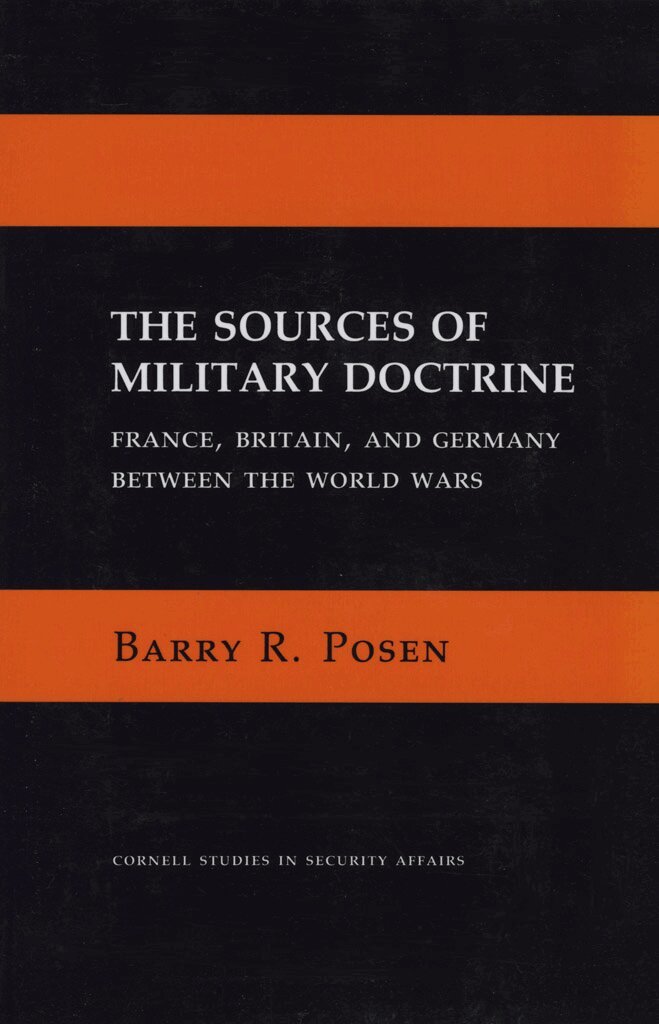
Sources of Military Doctrine
France, Britain, and Germany Between the World Wars
Inbunden, Engelska, 1984
677 kr
Skickas inom 10-15 vardagar
Barry R. Posen explores how military doctrine takes shape and the role it plays in grand strategy-that collection of military, economic, and political means and ends with which a state attempts to achieve security. Posen isolates three crucial elements of a given strategic doctrine: its offensive, defensive, or deterrent characteristics, its integration of military resources with political aims, and the degree of military or operational innovation it contains. He then examines these components of doctrine from the perspectives of organization theory and balance of power theory, taking into account the influence of technology and geography.Looking at interwar France, Britain, and Germany, Posen challenges each theory to explain the German Blitzkrieg, the British air defense system, and the French Army's defensive doctrine often associated with the Maginot Line. This rigorous comparative study, in which the balance of power theory emerges as the more useful, not only allows us to discover important implications for the study of national strategy today, but also serves to sharpen our understanding of the origins of World War II.
704 kr
Skickas inom 10-15 vardagar
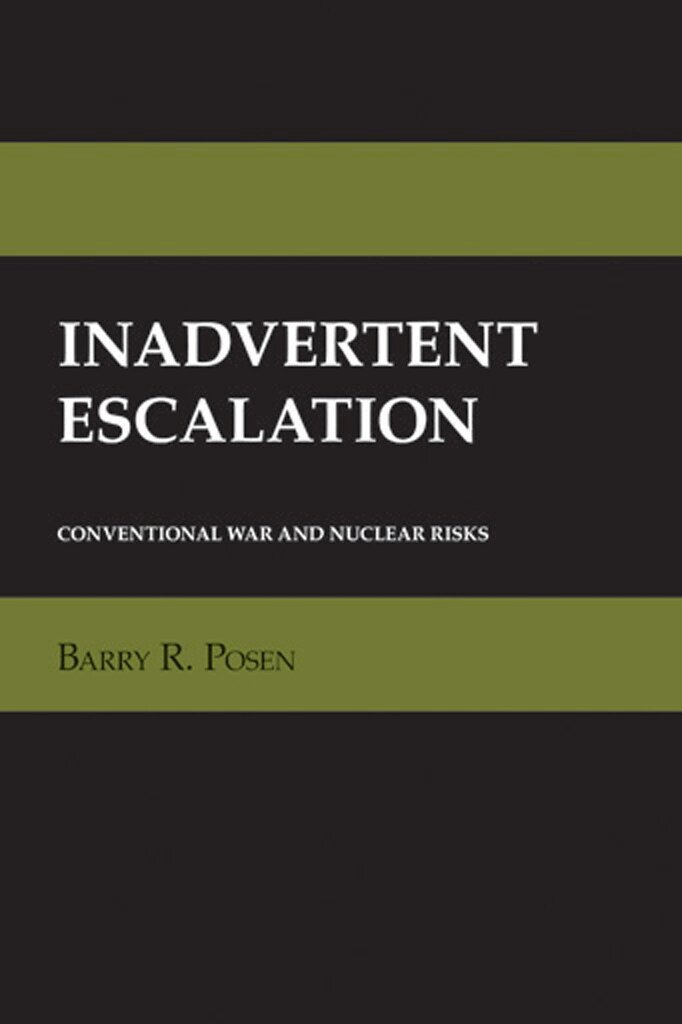
Posen has written a provocative and important book... which explores an issue that could increase in relevance as nuclear weapons proliferate throughout the Third World. â• Intelligence and National SecurityIn this sobering book, Barry R. Posen demonstrates how the interplay between conventional military operations and nuclear forces could, in conflicts among states armed with both conventional and nuclear weaponry, inadvertently produce pressures for nuclear escalation. Knowledge of these hidden pressures, he believes, may help some future decision maker avoid catastrophe.Building a formidable argument that moves with cumulative force, he details the way in which escalation could occur not by mindless accident, or by deliberate preference for nuclear escalation, but rather as a natural accompaniment of land, naval, or air warfare at the conventional level. Posen bases his analysis on an empirical study of the east-west military competition in Europe during the 1980s, using a conceptual framework drawn from international relations theory, organization theory, and strategic theory.The lessons of his book, however, go well beyond the east-west competition. Since his observations are relevant to all military competitions between states armed with both conventional and nuclear weaponry, his book speaks to some of the problems that attend the proliferation of nuclear weapons in longstanding regional conflicts. Optimism that small and medium nuclear powers can easily achieve "stable" nuclear balances is, he believes, unwarranted.
355 kr
Skickas inom 10-15 vardagar
The United States, Barry R. Posen argues in Restraint, has grown incapable of moderating its ambitions in international politics. Since the collapse of Soviet power, it has pursued a grand strategy that he calls "liberal hegemony," one that Posen sees as unnecessary, counterproductive, costly, and wasteful. Written for policymakers and observers alike, Restraint explains precisely why this grand strategy works poorly and then provides a carefully designed alternative grand strategy and an associated military strategy and force structure. In contrast to the failures and unexpected problems that have stemmed from America's consistent overreaching, Posen makes an urgent argument for restraint in the future use of U.S. military strength. After setting out the political implications of restraint as a guiding principle, Posen sketches the appropriate military forces and posture that would support such a strategy. He works with a deliberately constrained notion of grand strategy and, even more important, of national security (which he defines as including sovereignty, territorial integrity, power position, and safety). His alternative for military strategy, which Posen calls "command of the commons," focuses on protecting U.S. global access through naval, air, and space power, while freeing the United States from most of the relationships that require the permanent stationing of U.S. forces overseas.
449 kr
Skickas inom 10-15 vardagar
Posen has written a provocative and important book... which explores an issue that could increase in relevance as nuclear weapons proliferate throughout the Third World. â• Intelligence and National SecurityIn this sobering book, Barry R. Posen demonstrates how the interplay between conventional military operations and nuclear forces could, in conflicts among states armed with both conventional and nuclear weaponry, inadvertently produce pressures for nuclear escalation. Knowledge of these hidden pressures, he believes, may help some future decision maker avoid catastrophe.Building a formidable argument that moves with cumulative force, he details the way in which escalation could occur not by mindless accident, or by deliberate preference for nuclear escalation, but rather as a natural accompaniment of land, naval, or air warfare at the conventional level. Posen bases his analysis on an empirical study of the east-west military competition in Europe during the 1980s, using a conceptual framework drawn from international relations theory, organization theory, and strategic theory.The lessons of his book, however, go well beyond the east-west competition. Since his observations are relevant to all military competitions between states armed with both conventional and nuclear weaponry, his book speaks to some of the problems that attend the proliferation of nuclear weapons in longstanding regional conflicts. Optimism that small and medium nuclear powers can easily achieve "stable" nuclear balances is, he believes, unwarranted.
Sources of Military Doctrine
France, Britain, and Germany Between the World Wars
Häftad, Engelska, 1986
435 kr
Skickas inom 10-15 vardagar
Barry R. Posen explores how military doctrine takes shape and the role it plays in grand strategy-that collection of military, economic, and political means and ends with which a state attempts to achieve security. Posen isolates three crucial elements of a given strategic doctrine: its offensive, defensive, or deterrent characteristics, its integration of military resources with political aims, and the degree of military or operational innovation it contains. He then examines these components of doctrine from the perspectives of organization theory and balance of power theory, taking into account the influence of technology and geography.Looking at interwar France, Britain, and Germany, Posen challenges each theory to explain the German Blitzkrieg, the British air defense system, and the French Army's defensive doctrine often associated with the Maginot Line. This rigorous comparative study, in which the balance of power theory emerges as the more useful, not only allows us to discover important implications for the study of national strategy today, but also serves to sharpen our understanding of the origins of World War II.
221 kr
Skickas inom 10-15 vardagar
The United States, Barry R. Posen argues in Restraint, has grown incapable of moderating its ambitions in international politics. Since the collapse of Soviet power, it has pursued a grand strategy that he calls "liberal hegemony," one that Posen sees as unnecessary, counterproductive, costly, and wasteful. Written for policymakers and observers alike, Restraint explains precisely why this grand strategy works poorly and then provides a carefully designed alternative grand strategy and an associated military strategy and force structure. In contrast to the failures and unexpected problems that have stemmed from America's consistent overreaching, Posen makes an urgent argument for restraint in the future use of U.S. military strength. After setting out the political implications of restraint as a guiding principle, Posen sketches the appropriate military forces and posture that would support such a strategy. He works with a deliberately constrained notion of grand strategy and, even more important, of national security (which he defines as including sovereignty, territorial integrity, power position, and safety). His alternative for military strategy, which Posen calls "command of the commons," focuses on protecting U.S. global access through naval, air, and space power, while freeing the United States from most of the relationships that require the permanent stationing of U.S. forces overseas.