Barry Trachtenberg – författare
Visar alla böcker från författaren Barry Trachtenberg. Handla med fri frakt och snabb leverans.
9 produkter
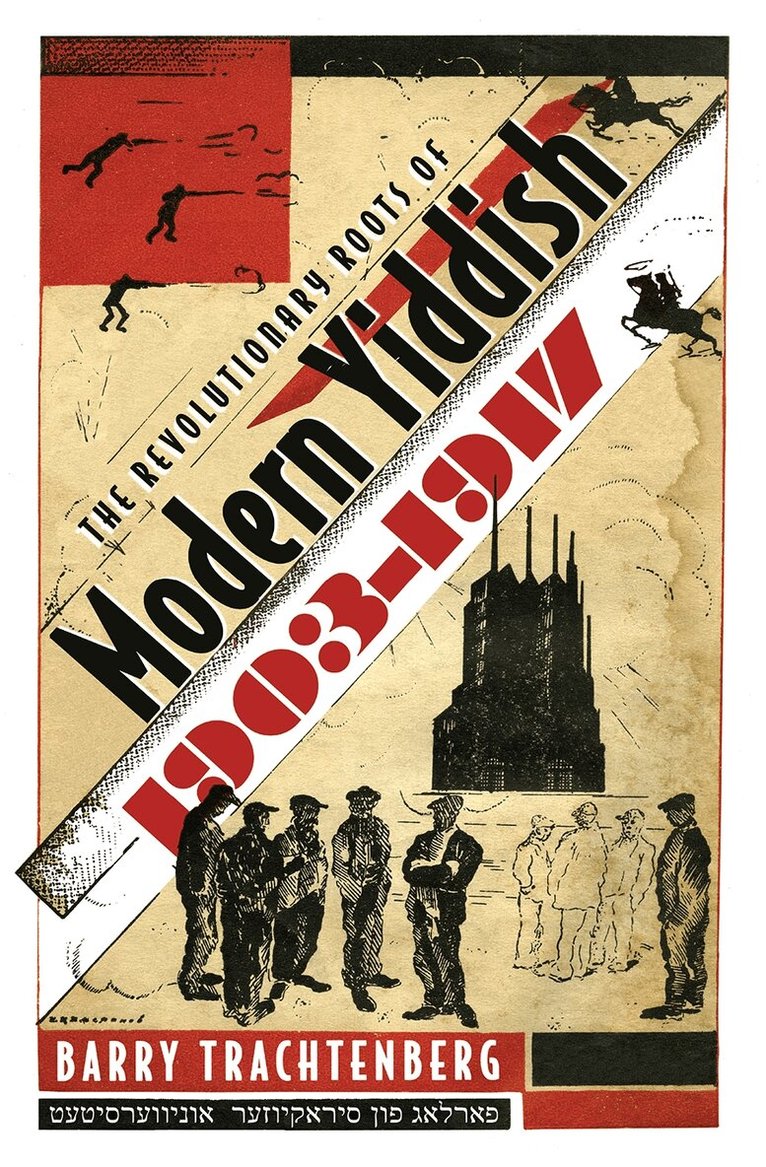
Revolutionary Roots of Modern Yiddish, 1903-1917
Inbunden, 2008
286 kr
Lägg i varukorg
At the beginning of the twentieth century, Yiddish was widely viewed, even by many of its speakers, as a corrupt form of German that Jews had to abandon if they hoped to engage in serious intellectual, cultural, or political work. Yet, by 1917 it was the dominant language of the Russian Jewish …
Revolutionary Roots of Modern Yiddish, 1903-1917
E-bok, 2008
379 kr
Lägg i varukorg
At the beginning of the twentieth century, Yiddish was widely viewed, even by many of its speakers, as a corrupt form of German that Jews had to abandon if they hoped to engage in serious intellectual, cultural, or political work. Yet, by 1917, it was the dominant language of the Russian Jewish …
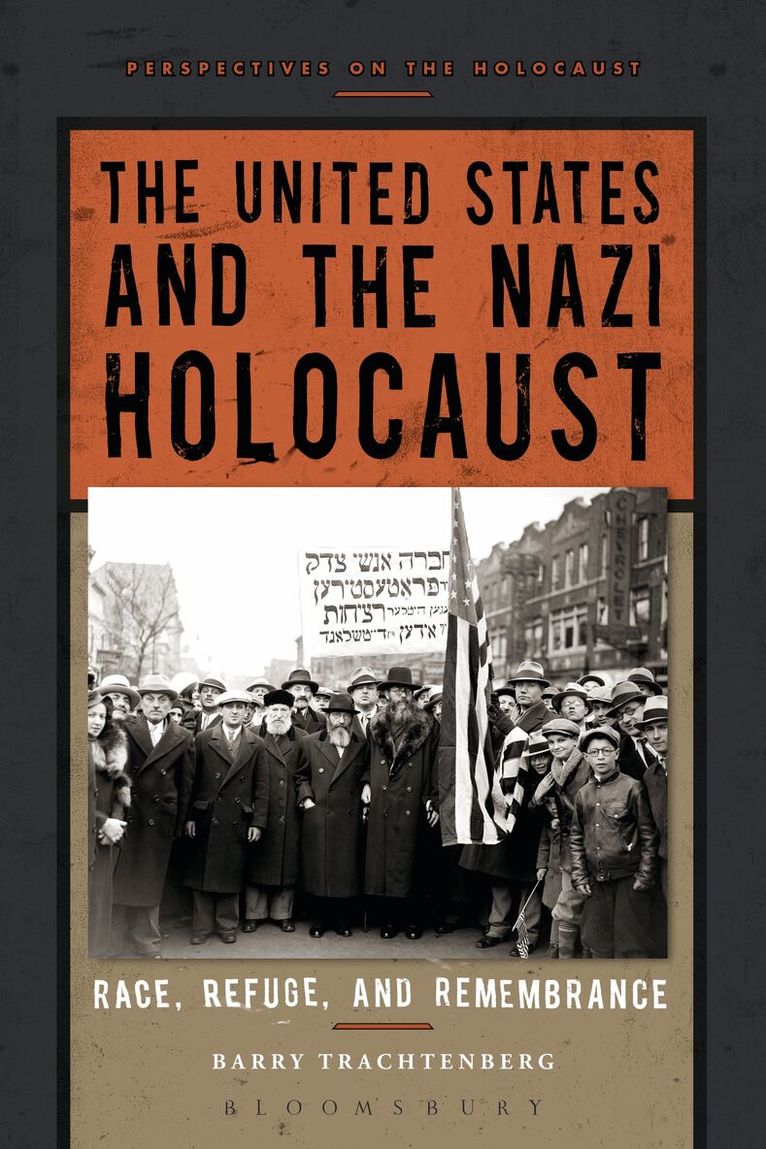
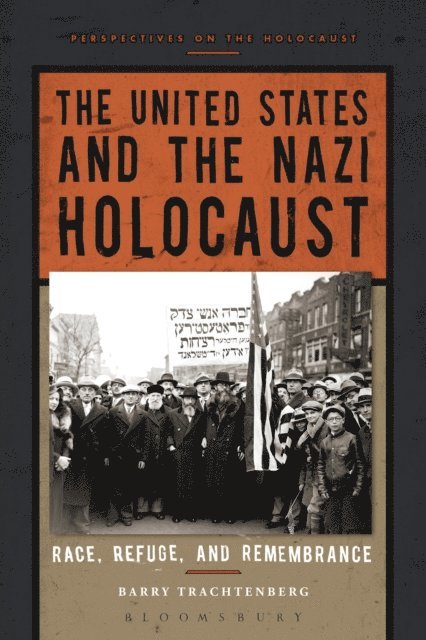
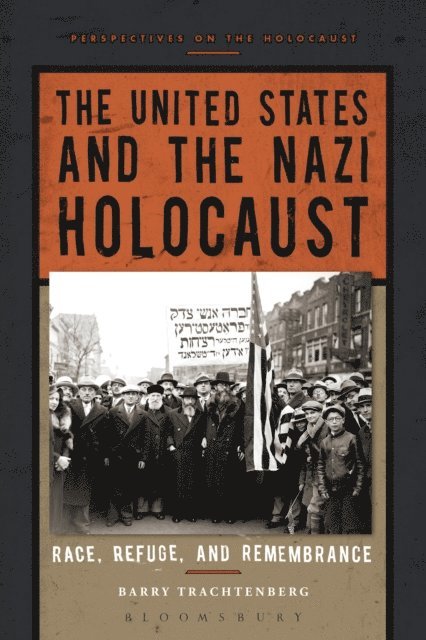
United States and the Nazi Holocaust
Race, Refuge, and Remembrance
Häftad, 2018
370 kr
Lägg i varukorg
The United States and the Nazi Holocaust is an invaluable synthesis of United States policies and attitudes towards the Nazi persecution of European Jewry from 1933 to the modern day. The book weaves together a vast body of scholarship to bring students of the Holocaust a balanced overview of this …
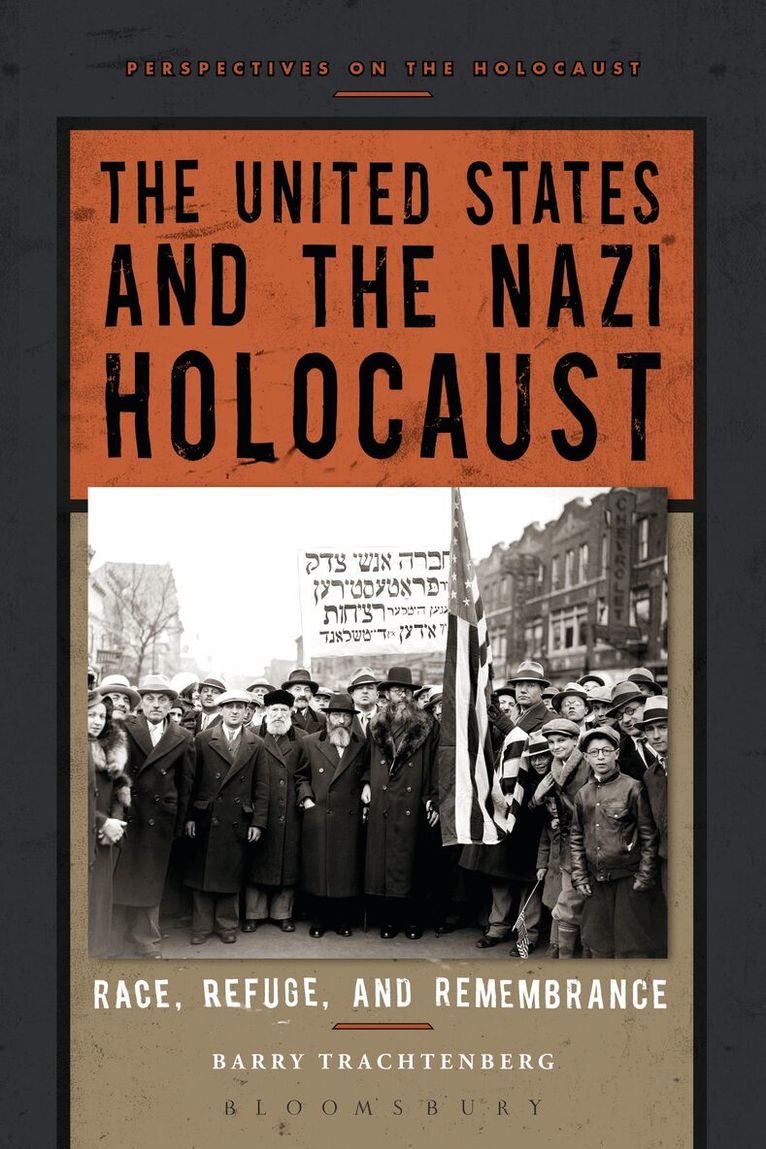
United States and the Nazi Holocaust
Race, Refuge, and Remembrance
Inbunden, 2018
1240 kr
Lägg i varukorg
The United States and the Nazi Holocaust is an invaluable synthesis of United States policies and attitudes towards the Nazi persecution of European Jewry from 1933 to the modern day. The book weaves together a vast body of scholarship to bring students of the Holocaust a balanced overview of this …
United States and the Nazi Holocaust
Race, Refuge, and Remembrance
E-bok, 2018
389 kr
Lägg i varukorg
The United States and the Nazi Holocaust is an invaluable synthesis of United States policies and attitudes towards the Nazi persecution of European Jewry from 1933 to the modern day. The book weaves together a vast body of scholarship to bring students of the Holocaust a balanced overview of this …
United States and the Nazi Holocaust
Race, Refuge, and Remembrance
E-bok, 2018
393 kr
Lägg i varukorg
The United States and the Nazi Holocaust is an invaluable synthesis of United States policies and attitudes towards the Nazi persecution of European Jewry from 1933 to the modern day. The book weaves together a vast body of scholarship to bring students of the Holocaust a balanced overview of this …
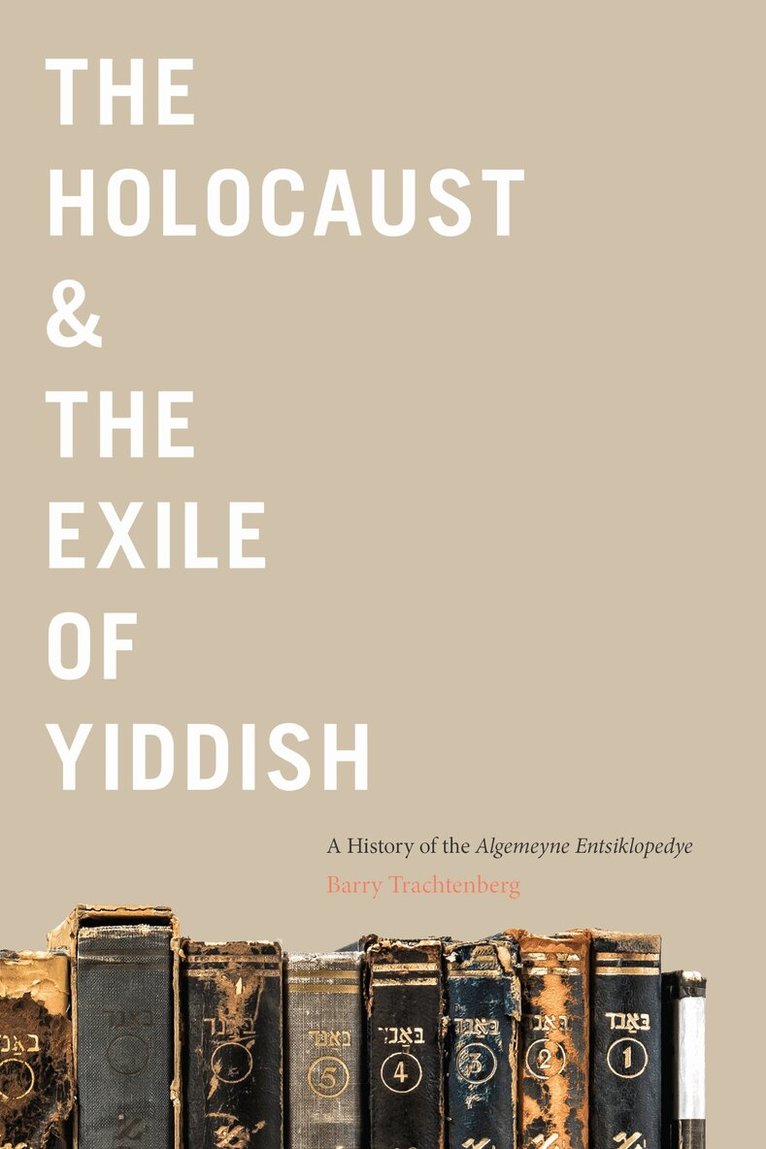
Holocaust & the Exile of Yiddish
A History of the Algemeyne Entsiklopedye
Inbunden, 2022
481 kr
Lägg i varukorg
In the early 1930s in Berlin, Germany, a group of leading Eastern European Jewish intellectuals embarked upon a project to transform the lives of millions of Yiddish-speaking Jews around the world. Their goal was to publish a popular and comprehensive Yiddish language encyclopedia of general …
Separated by Worlds
Letters from Nazi Germany to a Distant Son
Av Fiona Burdette, Grant Profant McAllister m. fl.
Häftad, 2027
359 kr
Kommande
Separated by Worlds is the family letters to Kurt Baum, provided in both the original German and in English translation. The letters recount the story of a middle-class Jewish family from Bamberg, Germany during the Nazi era. Josef and Marie Baum sent their seventeen-year-old son Kurt to begin a …
Separated by Worlds
Letters from Nazi Germany to a Distant Son
Av Fiona Burdette, Grant Profant McAllister m. fl.
Inbunden, 2027
855 kr
Kommande
Separated by Worlds is the family letters to Kurt Baum, provided in both the original German and in English translation. The letters recount the story of a middle-class Jewish family from Bamberg, Germany during the Nazi era. Josef and Marie Baum sent their seventeen-year-old son Kurt to begin a …