Bart J. Wilson – författare
Visar alla böcker från författaren Bart J. Wilson. Handla med fri frakt och snabb leverans.
12 produkter
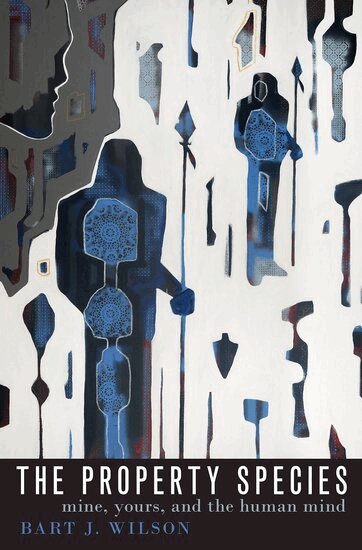
The Property Species
Mine, Yours, and the Human Mind
Inbunden, 2020
1985 kr
Lägg i varukorg
What is property, and why does our species have it? In The Property Species, Bart J. Wilson explores how humans acquire, perceive, and know the custom of property, and why this might be relevant to understanding how property works in the twenty-first century. Arguing that neither the sciences nor …
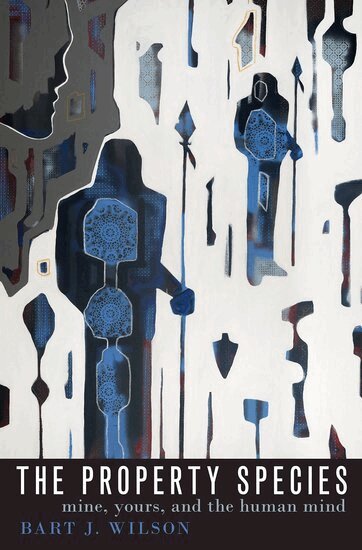
The Property Species
Mine, Yours, and the Human Mind
Häftad, 2020
488 kr
Lägg i varukorg
What is property, and why does our species have it? In The Property Species, Bart J. Wilson explores how humans acquire, perceive, and know the custom of property, and why this might be relevant to understanding how property works in the twenty-first century. Arguing that neither the sciences nor …
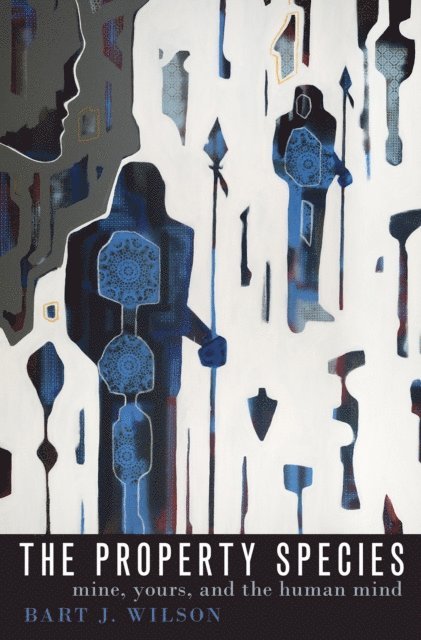
Property Species
Mine, Yours, and the Human Mind
E-bok, 2020
391 kr
Lägg i varukorg
What is property, and why does our species have it? In The Property Species , Bart J. Wilson explores how humans acquire, perceive, and know the custom of property, and why this might be relevant to understanding how property works in the twenty-first century. Arguing that neither the sciences nor …
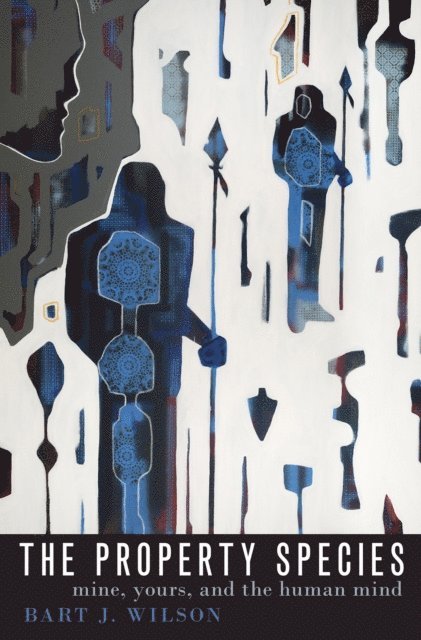
Property Species
Mine, Yours, and the Human Mind
E-bok, 2020
391 kr
Lägg i varukorg
What is property, and why does our species have it? In The Property Species , Bart J. Wilson explores how humans acquire, perceive, and know the custom of property, and why this might be relevant to understanding how property works in the twenty-first century. Arguing that neither the sciences nor …
Meaningful Economics
Making the Science of Prosperity More Human
Inbunden, 2024
1006 kr
Lägg i varukorg
Economics has a problem--the discipline cannot distinguish the causes of human action from the consequences of human action. Economists deal with matters of fact, not with feelings and morals. They model representations of optimal agents, not flesh-and-blood human beings in ordinary life. By …
Meaningful Economics
Making the Science of Prosperity More Human
Häftad, 2025
638 kr
Lägg i varukorg
Economics has a problem--the discipline cannot distinguish the causes of human action from the consequences of human action. Economists deal with matters of fact, not with feelings and morals. They model representations of optimal agents, not flesh-and-blood human beings in ordinary life. By …
Meaningful Economics
Making the Science of Prosperity More Human
E-bok, 2024
359 kr
Lägg i varukorg
Economics has a problem--the discipline cannot distinguish the causes of human action from the consequences of human action. Economists deal with matters of fact, not with feelings and morals. They model representations of optimal agents, not flesh-and-blood human beings in ordinary life. By …
Meaningful Economics
Making the Science of Prosperity More Human
E-bok, 2024
359 kr
Lägg i varukorg
Economics has a problem--the discipline cannot distinguish the causes of human action from the consequences of human action. Economists deal with matters of fact, not with feelings and morals. They model representations of optimal agents, not flesh-and-blood human beings in ordinary life. By …
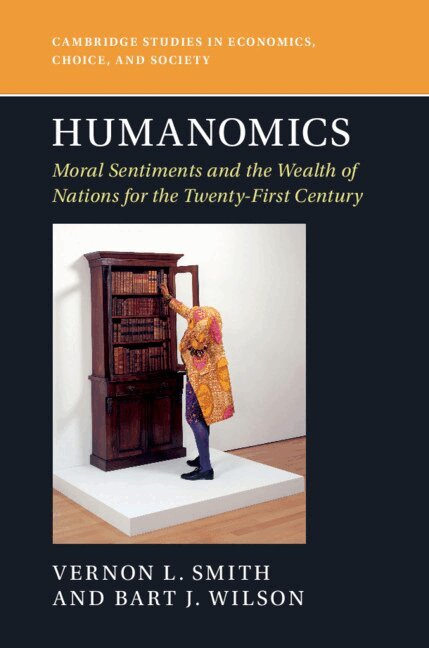
Humanomics
Moral Sentiments and the Wealth of Nations for the Twenty-First Century
Av Vernon L. Smith, Bart J. Wilson
Inbunden, 2019
1375 kr
Lägg i varukorg
While neo-classical analysis works well for studying impersonal exchange in markets, it fails to explain why people conduct themselves the way they do in their personal relationships with family, neighbors, and friends. In Humanomics, Nobel Prize-winning economist Vernon L. Smith and his long-time …
Humanomics
Moral Sentiments and the Wealth of Nations for the Twenty-First Century
Av Bart J. Wilson, Vernon L. Smith
E-bok, 2019
420 kr
Lägg i varukorg
While neo-classical analysis works well for studying impersonal exchange in markets, it fails to explain why people conduct themselves the way they do in their personal relationships with family, neighbors, and friends. In Humanomics, Nobel Prize-winning economist Vernon L. Smith and his long-time …
Humanomics
Moral Sentiments and the Wealth of Nations for the Twenty-First Century
Av Bart J. Wilson, Vernon L. Smith
E-bok, 2019
420 kr
Lägg i varukorg
While neo-classical analysis works well for studying impersonal exchange in markets, it fails to explain why people conduct themselves the way they do in their personal relationships with family, neighbors, and friends. In Humanomics, Nobel Prize-winning economist Vernon L. Smith and his long-time …
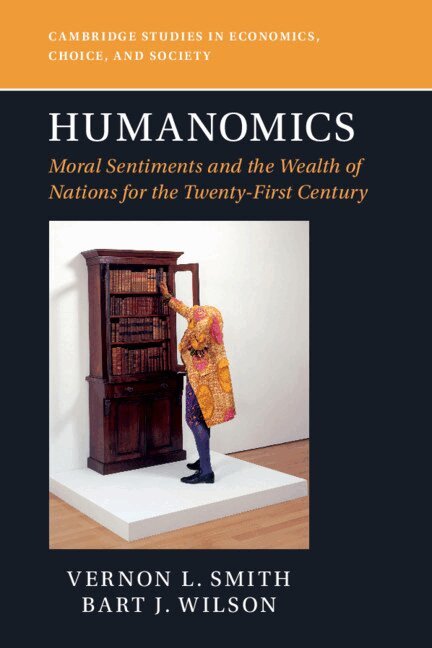
Humanomics
Moral Sentiments and the Wealth of Nations for the Twenty-First Century
Av Vernon L. Smith, Bart J. Wilson
Häftad, 2019
435 kr
Lägg i varukorg
While neo-classical analysis works well for studying impersonal exchange in markets, it fails to explain why people conduct themselves the way they do in their personal relationships with family, neighbors, and friends. In Humanomics, Nobel Prize-winning economist Vernon L. Smith and his long-time …