BARZ - Böcker
Visar alla böcker från författaren BARZ. Handla med fri frakt och snabb leverans.
3 produkter
3 produkter
1 630 kr
Skickas inom 5-8 vardagar
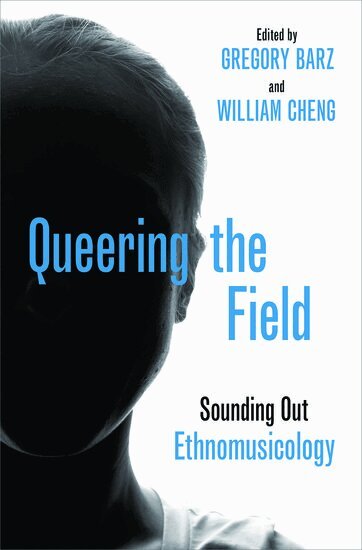
Drawing on ethnographic research and often deeply personal experiences with musical cultures, Queering the Field: Sounding out Ethnomusicology unpacks a history of sentiment that veils the treatment of queer music and identity within the field of ethnomusicology. The thematic structure of the volume reflects a deliberate cartography of queer spaces in the discipline-spaces that are strongly present due to their absence, are marked by direct sonic parameters, or are called into question by virtue of their otherness. As the first large-scale study of ethnomusicology's queer silences and queer identity politics, Queering the Field directly addresses the normativities currently at play in musical ethnography (fieldwork, analysis, performance, transcription) as well as in the practice of musical ethnographers (identification, participation, disclosure, observation, authority). While rooted in strong narrative convictions, the authors frequently adopt radicalized voices with the goal of queering a hierarchical sexual binary. The essays in the volume present rhetorical and syntactical scenarios that challenge us to read in prescient singular ways for future queer writing and queer thought in ethnomusicology.
491 kr
Skickas inom 5-8 vardagar
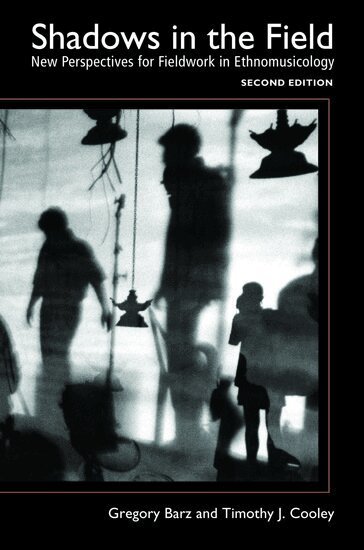
Ethnomusicological fieldwork has significantly changed since the end of the the 20th century. Ethnomusicology is in a critical moment that requires new perspecitves on fieldwork - perspectives that are not addressed in the standard guides to ethnomusicological or anthropological method. The focus in ethnomusicological writing and teaching has traditionally centered around analyses and ethnographic representations of musical cultures, rather than on the personal world of understanding, experience, knowing, and doing fieldwork. Shadows in the Field deliberately shift the focus of ethnomusicology and of ethnography in general from representation (text) to experience (fieldwork). The "new fieldwork" moves beyond mere data collection and has become a defining characteristic of ethnomusicology that engages the scholar in meaningful human contexts. In this new edition of Shadows in the Field, renowned ethnomusicologists explore the roles they themselves act out while performing fieldwork and pose significant questions for the field: What are the new directions in ethnomusicological fieldwork? Where does fieldwork of "the past" fit into these theories? And above all, what do we see when we acknowledge the shadows we cast in the field? The second edition of Shadows in the Field includes updates of all existing chapters, a new preface by Bruno Nettl, and seven new chapters addressing critical issues and concerns that have become increasingly relevant since the first edition.
1 307 kr
Skickas inom 5-8 vardagar
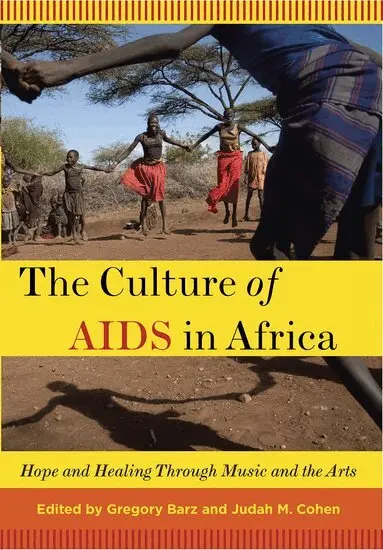
The Culture of AIDS in Africa enters into the many worlds of expression brought forth across this vast continent by the ravaging presence of HIV/AIDS. Africans and non-Africans, physicians and social scientists, journalists and documentarians share here a common and essential interest in understanding creative expression in crushing and uncertain times. They investigate and engage the social networks, power relationships, and cultural structures that enable the arts to convey messages of hope and healing, and of knowledge and good counsel to the wider community. And from Africa to the wider world, they bring intimate, inspiring portraits of the performers, artists, communities, and organizations that have shared with them their insights and the sense they have made of their lives and actions from deep within this devastating epidemic.Covering the wide expanse of the African continent, the 30 chapters include explorations of, for example, the use of music to cope with AIDS; the relationship between music, HIV/AIDS, and social change; visual approaches to HIV literacy; radio and television as tools for "edutainment;" several individual artists' confrontations with HIV/AIDS; various performance groups' response to the epidemic; combating HIV/AIDS with local cultural performance; and more. Source material, such as song lyrics and interviews, weaves throughout the collection, and contributions by editors Gregory Baz and Judah Cohen bookend the whole, to bring together a vast array of perspectives and sources into a nuanced and profoundly affective portrayal of the intricate relationship between HIV/AIDS and the arts in Africa.