B.B. Manly – författare
Visar alla böcker från författaren B.B. Manly. Handla med fri frakt och snabb leverans.
3 produkter
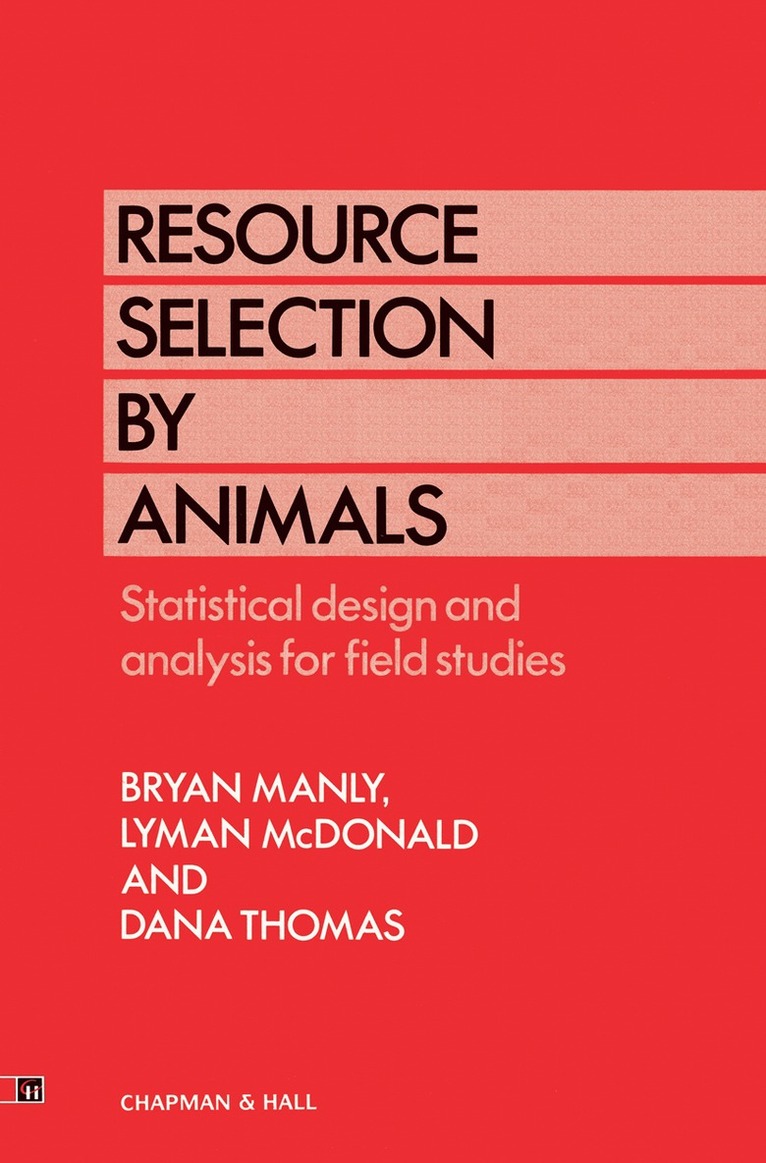
Resource Selection by Animals
Statistical design and analysis for field studies
Av B.B. Manly, L. McDonald m. fl.
Inbunden, 1992
1643 kr
Lägg i varukorg
The current literature on resource selection by animals is a maze of methodologies for data collection and interpretation. Field biologists are crying out for a guide through the labyrinth. This book aims to provide such a guide. It aims to give a clear and consistent framework for the study of how …
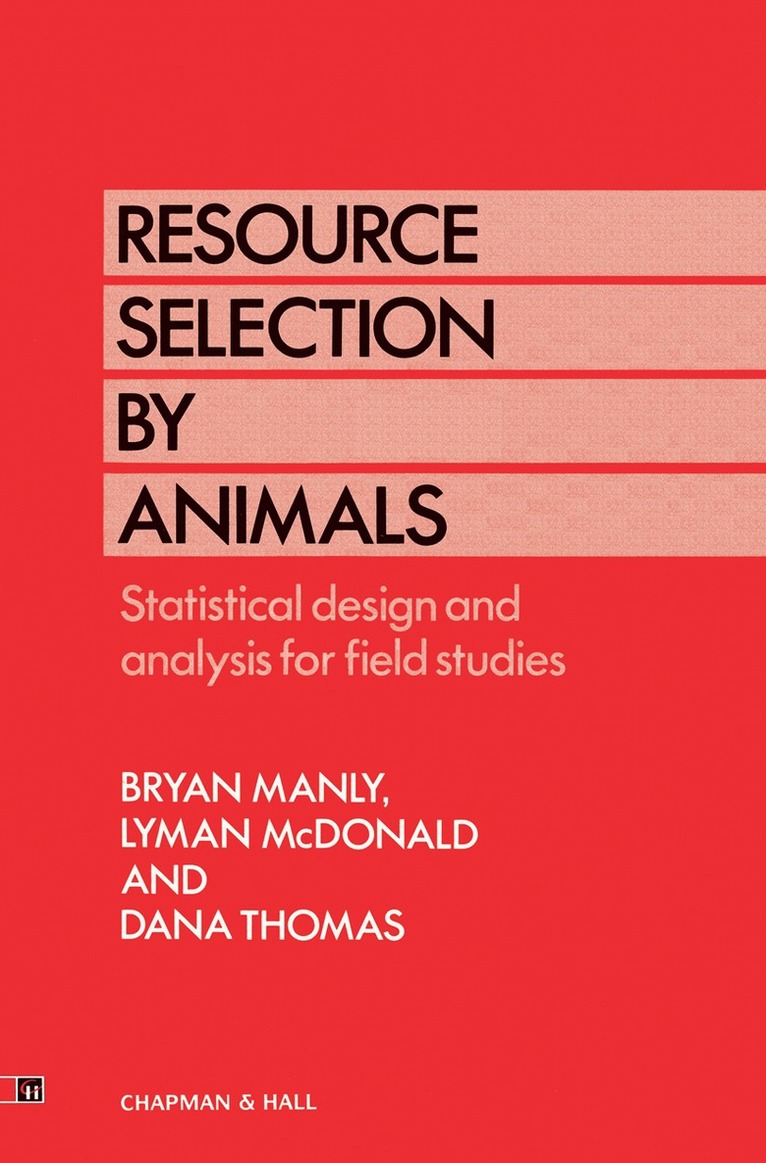
Resource Selection by Animals
Statistical design and analysis for field studies
Av B.B. Manly, L. McDonald m. fl.
Häftad, 2013
1643 kr
Lägg i varukorg
We have written this book as a guide to the design and analysis of field studies of resource selection, concentrating primarily on statistical aspects of the comparison of the use and availability of resources of different types. Our in tended audience is field ecologists in general and wildlife …
Resource Selection by Animals
Statistical design and analysis for field studies
Av D.L. Thomas, L. McDonald m. fl.
E-bok, 2012
2111 kr
Lägg i varukorg
We have written this book as a guide to the design and analysis of field studies of resource selection, concentrating primarily on statistical aspects of the comparison of the use and availability of resources of different types. Our in tended audience is field ecologists in general and wildlife …