Beatrice Longuenesse – författare
Visar alla böcker från författaren Beatrice Longuenesse. Handla med fri frakt och snabb leverans.
13 produkter
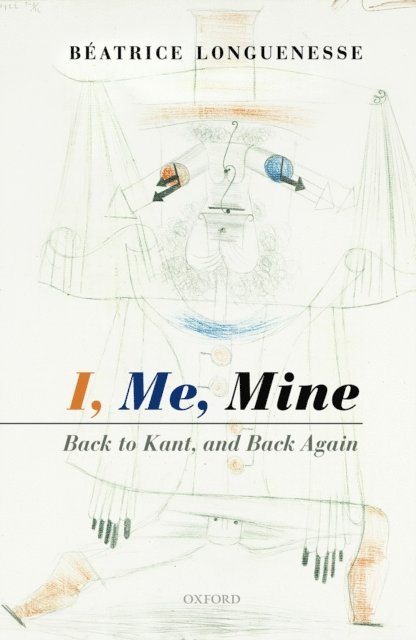
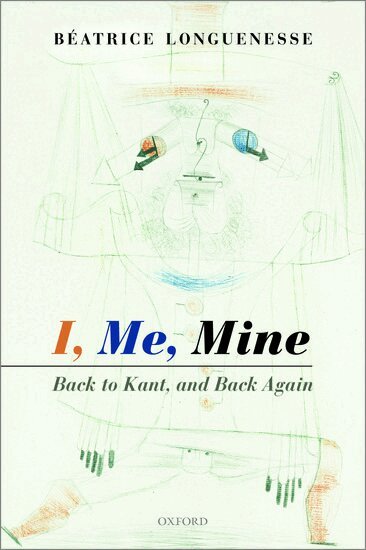
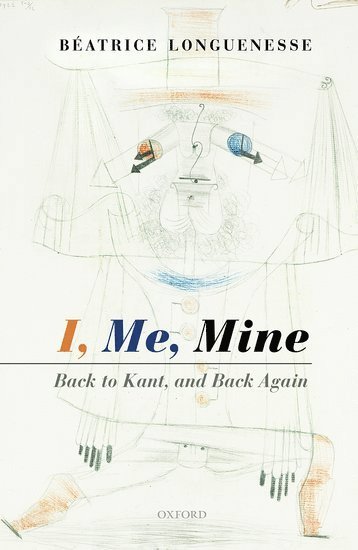
I, Me, Mine
Back to Kant, and Back Again
E-bok, 2016
385 kr
Lägg i varukorg
Béatrice Longuenesse presents an original exploration of our understanding of ourselves and the way we talk about ourselves. In the first part of the book she discusses contemporary analyses of our use of ''I'' in language and thought, and compares them to Kant''s account of self-consciousness, …
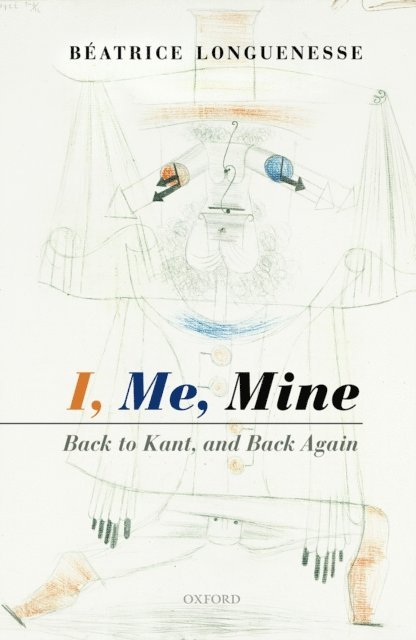
I, Me, Mine
Back to Kant, and Back Again
E-bok, 2017
385 kr
Lägg i varukorg
Béatrice Longuenesse presents an original exploration of our understanding of ourselves and the way we talk about ourselves. In the first part of the book she discusses contemporary analyses of our use of ''I'' in language and thought, and compares them to Kant''s account of self-consciousness, …
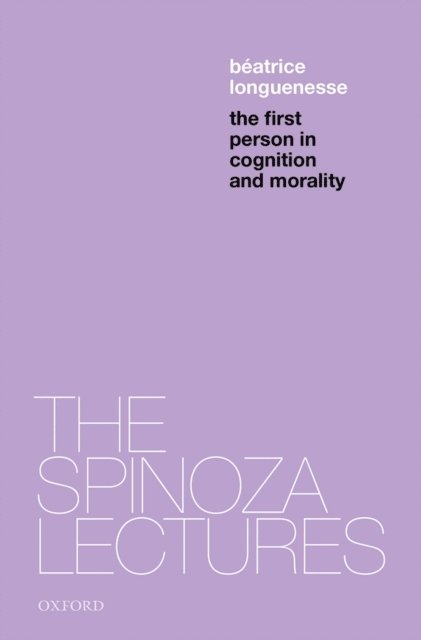
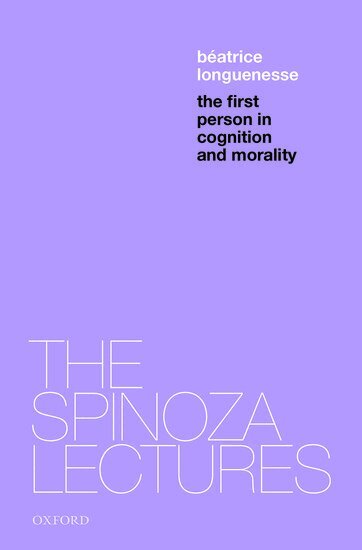
First Person in Cognition and Morality
E-bok, 2019
147 kr
Lägg i varukorg
What do we express when we use the first-person pronoun ''I'' in phrases such as ''I think'' or ''I ought to''? Do we refer to ourselves as biologically unique, socially determined individuals? Or do we express a consciousness of ourselves as the bearers of thoughts we share, or can share, with all …
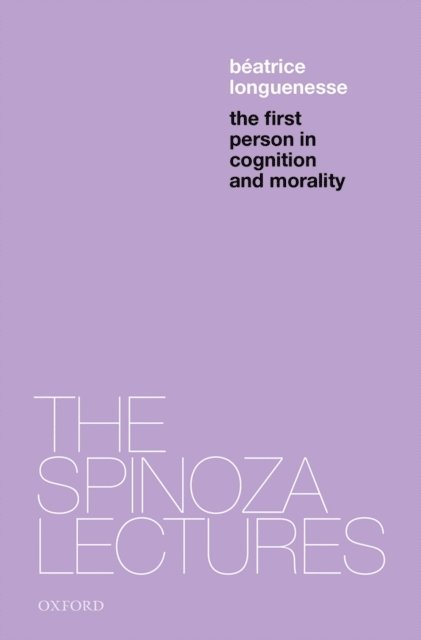
First Person in Cognition and Morality
E-bok, 2019
147 kr
Lägg i varukorg
What do we express when we use the first-person pronoun ''I'' in phrases such as ''I think'' or ''I ought to''? Do we refer to ourselves as biologically unique, socially determined individuals? Or do we express a consciousness of ourselves as the bearers of thoughts we share, or can share, with all …
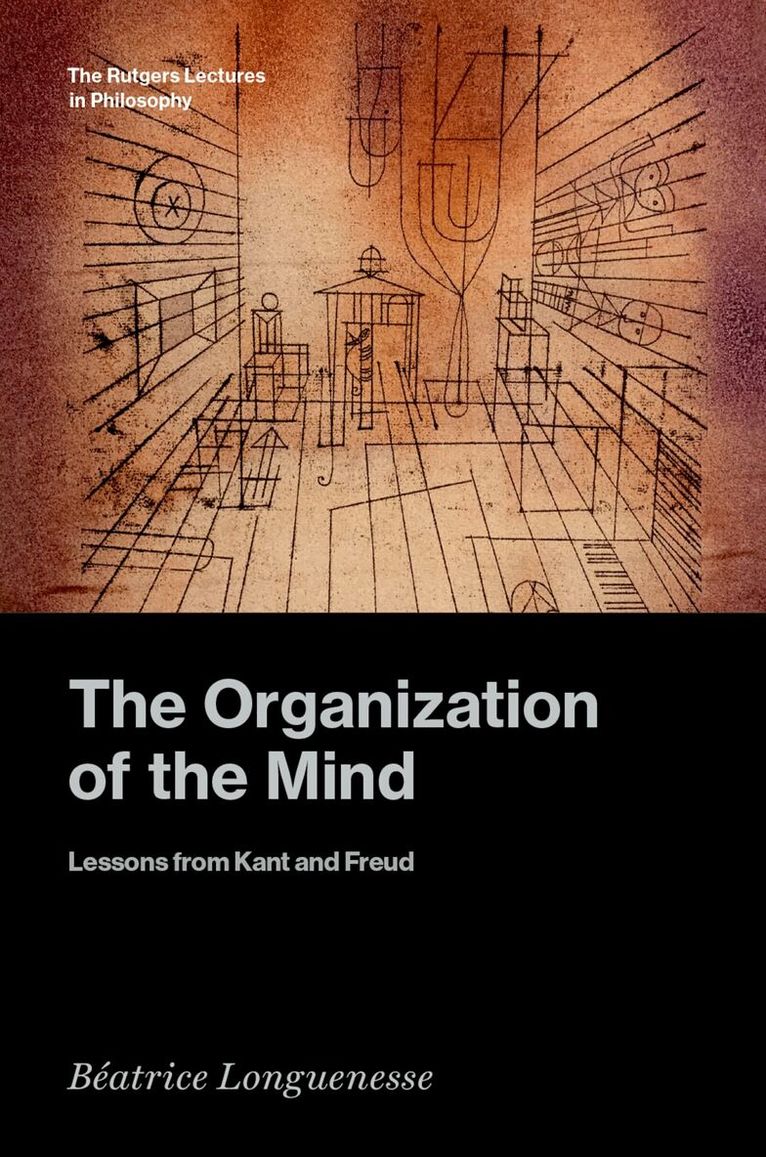
The Organization of the Mind
Lessons from Kant and Freud
Inbunden, 2026
282 kr
Lägg i varukorg
As a prominent figure of the 18th century Enlightenment, Kant advocated faith in reason and in the possibility of human progress through the development of human beings' rational capacities. In contrast, as the founder of 20th century psychoanalysis, Freud revealed that rationality itself is rooted …
Organization of the Mind
Lessons from Kant and Freud
E-bok, 2025
272 kr
Lägg i varukorg
As a prominent figure of the 18th century Enlightenment, Kant advocated faith in reason and in the possibility of human progress through the development of human beings'' rational capacities. In contrast, as the founder of 20th century psychoanalysis, Freud revealed that rationality itself is …
I, Me, Mine
Back to Kant, and Back Again
Häftad, 2019
435 kr
Lägg i varukorg
Béatrice Longuenesse presents an original exploration of our understanding of ourselves and the way we talk about ourselves. In the first part of the book she discusses contemporary analyses of our use of 'I' in language and thought, and compares them to Kant's account of self-consciousness, …
The First Person in Cognition and Morality
Häftad, 2019
259 kr
Lägg i varukorg
What do we express when we use the first-person pronoun 'I' in phrases such as 'I think' or 'I ought to'? Do we refer to ourselves as biologically unique, socially determined individuals? Or do we express a consciousness of ourselves as the bearers of thoughts we share, or can share, with all other …
I, Me, Mine
Back to Kant, and Back Again
Inbunden, 2017
1115 kr
Lägg i varukorg
Béatrice Longuenesse presents an original exploration of our understanding of ourselves and the way we talk about ourselves. In the first part of the book she discusses contemporary analyses of our use of 'I' in language and thought, and compares them to Kant's account of self-consciousness, …
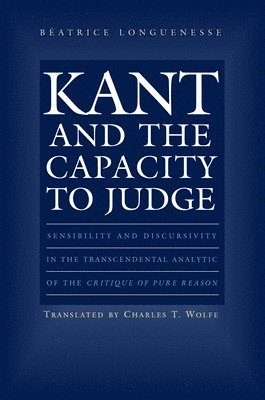
Kant and the Capacity to Judge
Sensibility and Discursivity in the Transcendental Analytic of the Critique of Pure Reason
Häftad, 2001
619 kr
Lägg i varukorg
Kant claims to have established his table of categories or "pure concepts of the understanding" according to the "guiding thread" provided by logical forms of judgment. By drawing extensively on Kant's logical writings, Beatrice Longuenesse analyzes this controversial claim, and then follows the …
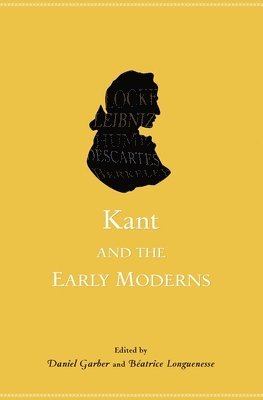
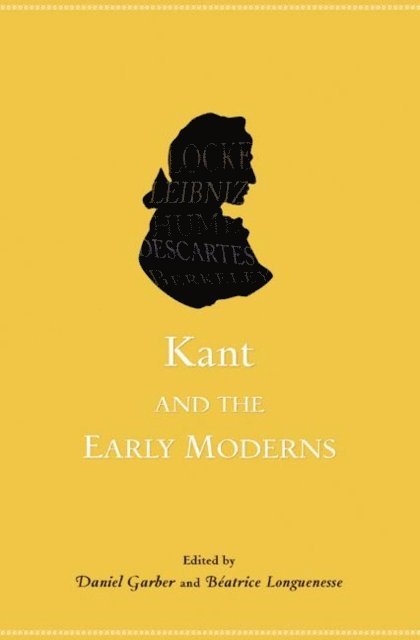
Kant and the Early Moderns
Av Daniel Garber, Béatrice Longuenesse
Häftad, 2008
925 kr
Lägg i varukorg
For the past 200 years, Kant has acted as a lens--sometimes a distorting lens--between historians of philosophy and early modern intellectual history. Kant's writings about Descartes, Leibniz, Locke, Berkeley, and Hume have been so influential that it has often been difficult to see these …
Kant and the Capacity to Judge
Sensibility and Discursivity in the Transcendental Analytic of the Critique of Pure Reason
E-bok, 2020
856 kr
Lägg i varukorg
Kant claims to have established his table of categories or "pure concepts of the understanding" according to the "guiding thread" provided by logical forms of judgment. By drawing extensively on Kant''s logical writings, Béatrice Longuenesse analyzes this controversial claim, and then follows the …
Kant and the Early Moderns
Av Beatrice Longuenesse, Daniel Garber
E-bok, 2008
685 kr
Lägg i varukorg
For the past 200 years, Kant has acted as a lens--sometimes a distorting lens--between historians of philosophy and early modern intellectual history. Kant''s writings about Descartes, Leibniz, Locke, Berkeley, and Hume have been so influential that it has often been difficult to see these …