Beatrix Hauser - Böcker
Visar alla böcker från författaren Beatrix Hauser. Handla med fri frakt och snabb leverans.
3 produkter
3 produkter
1 366 kr
Skickas inom 10-15 vardagar
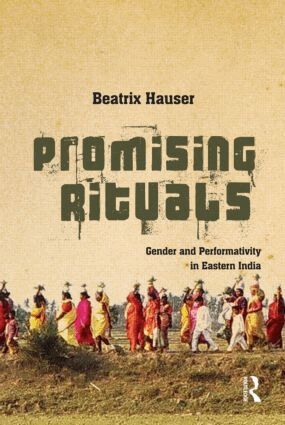
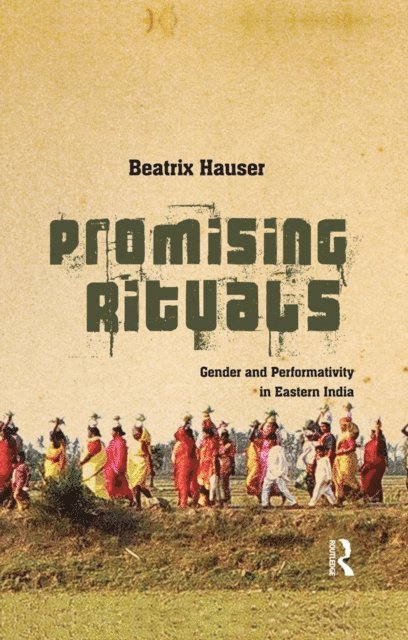
This book shows how the performance of rituals influences the understanding that Hindu women form of their own selves, their sense of femininity, identity as well as their role and position in the lived-in world, and vice versa. Drawn from an intensive ethnographic fieldwork in southern Orissa, each section of the book takes a close look at a specific ritual practice, in exploring concepts such as purity/pollution, religious observances (such as fasting), deity possession, associated beliefs and attitudes, as also celebrated traditions such as Thākurānī Yātrā, local processions, and the role of female ritual specialists. The study uses the premise that religious practices in themselves are neither restricting nor liberating; rather rituals provide a perceptual context with the ability to affect the self-understanding of participants, as also their conception of agency, in a way that spills across non-ritual spheres. Conceptualizing gender identity as resulting from seen, but mostly unnoticed, everyday activities and approaching cultural performances as sites of collectively defining the self, the author offers a telling and vivid account of how women perceive, realize and reflect on religious ideas, while engaging in rituals and, by doing so, negotiate complex gender norms. The book also examines the assumptions of recent theories on the social construction of identities, often-debated impact of religion on women, performativity, self-identity, and ritual agency in considering ‘doing’ gender in a traditional, non-Western context. This book will serve as essential reading for scholars of sociology, anthropology, gender studies, cultural studies, history, religion, performance, and folklore studies.
496 kr
Skickas inom 10-15 vardagar
This book shows how the performance of rituals influences the understanding that Hindu women form of their own selves, their sense of femininity, identity as well as their role and position in the lived-in world, and vice versa. Drawn from an intensive ethnographic fieldwork in southern Orissa, each section of the book takes a close look at a specific ritual practice, in exploring concepts such as purity/pollution, religious observances (such as fasting), deity possession, associated beliefs and attitudes, as also celebrated traditions such as Thākurānī Yātrā, local processions, and the role of female ritual specialists. The study uses the premise that religious practices in themselves are neither restricting nor liberating; rather rituals provide a perceptual context with the ability to affect the self-understanding of participants, as also their conception of agency, in a way that spills across non-ritual spheres. Conceptualizing gender identity as resulting from seen, but mostly unnoticed, everyday activities and approaching cultural performances as sites of collectively defining the self, the author offers a telling and vivid account of how women perceive, realize and reflect on religious ideas, while engaging in rituals and, by doing so, negotiate complex gender norms. The book also examines the assumptions of recent theories on the social construction of identities, often-debated impact of religion on women, performativity, self-identity, and ritual agency in considering ‘doing’ gender in a traditional, non-Western context. This book will serve as essential reading for scholars of sociology, anthropology, gender studies, cultural studies, history, religion, performance, and folklore studies.
587 kr
Skickas inom 10-15 vardagar
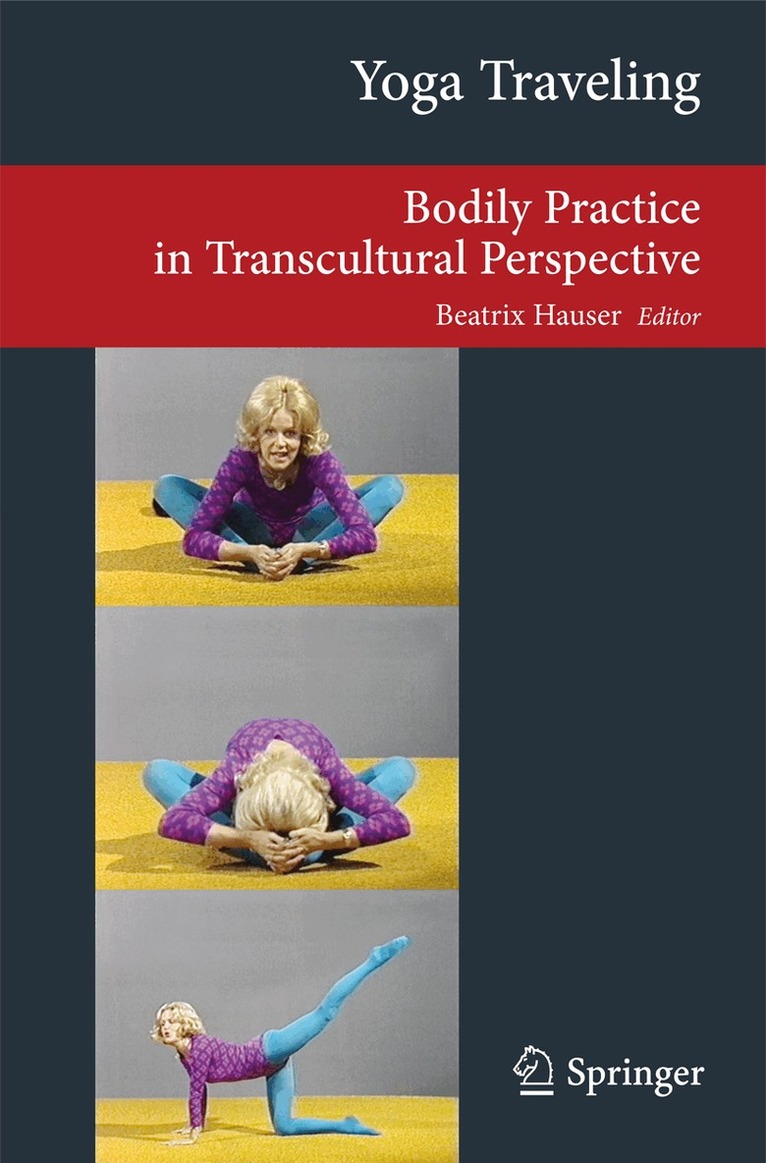
This book focuses on yoga’s transcultural dissemination in the twentieth and twenty-first centuries. In the course of this process, the term “yoga” has been associated with various distinctive blends of mental and physical exercises performed in order to achieve some sort of improvement, whether understood in terms of esotericism, fitness, self-actualization, body aesthetics, or health care. The essays in this volume explore some of the turning points in yoga’s historico-spatial evolution and their relevance to its current appeal. The authors focus on central motivations, sites, and agents in the spread of posture-based yoga as well as on its successive (re-)interpretation and diversification, addressing questions such as: Why has yoga taken its various forms? How do time and place influence its meanings, social roles, and associated experiences? How does the transfer into new settings affect the ways in which yogic practice has been conceptualized as a system, and on what basis is it still identified as (Indian) yoga? The initial section of the volume concentrates on the re-evaluation of yoga in Indian and Western settings in the first half of the twentieth century. The following chapters link global discourses to particular local settings and explore meaning production at the micro-social level, taking Germany as the focal site. The final part of the book focuses on yoga advertising and consumption across national, social, and discursive boundaries, taking a closer look at transnational and deterritorialized yoga markets, as well as at various classes of mobile yoga practitioners.