Benda Hofmeyr - Böcker
Visar alla böcker från författaren Benda Hofmeyr. Handla med fri frakt och snabb leverans.
3 produkter
3 produkter
1 062 kr
Skickas inom 10-15 vardagar
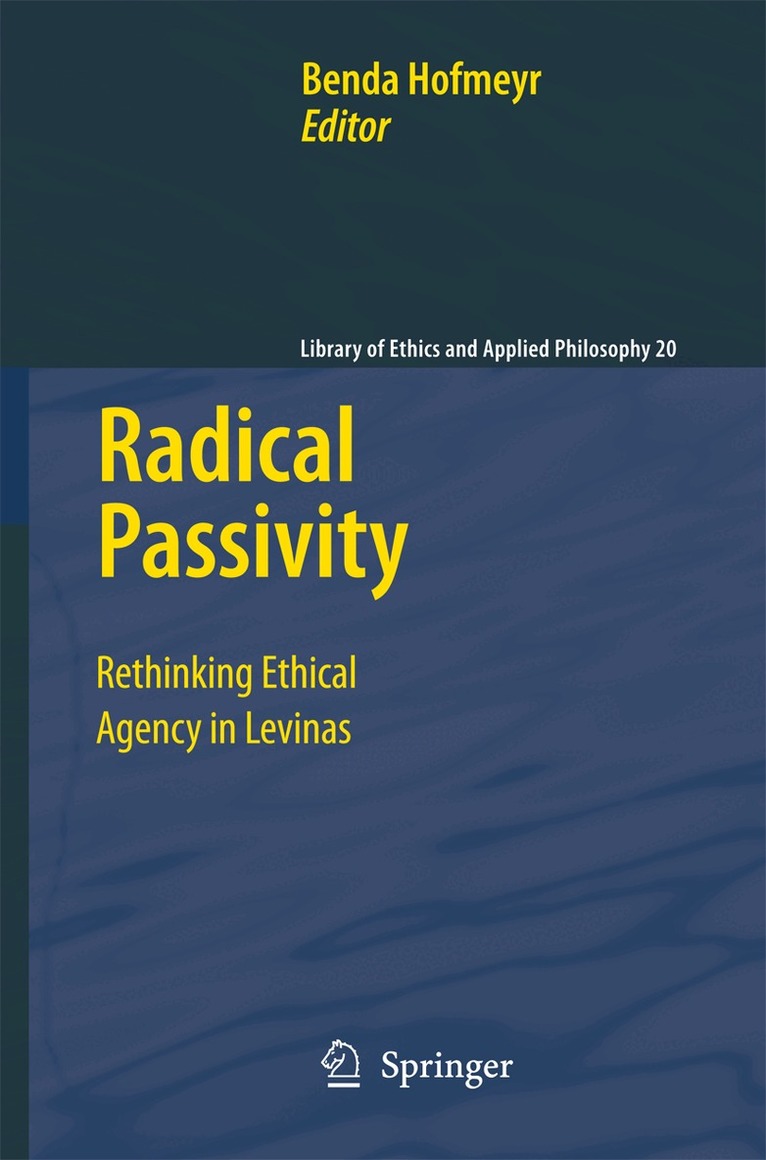
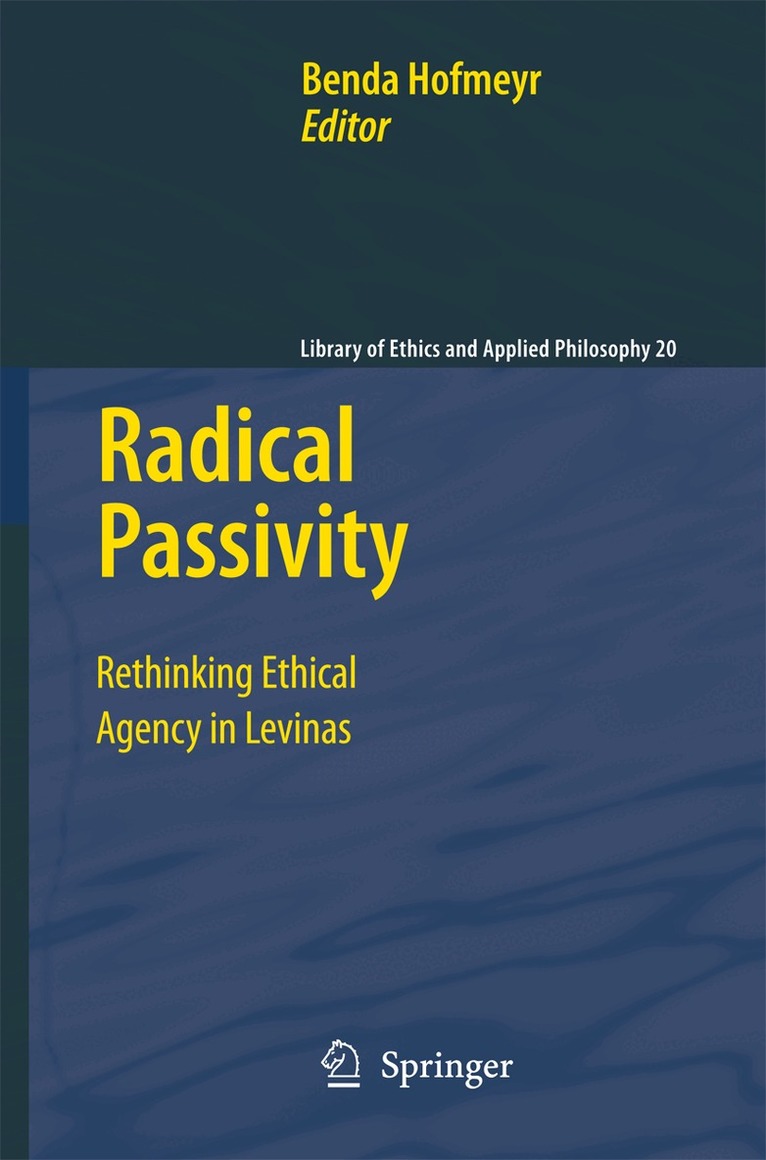
Levinas’s ethical metaphysics is essentially a meditation on what makes ethical agency possible – that which enables us to act in the interest of another, to put the well-being of another before our own. This line of questioning found its inception in and drew its inspiration from the mass atrocities that occurred during the Second World War. The Holocaust , like the Cambodian genocide, or those in Rwanda and Srebrenica, exemplifies what have come to be known as the ‘never again’ situations. After these events, we looked back each time, with varying degrees of incomprehension, horror, anger and shame, asking ourselves how we could possibly have let it all happen again. And yet, atrocity crimes are still rampant. After Rwanda (1994) and Bosnia-Herzegovina (1992–1995), came Kosovo (1999) and Darfur (2003). In our present-day world , hate crimes motivated by racial, sexual, or other prejudice, and mass hate such as genocide and terror, are on the rise (think, for example, of Burma, Zimbabwe, Sri Lanka and North Korea). A critical revaluation of the conditions of possibility of ethical agency is therefore more necessary than ever. This volume is committed to the possibility of ‘never again’. It is dedicated to all the victims – living and dead – of what Levinas calls the ‘sober, Cain-like coldness’ at the root of all crime against humanity , as much as every singular crime against another human being .
1 142 kr
Skickas inom 10-15 vardagar
Using empirical research, this book critically analyses the dynamics, culture and forms of subjectivity of neo-liberalism. It draws upon existing historical, sociological and cultural studies to excavate the geneaology of the capitalist subject with specific emphasis on the neo-liberal govern-mental context of the last four decades. Michel Foucault’s notion of governmentality, which he developed in his Collège de France lectures of 1978 and 1979, is employed as an hermeneutic key to historically situate and critically analyse the regimes of subject-formation characteristic of neo-liberal capitalism. The current crisis in capitalism is surveyed, along with earlier forms of capitalism, and the transition in power from discipline to control is explored. The study concludes by tracing the changing face of Homo Economicus in relation to resistance levelled against neo-liberal capitalism and the resultant metamorphises it has undergone.Drawing upon political philosophy and political economy, Benda Hofmeyr presents a comprehensive Foucaultian analysis and historical contextualisation of the rise of neo-liberal governmentality.
1 062 kr
Skickas inom 10-15 vardagar
Levinas’s ethical metaphysics is essentially a meditation on what makes ethical agency possible – that which enables us to act in the interest of another, to put the well-being of another before our own. This line of questioning found its inception in and drew its inspiration from the mass atrocities that occurred during the Second World War. The Holocaust , like the Cambodian genocide, or those in Rwanda and Srebrenica, exemplifies what have come to be known as the ‘never again’ situations. After these events, we looked back each time, with varying degrees of incomprehension, horror, anger and shame, asking ourselves how we could possibly have let it all happen again. And yet, atrocity crimes are still rampant. After Rwanda (1994) and Bosnia-Herzegovina (1992–1995), came Kosovo (1999) and Darfur (2003). In our present-day world , hate crimes motivated by racial, sexual, or other prejudice, and mass hate such as genocide and terror, are on the rise (think, for example, of Burma, Zimbabwe, Sri Lanka and North Korea). A critical revaluation of the conditions of possibility of ethical agency is therefore more necessary than ever. This volume is committed to the possibility of ‘never again’. It is dedicated to all the victims – living and dead – of what Levinas calls the ‘sober, Cain-like coldness’ at the root of all crime against humanity , as much as every singular crime against another human being .