Bengt Ankarloo - Böcker
Visar alla böcker från författaren Bengt Ankarloo. Handla med fri frakt och snabb leverans.
12 produkter
12 produkter
464 kr
Skickas inom 3-6 vardagar
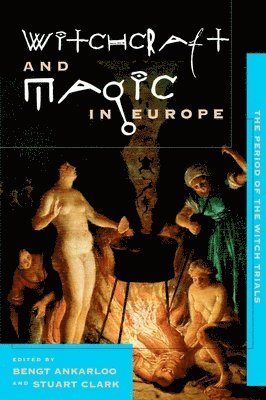
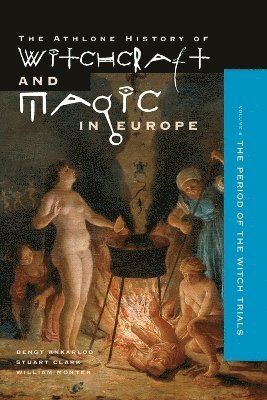
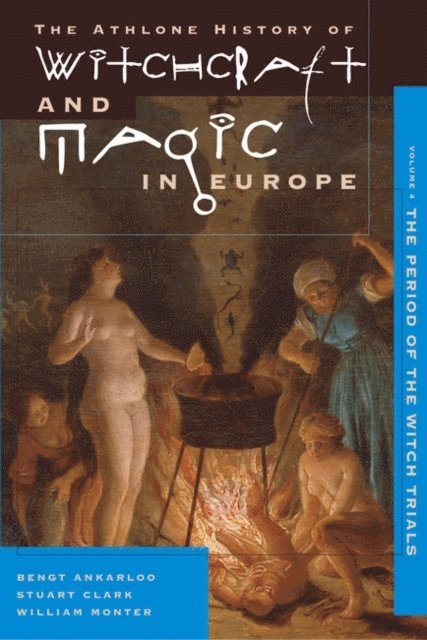
Each volume in the series Witchcraft and Magic in Europe combines the traditional approaches of political, legal, and social historians with a critical synthesis of cultural anthropology, historical psychology, and gender studies. The series, complete in six volumes, provides a modern, scholarly survey of the supernatural beliefs of Europeans from ancient times to the present day. Most European prosecutions for the crime of witchcraft occurred between the fifteenth and seventeenth centuries, with the peak coming in the hundred years after 1560. This volume brings together the large amount of recent scholarship on witchcraft of this period and provides a novel analysis of the trials by considering the legal systems involved. Witch hunts, methods of torture, and the scientific interest in magic spells and demonology as an intellectual pursuit are also covered in detail.
2 803 kr
Skickas inom 5-8 vardagar
Between the age of St. Augustine and the sixteenth century reformations magic continued to be both a matter of popular practice and of learned inquiry. This volume deals with its use in such contexts as healing and divination and as an aspect of the knowledge of nature's occult virtues and secrets.
2 803 kr
Skickas inom 5-8 vardagar
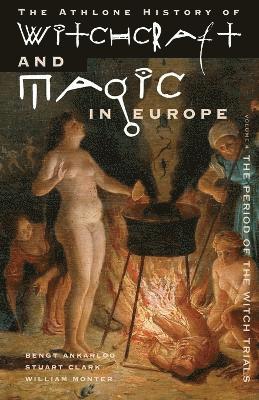
The 15th to 18th centuries were a period of witchcraft prosecutions throughout Europe. This volume attempst to summarise the history of the trials in a new way - according to the types of legal systems involved. It also examines the continued practical use made of magic, the elaboration of demonological theories about witchcraft and magic, and the further development of scientific interests in natural magic through the 'Neoplatonic' and 'Hermetic' period. Amongst the topics included here are superstition and belief in high and popular culture, the place of medicine, witchcraft survivals in art and literature, and the survival of persecution.
1 564 kr
Skickas inom 5-8 vardagar
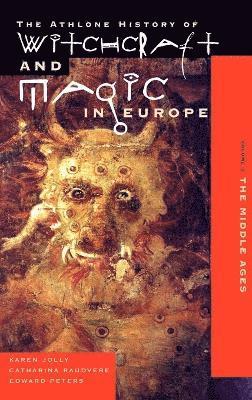
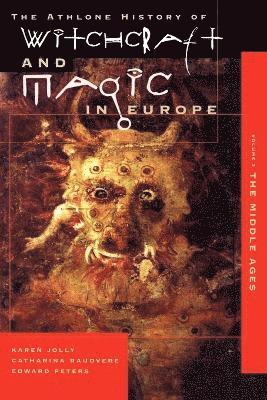
This series looks at the history of witchcraft and magic in Europe from the earliest times to the present day. This volume looks at the Middle Ages.
1 176 kr
Skickas inom 5-8 vardagar
The fifteenth to eighteenth centuries was a period of witchcraft prosecutions throughout Europe and modern scholars have now devoted a huge amount of research to these episodes. This volume will attempt to bring this work together by summarising the history of the trials in a new way - according to the types of legal systems involved. Other topics covered will be the continued practical use made of magic, the elaboration of demonological theories about witchcraft and magic, and the further development of scientific interests in natural magic through the 'Neoplatonic' and 'Hermetic' period.Amongst the topics included here are Superstition and Belief in high and popular culture, the place of Medicine, Witchcraft survivals in art and literature, and the survival of Persecution.
628 kr
Skickas inom 3-6 vardagar
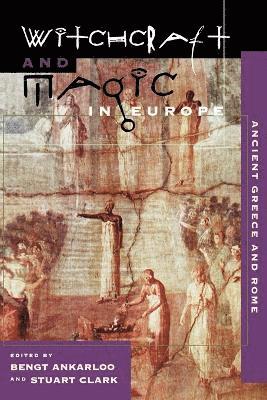
Selected by Choice magazine as an Outstanding Academic Book for 2000 The roots of European witchcraft and magic lie in Hebrew and other ancient Near Eastern cultures and in the Celtic, Nordic, and Germanic traditions of the Continent. For two millennia, European folklore and ritual have been imbued with the belief in the supernatural, yielding a rich trove of histories and images. The six volumes in the series Witchcraft and Magic in Europe combine traditional approaches of political, legal, and social historians with critical syntheses of cultural anthropology, historical psychology, and gender studies. The series provides a modern, scholarly survey of the supernatural beliefs of Europeans from ancient times to the present day. Each volume contains the work of distinguished scholars chosen for their expertise in a particular era or region. The chronological scope of this volume ranges from the heroic age of Homer's Greek East to the time of the rise of Christianity, a period of well over a thousand years.In this long millennium the political and cultural landscapes of the Mediterranean basin underwent significant changes, as competing creeds and denominations rose to the fore, and often accused each other of sorcery. Other volumes in the series Witchcraft and Magic in Europe: Biblical and Pagan Societies The Middle Ages The Period of the Witch Trials The Eighteenth and Nineteenth Centuries The Twentieth Century
Witchcraft and Magic in Europe, Volume 5: The Eighteenth and Nineteenth Centuries
Häftad, Engelska, 1999
519 kr
Skickas inom 3-6 vardagar
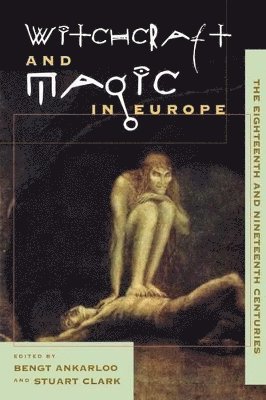
The roots of European witchcraft and magic lie in Hebrew and other ancient Near Eastern cultures and in the Celtic, Nordic, and Germanic traditions of the Continent. For two millennia, European folklore and ritual have been imbued with the belief in the supernatural, yielding a rich trove of histories and images. A series that combines traditional approaches of political, legal, and social historians with critical syntheses of cultural anthropology, historical psychology, and gender studies, Witchcraft and Magic in Europe provides a modern, scholarly survey of the supernatural beliefs of Europeans from ancient times to the present day. Each of the six volumes in the series contains the work of distinguished scholars chosen for their expertise in a particular era or region. The eighteenth century saw the end of witch trials everywhere. The authors chart the process of and reasons for the decriminalization of witchcraft, but also challenge the widespread assumption that Europe then became "disenchanted."Here for the first time are surveys of the social role of witchcraft in European communities, as well as a full treatment of Victorian supernaturalism and of the continued importance of witchcraft and magic as topics of debate among intellectuals and other writers. Other volumes in the series Witchcraft and Magic in Europe: Ancient Greece and Rome The Twentieth Century Biblical and Pagan Societies The Middle Ages The Period of the Witch Trials
464 kr
Skickas inom 3-6 vardagar
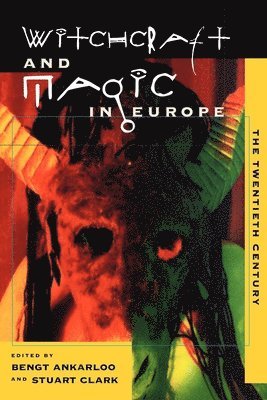
The roots of European witchcraft and magic lie in Hebrew and other ancient Near Eastern cultures and in the Celtic, Nordic, and Germanic traditions of the Continent. For two millennia, European folklore and ritual have been imbued with the belief in the supernatural, yielding a rich trove of histories and images. A series that combines traditional approaches of political, legal, and social historians with critical syntheses of cultural anthropology, historical psychology, and gender studies, Witchcraft and Magic in Europe provides a modern, scholarly survey of the supernatural beliefs of Europeans from ancient times to the present day. Each of the six volumes in the series contains the work of distinguished scholars chosen for their expertise in a particular era or region. Witchcraft today continues to play a role in European societies and imaginations. This concluding volume includes a major new history of the origins and development of English "Wicca" and an account of the circumstances in which the term 'Satanist' has been used to label individuals or groups. The widespread prevalence of such phenomena proves the contemporary reality of beliefs in witchcraft and its threats.Other volumes in the series Witchcraft and Magic in Europe: Ancient Greece and Rome The Eighteenth and Nineteenth Centuries Biblical and Pagan Societies The Middle Ages The Period of the Witch Trials
409 kr
Skickas inom 3-6 vardagar
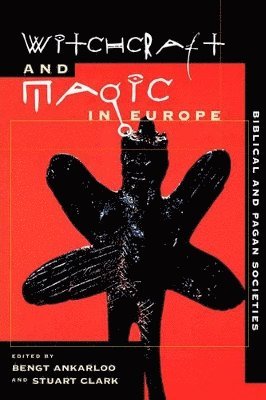
In the ancient Near East, the art of influencing the natural course of events by means of spells and other ritual forms was universal. The social and political role of magic is apparent, too, in the competition to achieve precedence over rival systems of ritual practice and belief. Within a region filled with petty kingdoms competing for power, the Jews of ancient Palestine maintained control over adherents by developing distinct ritual practices and condemning as heretical those of nearby cults. Texts from Mesopotamia reveal a striking number of incantations, rituals, and medical recipes against witchcraft, attesting to a profound fear of being bewitched. Magical rituals were also used to maintain harmony between the human and divine realms. The roots of European witchcraft and magic lie in Hebrew and other ancient Near Eastern cultures and in the Celtic, Nordic, and Germanic traditions of the continent. For two millennia, European folklore and ritual have been imbued with the belief in the supernatural, yielding a rich trove of histories and images.Witchcraft and Magic in Europe combines the traditional approaches of political, legal, and social historians with a critical synthesis of cultural anthropology, historical psychology, and gender studies. The series, complete in six volumes, provides a modern, scholarly survey of the supernatural beliefs of Europeans from ancient times to the present day. Each volume of this ambitious six-volume series contains the work of distinguished scholars chosen for their expertise in a particular era or region.
519 kr
Skickas inom 3-6 vardagar
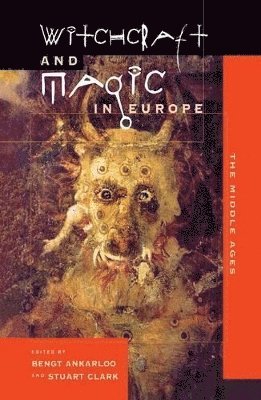
During the Middle Ages a shared European concept of magic emerged. In the early period, pagan beliefs and practices were absorbed into everyday culture, including the rituals of the Church. The rise of the practice of "white magic" in the twelfth century became so popular that it caused a widespread determination in the Church to condemn any unsanctioned beliefs or practices. The Church and state, both centralized powers in a decentralized Europe, gradually sharpened their attitude toward magic in general, and sorcery and witchcraft in particular, paving the way for the violent outbreaks of witch persecutions in early modern Europe. Witchcraft and Magic in Europe combines the traditional approaches of political, legal, and social historians with a critical synthesis of cultural anthropology, historical psychology, and gender studies. The series, complete in six volumes, provides a modern, scholarly survey of the supernatural beliefs of Europeans from ancient times to the present day. Each volume of this ambitious six-volume series contains the work of distinguished scholars chosen for their expertise in a particular era or region.
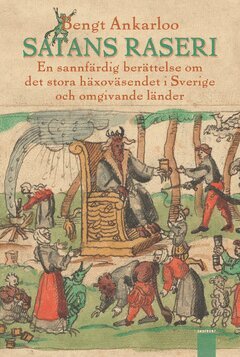
Satans raseri : en sannfärdig berättelse om det stora häxoväsendet i Sverige och omgivande länder
Häftad, Svenska, 2010
226 kr
Skickas inom 5-8 vardagar
Bengt Ankarloo är en av världens främsta häxforskare och ger nu ut en bred översikt över häxprocesserna i Europa, med tyngdpunkt på Sverige. Han spårar tron på häxor och onda demoner tillbaka till antiken och den kristna medeltiden fram till det stora utbrottet av förföljelser i Europa under 1500- och 1600-talen. Han diskuterar också maktkampen mellan lokalsamhället, kyrkan och de framväxande nationalstaterna beträffande skuldfrågan från vem hade egentligen en utsatt kvinna mest att frukta? Och hur blodtörstig var egentligen Inkvisitionen? De groteskt överdrivna uppgifter som florerat om antalet offer för häxprocesserna sätts under lupp i Sverige avrättades 240 personer under den period på sju år då förföljelserna kulminerade. Var förföljelserna en sorglig kvarleva av äldre tiders allmänna grymhet, okunnighet och vantro eller en bland många yttringar av manssamhällets kvinnoförtryck? Många spektakulära förklaringar har framförts genom åren trots den blygsamma tillgången på källor. Bengt Ankarloo lyfter fram varje tänkbar förklaring av förföljelserna men avfärdar med vetenskaplig stränghet allt som luktar opportunistiskt och lättköpt.
149 kr
Tillfälligt slut
1600-talets ansikte kallades det tvärvetenskapliga symposium som anordnades på krapeprups borg i Skåne 1994. Under tre dagar diskuterades aktuell forskning kring stormakten Sverige, de konstnärliga uttrycken för makt och vanmakt, lärdomens manifestationer och de problem som hör samman med den sociala skiktningen och kvinnans ställning i samhället. Volymen innehåller 24 bidrag från forskare inom historia, konst- och musikvetenskap, rättshistoria m fl.