Benjamin A. Saltzman - Böcker
Visar alla böcker från författaren Benjamin A. Saltzman. Handla med fri frakt och snabb leverans.
6 produkter
6 produkter
1 053 kr
Skickas inom 7-10 vardagar
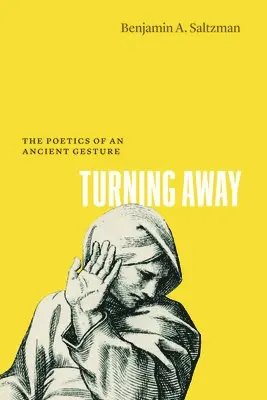
A sweeping account of how we are at our most human when we turn away from the pains of the world.Why do we look away from the suffering of others? Why do we cover our faces in shame? Why do we lower our heads in grief? Few gestures are as universal as the averted gaze. Fewer still are as ambivalent and inscrutable. In this incisive study, Benjamin A. Saltzman reveals how the kaleidoscopic appearance of these gestures in art, poetry, and philosophy has turned them into an essential language for our uncomfortable engagements with the world, challenging us to reflect on the ways we fundamentally relate to others.Into the horizon of contemporary discourse, Turning Away sets out from five influential scenes in which figures avert their gaze: Timanthes’s Sacrifice of Iphigenia, Plato’s Republic, Augustine’s Confessions, Christ’s Crucifixion, and the Fall and Expulsion of Adam and Eve. The gestures of aversion in these scenes refract across visual media, through philosophy and politics, into modernity and the present day, having been reimagined along the way by thinkers like Hannah Arendt, artists like Marc Chagall and Salvador Dalí, poets like Langston Hughes, and many others. Saltzman offers a timely critique of the privilege of turning away and of the too-easy condemnation of our tendencies to do so.
281 kr
Skickas inom 7-10 vardagar
A sweeping account of how we are at our most human when we turn away from the pains of the world.Why do we look away from the suffering of others? Why do we cover our faces in shame? Why do we lower our heads in grief? Few gestures are as universal as the averted gaze. Fewer still are as ambivalent and inscrutable. In this incisive study, Benjamin A. Saltzman reveals how the kaleidoscopic appearance of these gestures in art, poetry, and philosophy has turned them into an essential language for our uncomfortable engagements with the world, challenging us to reflect on the ways we fundamentally relate to others.Into the horizon of contemporary discourse, Turning Away sets out from five influential scenes in which figures avert their gaze: Timanthes’s Sacrifice of Iphigenia, Plato’s Republic, Augustine’s Confessions, Christ’s Crucifixion, and the Fall and Expulsion of Adam and Eve. The gestures of aversion in these scenes refract across visual media, through philosophy and politics, into modernity and the present day, having been reimagined along the way by thinkers like Hannah Arendt, artists like Marc Chagall and Salvador Dalí, poets like Langston Hughes, and many others. Saltzman offers a timely critique of the privilege of turning away and of the too-easy condemnation of our tendencies to do so.
Bonds of Secrecy
Law, Spirituality, and the Literature of Concealment in Early Medieval England
Inbunden, Engelska, 2019
770 kr
Skickas
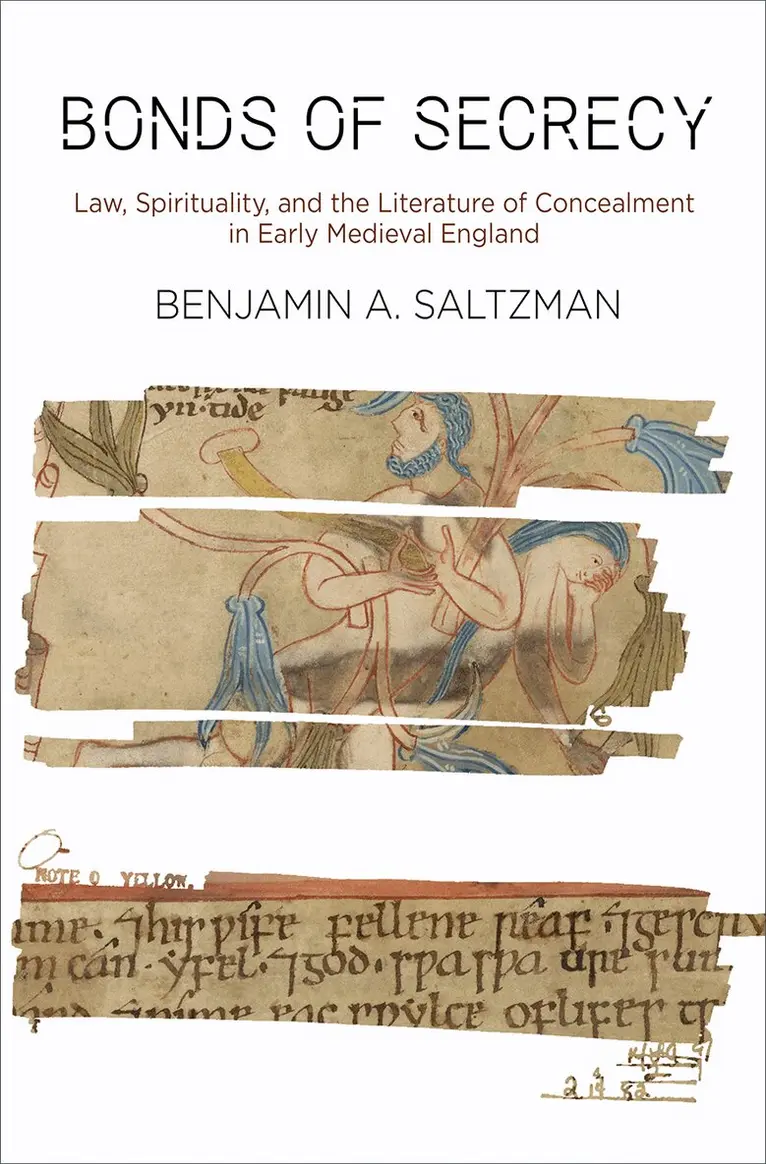
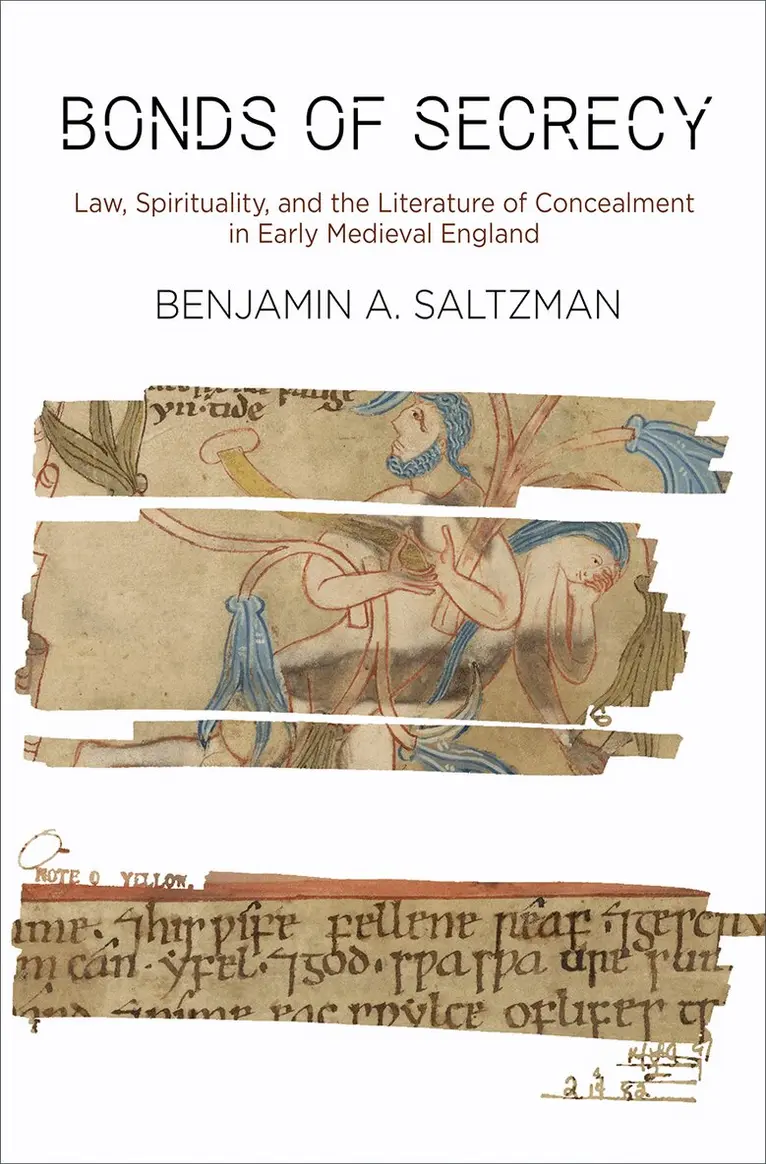
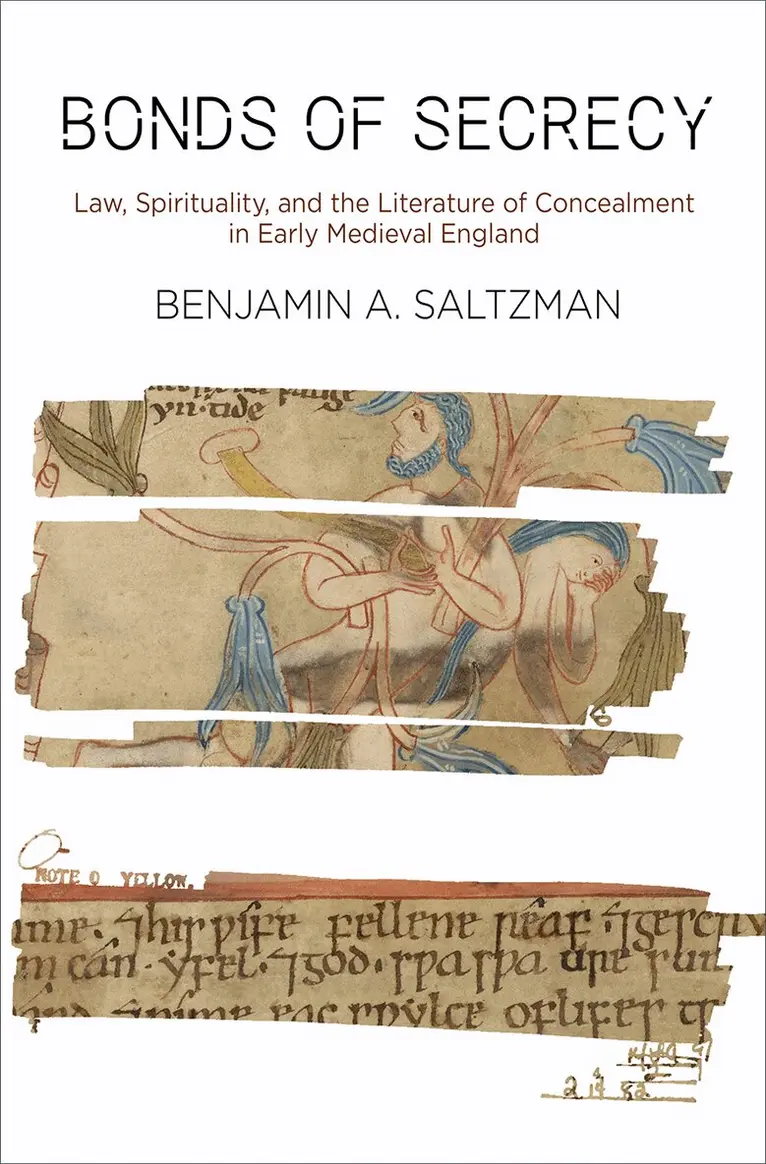
How beliefs about human and divine secrets informed medieval ideas about the mind and shaped the practices of literary interpretationsWhat did it mean to keep a secret in early medieval England? It was a period during which the experience of secrecy was intensely bound to the belief that God knew all human secrets, yet the secrets of God remained unknowable to human beings. In Bonds of Secrecy, Benjamin A. Saltzman argues that this double-edged conception of secrecy and divinity profoundly affected the way believers acted and thought as subjects under the law, as the devout within monasteries, and as readers before books. One crucial way it did so was by forming an ethical relationship between the self and the world that was fundamentally different from its modern reflex. Whereas today the bearers of secrets might be judged for the consequences of their reticence or disclosure, Saltzman observes, in the early Middle Ages a person attempting to conceal a secret was judged for believing he or she could conceal it from God. In other words, to attempt to hide from God was to become ensnared in a serious sin, but to hide from the world while deliberately and humbly submitting to God's constant observation was often a hallmark of spiritual virtue.Looking to law codes and religious architecture, hagiographies and riddles, Bonds of Secrecy shows how legal and monastic institutions harnessed the pervasive and complex belief in God's omniscience to produce an intense culture of scrutiny and a radical ethics of secrecy founded on the individual's belief that nothing could be hidden from God. According to Saltzman, this ethics of secrecy not only informed early medieval notions of mental activity and ideas about the mind but also profoundly shaped the practices of literary interpretation in ways that can inform our own contemporary approaches to reading texts from the past.
1 189 kr
Skickas inom 7-10 vardagar
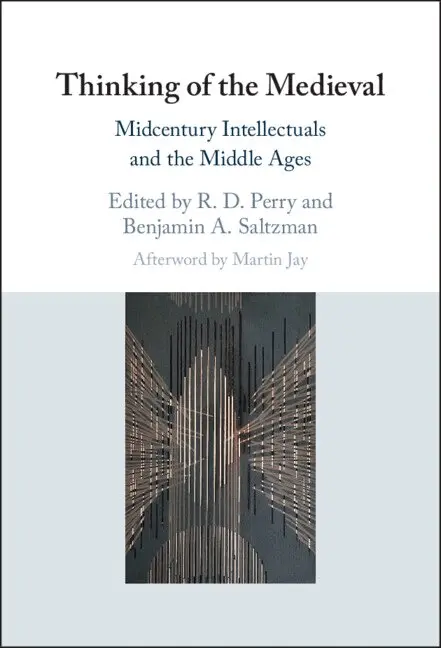
The mid-twentieth century gave rise to a rich array of new approaches to the study of the Middle Ages by both professional medievalists and those more well-known from other pursuits, many of whom continue to exert their influence over politics, art, and history today. Attending to the work of a diverse and transnational group of intellectuals - Hannah Arendt, Erich Auerbach, W. E. B. Du Bois, Frantz Fanon, Erwin Panofsky, Simone Weil, among others - the essays in this volume shed light on these thinkers in relation to one another and on the persistence of their legacies in our own time. This interdisciplinary collection gives us a fuller and clearer sense of how these figures made some of their most enduring contributions with medieval culture in mind. Thinking of the Medieval is a timely reminder of just how vital the Middle Ages have been in shaping modern thought.
356 kr
Skickas inom 7-10 vardagar
The mid-twentieth century gave rise to a rich array of new approaches to the study of the Middle Ages by both professional medievalists and those more well-known from other pursuits, many of whom continue to exert their influence over politics, art, and history today. Attending to the work of a diverse and transnational group of intellectuals – Hannah Arendt, Erich Auerbach, W. E. B. Du Bois, Frantz Fanon, Erwin Panofsky, Simone Weil, among others – the essays in this volume shed light on these thinkers in relation to one another and on the persistence of their legacies in our own time. This interdisciplinary collection gives us a fuller and clearer sense of how these figures made some of their most enduring contributions with medieval culture in mind. Thinking of the Medieval is a timely reminder of just how vital the Middle Ages have been in shaping modern thought.
Bonds of Secrecy
Law, Spirituality, and the Literature of Concealment in Early Medieval England
Häftad, Engelska, 2025
418 kr
Skickas inom 7-10 vardagar
How beliefs about human and divine secrets informed medieval ideas about the mind and shaped the practices of literary interpretationsWhat did it mean to keep a secret in early medieval England? It was a period during which the experience of secrecy was intensely bound to the belief that God knew all human secrets, yet the secrets of God remained unknowable to human beings. In Bonds of Secrecy, Benjamin A. Saltzman argues that this double-edged conception of secrecy and divinity profoundly affected the way believers acted and thought as subjects under the law, as the devout within monasteries, and as readers before books. One crucial way it did so was by forming an ethical relationship between the self and the world that was fundamentally different from its modern reflex. Whereas today the bearers of secrets might be judged for the consequences of their reticence or disclosure, Saltzman observes, in the early Middle Ages a person attempting to conceal a secret was judged for believing he or she could conceal it from God. In other words, to attempt to hide from God was to become ensnared in a serious sin, but to hide from the world while deliberately and humbly submitting to God's constant observation was often a hallmark of spiritual virtue.Looking to law codes and religious architecture, hagiographies and riddles, Bonds of Secrecy shows how legal and monastic institutions harnessed the pervasive and complex belief in God's omniscience to produce an intense culture of scrutiny and a radical ethics of secrecy founded on the individual's belief that nothing could be hidden from God. According to Saltzman, this ethics of secrecy not only informed early medieval notions of mental activity and ideas about the mind but also profoundly shaped the practices of literary interpretation in ways that can inform our own contemporary approaches to reading texts from the past.