Benjamin Brinner - Böcker
Visar alla böcker från författaren Benjamin Brinner. Handla med fri frakt och snabb leverans.
4 produkter
4 produkter
1 424 kr
Skickas inom 5-8 vardagar
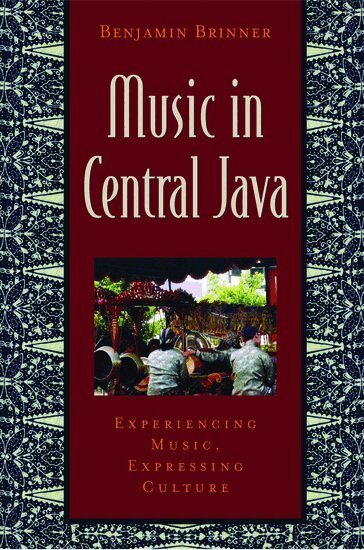
Music in Central Java: Experiencing Music, Expressing Culture, is one of the case study volumes in the Global Music Series, edited by Bonnie Wade and Patricia Shenhan Campbell. This volume describes the adventures of two central characteres: John an American student who travels to Java and Joko, a Javanese musician. Their adventures and exploits lead them through Javanese society and as they travel they explore the variety and range of instruments and perormance styles through out central JAva. Flexibility, appropriateness and intergration are the three themes that drive Javanese musical culture, and this book pays particular attention to them as well as to Javanese musicians. While gamelan is the focus of the text, the author also provides a broad survey of the other types of music that may be found in Central Java. This book introduces cultural and social processes and the values of music in Javanese life. The text features eye witnessaccounts of performances, interviews with key performers, hands-on activities, vivid illustrations and a 70 minute CD of the author's field recordings.
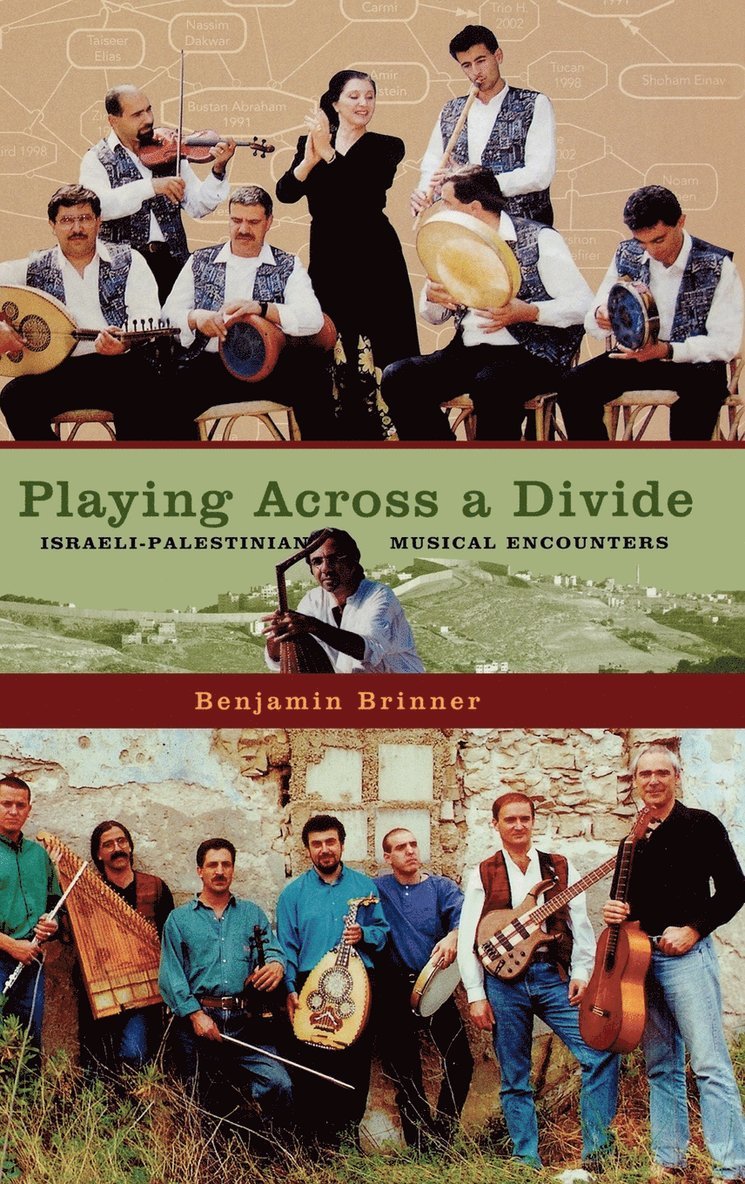
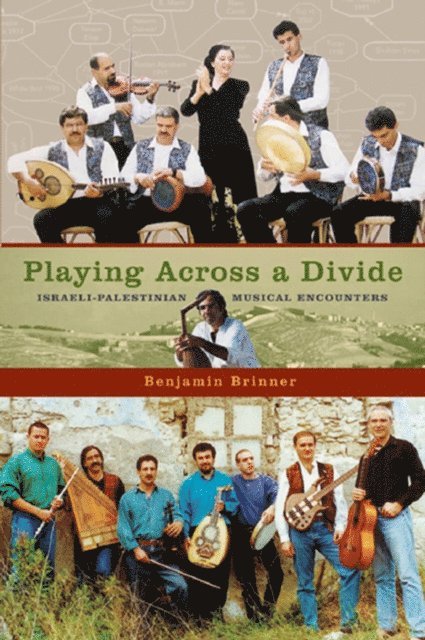
Playing across a Divide: Playing across a Divide
Musical Border Crossings in Israel and the West Bank
Inbunden, Engelska, 2009
1 684 kr
Skickas inom 5-8 vardagar
In the last decade of the twentieth century and on into the twenty-first, Israelis and Palestinians saw the signing of the Oslo Peace Accords, the establishment of the Palestinian Authority, the assassination of Israeli Prime Minister Yitzhak Rabin, and the escalation of suicide bombings and retaliations in the region. During this tumultuous time, numerous collaborations between Israeli and Palestinian musicians coalesced into a significant musical scene informed by these extremes of hope and despair on both national and personal levels.Following the bands Bustan Abraham and Alei Hazayit from their creation and throughout their careers, as well as the collaborative projects of Israeli artist Yair Dalal, Playing Across a Divide demonstrates the possibility of musical alternatives to violent conflict and hatred in an intensely contested, multicultural environment. These artists' music drew from Western, Middle Eastern, Central Asian, and Afro-diasporic musical practices, bridging differences and finding innovative solutions to the problems inherent in combining disparate musical styles and sources. Creating this new music brought to the forefront the musicians' contrasting assumptions about sound production, melody, rhythm, hybridity, ensemble interaction, and improvisation. Author Benjamin Brinner traces the tightly interconnected field of musicians and the people and institutions that supported them as they and their music circulated within the region and along international circuits. Brinner argues that the linking of Jewish and Arab musicians' networks, the creation of new musical means of expression, and the repeated enactment of culturally productive musical alliances provide a unique model for mutually respectful and beneficial coexistence in a chronically disputed land.
398 kr
Skickas inom 5-8 vardagar
In the last decade of the twentieth century and on into the twenty-first, Israelis and Palestinians saw the signing of the Oslo Peace Accords, the establishment of the Palestinian Authority, the assassination of Israeli Prime Minister Yitzhak Rabin, and the escalation of suicide bombings and retaliations in the region. During this tumultuous time, numerous collaborations between Israeli and Palestinian musicians coalesced into a significant musical scene informed by these extremes of hope and despair on both national and personal levels.Following the bands Bustan Abraham and Alei Hazayit from their creation and throughout their careers, as well as the collaborative projects of Israeli artist Yair Dalal, Playing Across a Divide demonstrates the possibility of musical alternatives to violent conflict and hatred in an intensely contested, multicultural environment. These artists' music drew from Western, Middle Eastern, Central Asian, and Afro-diasporic musical practices, bridging differences and finding innovative solutions to the problems inherent in combining disparate musical styles and sources. Creating this new music brought to the forefront the musicians' contrasting assumptions about sound production, melody, rhythm, hybridity, ensemble interaction, and improvisation. Author Benjamin Brinner traces the tightly interconnected field of musicians and the people and institutions that supported them as they and their music circulated within the region and along international circuits. Brinner argues that the linking of Jewish and Arab musicians' networks, the creation of new musical means of expression, and the repeated enactment of culturally productive musical alliances provide a unique model for mutually respectful and beneficial coexistence in a chronically disputed land.
Knowing Music, Making Music
Javanese Gamelan and the Theory of Musical Competence and Interaction
Inbunden, Engelska, 1995
1 002 kr
Skickas inom 7-10 vardagar
How do musicians know what they know? This study explores the nature of musical competence. Using the collaborative structure of gamelan - Javanese ensemble music - as a point of departure, this work lays the foundation for a comprehensive theory of musical competence and interaction. Using illustrative examples from a variety of traditions, Benjamin Brinner first examines the elements and characteristics of musical competence, the different kinds of competence in a musical community, the development of multiple competences, and the acquisition and transformation of competence through time. He then shows how these factors come into play in musical interaction, establishing four intersecting theoretical perspectives based on ensemble roles, systems of communication, sound structures and individual motivations. These perspectives are applied to the dynamics of gamelan performance to explain the social, musical and contextual factors that affect the negotiation of consensus in musical interaction.The discussion ranges from sociocultural norms of interpersonal conduct to links between music, dance, theatre and ritual, and from issues of authority and deference to musicians' self-perceptions and mutual assessments. This work brings together a variety of cognitive approaches and a range of examples from many cultures to suggest ways of integrating our knowledge of music-making both in individual cultures and cross-culturally.