Benjamin Hebblethwaite - Böcker
Visar alla böcker från författaren Benjamin Hebblethwaite. Handla med fri frakt och snabb leverans.
6 produkter
6 produkter
436 kr
Skickas
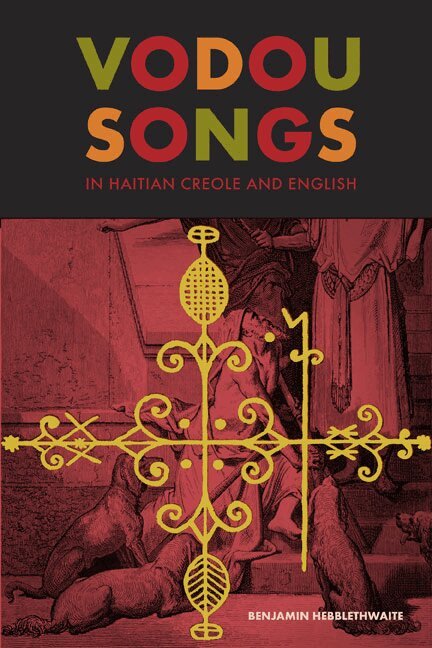
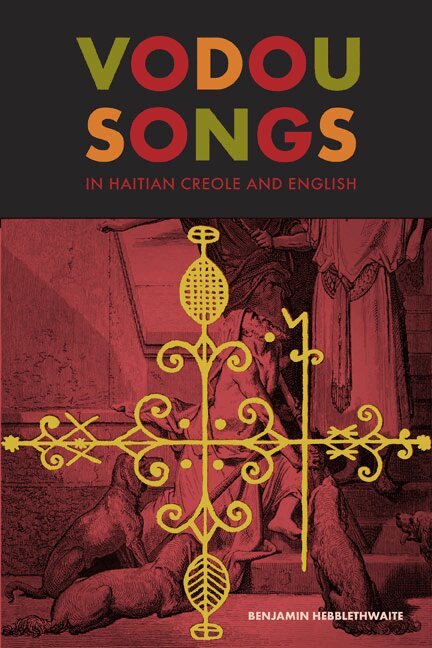
The first comprehensive collection of Vodou sacred literature in bilingual form
1 061 kr
Skickas inom 10-15 vardagar
Indigenous and African Diaspora Religions in the Americas explores spirit-based religious traditions across vast geographical and cultural expanses, including Canada, the United States, Haiti, the Dominican Republic, Cuba, Trinidad and Tobago, Mexico, Brazil, and Chile. Using interdisciplinary research methods, this collection of original perspectives breaks new ground by examining these traditions as typologically and historically related. This curated selection of the traditions allows readers to compare and highlight convergences, while the description and comparison of the traditions challenges colonial erasures and expands knowledge about endangered cultures.The inclusion of spirit-based traditions from a broad geographical area emphasizes the typology of religion over ethnic compartmentalization. The individuals and communities studied in this collection serve spirits through rituals, song, instruments, initiation, embodiment via possession or trance, veneration of nature, and, among some Indigenous people, the consumption of ritual psychoactive entheogens. Indigenous and African diaspora practices focused on service to ancestors and spirits reflect ancient substrates of religiosity. The rationale to separate them on disciplinary, ethnic, linguistic, geographical, or historical grounds evaporates in our interconnected world. Shared cultural, historical, and structural features of American indigenous and African diaspora spirit-based traditions mutually deserve our attention since the analyses and dialogues give way to discoveries about deep commonalities and divergences among religions and philosophies.Still struggling against the effects of colonialism, enslavement, and extinction, the practitioners of these spirit-based religious traditions hold on to important but vulnerable parts of humanity’s cultural heritage. These readings make possible journeys of recognition as well as discovery.
367 kr
Skickas inom 10-15 vardagar
Indigenous and African Diaspora Religions in the Americas explores spirit-based religious traditions across vast geographical and cultural expanses, including Canada, the United States, Haiti, the Dominican Republic, Cuba, Trinidad and Tobago, Mexico, Brazil, and Chile. Using interdisciplinary research methods, this collection of original perspectives breaks new ground by examining these traditions as typologically and historically related. This curated selection of the traditions allows readers to compare and highlight convergences, while the description and comparison of the traditions challenges colonial erasures and expands knowledge about endangered cultures.The inclusion of spirit-based traditions from a broad geographical area emphasizes the typology of religion over ethnic compartmentalization. The individuals and communities studied in this collection serve spirits through rituals, song, instruments, initiation, embodiment via possession or trance, veneration of nature, and, among some Indigenous people, the consumption of ritual psychoactive entheogens. Indigenous and African diaspora practices focused on service to ancestors and spirits reflect ancient substrates of religiosity. The rationale to separate them on disciplinary, ethnic, linguistic, geographical, or historical grounds evaporates in our interconnected world. Shared cultural, historical, and structural features of American indigenous and African diaspora spirit-based traditions mutually deserve our attention since the analyses and dialogues give way to discoveries about deep commonalities and divergences among religions and philosophies.Still struggling against the effects of colonialism, enslavement, and extinction, the practitioners of these spirit-based religious traditions hold on to important but vulnerable parts of humanity’s cultural heritage. These readings make possible journeys of recognition as well as discovery.
Transatlantic History of Haitian Vodou
Rasin Figuier, Rasin Bwa Kayiman, and the Rada and Gede Rites
Inbunden, Engelska, 2021
1 181 kr
Skickas inom 10-15 vardagar
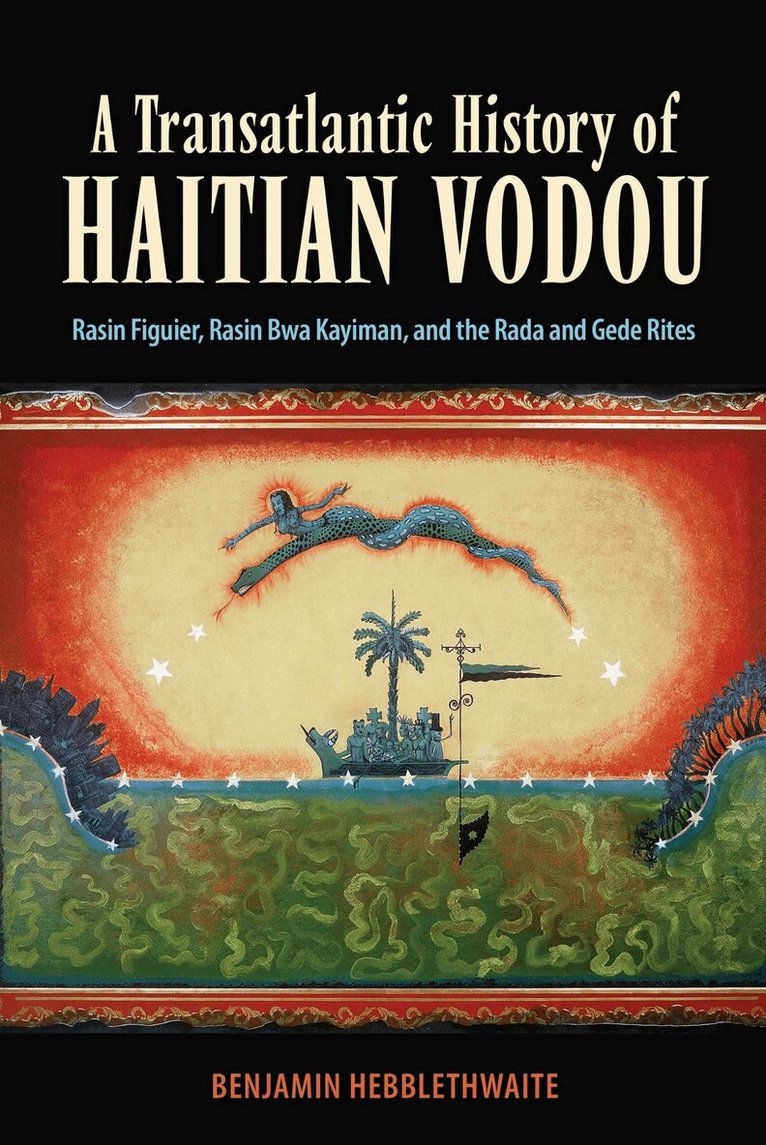
Connecting four centuries of political, social, and religious history with fieldwork and language documentation, A Transatlantic History of Haitian Vodou analyzes Haitian Vodou’s African origins, transmission to Saint-Domingue, and promulgation through song in contemporary Haiti.Split into two sections, the African chapters focus on history, economics, and culture in Dahomey, Allada, and Hueda while scrutinizing the role of Europeans in fomenting tensions. The political, military, and slave trading histories of the kingdoms in the Bight of Benin reveal the circumstances of enslavement, including the geographies, ethnicities, languages, and cultures of enslavers and enslaved. The study of the spirits, rituals, structure, and music of the region’s religions sheds light on important sources for Haitian Vodou. Having royal, public, and private expressions, Vodun spirit-based traditions served as cultural systems that supported or contested power and enslavement. At once suppliers and victims of the European slave trade, the people of Dahomey, Allada, and Hueda deeply shaped the emergence of Haiti’s creolized culture.The Haitian chapters focus on Vodou’s Rada Rite (from Allada) and Gede Rite (from Abomey) through the songs of Rasin Figuier’s Vodou Lakay and Rasin Bwa Kayiman’s Guede, legendary rasin compact discs released on Jean Altidor’s Miami label, Mass Konpa Records. All the Vodou songs on the discs are analyzed with a method dubbed "Vodou hermeneutics" that harnesses history, religious studies, linguistics, literary criticism, and ethnomusicology in order to advance a scholarly approach to Vodou songs.
Transatlantic History of Haitian Vodou
Rasin Figuier, Rasin Bwa Kayiman, and the Rada and Gede Rites
Häftad, Engelska, 2021
314 kr
Skickas inom 10-15 vardagar
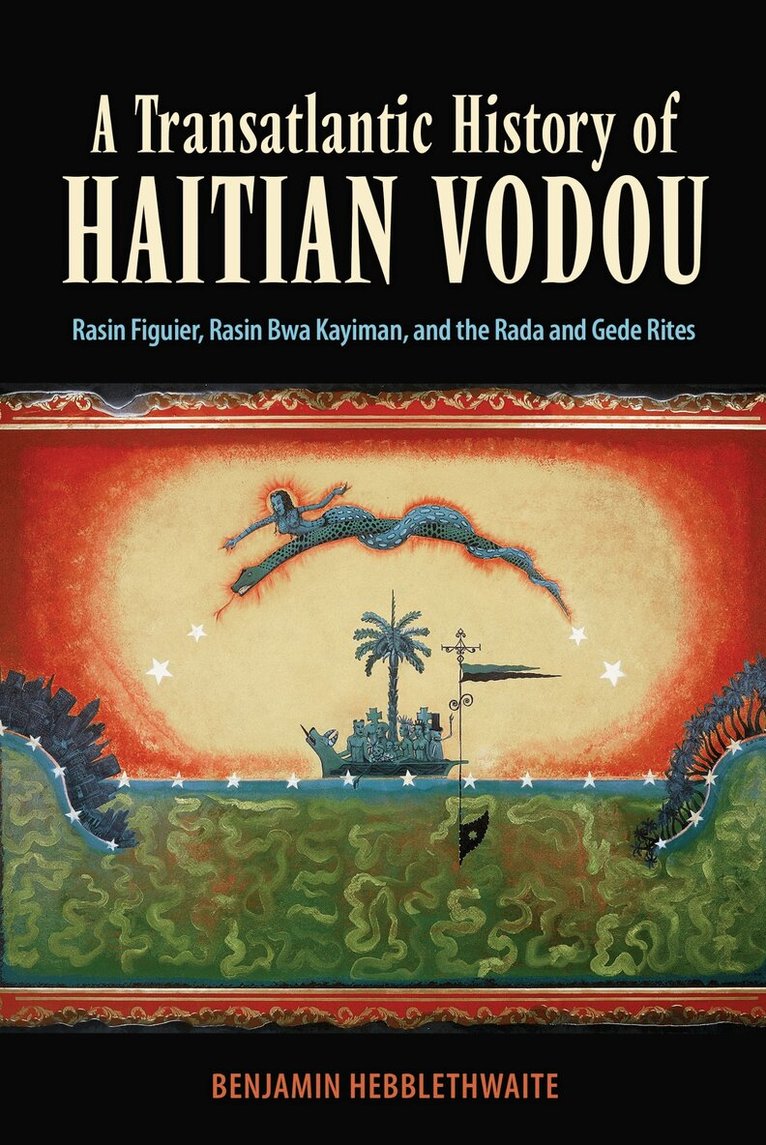
Connecting four centuries of political, social, and religious history with fieldwork and language documentation, A Transatlantic History of Haitian Vodou analyzes Haitian Vodou’s African origins, transmission to Saint-Domingue, and promulgation through song in contemporary Haiti.Split into two sections, the African chapters focus on history, economics, and culture in Dahomey, Allada, and Hueda while scrutinizing the role of Europeans in fomenting tensions. The political, military, and slave trading histories of the kingdoms in the Bight of Benin reveal the circumstances of enslavement, including the geographies, ethnicities, languages, and cultures of enslavers and enslaved. The study of the spirits, rituals, structure, and music of the region’s religions sheds light on important sources for Haitian Vodou. Having royal, public, and private expressions, Vodun spirit-based traditions served as cultural systems that supported or contested power and enslavement. At once suppliers and victims of the European slave trade, the people of Dahomey, Allada, and Hueda deeply shaped the emergence of Haiti’s creolized culture.The Haitian chapters focus on Vodou’s Rada Rite (from Allada) and Gede Rite (from Abomey) through the songs of Rasin Figuier’s Vodou Lakay and Rasin Bwa Kayiman’s Guede, legendary rasin compact discs released on Jean Altidor’s Miami label, Mass Konpa Records. All the Vodou songs on the discs are analyzed with a method dubbed "Vodou hermeneutics" that harnesses history, religious studies, linguistics, literary criticism, and ethnomusicology in order to advance a scholarly approach to Vodou songs.
694 kr
Skickas inom 10-15 vardagar
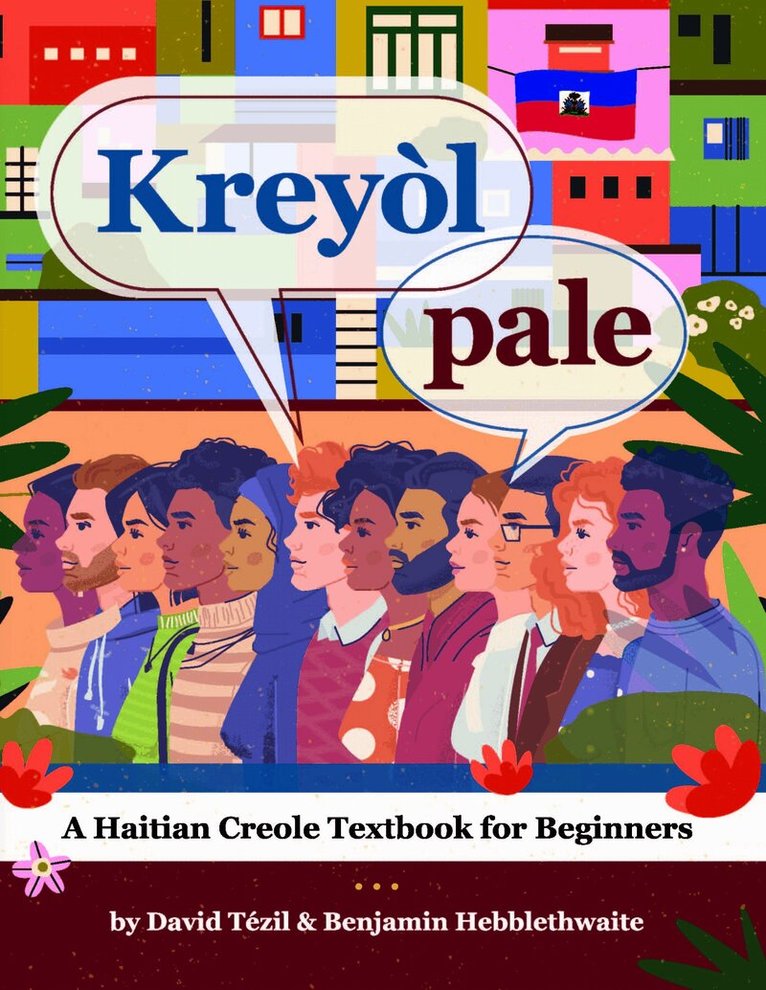
Kreyòl pale (Creole is Spoken) is a 29-chapter textbook designed for beginner learners of the Haitian Creole language. The textbook employs a communicative pedagogical methodology that emphasizes the learner’s acquisition of speaking, reading, writing, and listening skills through meaningful content. The textbook focuses on communication scenarios that are the most important for navigating daily life in Haiti and its Diaspora.Kreyòl pale emphasizes diverse practical topics from everyday life to support various learners such as college students, self-learners, second-generation students, researchers, interns, volunteers, government employees, and people of diverse faiths.The textbook contains Haitian Creole dialogues with English glosses, grammar and vocabulary lessons, pronunciation guides, cultural notes, and extensive skill-building activities. The dialogues present real-life scenarios like greetings, traveling, ordering food, finding housing, going out, shopping, and many others. The textbook explores situations like finding a roommate, food preferences, expectations at a new job, etc., and it pays attention to personal issues like sexual orientation, disabilities, gender differences, religious outlooks, etc. The textbook provides communicative and skill-building activities that accompany the introduction of new information step-by-step.This textbook is replete with full-color images that enhance the meaningfulness of the content and encourage communicative learning. Each chapter offers in-depth lessons on Haitian culture and society, including English glosses and questions that stimulate discussion and debate. Cultural notes include topics such as Haitian music, architecture, art, literature, and philosophy.Kreyòl pale is built on contemporary teaching methodologies that place Haitian Creole communicativeness at the center of the learner’s experience. Kreyòl pale is an essential beginners’ Haitian Creole textbook due to the meaningfulness, practicality, and relatability of its Haitian Creole materials. As an introduction to Haitian Creole language and culture, this textbook opens the way to the many paths to mastery.