Benjamin Railton - Böcker
Visar alla böcker från författaren Benjamin Railton. Handla med fri frakt och snabb leverans.
4 produkter
4 produkter
1 237 kr
Skickas inom 10-15 vardagar
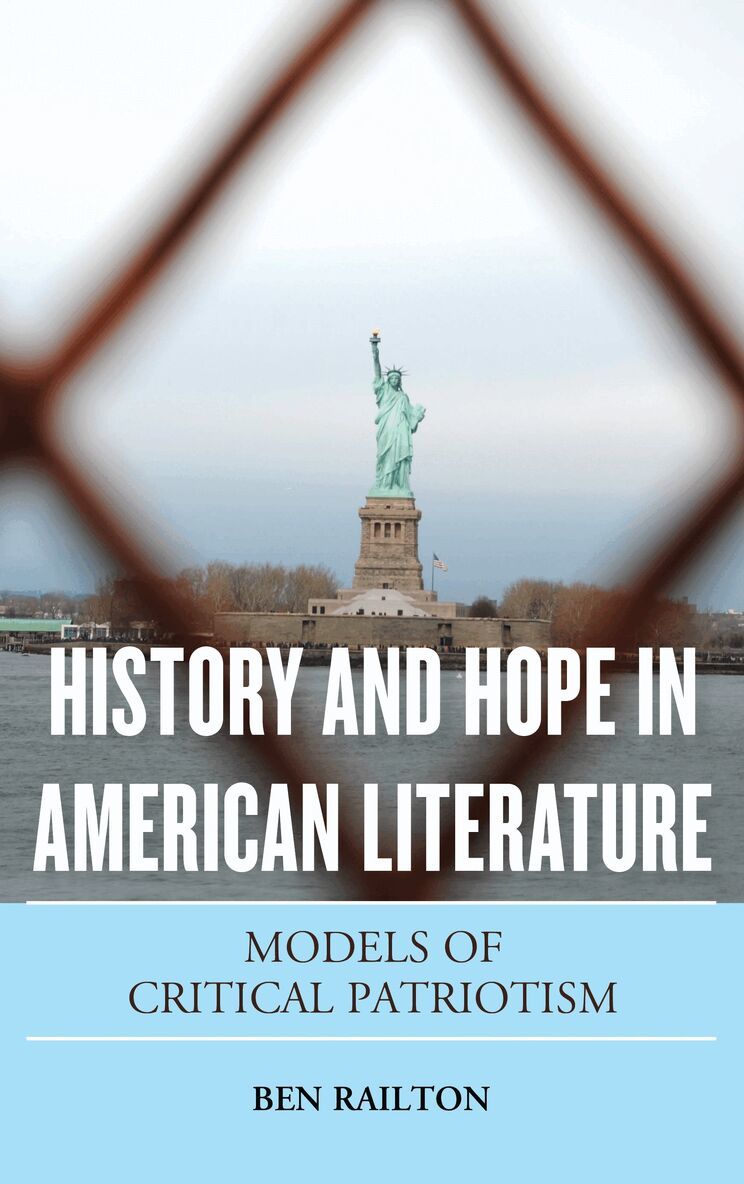
Throughout history, creative writers have often tackled topical subjects as a means to engage and influence public discourse. American authors—those born in the States and those who became naturalized citizens—have consistently found ways to be critical of the more painful pieces of the country’s past yet have done so with the patriotic purpose of strengthening the nation’s community and future.In History and Hope in American Literature: Models of Critical Patriotism, Ben Railton argues that it is only through an in-depth engagement with history—especially its darkest and most agonizing elements—that one can come to a genuine form of patriotism that employs constructive criticism as a tool for civic engagement. The author argues that it is through such critical patriotism that one can imagine and move toward a hopeful, shared future for all Americans. Railton highlights twelve works of American literature that focus on troubling periods in American history, including John Steinbeck’s The Grapes of Wrath,David Bradley’s The Chaneysville Incident, Louise Erdrich’s Love Medicine, Tony Kushner’s Angels in America, Junot Díaz’s The Brief Wondrous Life of Oscar Wao, and Dave Eggers’s What Is the What.From African and Native American histories to the Depression and the AIDS epidemic, Caribbean and Rwandan refugees and immigrants to global climate change, these works help readers confront, understand, and transcend the most sorrowful histories and issues. In so doing, the authors of these books offer hard-won hope that can help point people in the direction of a more perfect union. History and Hope in American Literature will be of interest to students and practitioners of American literature and history.
408 kr
Tillfälligt slut
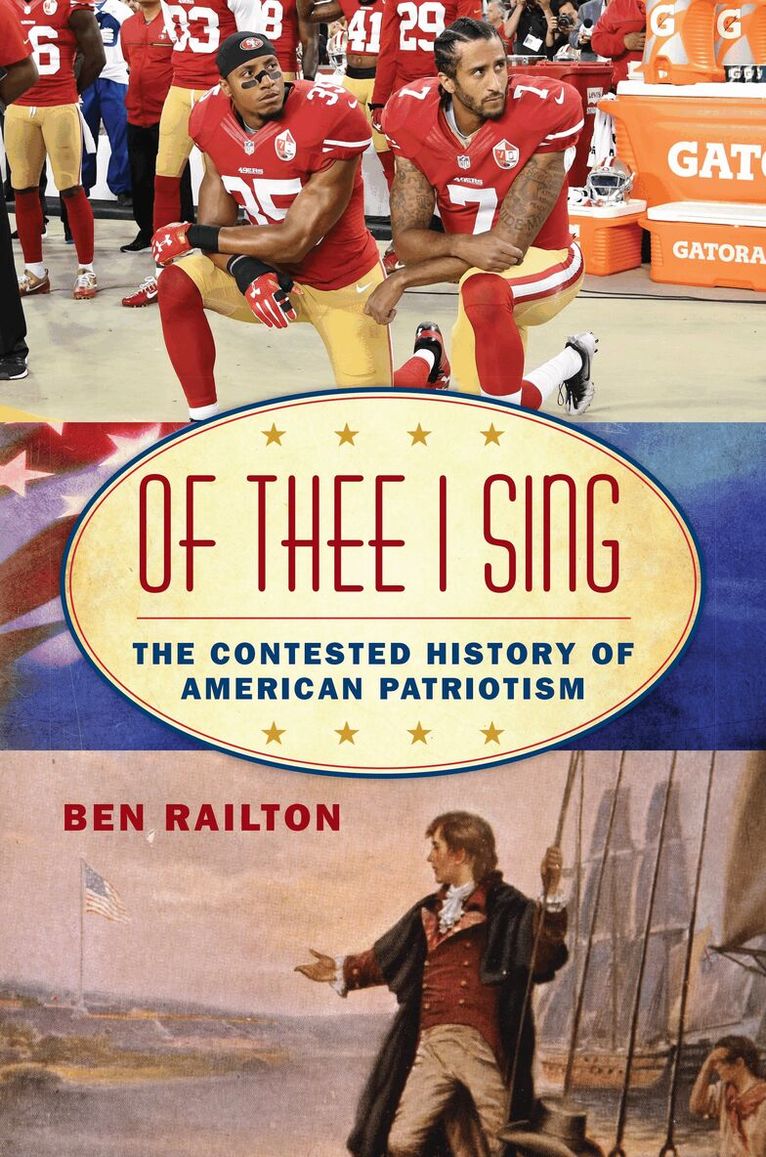
When we talk about patriotism in America, we tend to mean one form: the version captured in shared celebrations like the national anthem and the Pledge of Allegiance. But as Ben Railton argues, that celebratory patriotism is just one of four distinct forms: celebratory, the communal expression of an idealized America; mythic, the creation of national myths that exclude certain communities; active, acts of service and sacrifice for the nation; and critical, arguments for how the nation has fallen short of its ideals that seek to move us toward that more perfect union.In Of Thee I Sing, Railton defines those four forms of American patriotism, using the four verses of “America the Beautiful” as examples of each type, and traces them across our histories. Doing so allows us to reframe seemingly familiar histories such as the Revolution, the Civil War, and the Greatest Generation, as well as texts such as the national anthem and the Pledge of Allegiance. And it helps us rediscover forgotten histories and figures, from Revolutionary War Loyalists and the World War I Espionage and Sedition Acts to active patriots like Civil War nurse Susie King Taylor and the suffragist Silent Sentinels to critical patriotic authors like William Apess and James Baldwin. Tracing the contested history of American patriotism also helps us better understand many of our 21st century debates: from Donald Trump’s divisive deployment of celebratory and mythic forms of patriotism to the backlash to the critical patriotisms expressed by Colin Kaepernick and the 1619 Project. Only by engaging with the multiple forms of American patriotism, past and present, can we begin to move forward toward a more perfect union that we all can celebrate.
287 kr
Skickas inom 10-15 vardagar
When we talk about patriotism in America, we tend to mean one form: the version captured in shared celebrations like the national anthem and the Pledge of Allegiance. But as Ben Railton argues, that celebratory patriotism is just one of four distinct forms: celebratory, the communal expression of an idealized America; mythic, the creation of national myths that exclude certain communities; active, acts of service and sacrifice for the nation; and critical, arguments for how the nation has fallen short of its ideals that seek to move us toward that more perfect union.In Of Thee I Sing, Railton defines those four forms of American patriotism, using the four verses of “America the Beautiful” as examples of each type, and traces them across our histories. Doing so allows us to reframe seemingly familiar histories such as the Revolution, the Civil War, and the Greatest Generation, as well as texts such as the national anthem and the Pledge of Allegiance. And it helps us rediscover forgotten histories and figures, from Revolutionary War Loyalists and the World War I Espionage and Sedition Acts to active patriots like Civil War nurse Susie King Taylor and the suffragist Silent Sentinels to critical patriotic authors like William Apess and James Baldwin. Tracing the contested history of American patriotism also helps us better understand many of our 21st century debates: from Donald Trump’s divisive deployment of celebratory and mythic forms of patriotism to the backlash to the critical patriotisms expressed by Colin Kaepernick and the 1619 Project. Only by engaging with the multiple forms of American patriotism, past and present, can we begin to move forward toward a more perfect union that we all can celebrate.
296 kr
Skickas inom 10-15 vardagar
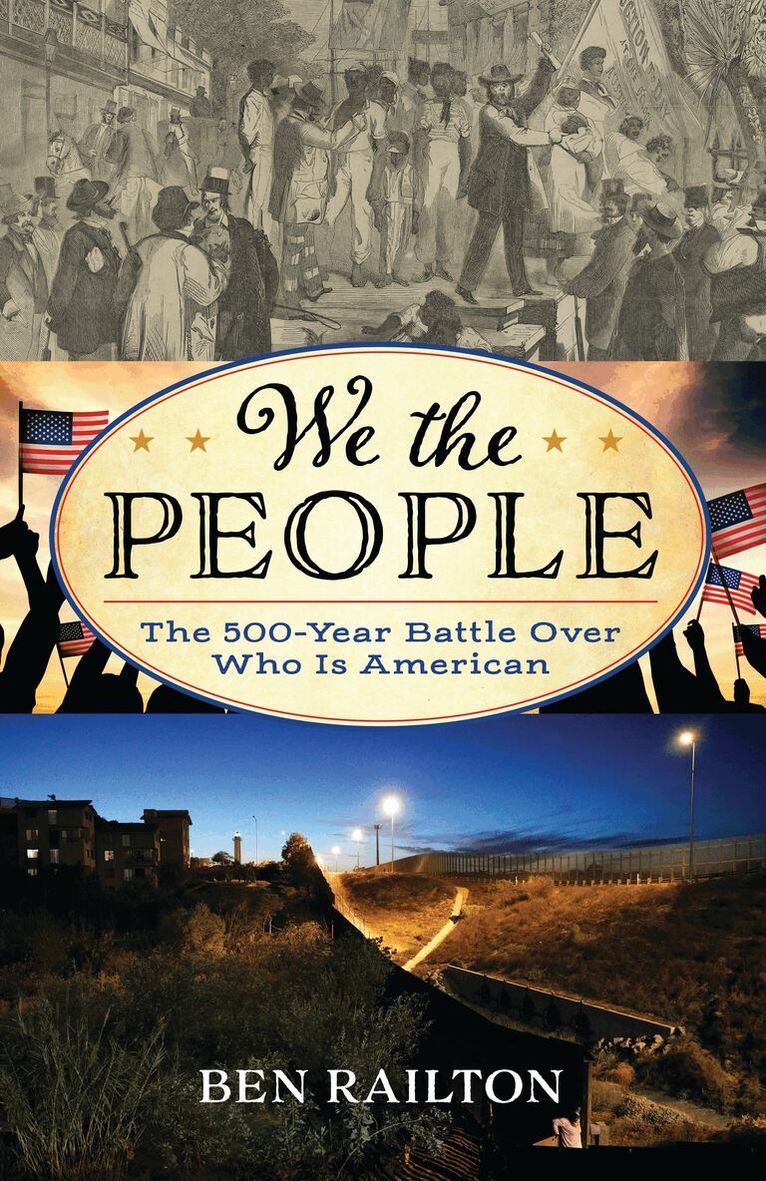
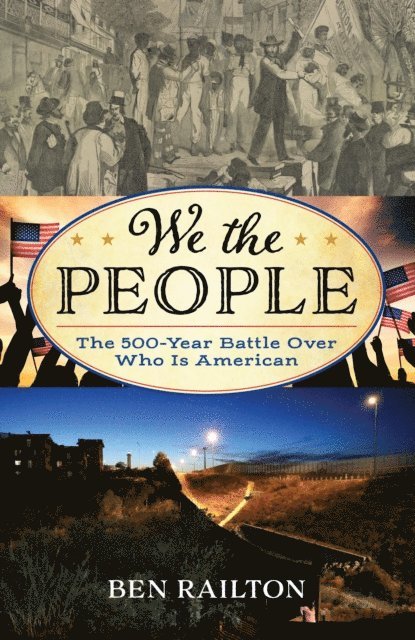
"We the People." The Constitution begins with those deceptively simple words, but how do Americans define that "We"? In We the People, Ben Railton argues that throughout our history two competing yet interconnected concepts have battled to define our national identity and community: exclusionary and inclusive visions of who gets to be an American.From the earliest moments of European contact with indigenous peoples, through the Revolutionary period's debates on African American slavery, 19th century conflicts over Indian Removal, Mexican landowners, and Chinese immigrants, 20th century controversies around Filipino Americans and Japanese internment, and 21st century fears of Muslim Americans, time and again this defining battle has shaped our society and culture.Carefully exploring and critically examining those histories, and the key stories and figures they feature, is vital to understanding America—and to making sense of the Trump era, when the battle over who is an American can be found in every significant debate and moment.