Benjamin Weineck – författare
Visar alla böcker från författaren Benjamin Weineck. Handla med fri frakt och snabb leverans.
4 produkter
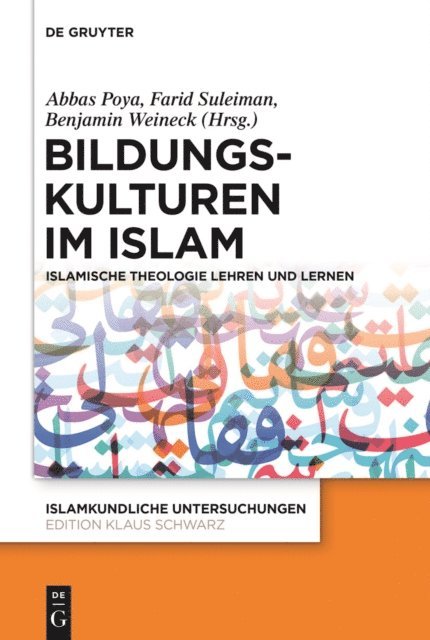
Bildungskulturen im Islam
Islamische Theologie lehren und lernen
Av Benjamin Weineck, Farid Suleiman m. fl.
E-bok, 2021
1298 kr
Lägg i varukorg
Der Band ist das Ergebnis des Projekts „Islamische Lernkulturen", einer Kooperation zwischen den Universitäten Erlangen und Bayreuth. Die Forschung der Arbeitsgruppe ist von der Grundannahme geleitet, dass Formen und Funktionen der Unterrichtung islamischer Theologie nicht bereits in ihr selbst …
Bildungskulturen im Islam
Islamische Theologie lehren und lernen
Av Benjamin Weineck, Farid Suleiman m. fl.
E-bok, 2021
1298 kr
Lägg i varukorg
Der Band ist das Ergebnis des Projekts „Islamische Lernkulturen", einer Kooperation zwischen den Universitäten Erlangen und Bayreuth. Die Forschung der Arbeitsgruppe ist von der Grundannahme geleitet, dass Formen und Funktionen der Unterrichtung islamischer Theologie nicht bereits in ihr selbst …
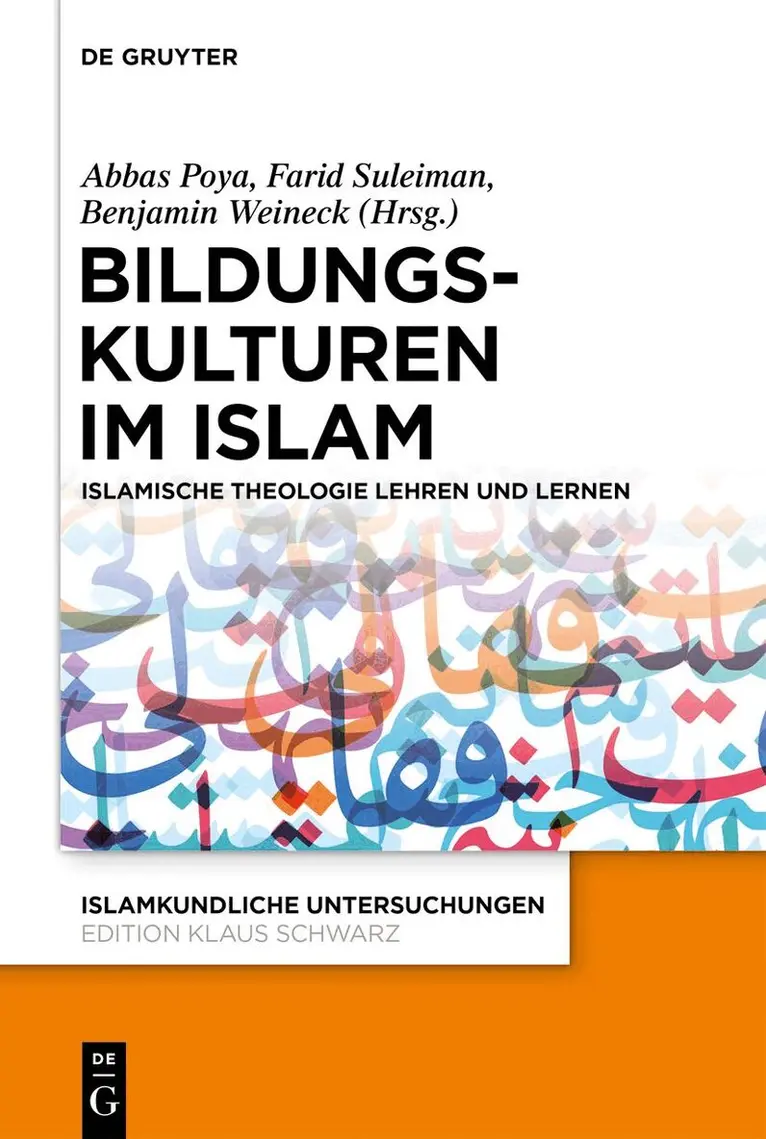
Bildungskulturen im Islam
Islamische Theologie lehren und lernen
Av Abbas Poya, Farid Suleiman m. fl.
Inbunden, 2021
1498 kr
Lägg i varukorg
Der Band ist das Ergebnis des Projekts „Islamische Lernkulturen", einer Kooperation zwischen den Universitäten Erlangen und Bayreuth. Die Forschung der Arbeitsgruppe ist von der Grundannahme geleitet, dass Formen und Funktionen der Unterrichtung islamischer Theologie nicht bereits in ihr selbst …
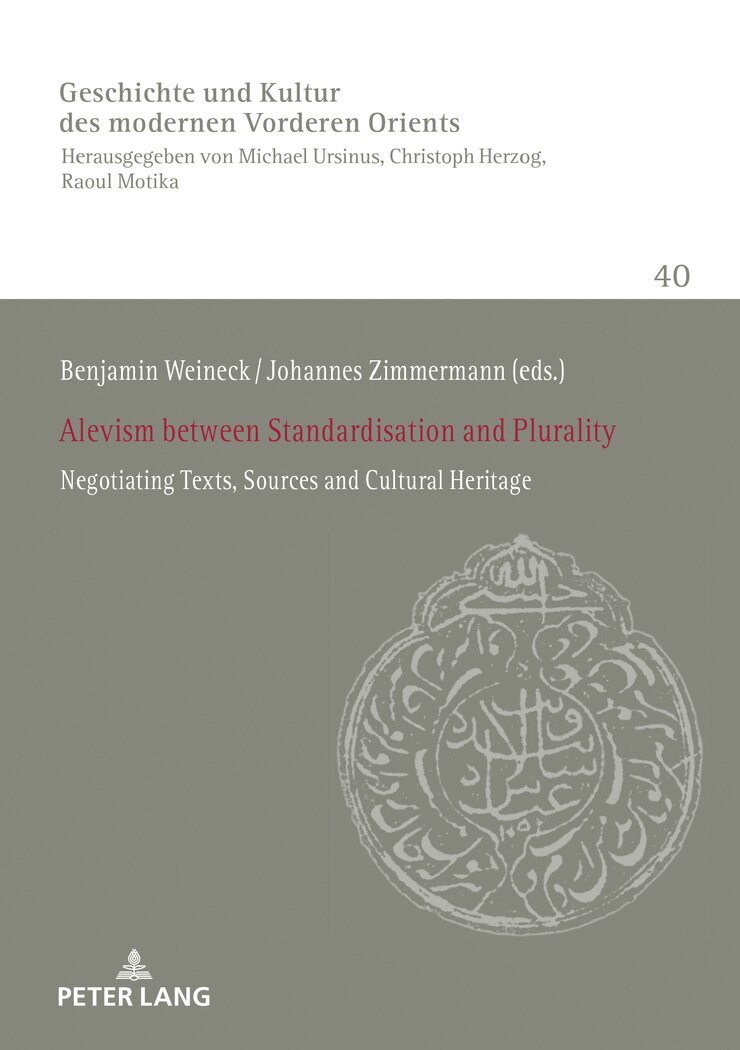
Alevism between Standardisation and Plurality
Negotiating Texts, Sources and Cultural Heritage
Av Benjamin Weineck, Johannes Zimmermann
Häftad, 2019
808 kr
Lägg i varukorg
Over the last decades of the 20th century, Alevi identity, religion and culture have gained an increasingly public character in both Turkey and Western Europe. This book analyses the ongoing efforts of negotiating common cultural denominators and shared repertoires of texts, sources, practices, or …