Bernhard Hemetsberger - Böcker
Visar alla böcker från författaren Bernhard Hemetsberger. Handla med fri frakt och snabb leverans.
2 produkter
2 produkter
950 kr
Skickas inom 3-6 vardagar
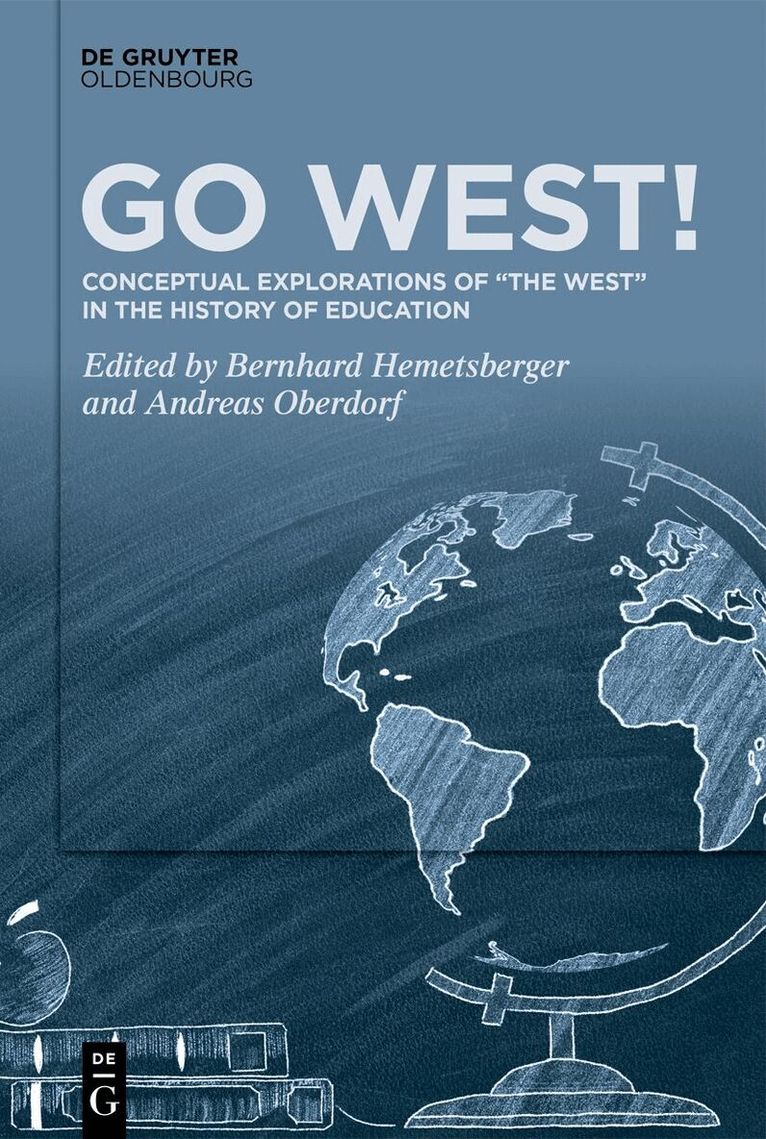
The “West” is a central concept in public discourse, but its meaning is often unclear and open to manifold interpretations and ascriptions of belonging and exclusion: Who is part of the “West”? When and where is it located? How did its meaning change over space and time? Who are the mediators of the “West” and what is their interest in terms of culture and education? The “West” is often used without any critical questioning, though. This is also reflected in history of education research, especially with focus on transnational or transatlantic issues. Here, the “West” is a sort of “container” term or “fuzzy” concept that can refer to a variety of historical entanglements and cultural transfers in school systems and education, but also to conflicts and crises, accordingly. This book aims to stimulate a critical reflection and debate on ideas of the “West” in the history of education by gathering scholars from various fields of historical research. With a reflexive historical distance to current political incidents, in which ideas of the “West” are revived, the contributions in this book are intended to enable readers to evaluate representations of the “West” in current academic or public discourses and debates alike.
583 kr
Skickas inom 5-8 vardagar
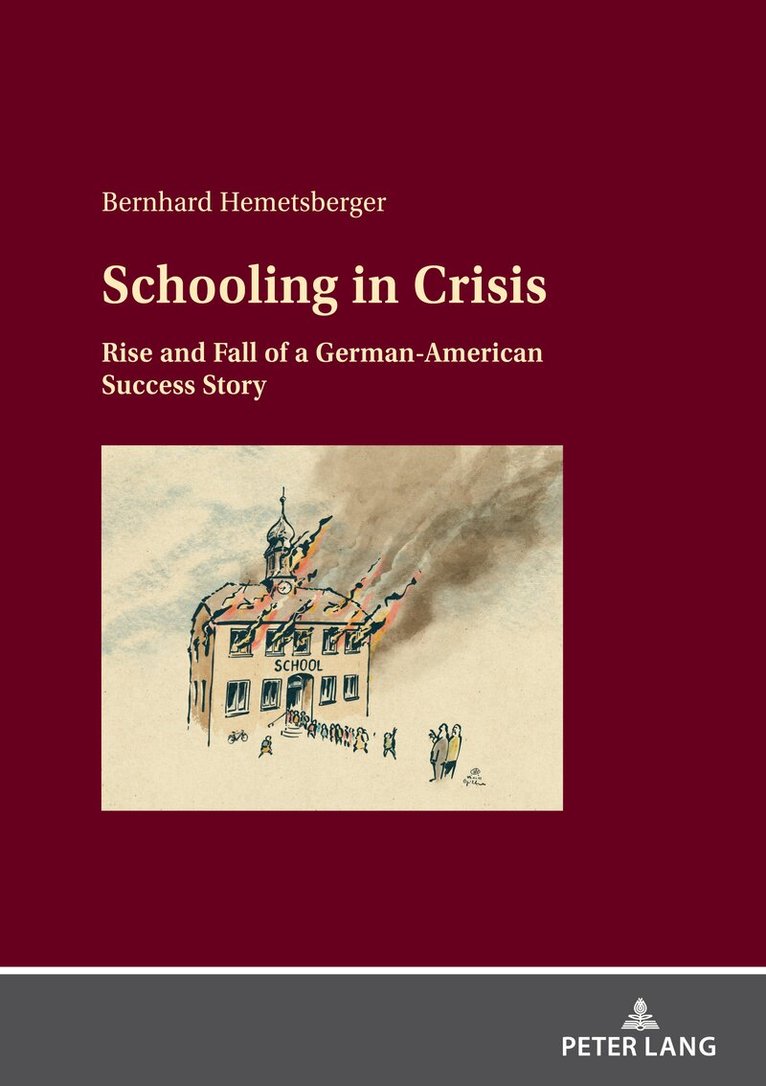
Societies recurrently declare themselves to be in crisis. As crises proceed an educationalization, a delegation of social problems to schools, has been observable since the implementation of public mass schooling in German-speaking countries and the US. However, schools are not able to solve the problems, leading to crisis narratives of schools not delivering. The study identifies a social function of these recurrent crisis narratives in attempts to (re)integrate societies and (re)establish legitimacy of the system. It is firstly, an act to help societies discursively to address their problems and, secondly, to regain a legitimate social order. But what would happen, if this piece were removed, as an increasing number of parents opt out of the public-school system, thus fragmenting it?