Bernhard Scheid - Böcker
Visar alla böcker från författaren Bernhard Scheid. Handla med fri frakt och snabb leverans.
4 produkter
4 produkter
2 233 kr
Skickas inom 10-15 vardagar
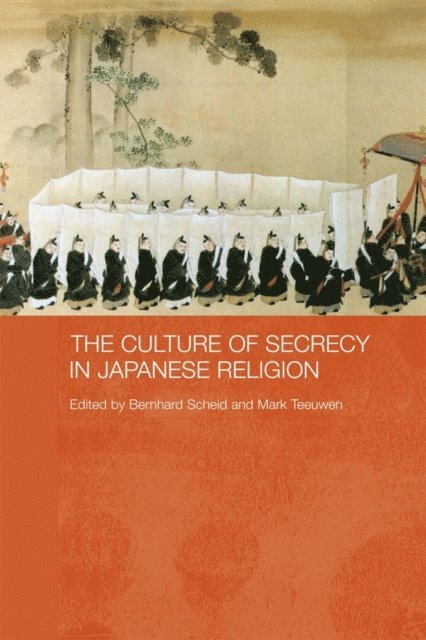
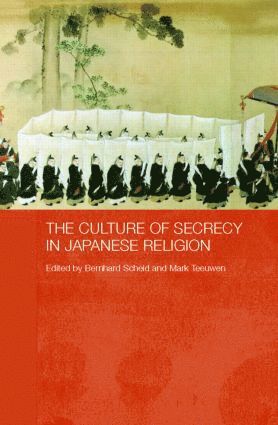
The Japanese Middle Ages were a period when forms of secrecy dominated religious practice. This fascinating collection traces out the secret characteristics and practices in Japanese religion, as well as analyzing the decline of religious esotericism in Japan. The essays in this impressive work refer to Esoteric Buddhism as the core of Japan’s "culture of secrecy". Esoteric Buddhism developed in almost all Buddhist countries of Asia, but it was of particular importance in Japan where its impact went far beyond the borders of Buddhism, also affecting Shinto as well as non-religious forms of discourse. The contributors focus on the impact of Esoteric Buddhism on Japanese culture, and also include comparative chapters on India and China. Whilst concentrating on the Japanese medieval period, this book will give readers familiar with present day Japan, many explanations for the still visible remnants of Japan’s medieval culture of secrecy.
674 kr
Skickas inom 10-15 vardagar
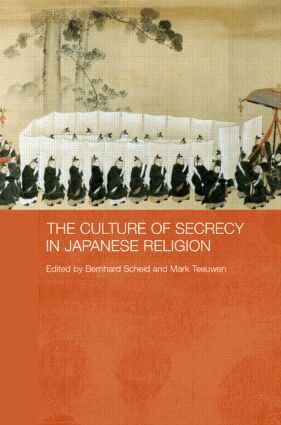
The Japanese Middle Ages were a period when forms of secrecy dominated religious practice. This fascinating collection traces out the secret characteristics and practices in Japanese religion, as well as analyzing the decline of religious esotericism in Japan. The essays in this impressive work refer to Esoteric Buddhism as the core of Japan’s "culture of secrecy". Esoteric Buddhism developed in almost all Buddhist countries of Asia, but it was of particular importance in Japan where its impact went far beyond the borders of Buddhism, also affecting Shinto as well as non-religious forms of discourse. The contributors focus on the impact of Esoteric Buddhism on Japanese culture, and also include comparative chapters on India and China. Whilst concentrating on the Japanese medieval period, this book will give readers familiar with present day Japan, many explanations for the still visible remnants of Japan’s medieval culture of secrecy.
1 476 kr
Skickas inom 10-15 vardagar
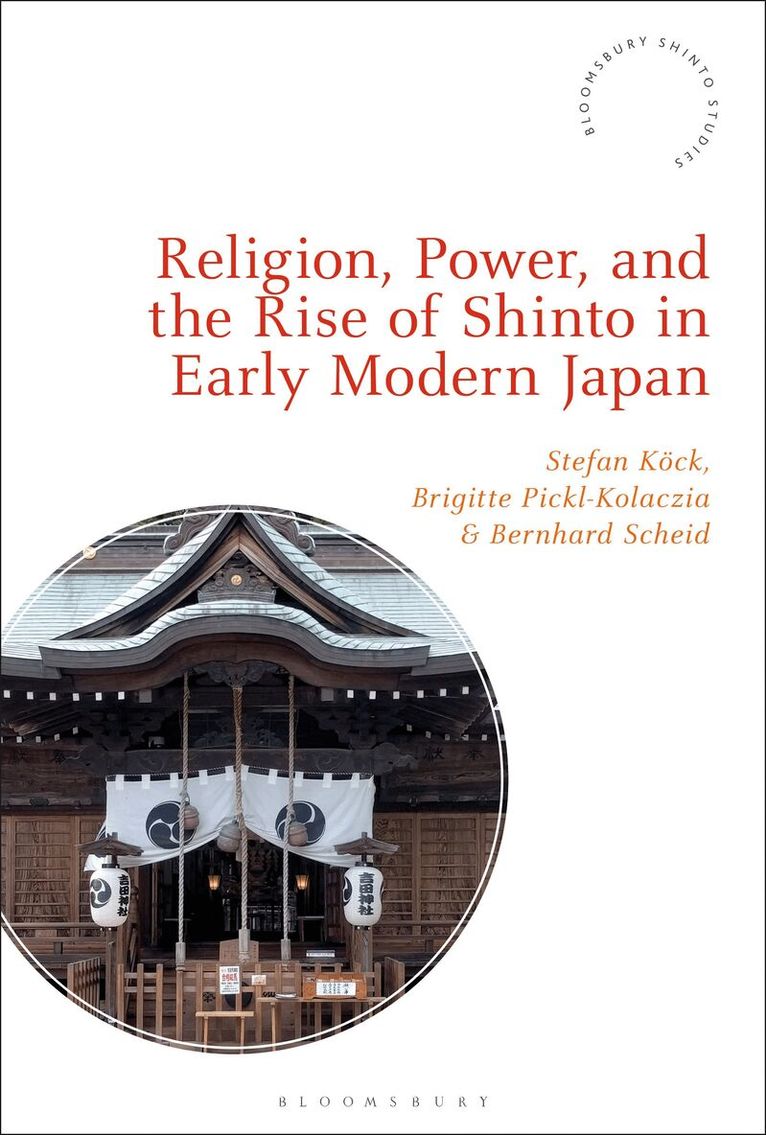
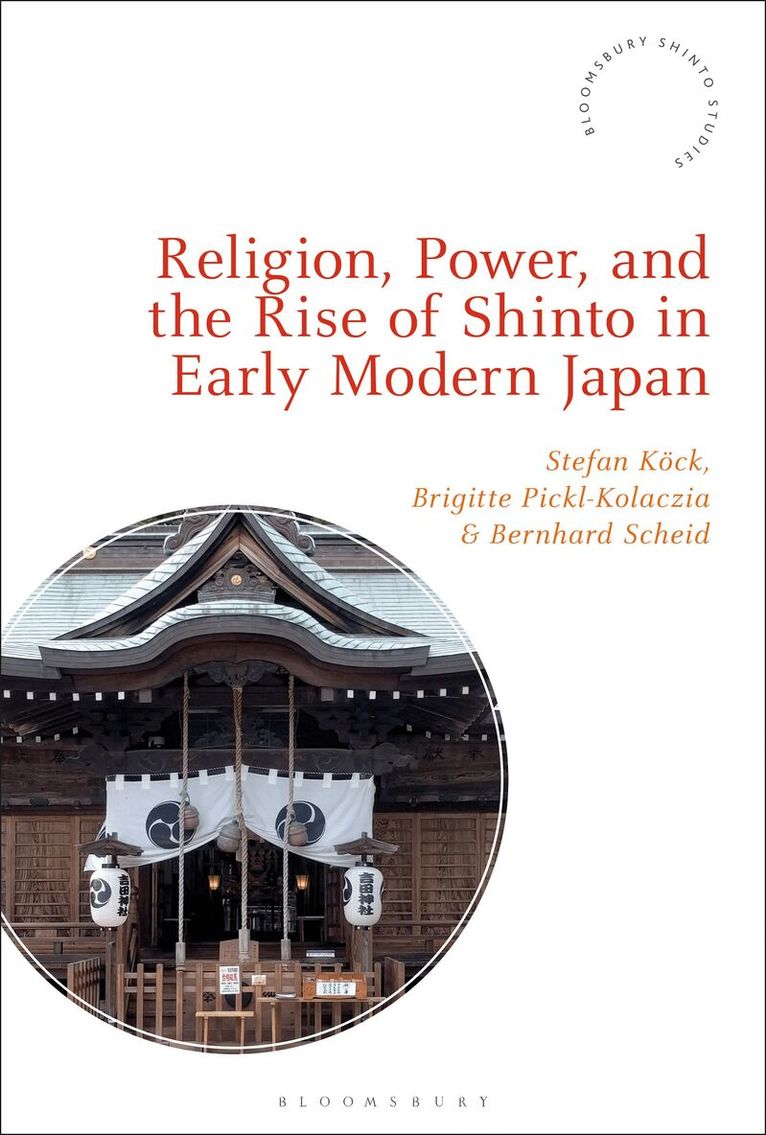
This book sheds new light on the relationship between religion and state in early modern Japan, and demonstrates the growing awareness of Shinto in both the political and the intellectual elite of Tokugawa Japan, even though Buddhism remained the privileged means of stately religious control. The first part analyses how the Tokugawa government aimed to control the populace via Buddhism and at the same time submitted Buddhism to the sacralization of the Tokugawa dynasty. The second part focuses on the religious protests throughout the entire period, with chapters on the suppression of Christians, heterodox Buddhist sects, and unwanted folk practitioners. The third part tackles the question of why early Tokugawa Confucianism was particularly interested in “Shinto” as an alternative to Buddhism and what “Shinto” actually meant from a Confucian stance. The final part of the book explores attempts to curtail the institutional power of Buddhism by reforming Shinto shrines, an important step in the so called “Shintoization of shrines” including the development of a self-contained Shinto clergy.
434 kr
Skickas inom 10-15 vardagar
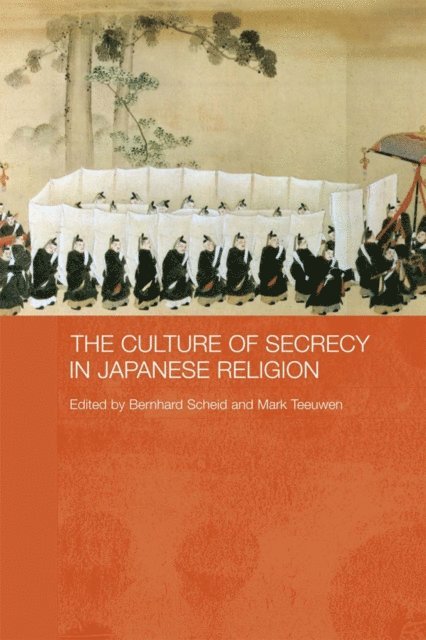
This book sheds new light on the relationship between religion and state in early modern Japan, and demonstrates the growing awareness of Shinto in both the political and the intellectual elite of Tokugawa Japan, even though Buddhism remained the privileged means of stately religious control. The first part analyses how the Tokugawa government aimed to control the populace via Buddhism and at the same time submitted Buddhism to the sacralization of the Tokugawa dynasty. The second part focuses on the religious protests throughout the entire period, with chapters on the suppression of Christians, heterodox Buddhist sects, and unwanted folk practitioners. The third part tackles the question of why early Tokugawa Confucianism was particularly interested in “Shinto” as an alternative to Buddhism and what “Shinto” actually meant from a Confucian stance. The final part of the book explores attempts to curtail the institutional power of Buddhism by reforming Shinto shrines, an important step in the so called “Shintoization of shrines” including the development of a self-contained Shinto clergy.