Bert Cardullo – författare
Visar alla böcker från författaren Bert Cardullo. Handla med fri frakt och snabb leverans.
11 produkter
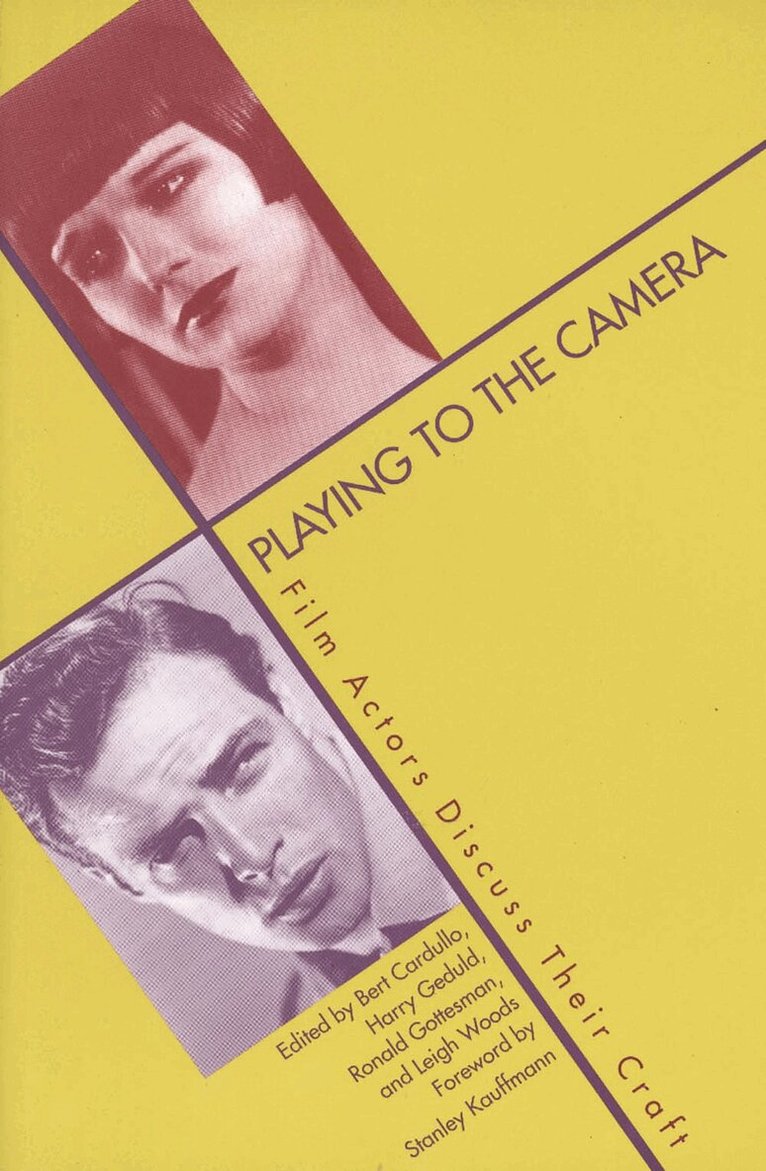
Playing to the Camera
Film Actors Discuss Their Craft
Av Bert Cardullo, Harry Geduld m. fl.
Häftad, 2000
511 kr
Lägg i varukorg
Over the last century, film actors from Charlie Chaplin and Lillian Gish to Meryl Streep and Jeff Daniels have spoken about the art and technique of playing to the camera. This fascinating anthology of their "insiders" observations will delight film lovers and aspiring film actors everywhere. The …
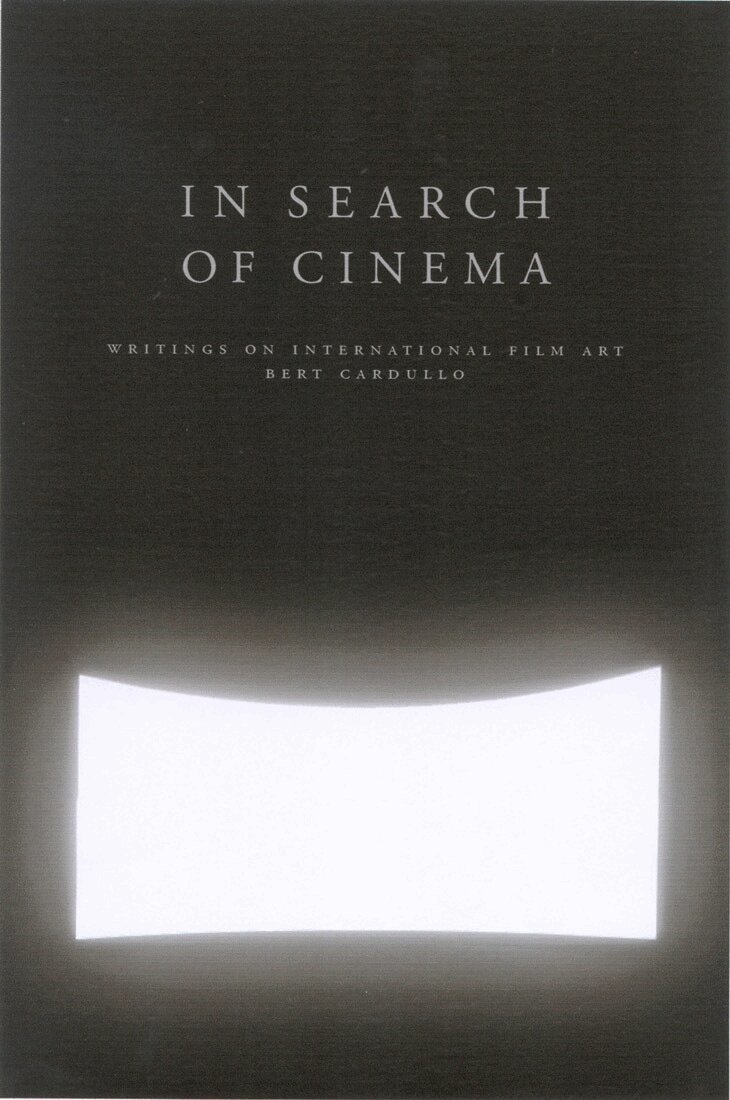
In Search of Cinema
Writings on International Film Art
E-bok, 2004
1105 kr
Lägg i varukorg
The essays collected here reflect the spectacular rise of Iranian cinema in recent years as well as the strong contributions of contemporary filmmakers from countries such as Belgium, Canada, China, Israel, Lebanon, Scotland, and Spain. But In Search of Cinema does not neglect the best recent films …
Screen Writings
Genres, Classics, and Aesthetics
Inbunden, 2010
1200 kr
Lägg i varukorg
'Screen Writings: Genres, Classics, and Aesthetics' offers close readings of genre films and acknowledged film classics in an attempt to explore both the aesthetics of genre and the definition of 'classic' - as well as the changing perception of so-called classic movies over time. Implicitly …
Screen Writings
Partial Views of a Total Art, Classic to Contemporary
Inbunden, 2010
1200 kr
Lägg i varukorg
'Screen Writings: Partial Views of a Total Art, Classic to Contemporary' offers close readings of individual films intended to explain how moviemakers use the resources of the medium to pursue complex and significant humanistic goals. It fills the middle ground between vague, simple plot summaries …
In Search of Cinema
Writings on International Film Art
Häftad, 2004
438 kr
Tillfälligt slut
Chronicles the vitality of international film art in the last two decades
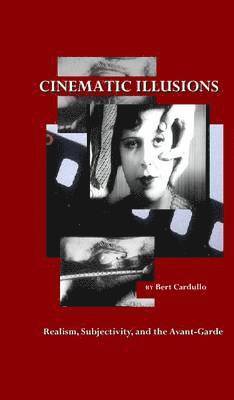
Cinematic Illusions
Realism, Subjectivity, and the Avant-Garde
Häftad, 2007
491 kr
Tillfälligt slut
Cinematic Illusions: Realism, Subjectivity, and the Avant-Garde" is a collection of twelve essays arranged around the primordial subject of realism and anti-realism (the experimental or non-representational) in film. The book treats not only the issue of realism versus anti-realism in the cinema, …
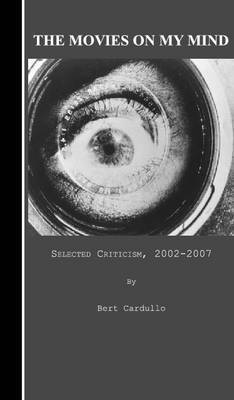
Movies on my Mind
Selected Criticism, 2002-2007
Häftad, 2008
545 kr
Tillfälligt slut
The main purpose of The Movies on My Mind: Collected Criticism, 2002-2007 is to stake out territory for a certain type of film critic, somewhere between a reviewer-journalist and a scholar-theorist. At a time when the movie review has degenerated into mere publicity for Hollywood pictures and film …
Waves from the East
New World Cinema, Asian Style; Essays and Interviews
Av Bert Cardullo, Bert Cardullo
Inbunden, 2010
1147 kr
Tillfälligt slut
This book is a collection of interviews with, and essays about, not so much the two non-Western filmmakers who introduced the cinema of their respective countries to the West—Akira Kurosawa (Japan) and Satyajit Ray (India), in the 1950s—but those who followed in their wake. From among them, I have …
Brecht, Pinter, and the Avant-Garde
Three Essays on Modernist Drama
Inbunden, 2008
991 kr
Tillfälligt slut
This is a collection of essays whose title more or less explains its contents. In Comparative Stages, the author attempts to chart some of the high points in the history of Western drama, from the Greeks to our contemporaries: ancient Athenian tragedy, Shakespearean historical comedy, French …
Serious Dialogue
Interviews with American Theater Critics
Inbunden, 2008
887 kr
Tillfälligt slut
Serious Dialogue:Interviews with American Theater Critics is a collection of interviews with, and among, America’s most notable theater critics: Robert Brustein, Stanley Kauffmann, Eric Bentley, Gordon Rogoff, and John Simon. Supplementing these interviews are an introductory critic’s apologia by …