Beth Tompkins Bates – författare
Visar alla böcker från författaren Beth Tompkins Bates. Handla med fri frakt och snabb leverans.
7 produkter
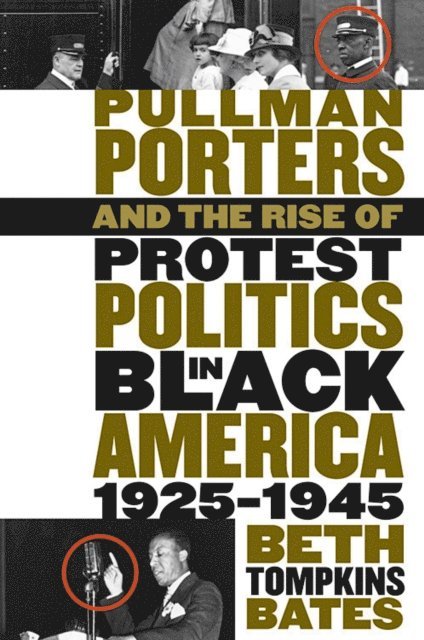
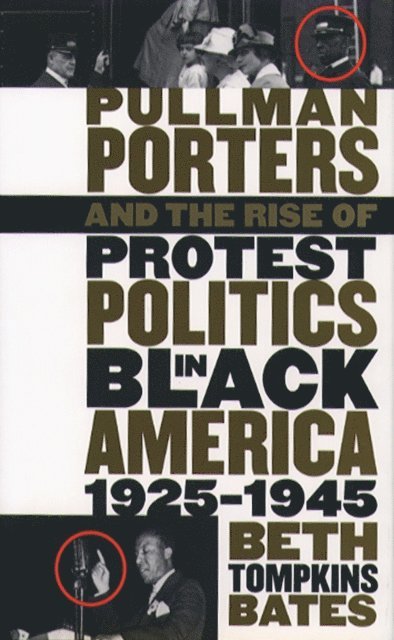
Pullman Porters and the Rise of Protest Politics in Black America, 1925-1945
Häftad, 2001
500 kr
Lägg i varukorg
Linking the labor movement to African Americans' campaign for racial equality Between World War I and World War II, African Americans' quest for civil rights took on a more aggressive character as a new group of black activists challenged the politics of civility traditionally embraced by old-guard …
Pullman Porters and the Rise of Protest Politics in Black America, 1925-1945
E-bok, 2003
402 kr
Lägg i varukorg
Between World War I and World War II, African Americans'' quest for civil rights took on a more aggressive character as a new group of black activists challenged the politics of civility traditionally embraced by old-guard leaders in favor of a more forceful protest strategy. Beth Tompkins Bates …
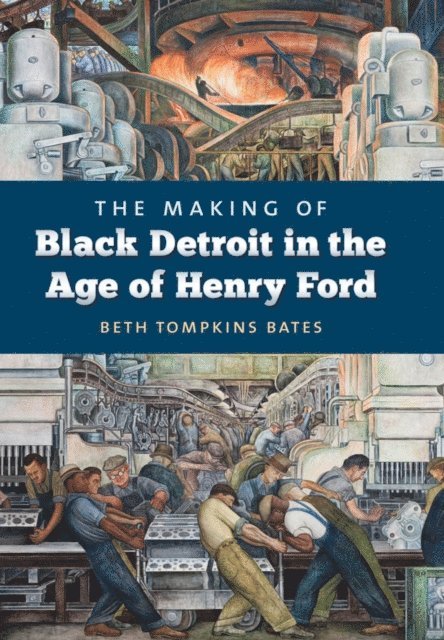
Making of Black Detroit in the Age of Henry Ford
E-bok, 2012
1204 kr
Lägg i varukorg
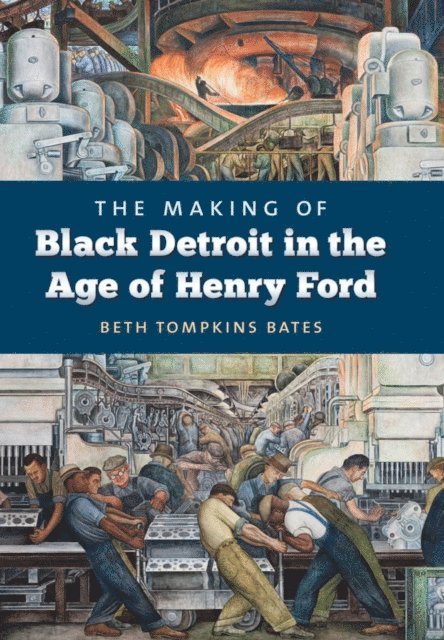
In the 1920s, Henry Ford hired thousands of African American men for his open-shop system of auto manufacturing. This move was a rejection of the notion that better jobs were for white men only. In The Making of Black Detroit in the Age of Henry Ford , Beth Tompkins Bates explains how black …
Making of Black Detroit in the Age of Henry Ford
Häftad, 2014
471 kr
Lägg i varukorg
In the 1920s, Henry Ford hired thousands of African American men for his open-shop system of auto manufacturing. This move was a rejection of the notion that better jobs were for white men only. In The Making of Black Detroit in the Age of Henry Ford, Beth Tompkins Bates explains how black …
Making of Black Detroit in the Age of Henry Ford
E-bok, 2012
357 kr
Lägg i varukorg
In the 1920s, Henry Ford hired thousands of African American men for his open-shop system of auto manufacturing. This move was a rejection of the notion that better jobs were for white men only. In The Making of Black Detroit in the Age of Henry Ford , Beth Tompkins Bates explains how black …
Pullman Porters and the Rise of Protest Politics in Black America, 1925-1945
E-bok, 2003
410 kr
Lägg i varukorg
Between World War I and World War II, African Americans'' quest for civil rights took on a more aggressive character as a new group of black activists challenged the politics of civility traditionally embraced by old-guard leaders in favor of a more forceful protest strategy. Beth Tompkins Bates …
Making of Black Detroit in the Age of Henry Ford
E-bok, 2012
1516 kr
Lägg i varukorg
In the 1920s, Henry Ford hired thousands of African American men for his open-shop system of auto manufacturing. This move was a rejection of the notion that better jobs were for white men only. In The Making of Black Detroit in the Age of Henry Ford , Beth Tompkins Bates explains how black …