Bethaney Turner – författare
Visar alla böcker från författaren Bethaney Turner. Handla med fri frakt och snabb leverans.
6 produkter
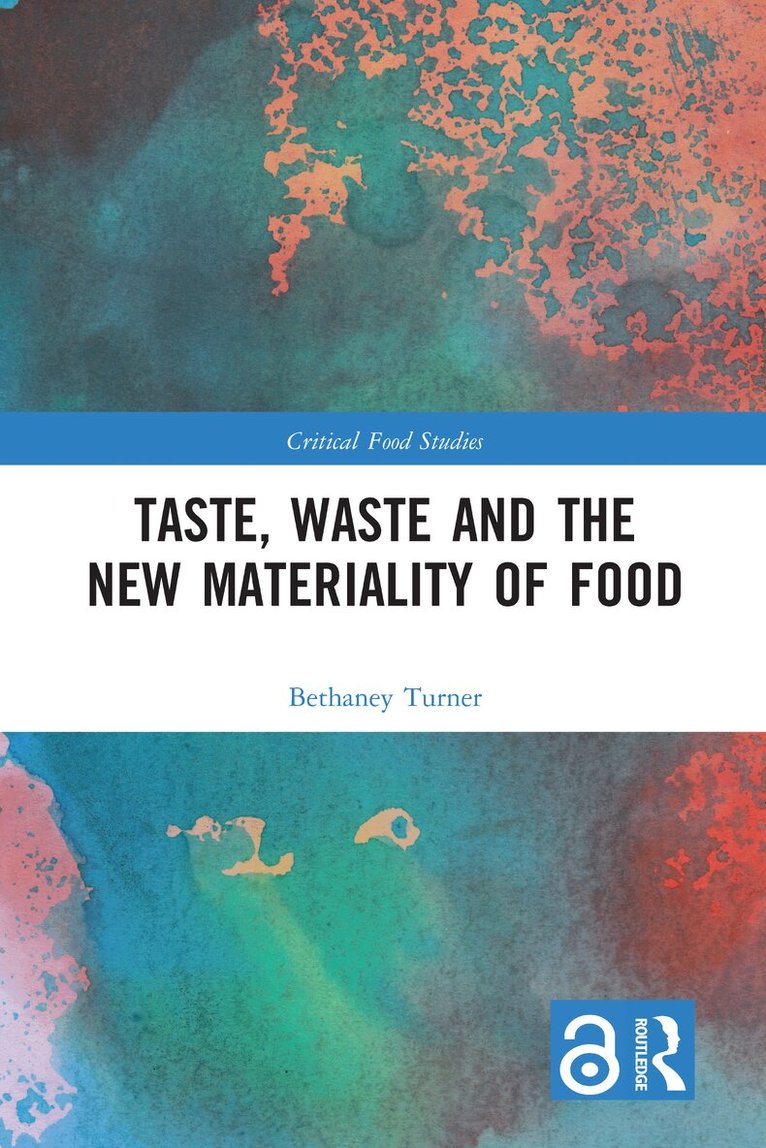
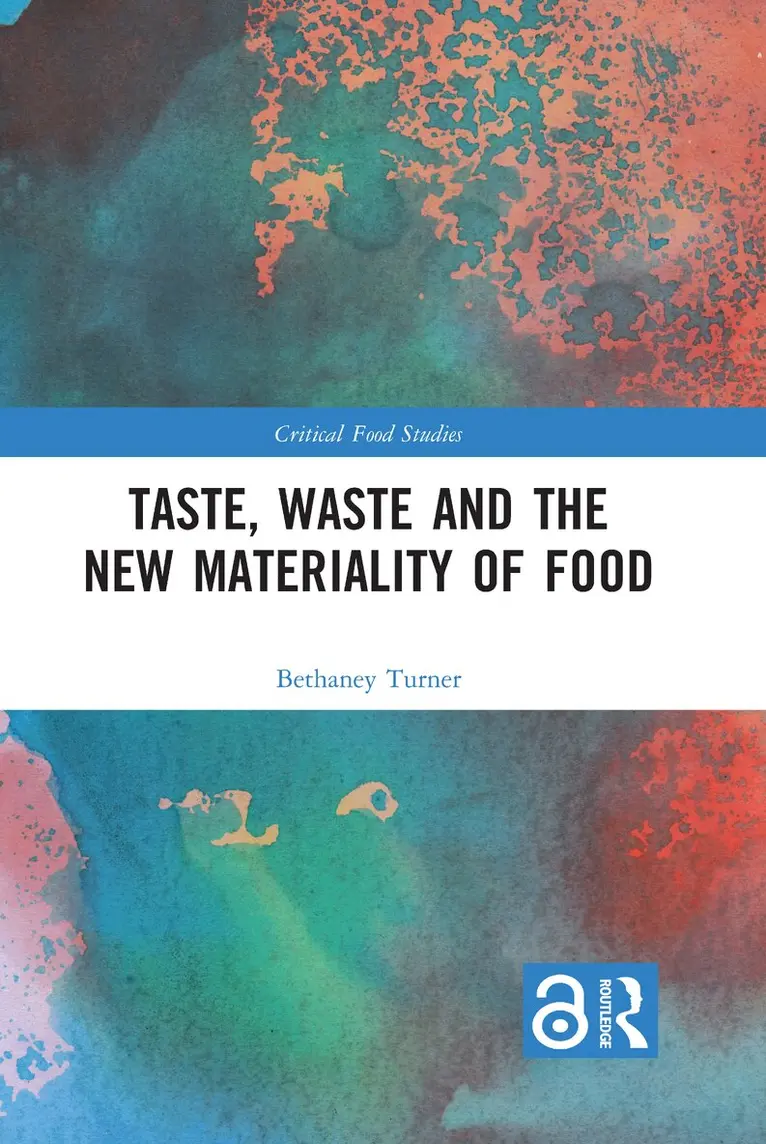
Taste, Waste and the New Materiality of Food
Häftad, 2020
690 kr
Lägg i varukorg
Anthropocentric thinking produces fractured ecological perspectives that can perpetuate destructive, wasteful behaviours. Learning to recognise the entangled nature of our everyday relationships with food can encourage ethical ecological thinking and lay the foundations for more sustainable …
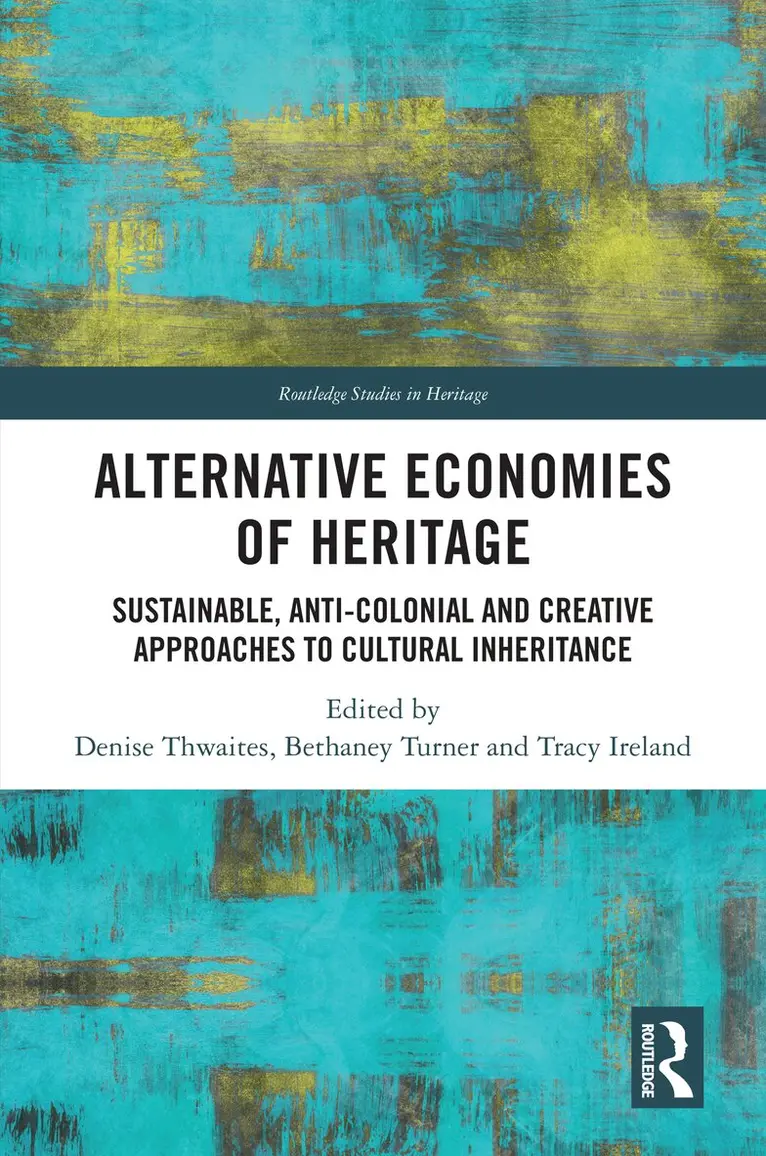
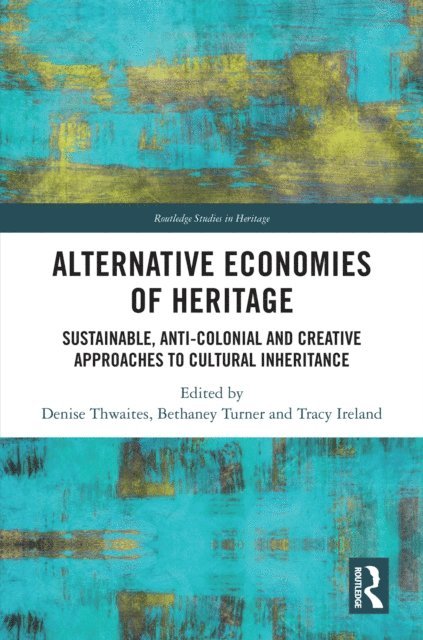
Alternative Economies of Heritage
Sustainable, Anti-Colonial and Creative Approaches to Cultural Inheritance
Av Denise Thwaites, Bethaney Turner m. fl.
Inbunden, 2025
2591 kr
Lägg i varukorg
Alternative Economies of Heritage is a groundbreaking edited volume that critically evaluates how the ‘work’ of heritage can be reimagined, as a multifarious field of thought and action, to resist the reductive economies of colonial capitalism.In a global context of cultural financialisation and …
Alternative Economies of Heritage
Sustainable, Anti-Colonial and Creative Approaches to Cultural Inheritance
Av Denise Thwaites, Bethaney Turner m. fl.
Häftad, 2026
707 kr
Lägg i varukorg
Alternative Economies of Heritage is a groundbreaking edited volume that critically evaluates how the ‘work’ of heritage can be reimagined, as a multifarious field of thought and action, to resist the reductive economies of colonial capitalism.In a global context of cultural financialisation and …
Alternative Economies of Heritage
Sustainable, Anti-Colonial and Creative Approaches to Cultural Inheritance
Av Tracy Ireland, Bethaney Turner m. fl.
E-bok, 2025
831 kr
Lägg i varukorg
Alternative Economies of Heritage is a groundbreaking edited volume that critically evaluates how the ‘work’ of heritage can be reimagined, as a multifarious field of thought and action, to resist the reductive economies of colonial capitalism. In a global context of cultural financialisation and …
Alternative Economies of Heritage
Sustainable, Anti-Colonial and Creative Approaches to Cultural Inheritance
Av Tracy Ireland, Bethaney Turner m. fl.
E-bok, 2025
807 kr
Lägg i varukorg
Alternative Economies of Heritage is a groundbreaking edited volume that critically evaluates how the ‘work’ of heritage can be reimagined, as a multifarious field of thought and action, to resist the reductive economies of colonial capitalism. In a global context of cultural financialisation and …
Taste, Waste and the New Materiality of Food
Inbunden, 2018
2506 kr
Lägg i varukorg
Anthropocentric thinking produces fractured ecological perspectives that can perpetuate destructive, wasteful behaviours. Learning to recognise the entangled nature of our everyday relationships with food can encourage ethical ecological thinking and lay the foundations for more sustainable …