Bethany Hughes - Böcker
Visar alla böcker från författaren Bethany Hughes. Handla med fri frakt och snabb leverans.
3 produkter
3 produkter
137 kr
Kommande
What motivates North American Indigenous theatre? What differentiates this type of theatre, and what informs its culture? To what extent does this reality contend with the Western theatrical expectation of a radicalized "Indian"? This brief study explores key concepts that shape and motivate North American Indigenous theatre, while providing insight and best practices for understanding and appreciating Indigenous plays.Explored through four key topics - being and knowing, relationships, time, and aesthetics - and textually supported by the works of playwrights like Yvette Nolan Monique Mojica, and Mary Kathryn Nagle, Theatre and Indigeneity brings Indigenous studies theories and conversations to bear on Indigenous theatre so that readers are better prepared to understand and assess encounters with Indigenous theatre and performance.
980 kr
Skickas inom 10-15 vardagar
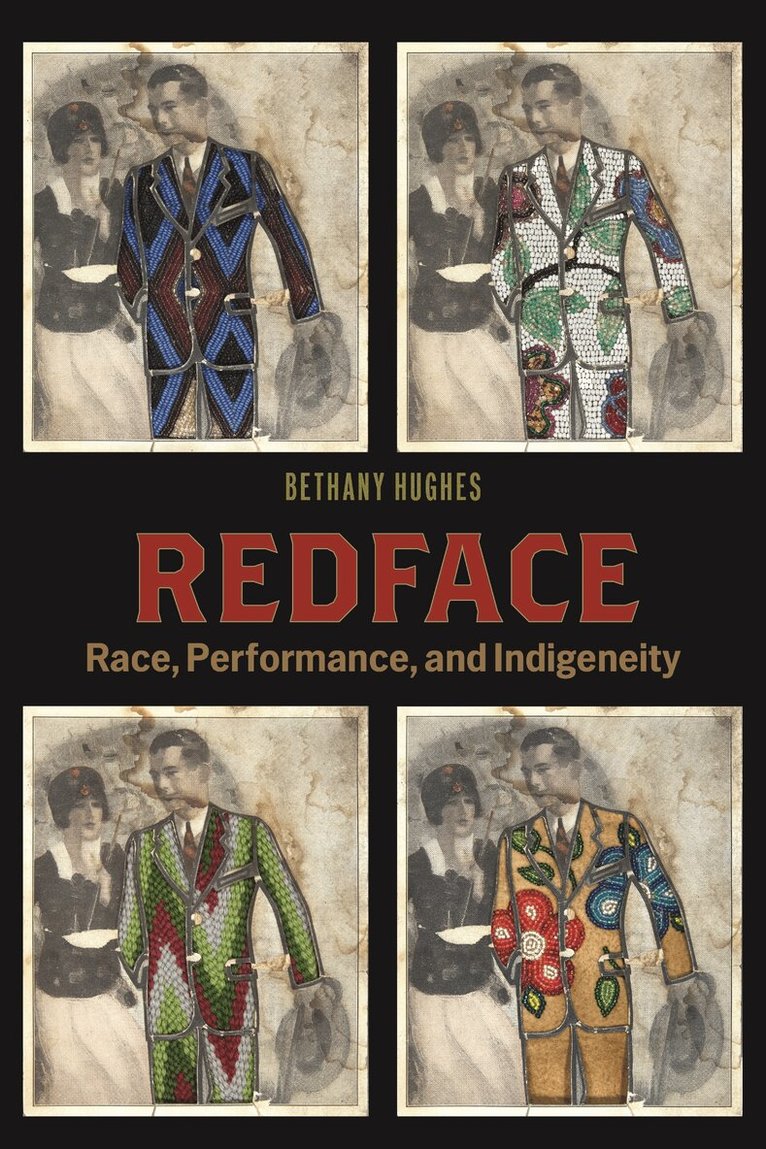
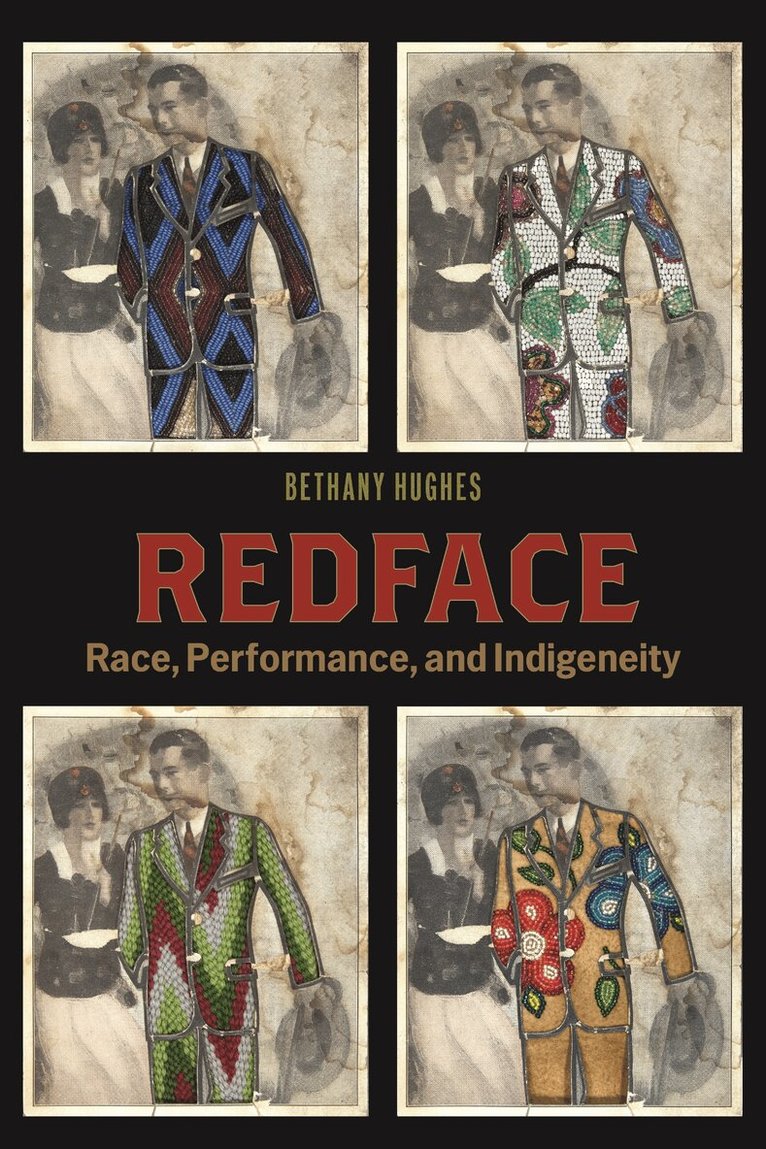
Considers the character of the "Stage Indian" in American theater and its racial and political impact Redface unearths the history of the theatrical phenomenon of redface in nineteenth- and twentieth-century America. Like blackface, redface was used to racialize Indigenous peoples and nations, and even more crucially, exclude them from full citizenship in the United States. Arguing that redface is more than just the costumes or makeup an actor wears, Bethany Hughes contends that it is a collaborative, curatorial process through which artists and audiences make certain bodies legible as "Indian." By chronicling how performances and definitions of redface rely upon legibility and delineations of race that are culturally constructed and routinely shifting, this book offers an understanding of how redface works to naturalize a very particular version of history and, in doing so, mask its own performativity.Tracing the "Stage Indian" from its early nineteenth-century roots to its proliferation across theatrical entertainment forms and turn of the twenty-first century attempts to address its racist legacy, Redface uses case studies in law and civic life to understand its offstage impact. Hughes connects extensive scholarship on the "Indian" in American culture to the theatrical history of racial impersonation and critiques of settler colonialism, demonstrating redface's high stakes for Indigenous and non-Indigenous alike. Revealing the persistence of redface and the challenges of fixing it, Redface closes by offering readers an embodied rehearsal of what it would mean to read not for the "Indian" but for Indigenous theater and performance as it has always existed in the US.
318 kr
Skickas inom 7-10 vardagar
Considers the character of the "Stage Indian" in American theater and its racial and political impact Redface unearths the history of the theatrical phenomenon of redface in nineteenth- and twentieth-century America. Like blackface, redface was used to racialize Indigenous peoples and nations, and even more crucially, exclude them from full citizenship in the United States. Arguing that redface is more than just the costumes or makeup an actor wears, Bethany Hughes contends that it is a collaborative, curatorial process through which artists and audiences make certain bodies legible as "Indian." By chronicling how performances and definitions of redface rely upon legibility and delineations of race that are culturally constructed and routinely shifting, this book offers an understanding of how redface works to naturalize a very particular version of history and, in doing so, mask its own performativity.Tracing the "Stage Indian" from its early nineteenth-century roots to its proliferation across theatrical entertainment forms and turn of the twenty-first century attempts to address its racist legacy, Redface uses case studies in law and civic life to understand its offstage impact. Hughes connects extensive scholarship on the "Indian" in American culture to the theatrical history of racial impersonation and critiques of settler colonialism, demonstrating redface's high stakes for Indigenous and non-Indigenous alike. Revealing the persistence of redface and the challenges of fixing it, Redface closes by offering readers an embodied rehearsal of what it would mean to read not for the "Indian" but for Indigenous theater and performance as it has always existed in the US.