Beti Ellerson - Böcker
Visar alla böcker från författaren Beti Ellerson. Handla med fri frakt och snabb leverans.
2 produkter
2 produkter
205 kr
Skickas inom 11-20 vardagar
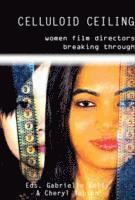
Now Kathryn Bigelow has made history as the first woman to win an Oscar for directing, is this a new era for women filmmakers? The figures suggest otherwise. Seeking to redress the imbalance between male and female film directors, Celluloid Ceiling explores inspiring new work appearing in the USA, the UK and globally. Highlighting emerging women directors alongside ground-breaking pioneers, this is a one-stop guide to the leading women film directors in the 21st century and those who inspired them. From Oscar-winning action director Kathryn Bigelow to emerging strong voices from Saudi Arabia, Pakistan and Laos, particular attention is paid to women making films in traditionally male-dominated areas such as action, sci-fi and fantasy and to works with a new take on the violence and pornography of the horror genre. This book shows that the changes overturning current business and artistic processes are opening up new opportunities for women film directors who are determined make the most of these. The contributors represent women making film Africa, Latin America, Europe, USA, Asia and India, with new voices in Japanese and Middle Eastern cinema, the women directors working in TV, as well as the first woman director Alice Guy Blache, the rise of the independent and the horror aficionados the Soska Sisters, Celluloid Ceiling includes numerous interviews and b/w photographs.
362 kr
Skickas inom 7-10 vardagar
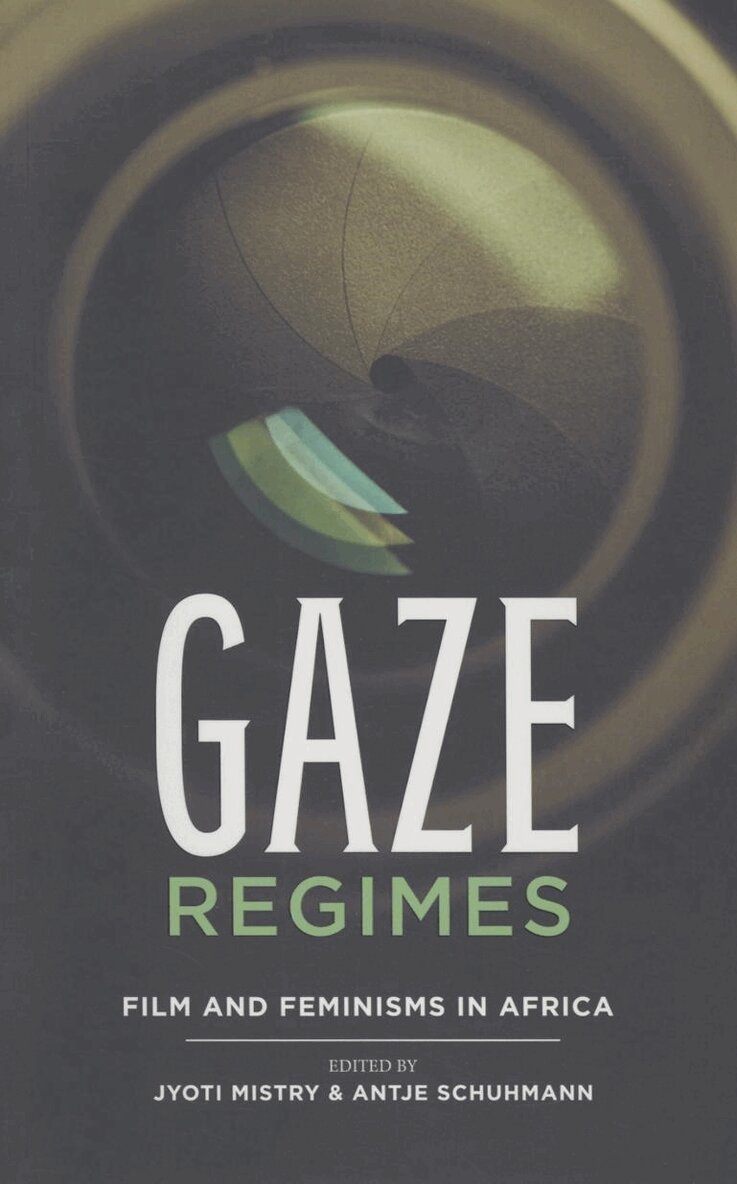
Gaze Regimes is a bricolage of essays and interviews showcasing the experiences of women working in film, either directly as practitioners or in other areas as curators, festival programme directors or fundraisers. It does not shy away from questioning the relations of power in the practice of filmmaking and the power invested in the gaze itself. Who is looking and who is being looked at, who is telling women's stories in Africa and what governs the mechanics of making those films on the continent?The interviews with film practitioners such as Tsitsi Dangarembga, Taghreed Elsanhouri, Jihan El-Tahri, Anita Khanna, Isabel Noronhe, Arya Lalloo and Shannon Walsh demonstrate the contradictory points of departure of women in film – from their understanding of feminisms in relation to lived-experiences and the realpolitik of women working as cultural practitioners.The disciplines of gender studies, postcolonial theory, and film theory provide the framework for the book's essays. Jyoti Mistry, Antje Schuhmann, Nobunye Levin, Dorothee Wenner and Christina von Braun are some of the contributors who provide valuable context, analysis and insight into, among other things, the politics of representation, the role of film festivals and the collective and individual experiences of trauma and marginality which contribute to the layered and complex filmic responses of Africa's film practitioners.