Bettina Bradbury - Böcker
Visar alla böcker från författaren Bettina Bradbury. Handla med fri frakt och snabb leverans.
7 produkter
7 produkter
1 140 kr
Skickas inom 7-10 vardagar
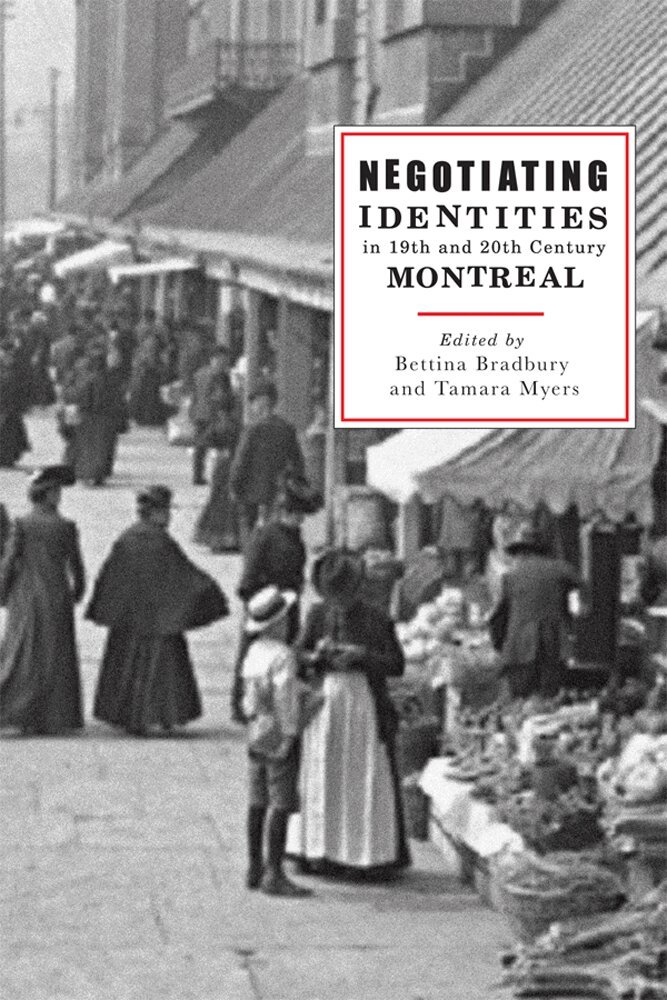
Negotiating Identities in 19th- and 20th-Century Montrealilluminates the cultural complexity and richness of a modernizing cityand its people. The chapters focus on sites where identities wereforged and contested over crucial decades in Montreal's history.Readers will discover the links between identity, place, and historicalmoment as they meet vagrant women, sailors in port, unemployed men ofthe Great Depression, elite families, shopkeepers, reformers, notaries,and social workers, among others. This is a fascinating study thatexplores the intersections of state, people, and the voluntary sectorto elucidate the processes that took people between homes andcemeteries, between families and shops, and onto the streets. This bookwill be of interest to a wide range of social and cultural historians,critical geographers, students of gender studies, and those wanting toknow more about the fascinating past of one of Canada's mostlively cities.
398 kr
Skickas inom 7-10 vardagar
Negotiating Identities in 19th- and 20th-Century Montrealilluminates the cultural complexity and richness of a modernizing cityand its people. The chapters focus on sites where identities wereforged and contested over crucial decades in Montreal's history.Readers will discover the links between identity, place, and historicalmoment as they meet vagrant women, sailors in port, unemployed men ofthe Great Depression, elite families, shopkeepers, reformers, notaries,and social workers, among others. This is a fascinating study thatexplores the intersections of state, people, and the voluntary sectorto elucidate the processes that took people between homes andcemeteries, between families and shops, and onto the streets. This bookwill be of interest to a wide range of social and cultural historians,critical geographers, students of gender studies, and those wanting toknow more about the fascinating past of one of Canada's mostlively cities.
1 140 kr
Skickas inom 7-10 vardagar
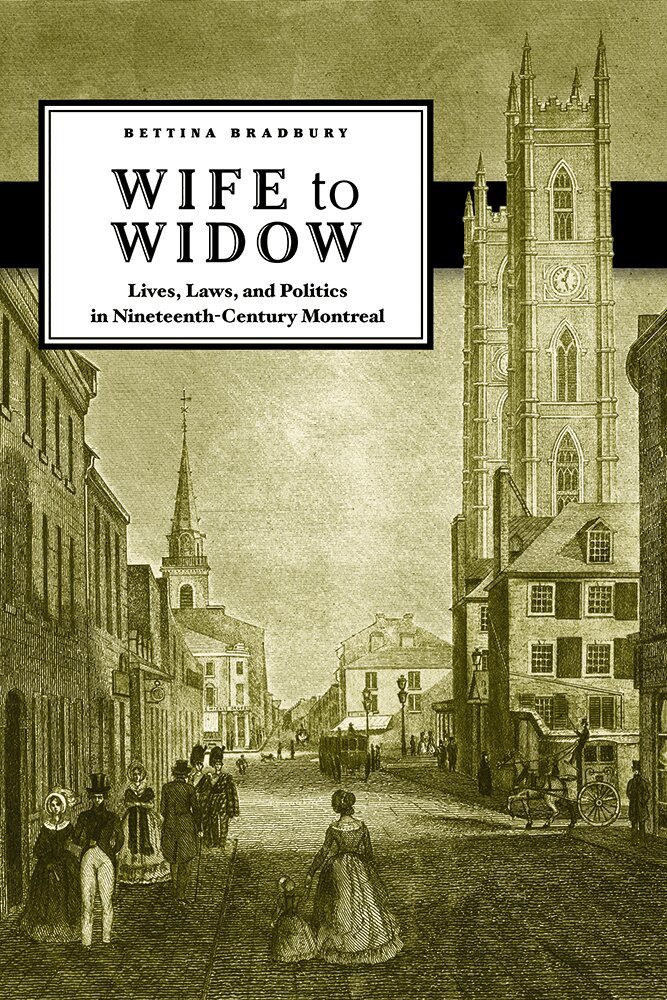
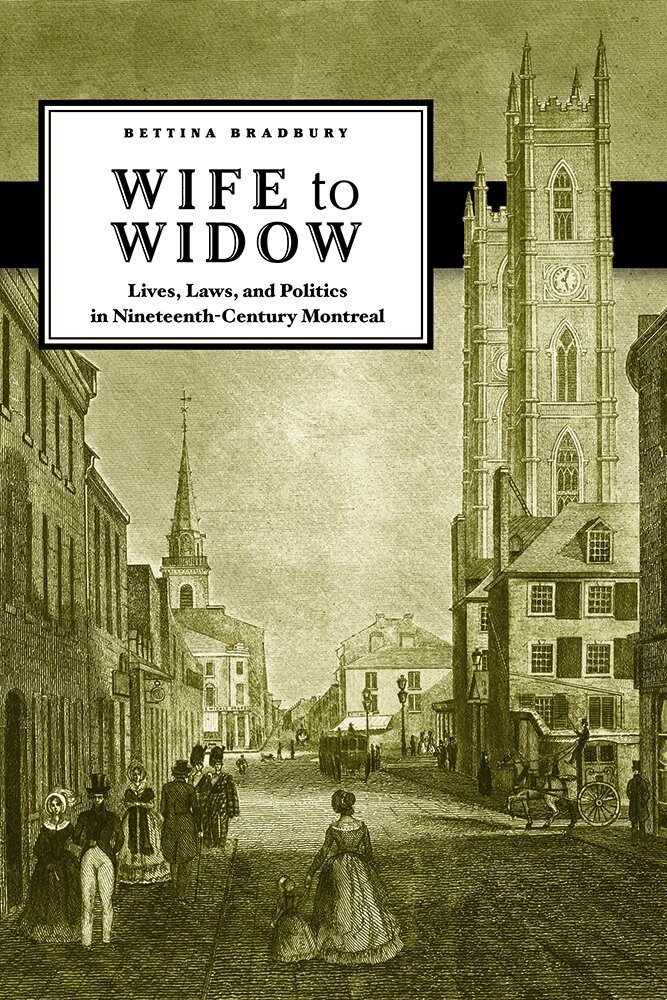
In Wife to Widow, award-winning historian Bettina Bradbury explores the little-studied phenomenon of the transition from wife to widowhood to offer new insights into the law, politics, demography, religion, and domestic life of early nineteenth-century Montreal.Bradbury's unique history spans the lives of two generations of Montreal women who married either before or after the Patriote rebellions of 1837-38 to reveal a picture of a city and its inhabitants across a period of profound change. Bradbury draws on a wealth of primary sources, weaving together biographies of individual women against a backdrop of the collective genealogies of over 500 , to show how women – Catholic, Protestant, and Jewish, wealthy and working-class – interacted with and shaped the city's culture, customs, and institutions, even as they laboured under the shifting conditions of patriarchy.A truly monumental study, Wife to Widow is an immensely readable, rigorous, and compelling examination of the significance of marriage and widowhood at a key moment in history.
383 kr
Skickas inom 7-10 vardagar
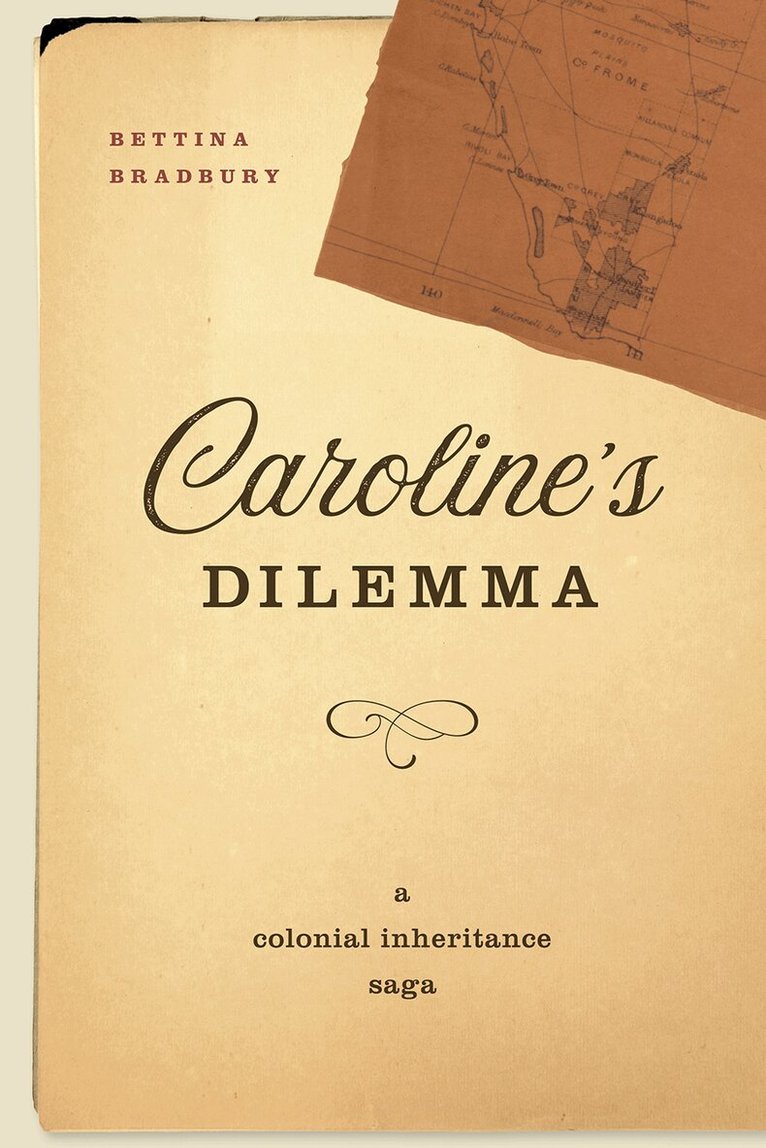
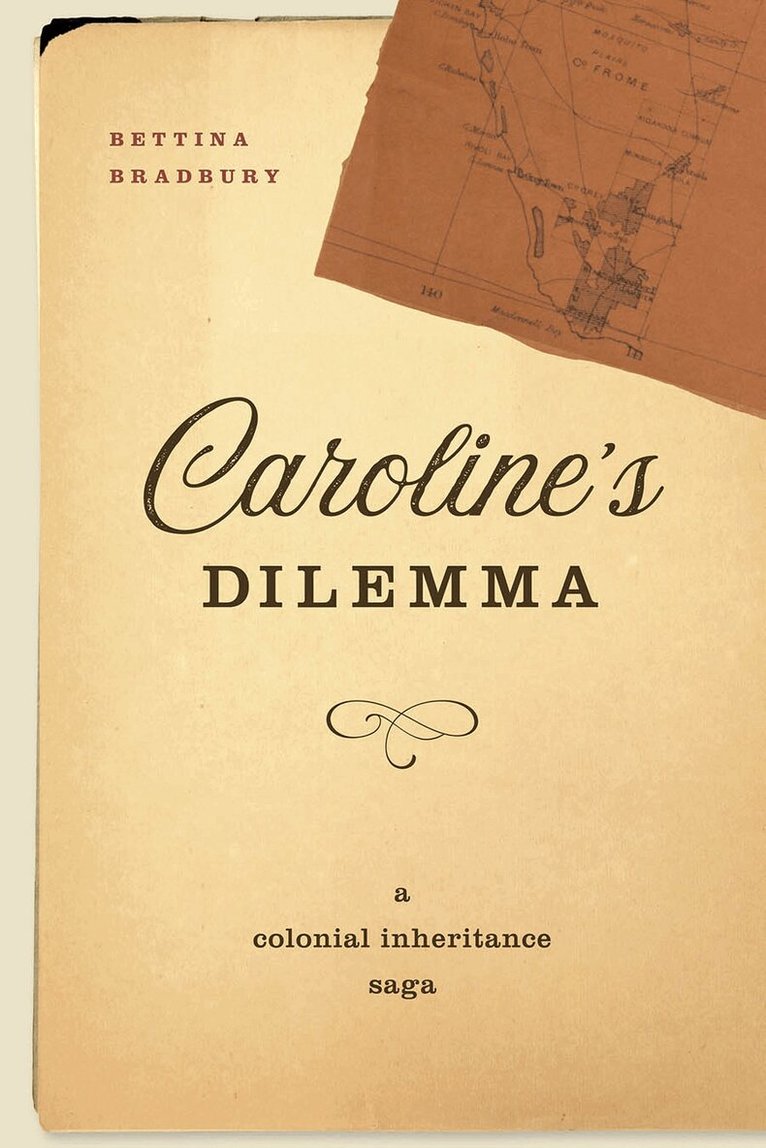
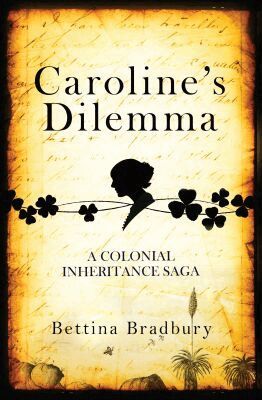
Caroline Kearney faced a heartbreaking dilemma.Caroline was a thirty-one-year-old mother of six when her husband died in Melbourne, Australia in 1865. Having no legal rights herself to the sheep station in Wimmera, Victoria that her late husband owned, she had great hopes that her sons would inherit it. But that was not to be. Her husband's will, written on his deathbed, offered a reasonable annuity to support her and the children, but it came with a catch. To get that money, Caroline had to move to Ireland with her children and live in a house of her brothers-in-law's choosing. English-born, Caroline had migrated to Australia with her family when she was only seventeen. She had never even been to Ireland. Her husband and his family – unlike her – were Catholic.This extraordinary book combines storytelling with a historian's detective work. Pieced together from evidence in archives, newspapers, genealogical sites, legal records and old-fashioned legwork, Caroline's Dilemma sheds new light on the workings of colonial gender relationships and family lives that spanned the nineteenth century globe. It reveals much about women's property rights, migration, settler colonialism, the Irish diaspora, and sectarian conflict. It shows how one middle-class woman and her family fought to shape their own lives within the British Empire.
1 064 kr
Skickas inom 7-10 vardagar
Caroline Kearney faced a heartbreaking dilemma.Caroline was a thirty-one-year-old mother of six when her husband died in Melbourne, Australia in 1865. Having no legal rights herself to the sheep station in Wimmera, Victoria that her late husband owned, she had great hopes that her sons would inherit it. But that was not to be. Her husband's will, written on his deathbed, offered a reasonable annuity to support her and the children, but it came with a catch. To get that money, Caroline had to move to Ireland with her children and live in a house of her brothers-in-law's choosing. English-born, Caroline had migrated to Australia with her family when she was only seventeen. She had never even been to Ireland. Her husband and his family – unlike her – were Catholic.This extraordinary book combines storytelling with a historian's detective work. Pieced together from evidence in archives, newspapers, genealogical sites, legal records and old-fashioned legwork, Caroline's Dilemma sheds new light on the workings of colonial gender relationships and family lives that spanned the nineteenth century globe. It reveals much about women's property rights, migration, settler colonialism, the Irish diaspora, and sectarian conflict. It shows how one middle-class woman and her family fought to shape their own lives within the British Empire.
413 kr
Skickas inom 7-10 vardagar
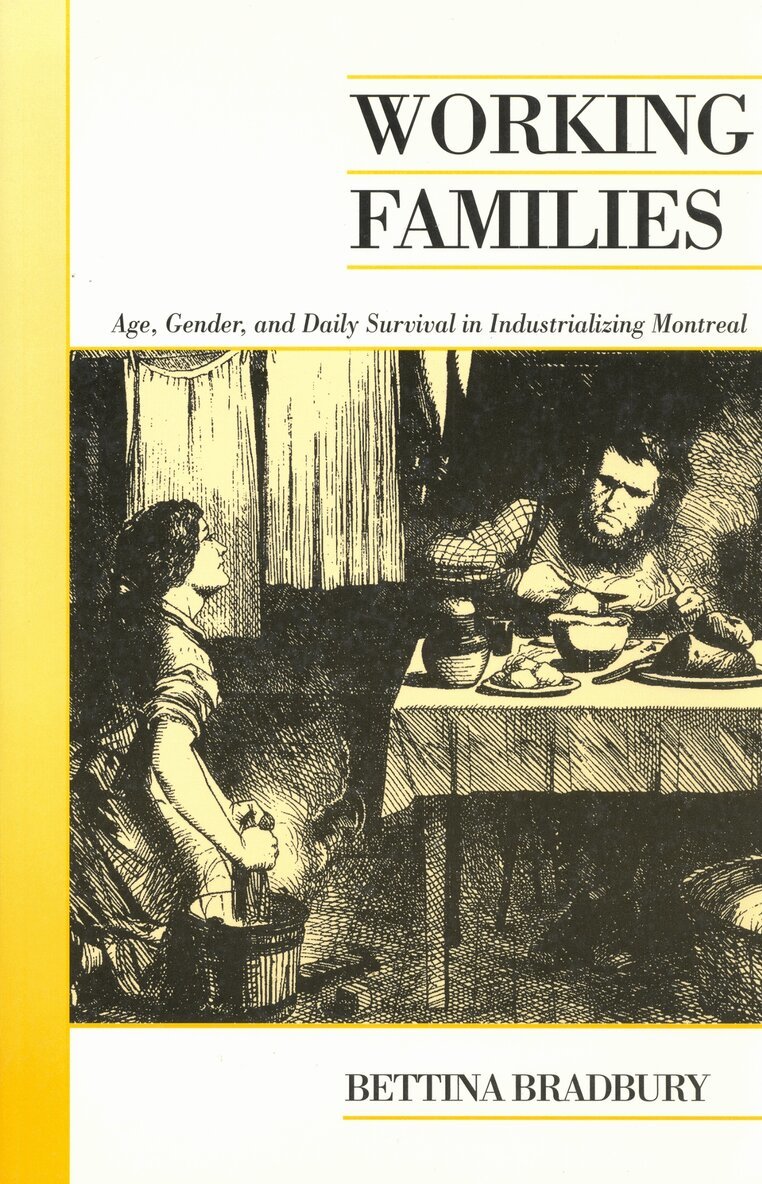
Working Families takes the reader onto the streets of Montreal and into the homes of its working-class families during the years that it became a major, industrial city. Between the 1860s and 1890s the expansion of wage labour changed the bases of family survival. It offered new possibilities and created new points of tension within the families of the emerging working class. Here we meet the men, youth, and children who worked for wages. We see the women who stayed home with their young, cooked and sewed, planted gardens and tended animals, stretching their often meagre family wages into goods and services for survival. We also see the ingenuity and agony of women whose husbands lost their jobs, fell ill, drank up their wages, deserted their families, or died.Working Families explores the complex variety of responses of working-class families to their new lives within industrial capitalist society, and offers new ways of looking at the industrial revolution in Canada.
272 kr
Skickas inom 7-10 vardagar
Caroline Kearney’s husband bequeathed her a heart-breaking dilemma. Writing his will as he lay dying in Melbourne in 1865, Edward Kearney promised his wife £100 a year and more to educate their sons, but only if she moved to Ireland with their six children and lived in a house that her brothers-in-law would choose and furnish. Caroline (née Bax) had never been to Ireland. Edward had left as a young man. Why were these his final wishes?How did this young widow respond to such a draconian exercise of male power from the grave? Could a husband legally force his widow to migrate against her wishes? Caroline’s Dilemma follows Caroline and Edward’s migration histories from Britain and Ireland to Australia, their marriage, and their experiences running sheep stations on Aboriginal land in South Australia and Victoria. Caroline did not want to leave Australia, leaving her own parents and siblings behind. She contested his will in the courts and struggled against the growing influence of his Irish Catholic family. Feisty, determined and sometimes devious, she drew on the support of her family, drink and his estate to try to shape her future and that of her children.This extraordinary book combines story telling with an historian’s detective work required to bring it to light. Pieced together from evidence in archives, newspapers, genealogical sites and legal records, this book sheds new light on the workings of nineteenth-century gender and male power, family lives that span imperial sites, inheritance, migration, settler colonialism, the Irish diaspora and sectarian conflict. It shows how one middle-class woman and her family fought to shape their own lives within the British Empire and its colonies.