Beverley Glover - Böcker
Visar alla böcker från författaren Beverley Glover. Handla med fri frakt och snabb leverans.
3 produkter
3 produkter
2 253 kr
Skickas inom 7-10 vardagar
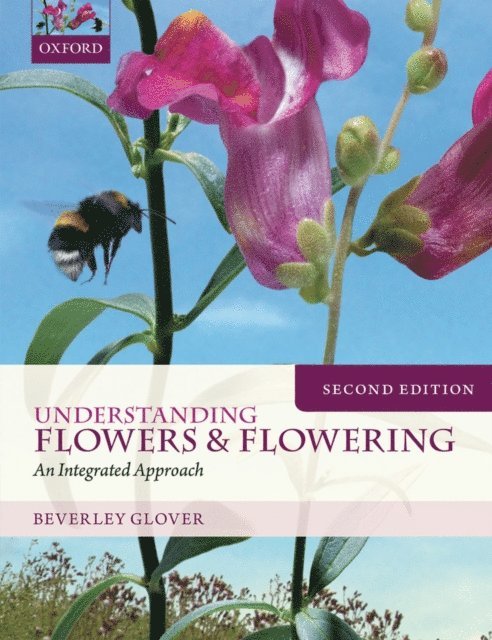
Flowers are the beautiful and complex reproductive structures of the angiosperms, one of the most diverse and successful groups of living organisms. The underlying thesis of this book is that to fully understand plant development (and why flowers differ in shape, structure and colour), it is necessary to understand why it is advantageous for them to look like they do. Conversely, in order to fully understand plant ecology, it is necessary to appreciate how floral structures have developed and evolved. Uniquely, this book addresses flowers and flowering from both a molecular genetic perspective (considering flower induction, development and self-incompatibility) and an ecological perspective (looking at the selective pressures placed on plants by pollinators, and the consequences for animal-plant co-evolution). Understanding Flowers and Flowering, the first edition of which won BES Marsh Book of the Year in 2009, begins by considering the evolution of flowers and the history of research into their development. This is followed by a detailed description of the processes which lead to flower production in model plants. The book then examines how flowers differ in shape, structure and colour, and how these differences are generated. Finally it assesses the role of these various aspects of floral biology in attracting pollinators and ensuring successful reproduction. This new edition has been completely revised and updated to reflect the latest advances in the field, especially an increased understanding of the evolution of floral traits. New chapters consider the genetic basis of the floral transition in diverse species, as well as the evolutionary lability of floral form. There is a new focus throughout on both phylogenetic position and morphological diversity across the angiosperm phylogeny. Understanding Flowers and Flowering continues to provide the first truly integrated study of the topic - one that discusses both the how and why of flowering plant reproductive biology.
1 066 kr
Skickas inom 7-10 vardagar
Flowers are the beautiful and complex reproductive structures of the angiosperms, one of the most diverse and successful groups of living organisms. The underlying thesis of this book is that to fully understand plant development (and why flowers differ in shape, structure and colour), it is necessary to understand why it is advantageous for them to look like they do. Conversely, in order to fully understand plant ecology, it is necessary to appreciate how floral structures have developed and evolved. Uniquely, this book addresses flowers and flowering from both a molecular genetic perspective (considering flower induction, development and self-incompatibility) and an ecological perspective (looking at the selective pressures placed on plants by pollinators, and the consequences for animal-plant co-evolution). Understanding Flowers and Flowering, the first edition of which won BES Marsh Book of the Year in 2009, begins by considering the evolution of flowers and the history of research into their development. This is followed by a detailed description of the processes which lead to flower production in model plants. The book then examines how flowers differ in shape, structure and colour, and how these differences are generated. Finally it assesses the role of these various aspects of floral biology in attracting pollinators and ensuring successful reproduction. This new edition has been completely revised and updated to reflect the latest advances in the field, especially an increased understanding of the evolution of floral traits. New chapters consider the genetic basis of the floral transition in diverse species, as well as the evolutionary lability of floral form. There is a new focus throughout on both phylogenetic position and morphological diversity across the angiosperm phylogeny. Understanding Flowers and Flowering continues to provide the first truly integrated study of the topic - one that discusses both the how and why of flowering plant reproductive biology.
100 kr
Skickas inom 7-10 vardagar
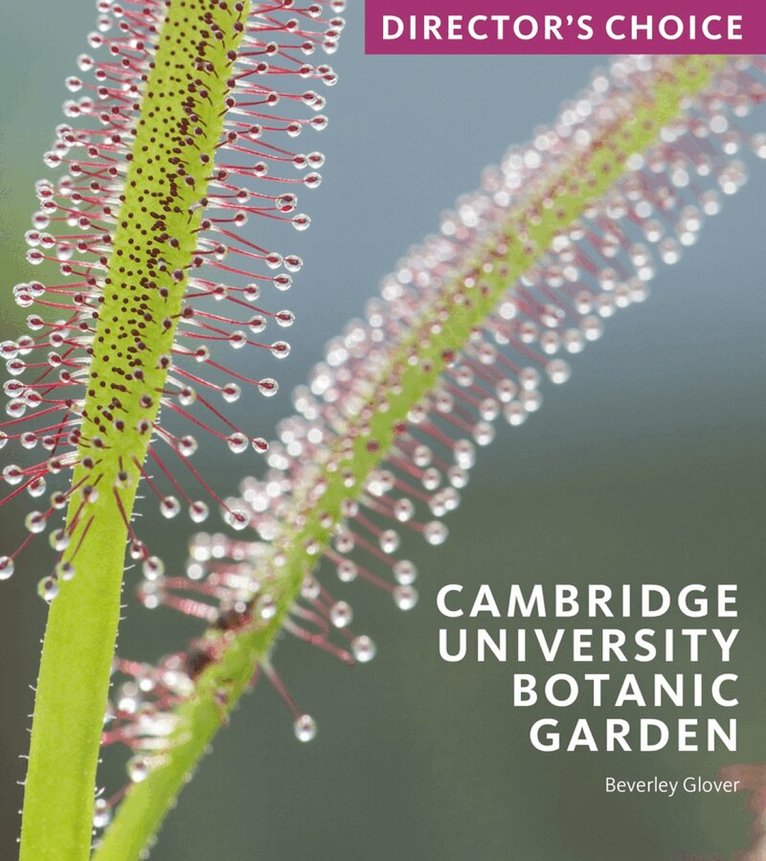
Cambridge University Botanic Garden is a unique 40-acre site housing a living collection of plants for research and teaching use by the University of Cambridge. Laid out in 1846 to demonstrate relationships between major plant groups, the Gardentoday is home to 8,000 species from all around the world, including 2,000 trees which provide year-round interest.In this guide the Director, Professor Beverley Glover, introduces the reader to some of the highlights in the Botanic Garden's collection. These include majestic trees and beautiful flowers, but also some rare and vulnerable species that might otherwise escape notice. She sets the scene for the Garden's foundation and history through its original map, and showcases some of its modern landscapes and horticultural set pieces. Throughout the guide she emphasises the enormous role that the Botanic Garden playsin modern scientific research, and explains some of the key breakthroughs of recent years.