Beverly Mayne Kienzle - Böcker
Visar alla böcker från författaren Beverly Mayne Kienzle. Handla med fri frakt och snabb leverans.
10 produkter
10 produkter
754 kr
Skickas inom 10-15 vardagar
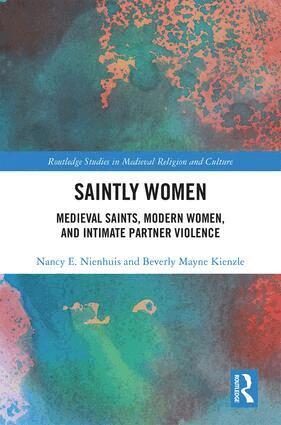
This ground-breaking volume assesses the contemporary epidemic of intimate partner violence and explores how and why cultural and religious beliefs serve to excuse battering and to work against survivors’ attempts to find safety. Theological interpretations of sacred texts have been used for centuries to justify or minimize violence against women. The authors recover historical and especially medieval narratives whose protagonists endure violence that is framed by religious texts or arguments. The medieval theological themes that redeem battering in saints’ lives—suffering, obedience, ownership and power—continue today in most religious traditions. This insightful book emphasizes Christian history and theology, but the authors signal contributions from interfaith studies to efforts against partner violence.Examining medieval attitudes and themes sharpens the readers’ understanding of contemporary violence against women. Analyzing both historical and contemporary narratives from a religious perspective grounds the unique approach of Nienhuis and Kienzle, one that forges a new path in grappling with partner violence. Medieval and contemporary narratives alike demonstrate that women in abusive relationships feel the burden of religious beliefs that enjoin wives to endure suffering and to maintain stable marriages. Religious leaders have reminded women of wives’ responsibility for obedience to husbands, even in the face of abuse. In some narratives, however, women create safe places for themselves. Moreover, some exemplary communities call upon religious belief to support their opposition to violence. Such models of historical resistance reveal precedents for response through intervention or protection.
591 kr
Skickas inom 3-6 vardagar
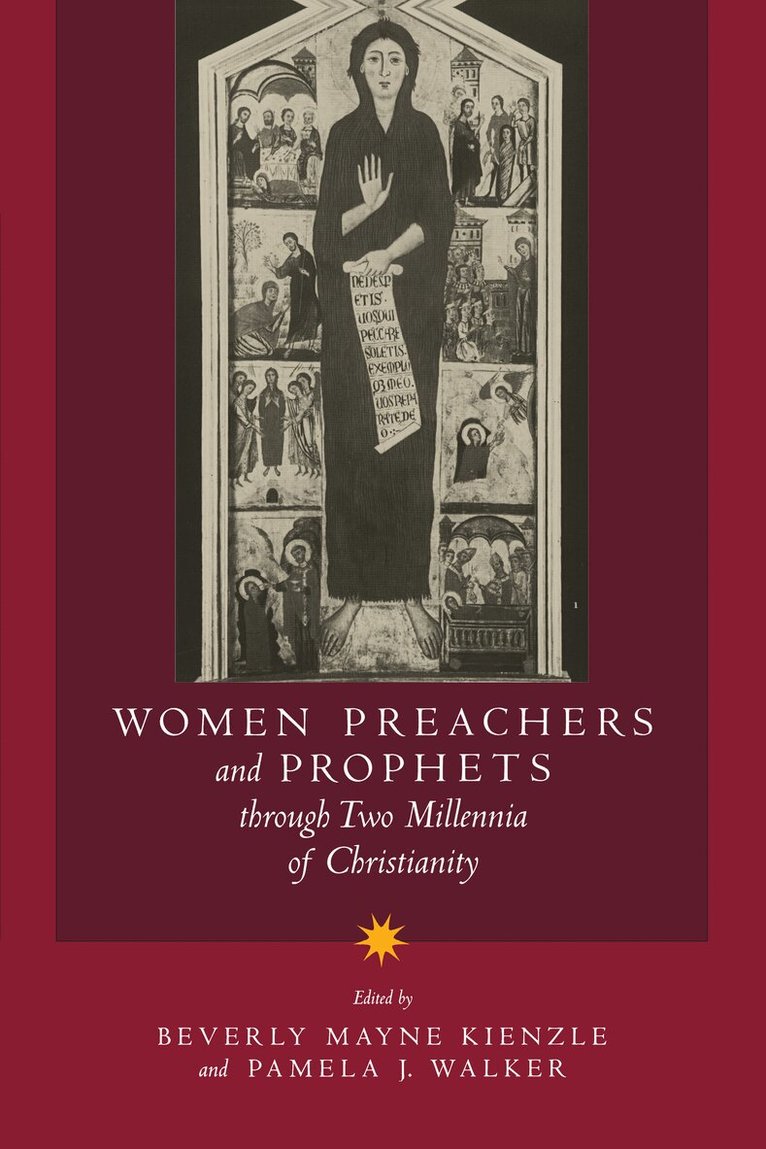
For nearly two millennia, despite repeated prohibitions, Christian women have preached. Some have preached in official settings; others have found alternative routes for expression. Prophecy, teaching, writing, and song have all filled a broad definition of preaching. This anthology, with essays by an international group of scholars from several disciplines, investigates the diverse voices of Christian women who claimed the authority to preach and prophesy. The contributors examine the centuries of arguments, grounded in Pauline injunctions, against women's public speech and the different ways women from the early years of the church through the twentieth century have nonetheless exercised religious leadership in their communities. Some of them based their authority solely on divine inspiration; others were authorized by independent-minded communities; a few were even recognized by the church hierarchy. With its lively accounts of women preachers and prophets in the Christian tradition, this exceptionally well-documented collection will interest scholars and general readers alike.
2 574 kr
Skickas inom 10-15 vardagar
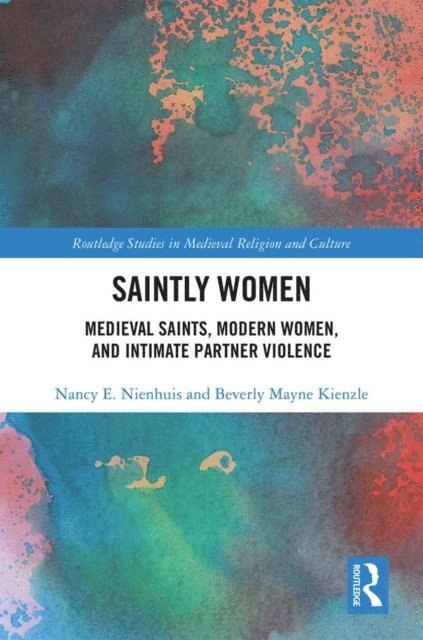
This ground-breaking volume assesses the contemporary epidemic of intimate partner violence and explores how and why cultural and religious beliefs serve to excuse battering and to work against survivors’ attempts to find safety. Theological interpretations of sacred texts have been used for centuries to justify or minimize violence against women. The authors recover historical and especially medieval narratives whose protagonists endure violence that is framed by religious texts or arguments. The medieval theological themes that redeem battering in saints’ lives—suffering, obedience, ownership and power—continue today in most religious traditions. This insightful book emphasizes Christian history and theology, but the authors signal contributions from interfaith studies to efforts against partner violence.Examining medieval attitudes and themes sharpens the readers’ understanding of contemporary violence against women. Analyzing both historical and contemporary narratives from a religious perspective grounds the unique approach of Nienhuis and Kienzle, one that forges a new path in grappling with partner violence. Medieval and contemporary narratives alike demonstrate that women in abusive relationships feel the burden of religious beliefs that enjoin wives to endure suffering and to maintain stable marriages. Religious leaders have reminded women of wives’ responsibility for obedience to husbands, even in the face of abuse. In some narratives, however, women create safe places for themselves. Moreover, some exemplary communities call upon religious belief to support their opposition to violence. Such models of historical resistance reveal precedents for response through intervention or protection.
Del 27 - Studies in Medieval Culture
De Ore Domini
Preacher and Word in the Middle Ages
Inbunden, Engelska, 1990
249 kr
Skickas inom 5-8 vardagar
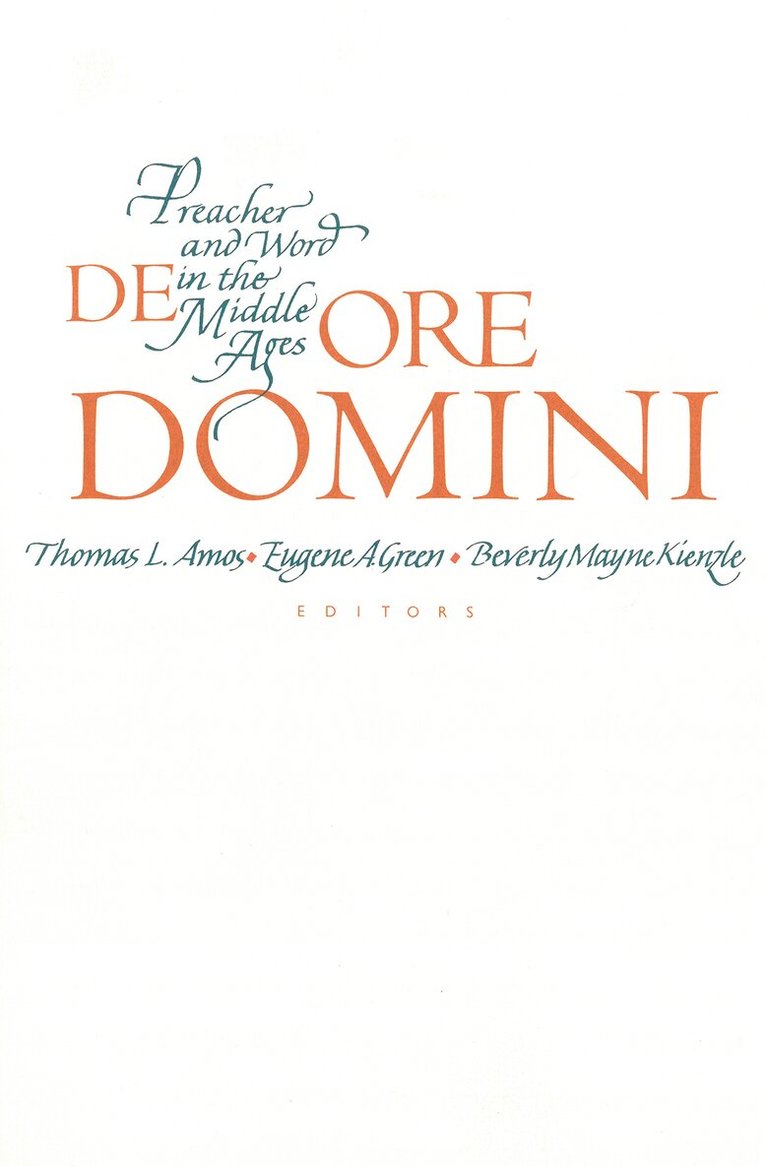
De Ore Domini: Preacher and Word in the Middle Ages is a volume of thirteen essays, constituting a series of chapters in the history of preaching. The essays present a diversity of historical periods, audiences, and methodologies. Ranging in time from the 700s to 1511, they cover a space that stretches from Johannes Herolt’s Germany to Ramon Llull's Mallorca, from Bede's England to the Italy of Bernadino of Siena and Egidio da Viterbo. As the title suggests, the mouth of the Lord spoke with many voices, and the contributors to this volume provide important examinations of individual preachers, genres, and sources of sermons. Commentary and analyses are made of materials from the symbolic and allegorical to the practical and dogmatic, and even the educational. Further, the essays discuss how sermons were used at different periods and how they addressed different audiences. The studies illustrate new methods and concerns in the field of sermon studies, and, collectively, they point to a central problem in the historiography of sermons and preaching. The collection offers insights into modern approaches to studying medieval sermons and will be of interest to scholars of medieval religion, preaching, and culture.
191 kr
Skickas inom 5-8 vardagar
273 kr
Skickas inom 5-8 vardagar
238 kr
Skickas inom 5-8 vardagar
144 kr
Skickas inom 5-8 vardagar
1 142 kr
Skickas inom 10-15 vardagar
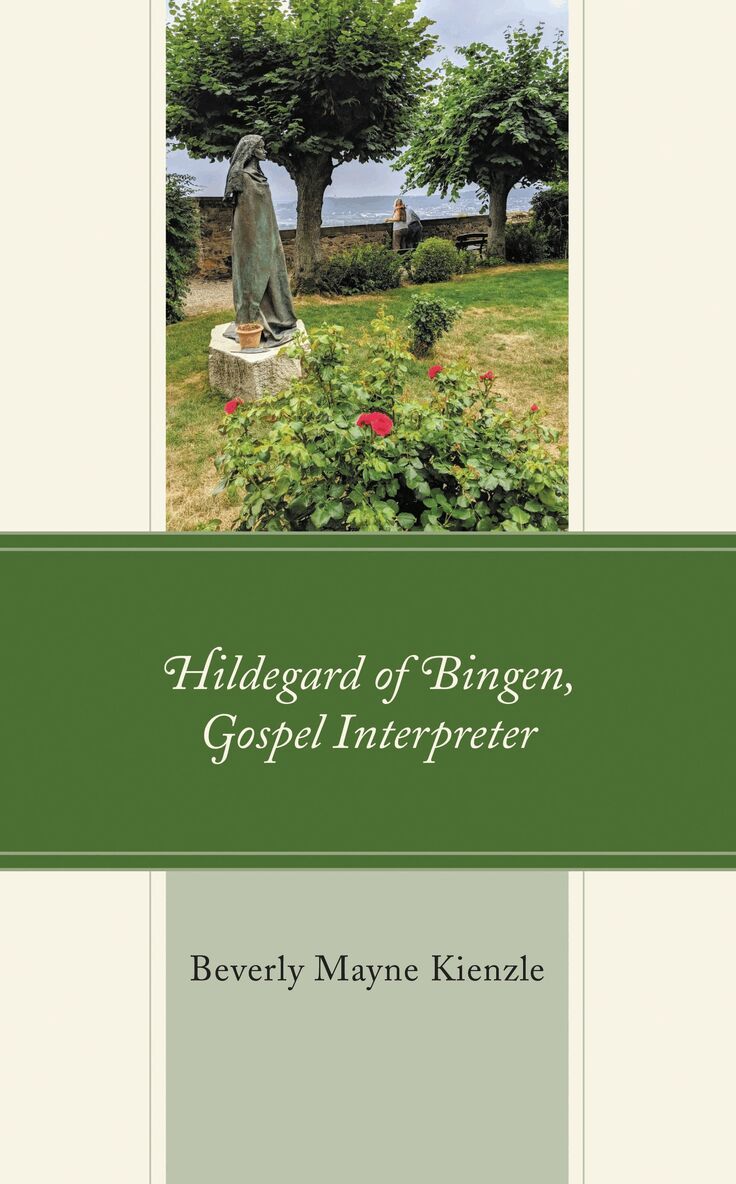
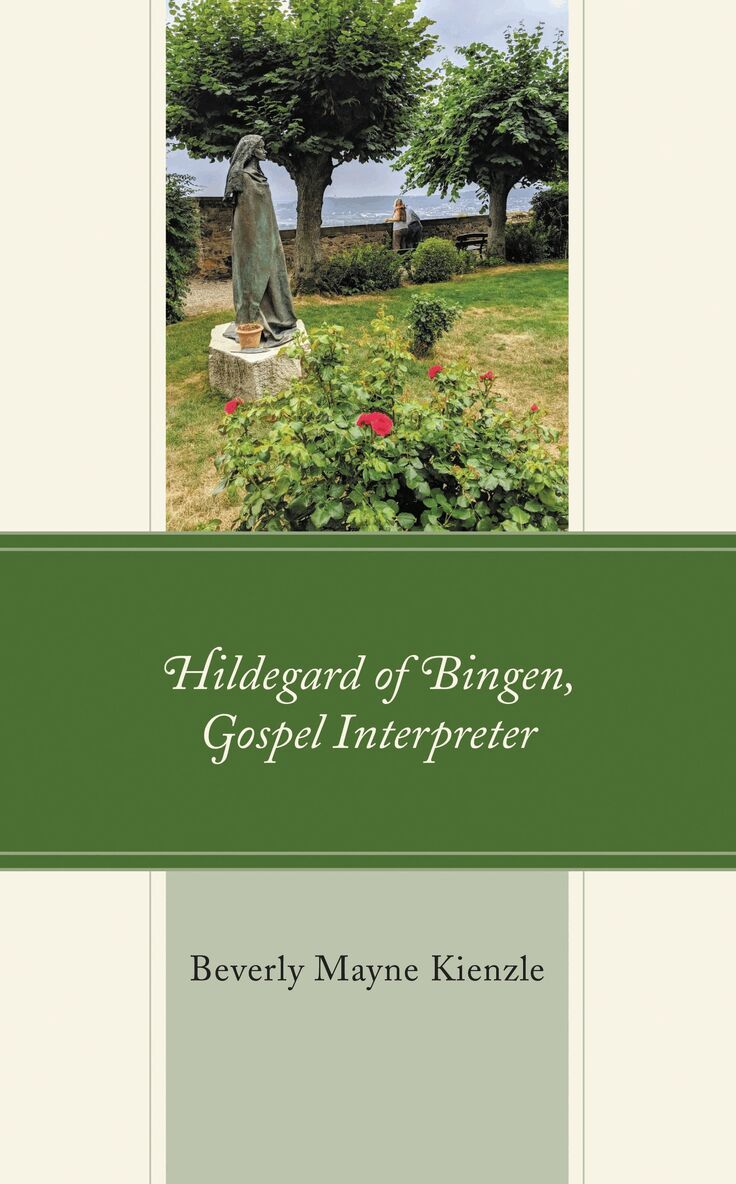
In Hildegard of Bingen, Gospel Interpreter, Beverly Mayne Kienzle presents and acquaints readers with Hildegard’s fifty-eight Homilies on the Gospels?a dazzling summa of her theology and the culmination of her visionary insight and scriptural knowledge. Part one probes how a twelfth-century woman became the only known female Gospel interpreter of the Middle Ages. It includes an examination of Hildegard’s epistemology?how she received her basic theological education and how she extended her knowledge through divine revelations and intellectual exchange with her monastic network. Part two expounds on several of Hildegard’s homilies, elucidating the theological brilliance that emanates from the creative exegesis she shapes to develop profound, interweaving themes. Hildegard eschewed the linear, repetitive explanations of her predecessors and created an organically coherent body of thought, rich with interconnected spiritual symbols. Part three deals with the wide-ranging reception of Hildegard’s works and her inspiring legacy, extending from theology to medicine. Her prophetic voice resounds in the morally urgent areas of creation theology and the corruption of church and political leadership. Hildegard decries human disregard for the earth and its lust for power. Instead, she advocates the unifying capacity of nature, “viridity,” that fosters the interconnectedness of all creation.
488 kr
Skickas inom 10-15 vardagar
In Hildegard of Bingen, Gospel Interpreter, Beverly Mayne Kienzle presents and acquaints readers with Hildegard’s fifty-eight Homilies on the Gospels?a dazzling summa of her theology and the culmination of her visionary insight and scriptural knowledge. Part one probes how a twelfth-century woman became the only known female Gospel interpreter of the Middle Ages. It includes an examination of Hildegard’s epistemology?how she received her basic theological education and how she extended her knowledge through divine revelations and intellectual exchange with her monastic network. Part two expounds on several of Hildegard’s homilies, elucidating the theological brilliance that emanates from the creative exegesis she shapes to develop profound, interweaving themes. Hildegard eschewed the linear, repetitive explanations of her predecessors and created an organically coherent body of thought, rich with interconnected spiritual symbols. Part three deals with the wide-ranging reception of Hildegard’s works and her inspiring legacy, extending from theology to medicine. Her prophetic voice resounds in the morally urgent areas of creation theology and the corruption of church and political leadership. Hildegard decries human disregard for the earth and its lust for power. Instead, she advocates the unifying capacity of nature, “viridity,” that fosters the interconnectedness of all creation.