Bhairabi Prasad Sahu - Böcker
Visar alla böcker från författaren Bhairabi Prasad Sahu. Handla med fri frakt och snabb leverans.
6 produkter
6 produkter
3 200 kr
Skickas inom 10-15 vardagar
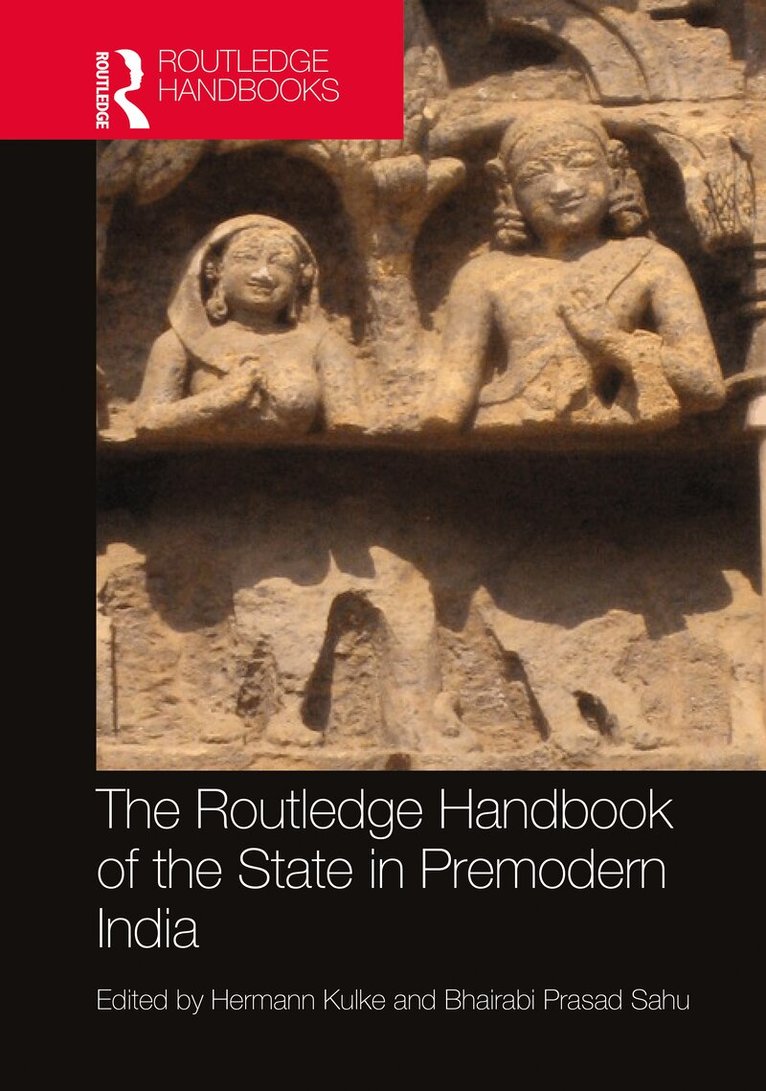
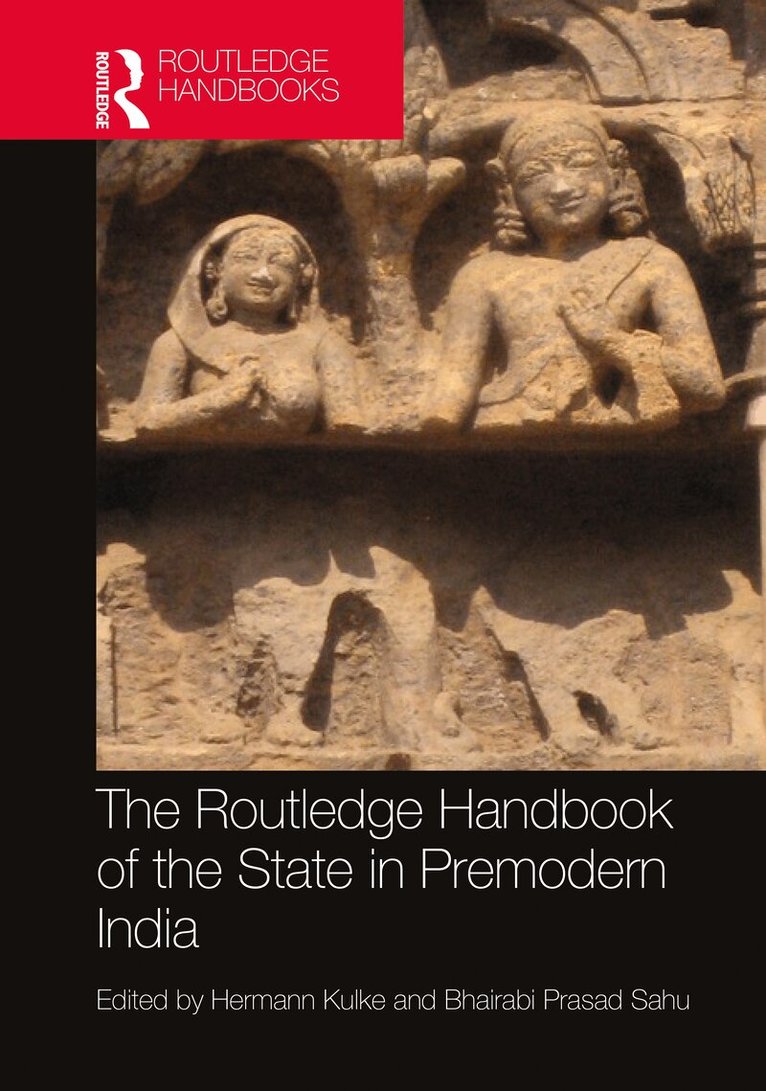
This handbook presents a multilayered and multidimensional history of state formation in premodern India.It explores dense and rich local and subregional historiography from the mid-first millennium BC to the eighteenth century in South Asia. Shifting the focus away from economic and political factors, this handbook revises the conventional understanding of states and empires and locates them in their quotidian conduct and activity on socio-cultural and concomitant factors.Comprehensive in scope, this handbook addresses a range of themes connected with the idea of state formation in the subcontinent. It includes discussions and debates on ritual practices and the Brahmanical order in early India; the Delhi Sultanate and role of Sultans among the Hindu kings; the cosmopolitan ‘Islamicate’ cultural influences on Puranic Hinduism; cultural background of the Mughal state.The handbook examines new questions and ideologies of state formation, such as:facets of violence and resistance;the significance of the autonomous spaces and forests;regional elites, including ‘Little kings’; tribal background of some famous cults;trade and maritime commerce;royal patronage, courtly manners, lineage formation;imperial architecture, monuments, and temple, among others.Featuring case studies from different part of the India subcontinent, and with contributions by renowned historians, this authoritative handbook will be an indispensable reading for teachers, scholars, and students of early India, medieval India, premodern India, South Asian history, Asian history, historiography, economic history, historical sociology, and South Asia studies.
660 kr
Skickas inom 10-15 vardagar
This handbook presents a multilayered and multidimensional history of state formation in premodern India.It explores dense and rich local and subregional historiography from the mid-first millennium BC to the eighteenth century in South Asia. Shifting the focus away from economic and political factors, this handbook revises the conventional understanding of states and empires and locates them in their quotidian conduct and activity on socio-cultural and concomitant factors.Comprehensive in scope, this handbook addresses a range of themes connected with the idea of state formation in the subcontinent. It includes discussions and debates on ritual practices and the Brahmanical order in early India; the Delhi Sultanate and role of Sultans among the Hindu kings; the cosmopolitan ‘Islamicate’ cultural influences on Puranic Hinduism; cultural background of the Mughal state.The handbook examines new questions and ideologies of state formation, such as:facets of violence and resistance;the significance of the autonomous spaces and forests;regional elites, including ‘Little kings’; tribal background of some famous cults;trade and maritime commerce;royal patronage, courtly manners, lineage formation;imperial architecture, monuments, and temple, among others.Featuring case studies from different part of the India subcontinent, and with contributions by renowned historians, this authoritative handbook will be an indispensable reading for teachers, scholars, and students of early India, medieval India, premodern India, South Asian history, Asian history, historiography, economic history, historical sociology, and South Asia studies.
Archaeology of Early Medieval and Medieval South Asia
Contesting Narratives from the Eastern Ganga-Brahmaputra Basin
Häftad, Engelska, 2024
646 kr
Skickas inom 10-15 vardagar
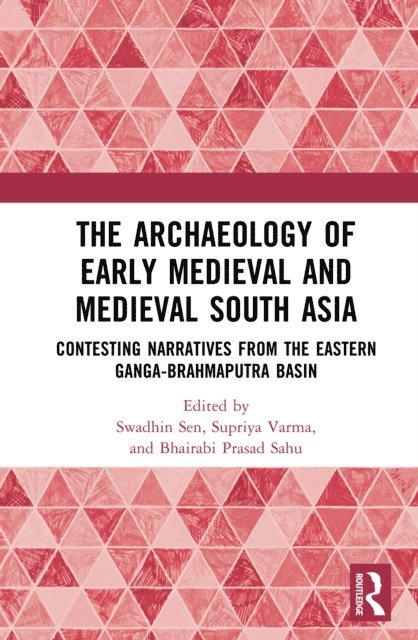
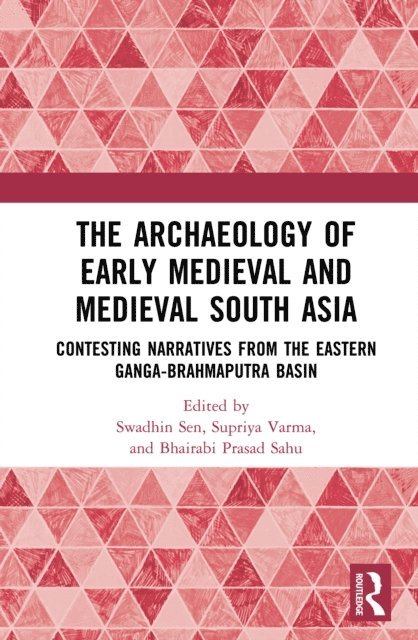
This book looks at the ways in which archaeological methods have been used in debates concerning the early medieval and medieval periods in South Asia. Despite the incorporation and use of archaeological data to corroborate historical narratives, the theories and methods of archaeology are largely ignored in and excluded from the dominating, institutionalized, and hegemonic disciplinary discourses. The volume offers contesting insights, polemical narratives, and new data from archaeological contexts to initiate a debate on many foundational premises of archaeological and historical narratives. It focuses on the much-neglected region of the Eastern Ganga-Brahmaputra Basin as a spatial frame to do this and studies themes such as spatial and temporal scales of concepts and methods, multi-scaler factors and processes of continuity and changes, the settlement archaeology of the alluvial landscape, changing patterns of agrarian transformation, and material cultures, including coins, inscriptions, pottery, and sculptures, in their contexts in sub-regional, regional, and supra-regional intersections. Dedicated to historian Brajadulal Chattopadhyaya, this volume presents a crucial and unprecedented intervention in the study of the early medieval and the medieval periods. It will be useful for scholars and researchers of archaeology, ancient history, medieval history, water history, earth sciences, palaeoecology, historical ecology, epigraphy, art history, material culture studies, Indian history, and South Asian studies in general.
Archaeology of Early Medieval and Medieval South Asia
Contesting Narratives from the Eastern Ganga-Brahmaputra Basin
Inbunden, Engelska, 2022
1 950 kr
Skickas inom 10-15 vardagar
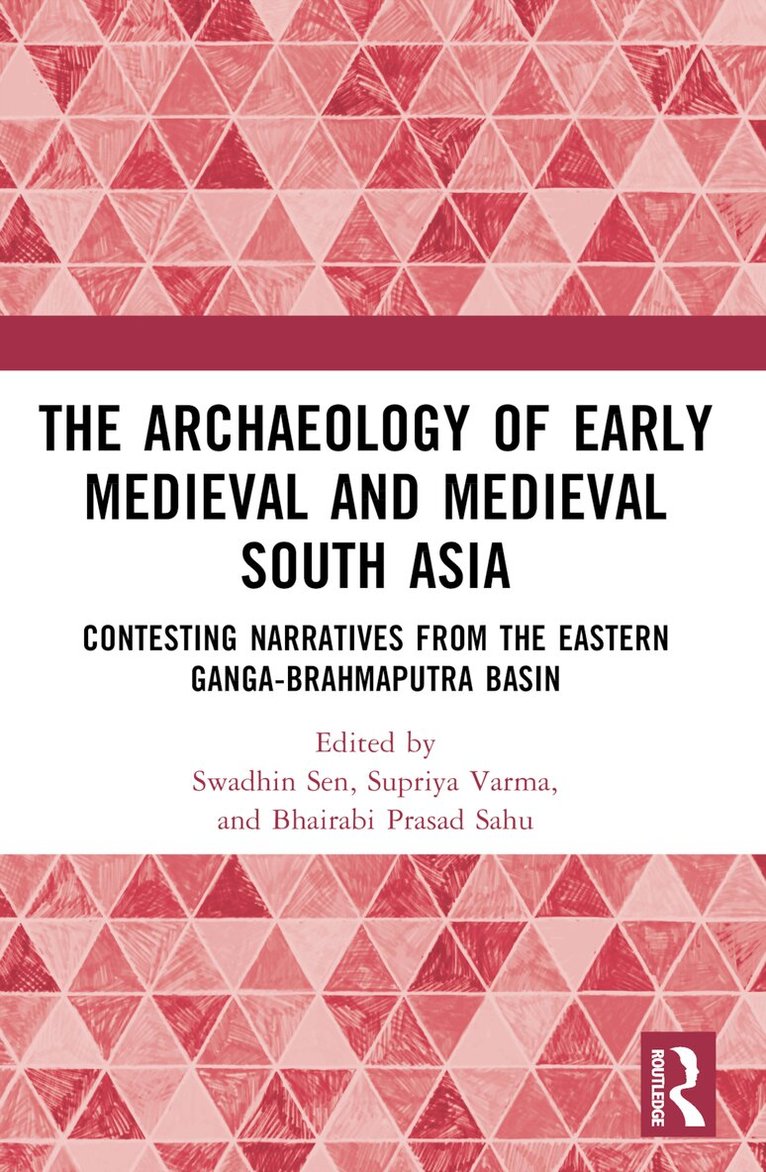
This book looks at the ways in which archaeological methods have been used in debates concerning the early medieval and medieval periods in South Asia. Despite the incorporation and use of archaeological data to corroborate historical narratives, the theories and methods of archaeology are largely ignored in and excluded from the dominating, institutionalized, and hegemonic disciplinary discourses. The volume offers contesting insights, polemical narratives, and new data from archaeological contexts to initiate a debate on many foundational premises of archaeological and historical narratives. It focuses on the much-neglected region of the Eastern Ganga-Brahmaputra Basin as a spatial frame to do this and studies themes such as spatial and temporal scales of concepts and methods, multi-scaler factors and processes of continuity and changes, the settlement archaeology of the alluvial landscape, changing patterns of agrarian transformation, and material cultures, including coins, inscriptions, pottery, and sculptures, in their contexts in sub-regional, regional, and supra-regional intersections. Dedicated to historian Brajadulal Chattopadhyaya, this volume presents a crucial and unprecedented intervention in the study of the early medieval and the medieval periods. It will be useful for scholars and researchers of archaeology, ancient history, medieval history, water history, earth sciences, palaeoecology, historical ecology, epigraphy, art history, material culture studies, Indian history, and South Asian studies in general.
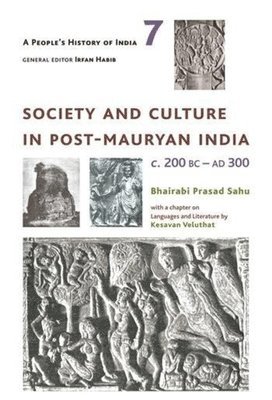
People′s History of India 7 – Society and Culture in Post–Mauryan India, C. 200 BC–AD 300
Inbunden, Engelska, 2015
104 kr
Skickas inom 7-10 vardagar
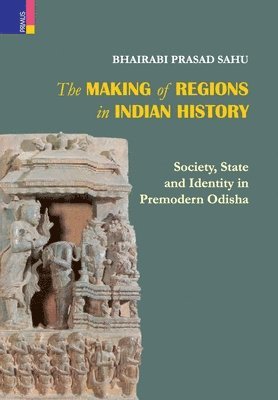
Making of Regions in Indian History
Society, State and Identity in Premodern Odhisa
Inbunden, Engelska, 2021
671 kr
Skickas inom 5-8 vardagar