Bihani Sarkar - Böcker
Visar alla böcker från författaren Bihani Sarkar. Handla med fri frakt och snabb leverans.
3 produkter
3 produkter
1 252 kr
Skickas inom 7-10 vardagar
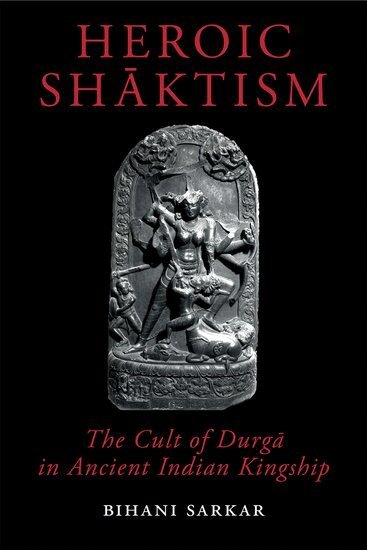
Heroic Śāktism is the belief that a good king and a true warrior must worship the goddess Durgā, the form and substance of kingship. This belief formed the bedrock of ancient Indian practices of cultivating political power. Wildly dangerous and serenely benevolent at one and the same time, the goddess's charismatic split nature promised rewards for a hero and king and success in risky ventures. This book is the first expansive historical treatment of the cult of Durgā and the role it played in shaping ideas and rituals of heroism in India between the 3rd and the 12th centuries CE. Within the story of ancient Indian kingship, two critical transitions overlapped with the rise of heroic Śāktism: the decline of the war-god Skanda-Mahāsena as a military symbol, and the concomitant rise of the early Indian kingdom. As the rhetoric of kingship once strongly linked to the older war god shifted to the cultural narratives of the goddess, her political imagery broadened in its cultural resonance. And indigenous territorial deities became associated with Durgā as smaller states unified into a broader conception of civilization. By assessing the available epigraphic, literary and scriptural sources in Sanskrit, and anthropological studies on politics and ritual, Bihani Sarkar demonstrates that the association between Indian kingship and the cult's belief-systems was an ancient one based on efforts to augment worldly power.
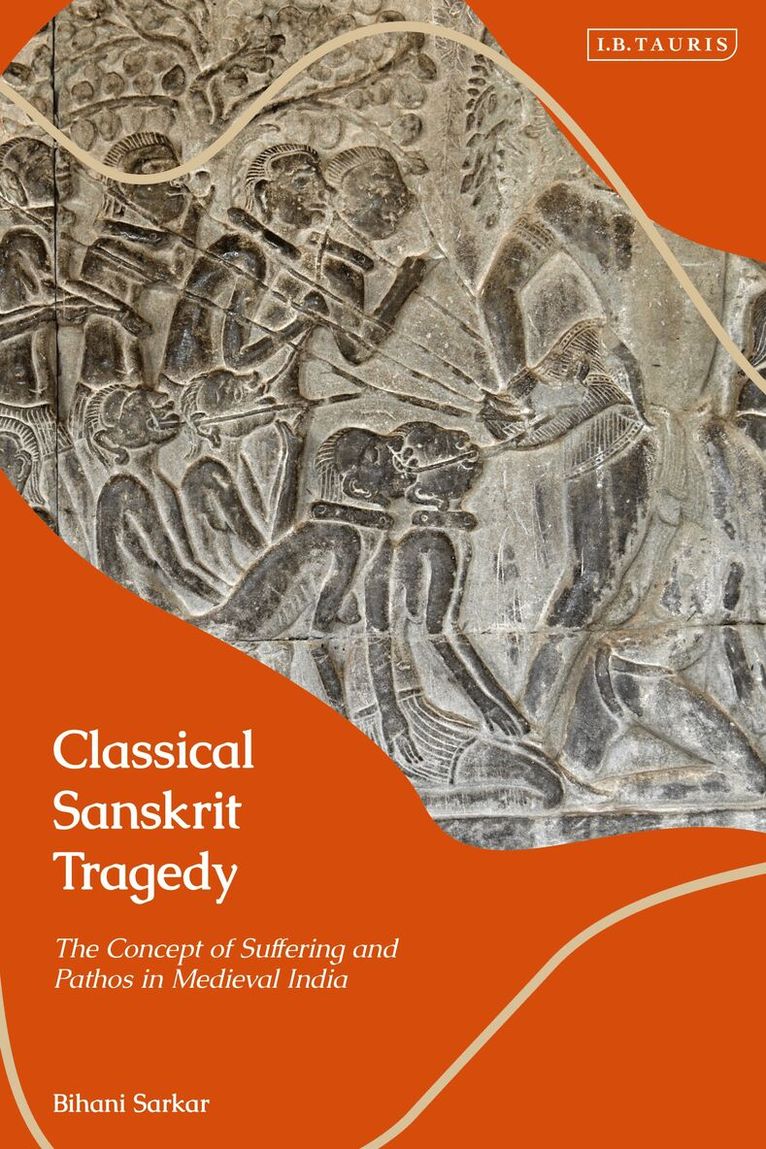
Classical Sanskrit Tragedy
The Concept of Suffering and Pathos in Medieval India
Häftad, Engelska, 2022
499 kr
Skickas inom 10-15 vardagar
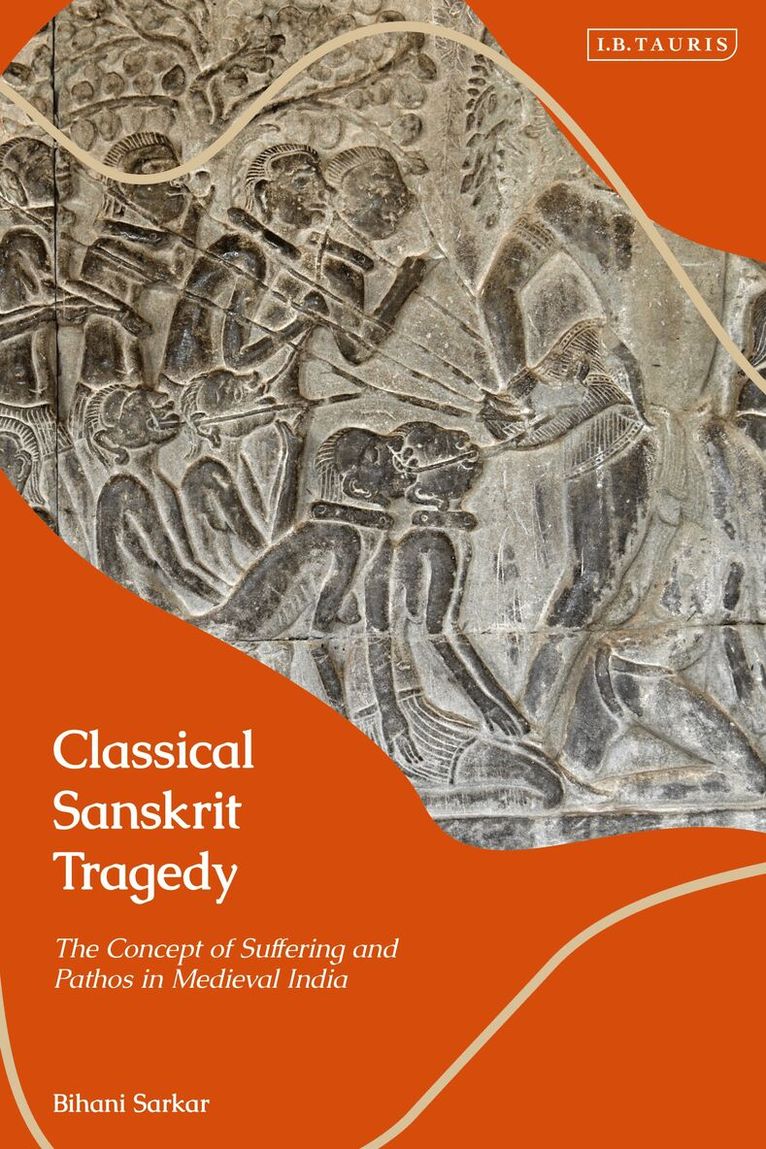
It is often assumed that classical Sanskrit poetry and drama lack a concern with the tragic. However, as Bihani Sarkar makes clear in this book, this is far from the case. In the first study of tragedy in classical Sanskrit literature, Sarkar draws on a wide range of Sanskrit dramas, poems and treatises – much of them translated for the first time into English – to provide a complete history of the tragic in Indian literature from the second to the fourth centuries.Looking at Kalidasa, the most celebrated writer of Sanskrit poetry and drama (kavya), this book argues that constructions of absence and grief are central to Kalidasa’s compositions and that these ‘tragic middles’ are much more sophisticated than previously understood. For Kalidasa, tragic middles are modes of thinking, in which he confronts theological and philosophical issues. Through a close literary analysis of the tragic middle in five of his works, the Abhijñanasakuntala, the Raghuva?sa, the Kumarasambhava, the Vikramorvasiya and the Meghaduta, Sarkar demonstrates the importance of tragedy for classical Indian poetry and drama in the early centuries of the common era. These depictions from the Indian literary sphere, by their particular function and interest in the phenomenology of grief, challenge and reshape in a wholly new way our received understanding of tragedy.
Classical Sanskrit Tragedy
The Concept of Suffering and Pathos in Medieval India
Inbunden, Engelska, 2021
1 383 kr
Skickas inom 10-15 vardagar
It is often assumed that classical Sanskrit poetry and drama lack a concern with the tragic. However, as Bihani Sarkar makes clear in this book, this is far from the case. In the first study of tragedy in classical Sanskrit literature, Sarkar draws on a wide range of Sanskrit dramas, poems and treatises – much of them translated for the first time into English – to provide a complete history of the tragic in Indian literature from the second to the fourth centuries.Looking at Kalidasa, the most celebrated writer of Sanskrit poetry and drama (kavya), this book argues that constructions of absence and grief are central to Kalidasa’s compositions and that these ‘tragic middles’ are much more sophisticated than previously understood. For Kalidasa, tragic middles are modes of thinking, in which he confronts theological and philosophical issues. Through a close literary analysis of the tragic middle in five of his works, the Abhijñanasakuntala, the Raghuva?sa, the Kumarasambhava, the Vikramorvasiya and the Meghaduta, Sarkar demonstrates the importance of tragedy for classical Indian poetry and drama in the early centuries of the common era. These depictions from the Indian literary sphere, by their particular function and interest in the phenomenology of grief, challenge and reshape in a wholly new way our received understanding of tragedy.