Billie Lythberg – författare
Visar alla böcker från författaren Billie Lythberg. Handla med fri frakt och snabb leverans.
5 produkter
5 produkter
Hei Taonga Ma Nga Uri Whakatipu
Treasures for the Rising Generation: The Dominion Museum Ethnological Expeditions 1919-1923
Inbunden, Engelska, 2021
607 kr
Tillfälligt slut
A landmark book about four remarkable museum expeditions that contributed to a recovery of Maori society.From 1919 to 1923, at Sir Apirana Ngata's initiative, a team from the Dominion Museum travelled to tribal areas across Te Ika-a-Maui The North Island to record tikanga Maori (ancestral practices) that Ngata feared might be disappearing.These ethnographic expeditions, the first in the world to be inspired and guided by indigenous leaders, used cutting-edge technologies that included cinematic film and wax cylinders to record fishing techniques, art forms (weaving, kowhaiwhai, kapa haka and moteatea), ancestral rituals and everyday life in the communities they visited.The team visited the 1919 Hui Aroha in Gisborne, the 1920 welcome to the Prince of Wales in Rotorua, and communities along the Whanganui River (1921) and in Tairawhiti (1923). Medical doctor-soldier-ethnographer Te Rangihiroa (Sir Peter Buck), the expedition's photographer and film-maker James McDonald, the ethnologist Elsdon Best and Turnbull Librarian Johannes Andersen recorded a wealth of material.This beautifully illustrated book tells the story of these expeditions, and the determination of early twentieth century Maori leaders, including Ngata, Te Rangihiroa, James Carroll, and those in the communities they visited, to pass on ancestral tikanga 'hei taonga mo nga uri whakatipu' as treasures for a rising generation.
2 176 kr
Skickas inom 10-15 vardagar
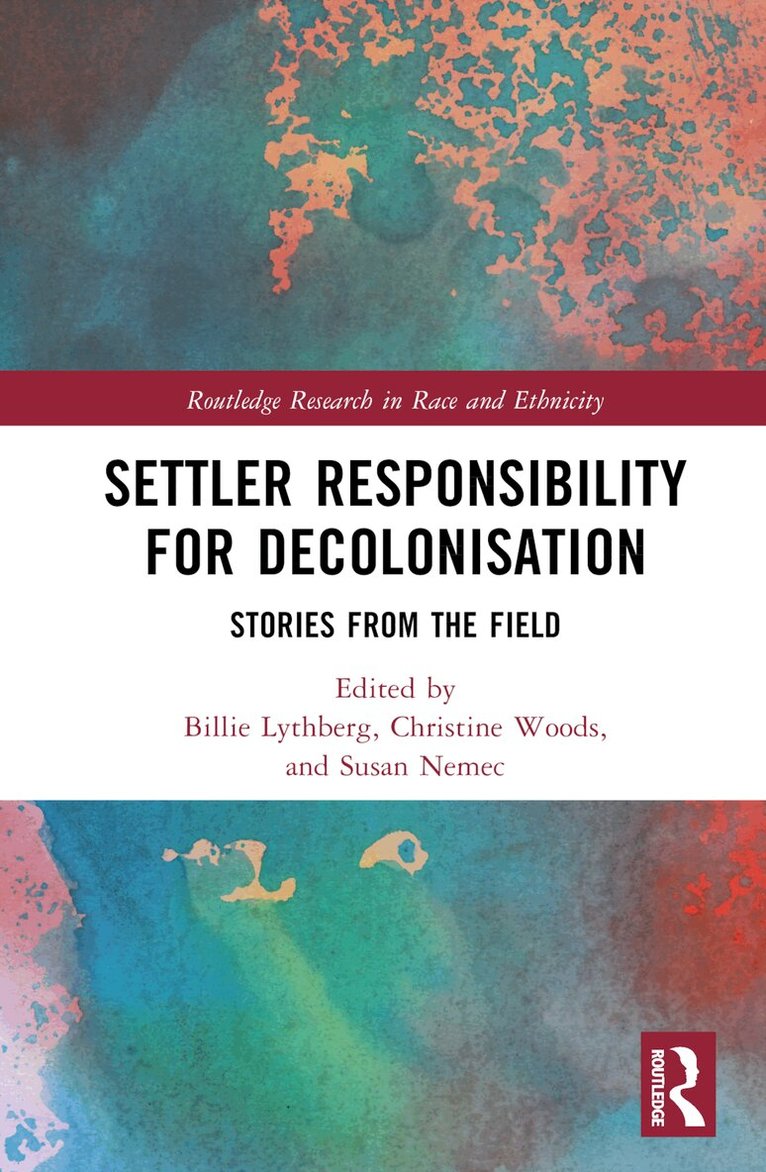
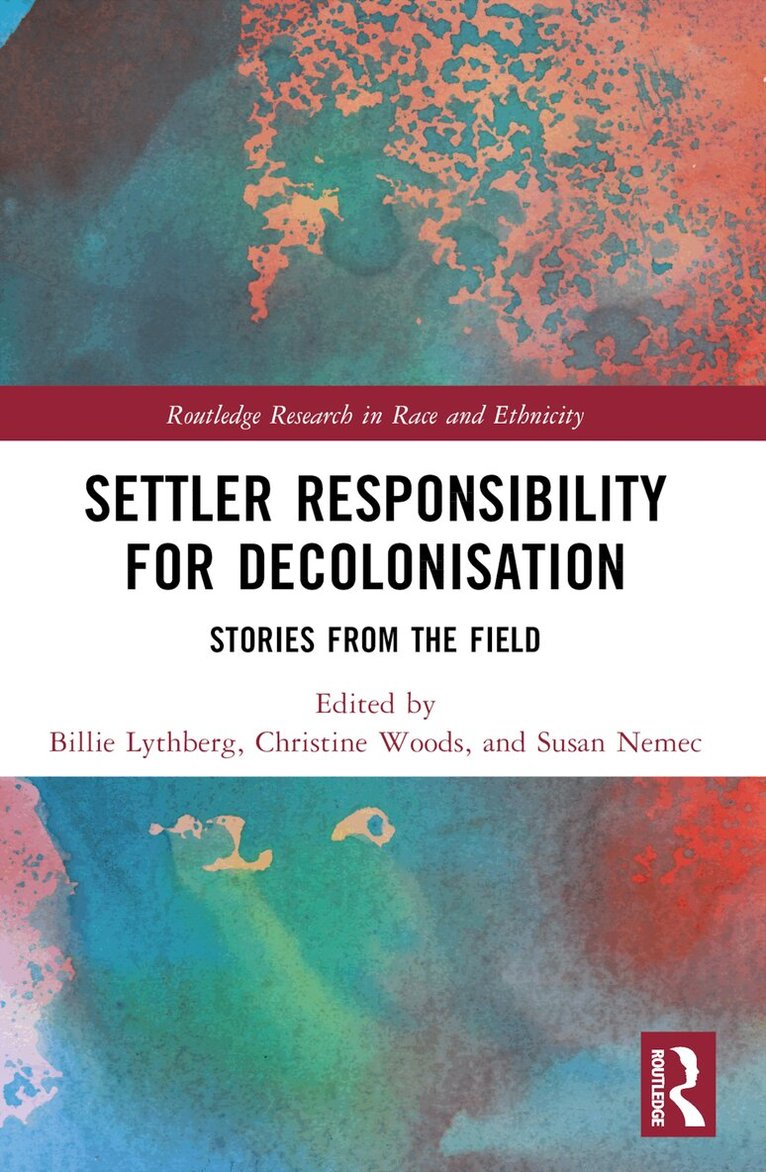
This edited collection presents perspectives from a range of disciplines on the challenges of dismantling coloniality in settler societies.Showcasing a variety of pedagogies and case studies, the book offers approaches to the praxis of decolonisation in diverse settings including tertiary education, activism, arts curatorial practice, the media, trans-Indigeneity, and psychosocial therapy. Chapters centre on the personal, relational, and political work needed to support decolonisation in settler societies in Aotearoa New Zealand, Australia, the United States, and Canada. Drawing from experiences in the field, contributors argue that to decolonise research and build authentic relationships with Indigenous communities, settler researchers must learn from Indigenous worldviews without appropriating them, disrupt colonial epistemologies, and reconcile their place in colonialism. Indigenising is discussed as a counterpart to the decolonisation process, involving restoring and centring the Indigenous voice within Indigenised socio-cultural, economic, legal, and political structures and institutions, including the return of land.The book is a rich resource for researchers seeking to understand and support decolonisation in settler societies, and will appeal to non-Indigenous scholars, students, and those involved in decolonisation work in community and institutional settings.
651 kr
Skickas inom 10-15 vardagar
This edited collection presents perspectives from a range of disciplines on the challenges of dismantling coloniality in settler societies.Showcasing a variety of pedagogies and case studies, the book offers approaches to the praxis of decolonisation in diverse settings including tertiary education, activism, arts curatorial practice, the media, trans-Indigeneity, and psychosocial therapy. Chapters centre on the personal, relational, and political work needed to support decolonisation in settler societies in Aotearoa New Zealand, Australia, the United States, and Canada. Drawing from experiences in the field, contributors argue that to decolonise research and build authentic relationships with Indigenous communities, settler researchers must learn from Indigenous worldviews without appropriating them, disrupt colonial epistemologies, and reconcile their place in colonialism. Indigenising is discussed as a counterpart to the decolonisation process, involving restoring and centring the Indigenous voice within Indigenised socio-cultural, economic, legal, and political structures and institutions, including the return of land.The book is a rich resource for researchers seeking to understand and support decolonisation in settler societies, and will appeal to non-Indigenous scholars, students, and those involved in decolonisation work in community and institutional settings.
1 963 kr
Skickas inom 10-15 vardagar
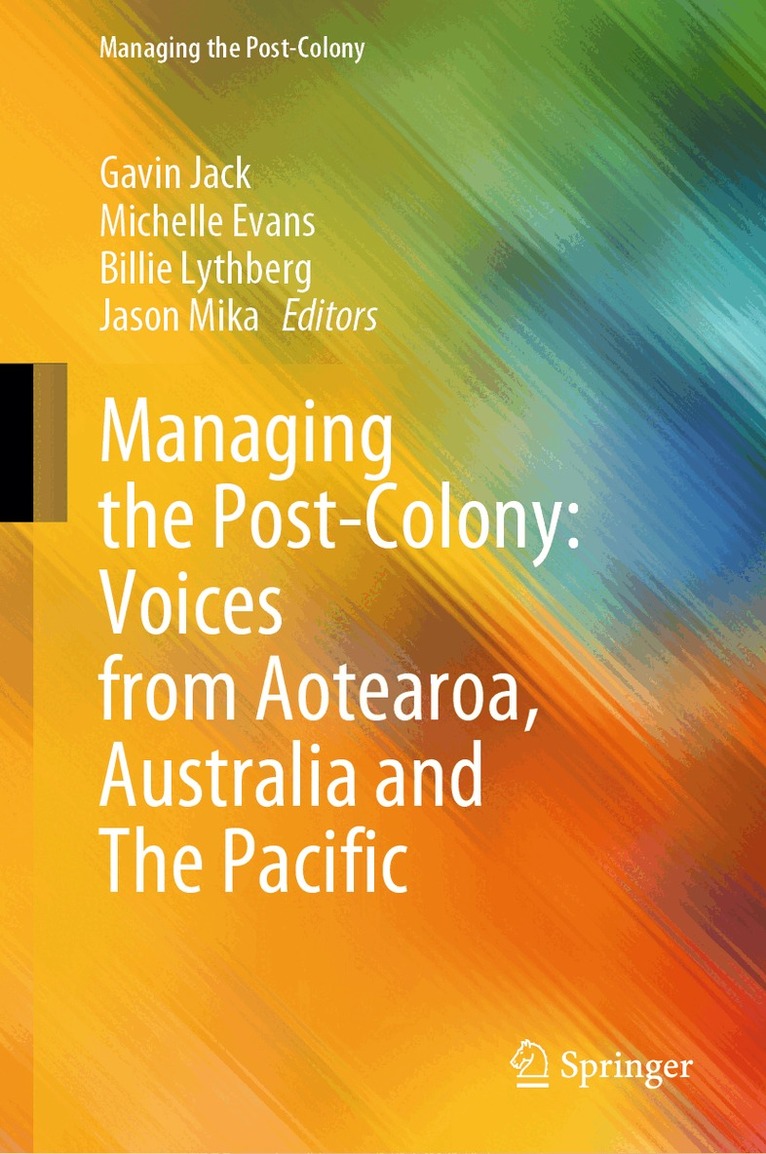
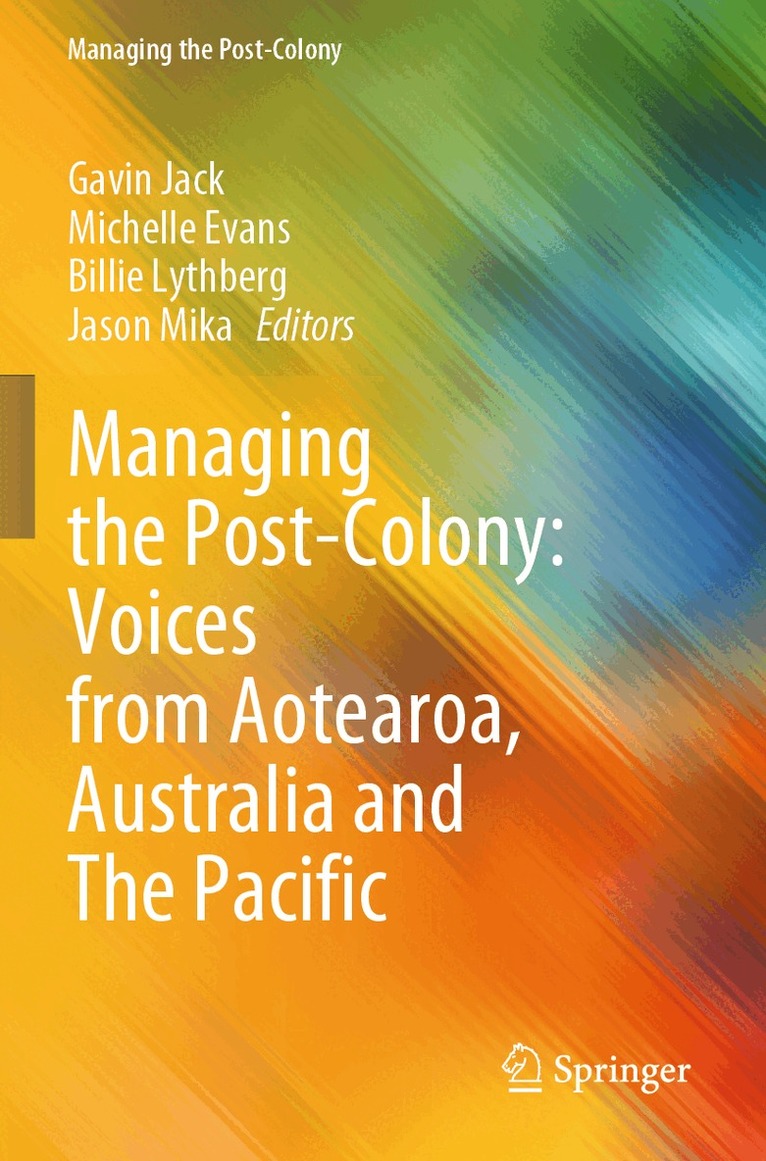
This edited book is the second in the book series “Managing the Post-Colony”. The book series is co-edited by Nimruji Jammulamadaka (IIM Calcutta, India) and Gavin Jack (Monash University, Australia). The book series seeks to present cutting-edge, critical, interdisciplinary, and geographically and culturally diverse perspectives on the contemporary nature, experience, and theorisation of managing and organising under conditions of postcoloniality.This book specifically presents voices and perspectives from Aotearoa New Zealand, Australia, and The Pacific, locations with shared and distinctive histories and present-day experiences of colonisation and imperialism. Ways of managing, organising, and doing business in these places demonstrate cultural continuity and change in such histories, present sites of postcolonial struggle, and diverse prospects for self-determined future-making. The book explores struggles and prospects of managing in the post-colony through qualitative empirical cases, historical and legal studies, conceptual essays and provocations, and interviews with Indigenous business leaders. It contributes to the ongoing diversification, provincialisation, and decolonisation of management and organisation studies and practice. A strong focus is placed on diverse Indigenous knowledges and experiences, including those of Aboriginal and Torres Strait Islander, Pasifika, and Māori peoples, and insights into the capacity for Indigenous culture-specific modes of business to offer decolonising futures.
1 963 kr
Skickas inom 10-15 vardagar
This edited book is the second in the book series “Managing the Post-Colony”. The book series is co-edited by Nimruji Jammulamadaka (IIM Calcutta, India) and Gavin Jack (Monash University, Australia). The book series seeks to present cutting-edge, critical, interdisciplinary, and geographically and culturally diverse perspectives on the contemporary nature, experience, and theorisation of managing and organising under conditions of postcoloniality.This book specifically presents voices and perspectives from Aotearoa New Zealand, Australia, and The Pacific, locations with shared and distinctive histories and present-day experiences of colonisation and imperialism. Ways of managing, organising, and doing business in these places demonstrate cultural continuity and change in such histories, present sites of postcolonial struggle, and diverse prospects for self-determined future-making. The book explores struggles and prospects of managing in the post-colony through qualitative empirical cases, historical and legal studies, conceptual essays and provocations, and interviews with Indigenous business leaders. It contributes to the ongoing diversification, provincialisation, and decolonisation of management and organisation studies and practice. A strong focus is placed on diverse Indigenous knowledges and experiences, including those of Aboriginal and Torres Strait Islander, Pasifika, and Māori peoples, and insights into the capacity for Indigenous culture-specific modes of business to offer decolonising futures.