B.K.N. Rao – författare
Visar alla böcker från författaren B.K.N. Rao. Handla med fri frakt och snabb leverans.
5 produkter
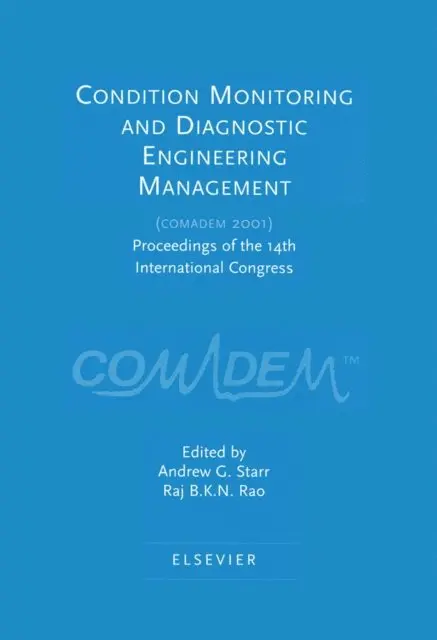
Condition Monitoring and Diagnostic Engineering Management
Av B.K.N. Rao, A. Starr
E-bok, 2001
2434 kr
Lägg i varukorg
This Proceedings contains the papers presented at the 14th International Conference on Condition Monitoring and Diagnostic Engineering Management (COMADEM 2001), held in Manchester, UK, on 4-6 September 2001. COMADEM 2001 builds on the excellent reputation of previous conferences in this series, …
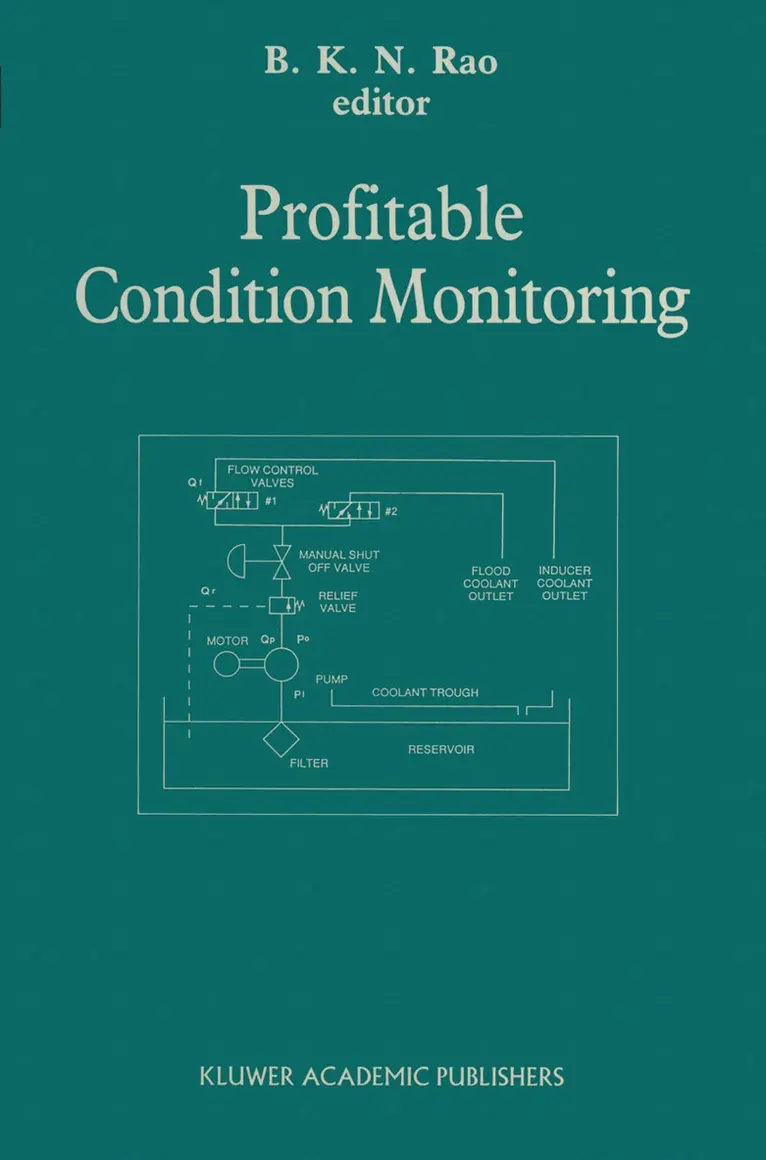
Profitable Condition Monitoring
Av BKN Rao
Häftad, 2012
550 kr
Lägg i varukorg
To engineer and manufacture is human. Manufactured goods are subjected to severe international competitive forces. Consumers' perceptions towards total quality, reliable performance, health and safety, environmental issues, energy conservation and cost of ownership are changing day by day. …
Profitable Condition Monitoring
Av BKN Rao
E-bok, 2012
734 kr
Lägg i varukorg
To engineer and manufacture is human. Manufactured goods are subjected to severe international competitive forces. Consumers'' perceptions towards total quality, reliable performance, health and safety, environmental issues, energy conservation and cost of ownership are changing day by day. …
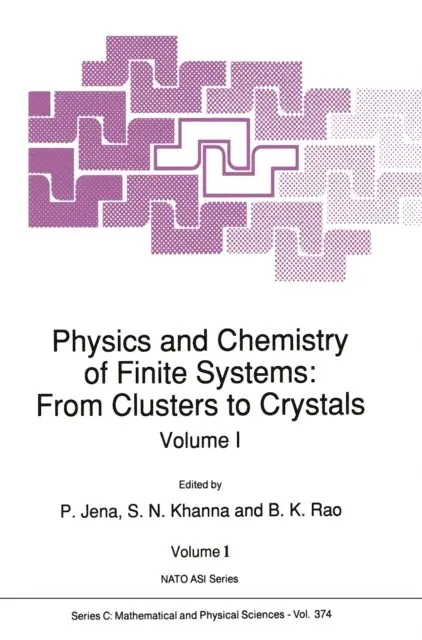
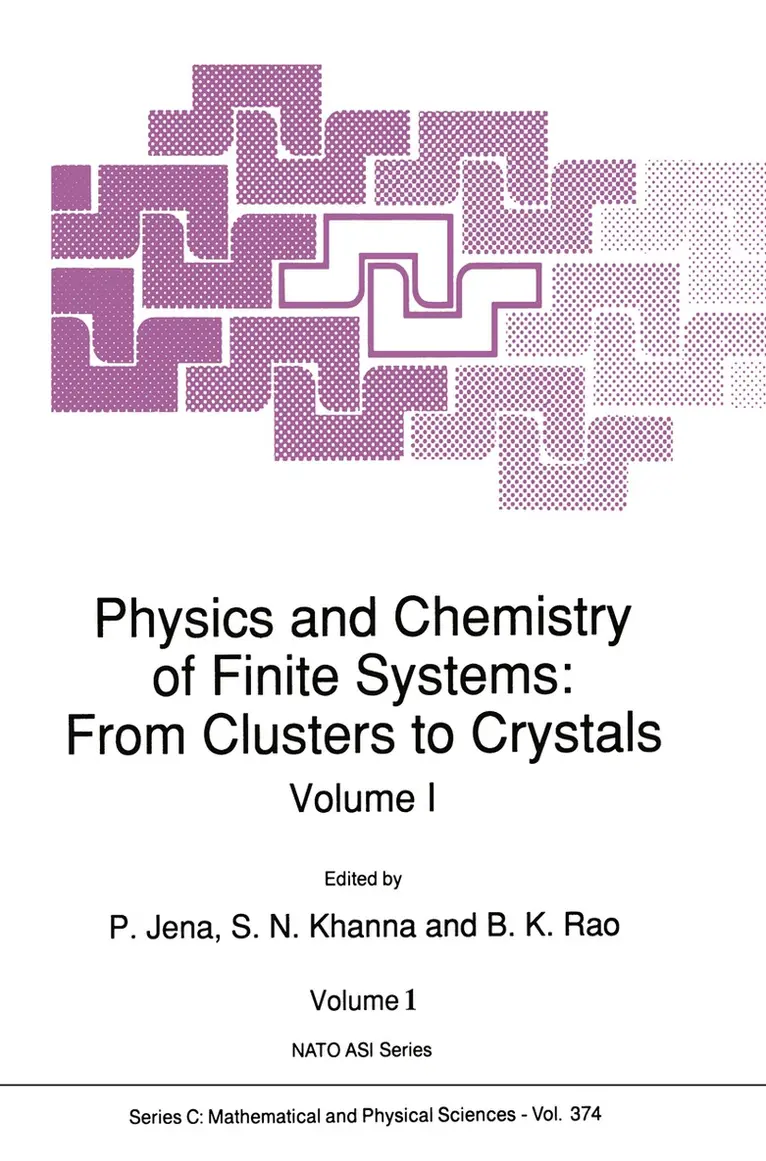
Physics and Chemistry of Finite Systems: From Clusters to Crystals
Av B.K.N. Rao, S.N. Khanna m. fl.
E-bok, 2013
734 kr
Lägg i varukorg
Recent innovations in experimental techniques such as molecular and cluster beam epitaxy, supersonic jet expansion, matrix isolation and chemical synthesis are increasingly enabling researchers to produce materials by design and with atomic dimension. These materials constrained by sire, shape, and …
Physics and Chemistry of Finite Systems: From Clusters to Crystals
Av Peru Jena, S.N. Khanna m. fl.
2014
648 kr
Lägg i varukorg
Recent innovations in experimental techniques such as molecular and cluster beam epitaxy, supersonic jet expansion, matrix isolation and chemical synthesis are increasingly enabling researchers to produce materials by design and with atomic dimension. These materials constrained by sire, shape, and …