Blair Davis - Böcker
Visar alla böcker från författaren Blair Davis. Handla med fri frakt och snabb leverans.
9 produkter
9 produkter
437 kr
Skickas inom 7-10 vardagar
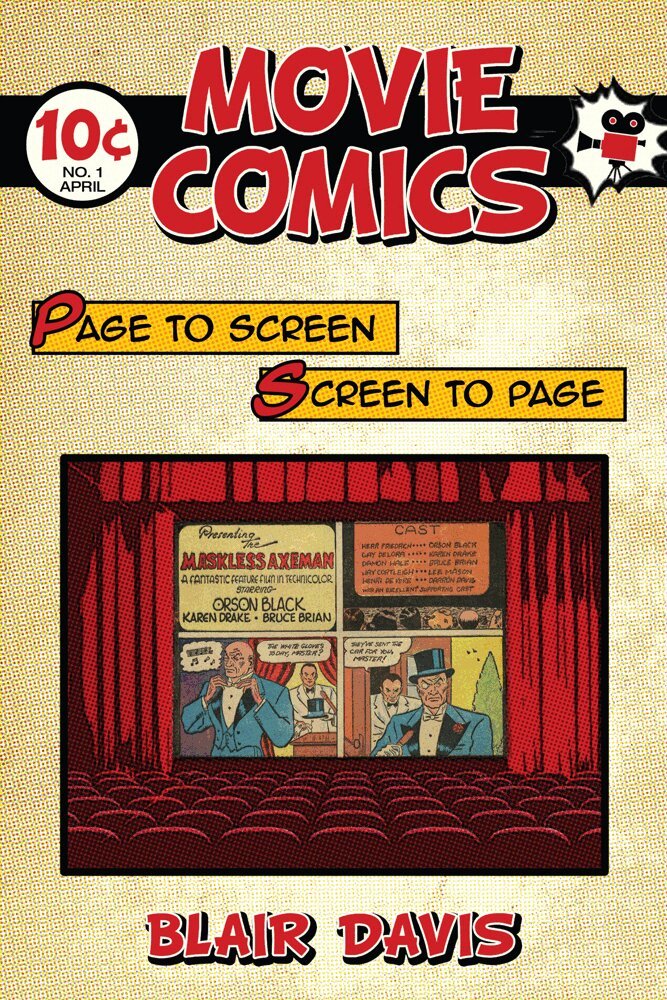
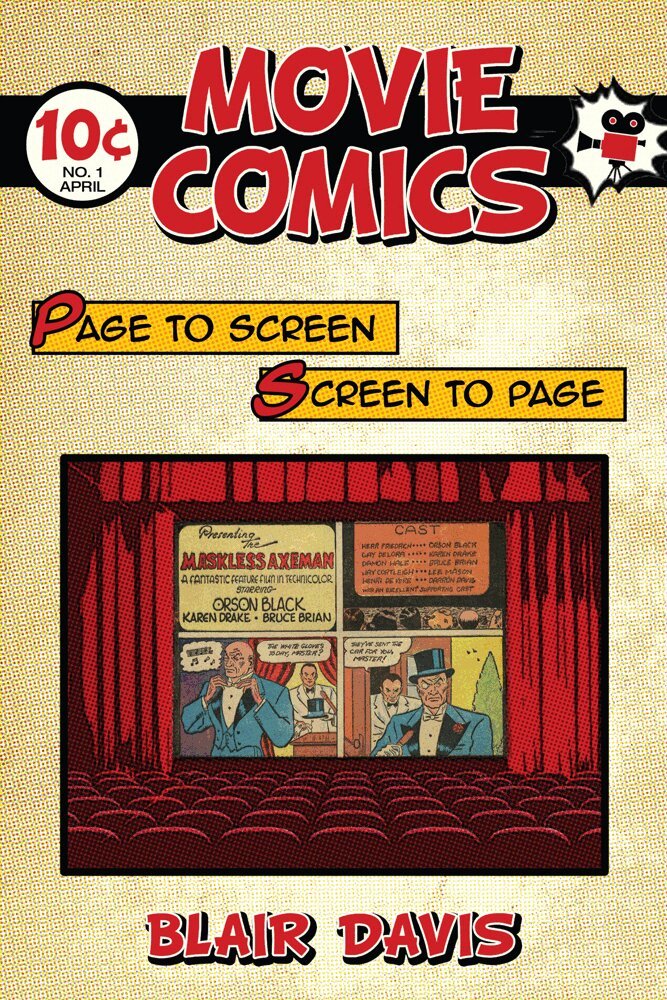
As Christopher Nolan’s Batman films and releases from the Marvel Cinematic Universe have regularly topped the box office charts, fans and critics alike might assume that the “comic book movie” is a distinctly twenty-first-century form. Yet adaptations of comics have been an integral part of American cinema from its very inception, with comics characters regularly leaping from the page to the screen and cinematic icons spawning comics of their own. Movie Comics is the first book to study the long history of both comics-to-film and film-to-comics adaptations, covering everything from silent films starring Happy Hooligan to sound films and serials featuring Dick Tracy and Superman to comic books starring John Wayne, Gene Autry, Bob Hope, Abbott & Costello, Alan Ladd, and Dean Martin and Jerry Lewis. With a special focus on the Classical Hollywood era, Blair Davis investigates the factors that spurred this media convergence, as the film and comics industries joined forces to expand the reach of their various brands. While analyzing this production history, he also tracks the artistic coevolution of films and comics, considering the many formal elements that each medium adopted and adapted from the other. As it explores our abiding desire to experience the same characters and stories in multiple forms, Movie Comics gives readers a new appreciation for the unique qualities of the illustrated page and the cinematic moving image.
1 726 kr
Skickas inom 7-10 vardagar
As Christopher Nolan’s Batman films and releases from the Marvel Cinematic Universe have regularly topped the box office charts, fans and critics alike might assume that the “comic book movie” is a distinctly twenty-first-century form. Yet adaptations of comics have been an integral part of American cinema from its very inception, with comics characters regularly leaping from the page to the screen and cinematic icons spawning comics of their own. Movie Comics is the first book to study the long history of both comics-to-film and film-to-comics adaptations, covering everything from silent films starring Happy Hooligan to sound films and serials featuring Dick Tracy and Superman to comic books starring John Wayne, Gene Autry, Bob Hope, Abbott & Costello, Alan Ladd, and Dean Martin and Jerry Lewis. With a special focus on the Classical Hollywood era, Blair Davis investigates the factors that spurred this media convergence, as the film and comics industries joined forces to expand the reach of their various brands. While analyzing this production history, he also tracks the artistic coevolution of films and comics, considering the many formal elements that each medium adopted and adapted from the other. As it explores our abiding desire to experience the same characters and stories in multiple forms, Movie Comics gives readers a new appreciation for the unique qualities of the illustrated page and the cinematic moving image.
271 kr
Skickas inom 7-10 vardagar
Comic Book Movies explores how this genre serves as a source for modern-day myths, sometimes even incorporating ancient mythic figures like Thor and Wonder Woman's Amazons, while engaging with the questions that haunt a post-9/11 world: How do we define heroism and morality today? How far are we willing to go when fighting terror? How can we resist a dystopian state? Film scholar Blair Davis also considers how the genre's visual style is equally important as its weighty themes, and he details how advances in digital effects have allowed filmmakers to incorporate elements of comic book art in innovative ways. As he reveals, comic book movies have inspired just as many innovations to Hollywood's business model, with film franchises and transmedia storytelling helping to ensure that the genre will continue its reign over popular culture for years to come.
813 kr
Skickas inom 7-10 vardagar
Comic Book Movies explores how this genre serves as a source for modern-day myths, sometimes even incorporating ancient mythic figures like Thor and Wonder Woman's Amazons, while engaging with the questions that haunt a post-9/11 world: How do we define heroism and morality today? How far are we willing to go when fighting terror? How can we resist a dystopian state? Film scholar Blair Davis also considers how the genre's visual style is equally important as its weighty themes, and he details how advances in digital effects have allowed filmmakers to incorporate elements of comic book art in innovative ways. As he reveals, comic book movies have inspired just as many innovations to Hollywood's business model, with film franchises and transmedia storytelling helping to ensure that the genre will continue its reign over popular culture for years to come.
708 kr
Skickas inom 10-15 vardagar
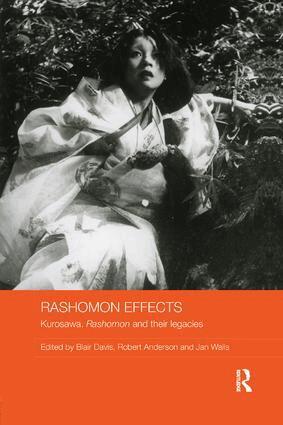
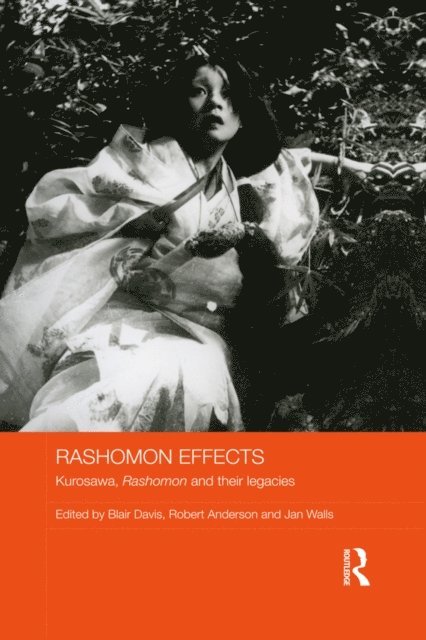
Akira Kurosawa is widely known as the director who opened up Japanese film to Western audiences, and following his death in 1998, a process of reflection has begun about his life’s work as a whole and its legacy to cinema. Kurosawa’s 1950 film Rashomon has become one of the best-known Japanese films ever made, and continues to be discussed and imitated more than 60 years after its first screening.This book examines the cultural and aesthetic impacts of Akira Kurosawa’s Rashomon, as well as the director’s larger legacies to cinema, its global audiences and beyond. It demonstrates that these legacies are manifold: not only cinematic and artistic, but also cultural and cognitive. The book moves from an examination of one filmmaker and his immediate social context in Japan, and goes on to explore how an artist’s ideas might transcend their cultural origins to ultimately provide global influences. Discussing how Rashomon’s effects began to multiply with the film being re-imagined and repurposed in numerous media forms in the decades that followed its initial release, the book also shows that the film and its ideas have been applied to a wider range of social and cultural phenomena in a variety of institutional contexts. It addresses issues beyond the realm of Rashomon within film studies, extending to the Rashomon effect, which itself has become a widely recognized English term referring to the significantly different interpretations of different eyewitnesses to the same dramatic event. As the first book on Rashomon since Donald Richie's 1987 anthology, it will be invaluable to students and scholars of film studies, film history, Japanese cinema and communication studies. It will also resonate more broadly with those interested in Japanese culture and society, anthropology and philosophy.
2 297 kr
Skickas inom 10-15 vardagar
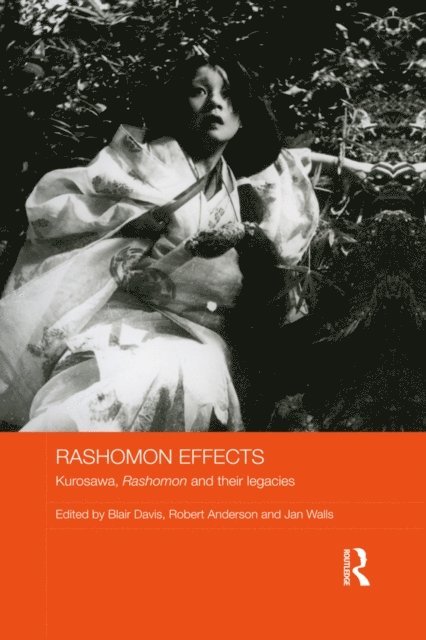
Akira Kurosawa is widely known as the director who opened up Japanese film to Western audiences, and following his death in 1998, a process of reflection has begun about his life’s work as a whole and its legacy to cinema. Kurosawa’s 1950 film Rashomon has become one of the best-known Japanese films ever made, and continues to be discussed and imitated more than 60 years after its first screening.This book examines the cultural and aesthetic impacts of Akira Kurosawa’s Rashomon, as well as the director’s larger legacies to cinema, its global audiences and beyond. It demonstrates that these legacies are manifold: not only cinematic and artistic, but also cultural and cognitive. The book moves from an examination of one filmmaker and his immediate social context in Japan, and goes on to explore how an artist’s ideas might transcend their cultural origins to ultimately provide global influences. Discussing how Rashomon’s effects began to multiply with the film being re-imagined and repurposed in numerous media forms in the decades that followed its initial release, the book also shows that the film and its ideas have been applied to a wider range of social and cultural phenomena in a variety of institutional contexts. It addresses issues beyond the realm of Rashomon within film studies, extending to the Rashomon effect, which itself has become a widely recognized English term referring to the significantly different interpretations of different eyewitnesses to the same dramatic event. As the first book on Rashomon since Donald Richie's 1987 anthology, it will be invaluable to students and scholars of film studies, film history, Japanese cinema and communication studies. It will also resonate more broadly with those interested in Japanese culture and society, anthropology and philosophy.
384 kr
Skickas inom 7-10 vardagar
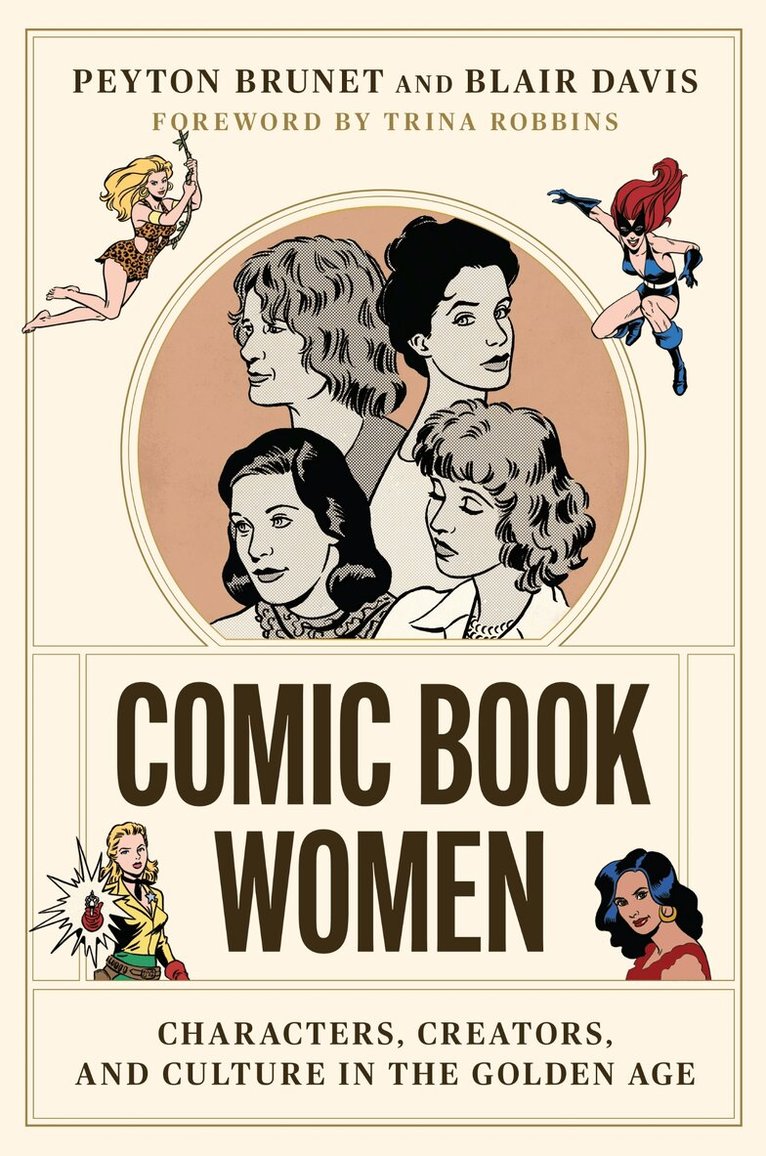
2023 Ray and Pat Browne Best Single Work by One or More Authors in Popular and American Culture, Popular and American Culture Association (PACA) / Popular Culture Association (PCA)2023 Ray and Pat Browne Best Edited Reference/Primary Source Work in Popular Culture Award (Honorable Mention), Popular and American Culture Association (PACA) / Popular Culture Association (PCA)2023 Peter C. Rollins Book Award, Southwest Texas Popular Culture and American Culture Associations (SWPACA) A revisionist history of women's pivotal roles as creators of and characters in comic books. The history of comics has centered almost exclusively on men. Comics historians largely describe the medium as one built by men telling tales about male protagonists, neglecting the many ways in which women fought for legitimacy on the page and in publishers' studios. Despite this male-dominated focus, women played vital roles in the early history of comics. The story of how comic books were born and how they evolved changes dramatically when women like June Tarpé Mills and Lily Renée are placed at the center rather than at the margins of this history, and when characters such as the Black Cat, Patsy Walker, and Señorita Rio are analyzed.Comic Book Women offers a feminist history of the golden age of comics, revising our understanding of how numerous genres emerged and upending narratives of how male auteurs built their careers. Considering issues of race, gender, and sexuality, the authors examine crime, horror, jungle, romance, science fiction, superhero, and Western comics to unpack the cultural and industrial consequences of how women were represented across a wide range of titles by publishers like DC, Timely, Fiction House, and others. This revisionist history reclaims the forgotten work done by women in the comics industry and reinserts female creators and characters into the canon of comics history.
452 kr
Skickas inom 7-10 vardagar
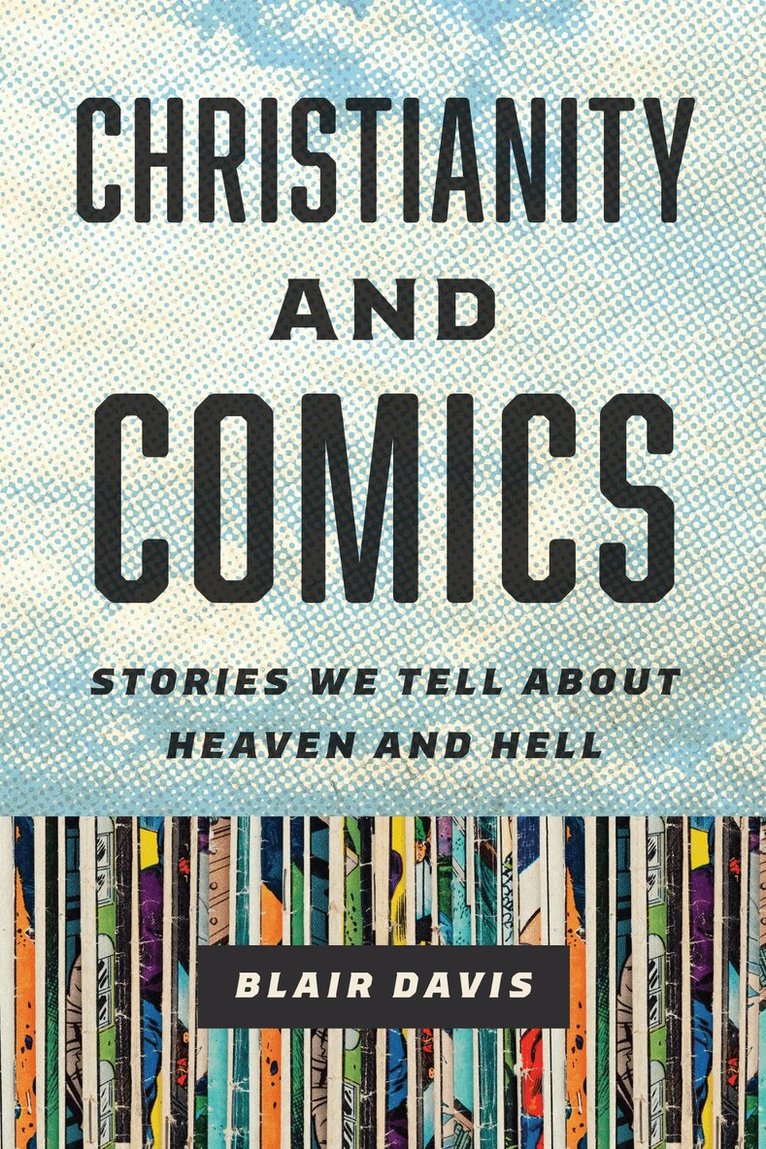
The Bible has inspired Western art and literature for centuries, so it is no surprise that Christian iconography, characters, and stories have also appeared in many comic books. Yet the sheer stylistic range of these comics is stunning. They include books from Christian publishers, as well as underground comix with religious themes and a vast array of DC, Marvel, and Dark Horse titles, from Hellboy to Preacher. Christianity and Comics presents an 80-year history of the various ways that the comics industry has drawn from biblical source material. It explores how some publishers specifically targeted Christian audiences with titles like Catholic Comics, books featuring heroic versions of Oral Roberts and Billy Graham, and special religious-themed editions of Archie. But it also considers how popular mainstream comics like Daredevil, The Sandman, Ghost Rider, and Batman are infused with Christian themes and imagery. Comics scholar Blair Davis pays special attention to how the medium’s unique use of panels, word balloons, captions, and serialized storytelling have provided vehicles for telling familiar biblical tales in new ways. Spanning the Golden Age of comics to the present day, this book charts how comics have both reflected and influenced Americans’ changing attitudes towards religion.
853 kr
Skickas inom 7-10 vardagar
The Bible has inspired Western art and literature for centuries, so it is no surprise that Christian iconography, characters, and stories have also appeared in many comic books. Yet the sheer stylistic range of these comics is stunning. They include books from Christian publishers, as well as underground comix with religious themes and a vast array of DC, Marvel, and Dark Horse titles, from Hellboy to Preacher. Christianity and Comics presents an 80-year history of the various ways that the comics industry has drawn from biblical source material. It explores how some publishers specifically targeted Christian audiences with titles like Catholic Comics, books featuring heroic versions of Oral Roberts and Billy Graham, and special religious-themed editions of Archie. But it also considers how popular mainstream comics like Daredevil, The Sandman, Ghost Rider, and Batman are infused with Christian themes and imagery. Comics scholar Blair Davis pays special attention to how the medium’s unique use of panels, word balloons, captions, and serialized storytelling have provided vehicles for telling familiar biblical tales in new ways. Spanning the Golden Age of comics to the present day, this book charts how comics have both reflected and influenced Americans’ changing attitudes towards religion.