Bob Pepperman Taylor - Böcker
Visar alla böcker från författaren Bob Pepperman Taylor. Handla med fri frakt och snabb leverans.
12 produkter
12 produkter
486 kr
Skickas inom 10-15 vardagar
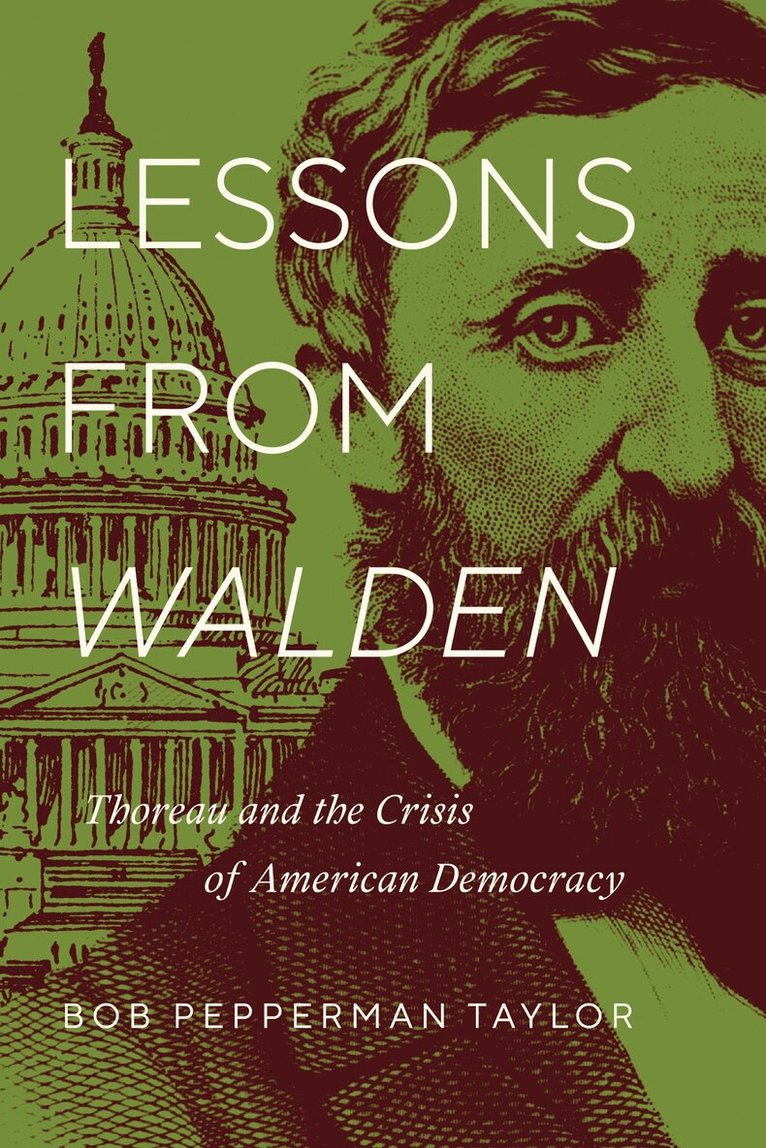
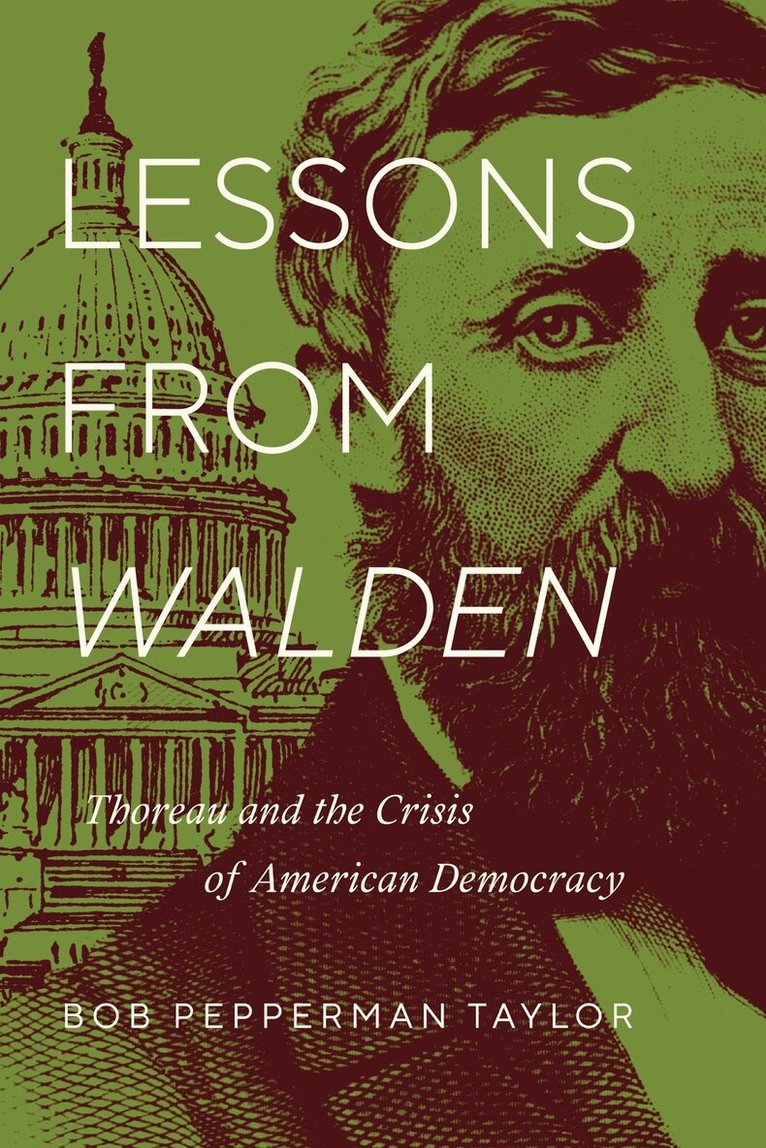
Original and passionate, Lessons from Walden presents a wide-ranging inquiry into the nature and implications in the works of Henry David Thoreau.Henry David Thoreau's works are a backbone of American political philosophy, but how do his ideas translate into the tumultuous modern political landscape? Bob Pepperman Taylor closely examines Walden and Civil Disobedience, focusing on the philosophical questions Thoreau raises. He considers simplicity and the ethics of "voluntary poverty," examines the role conscience plays in democratic policies, and the truth of what "nature" means, and what, if anything, we can learn from it today. By drawing on a wide range of perspectives—from historians, philosophers, and popular media—Taylor breathes new life into Thoreau's work and shows how it is still alive for us today. He allows all sides to have their say, even as he persistently steers the discussion back to a nuanced reading of Thoreau's actual position.With a tone of friendly urgency, this interdisciplinary tour de force intersects American literature, environmental ethics, and political theory to address the concerns facing the current political landscape and the future of democracy.
362 kr
Skickas inom 10-15 vardagar
Original and passionate, Lessons from Walden presents a wide-ranging inquiry into the nature and implications in the works of Henry David Thoreau.Henry David Thoreau's works are a backbone of American political philosophy, but how do his ideas translate into the tumultuous modern political landscape? Bob Pepperman Taylor closely examines Walden and Civil Disobedience, focusing on the philosophical questions Thoreau raises. He considers simplicity and the ethics of "voluntary poverty," examines the role conscience plays in democratic policies, and the truth of what "nature" means, and what, if anything, we can learn from it today. By drawing on a wide range of perspectives—from historians, philosophers, and popular media—Taylor breathes new life into Thoreau's work and shows how it is still alive for us today. He allows all sides to have their say, even as he persistently steers the discussion back to a nuanced reading of Thoreau's actual position.With a tone of friendly urgency, this interdisciplinary tour de force intersects American literature, environmental ethics, and political theory to address the concerns facing the current political landscape and the future of democracy.
436 kr
Skickas inom 10-15 vardagar
Liberal Education and Democracy addresses three vital arguments for liberal education and its integral relationship to democracy.Liberal education is currently under attack as both politically subversive and economically impractical. In Liberal Education and Democracy, Bob Pepperman Taylor evaluates both the defenses that have been offered for liberal education and the complex relationship between liberal education and democracy. He offers a compelling case for maintaining a strong commitment to this form of education as an essential good for all citizens.His three primary arguments for liberal education are that it prepares students to be useful contributors to the economy, that it prepares citizens to be thoughtful and responsible, and that it can stimulate students to experience the delight of intellectual exploration and understanding. Taylor moves through each of these arguments and concludes that the seemingly least practical of them may in fact be the most powerful. He gives an insightful glimpse into the current democratic climate and through thorough examination argues that democracies need liberal education as much as liberal learning requires the freedom of democratic societies.
375 kr
Skickas inom 10-15 vardagar
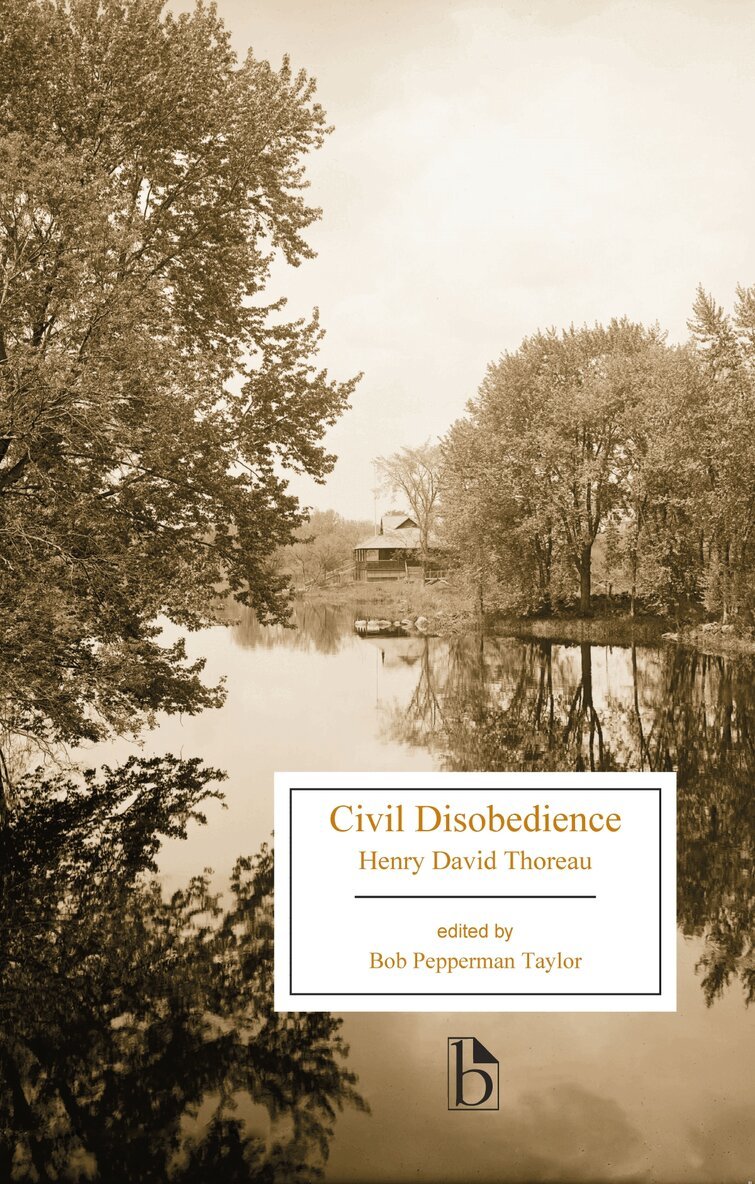
Since its publication in 1849, Henry David Thoreau’s Civil Disobedience has influenced protestors, activists and political thinkers all over the world. Including the full text of Thoreau’s essay, The Routledge Guidebook to Thoreau’s Civil Disobedience explores the context of his writing, analyses different interpretations of the text and considers how posthumous edits to Civil Disobedience have altered its intended meaning. It introduces the reader to:the context of Thoreau’s work and the background to his writingthe significance of the references and allusionsthe contemporary reception of Thoreau’s essaythe ongoing relevance of the work and a discussion of different perspectives on the work.Providing a detailed analysis which closely examines Thoreau’s original work, this is an essential introduction for students of politics, philosophy and history, and all those seeking a full appreciation of this classic work.
1 626 kr
Skickas inom 10-15 vardagar
Since its publication in 1849, Henry David Thoreau’s Civil Disobedience has influenced protestors, activists and political thinkers all over the world. Including the full text of Thoreau’s essay, The Routledge Guidebook to Thoreau’s Civil Disobedience explores the context of his writing, analyses different interpretations of the text and considers how posthumous edits to Civil Disobedience have altered its intended meaning. It introduces the reader to:the context of Thoreau’s work and the background to his writingthe significance of the references and allusionsthe contemporary reception of Thoreau’s essaythe ongoing relevance of the work and a discussion of different perspectives on the work.Providing a detailed analysis which closely examines Thoreau’s original work, this is an essential introduction for students of politics, philosophy and history, and all those seeking a full appreciation of this classic work.
315 kr
Skickas inom 10-15 vardagar
This is a critique of most of the major environmental writers of this century; it offers a set of political criteria for assessing their contributions.
597 kr
Skickas inom 10-15 vardagar
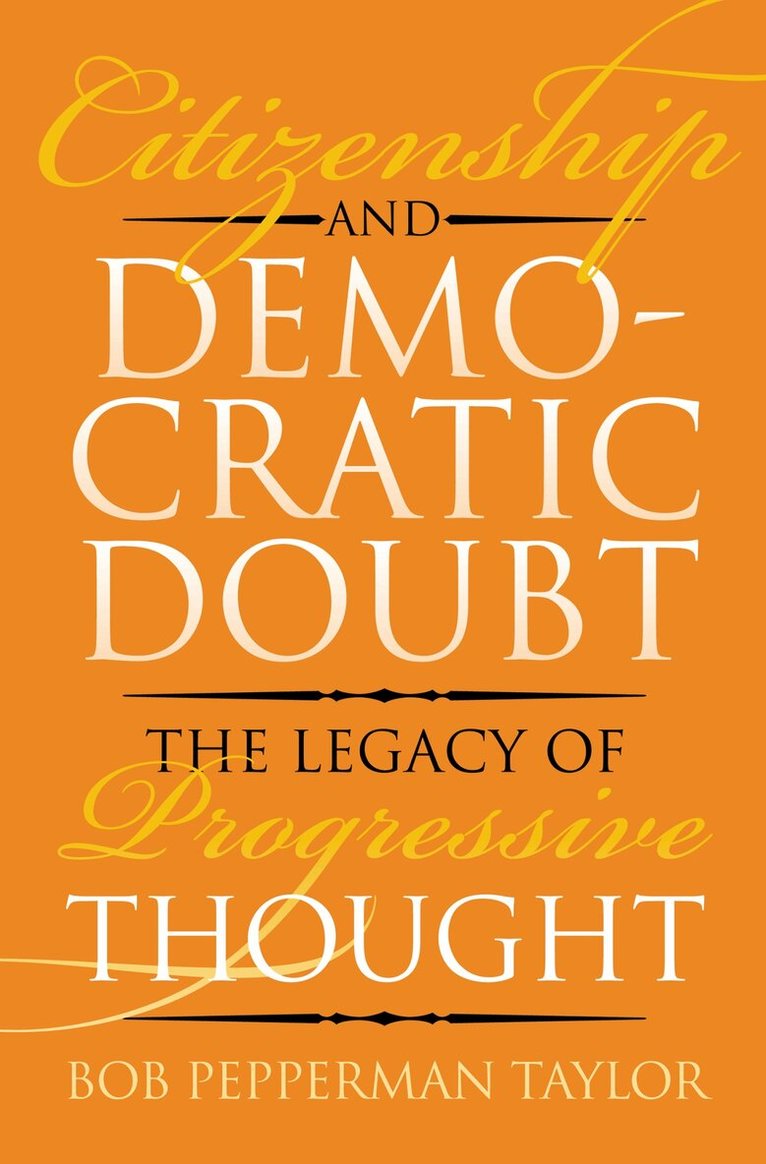
Much of the world today views America as an imperialist nation bent on global military, economic, and cultural domination. At home few share this negative view, largely because of a widespread belief in the irreproachable purity of our goals. Bob Pepperman Taylor, however, argues that our moral self-righteousness may potentially imperil our democratic ideals and threaten democracy itself by plunging us into illiberalism. Taylor looks closely at six key thinkers in the Progressive tradition whose work helps illuminate the essential flaws in our current thinking about democracy. Their writings, he contends, offer insights that can reinforce and strengthen a vigorous democratic faith, warn us of the dangers inherent in various forms of democratic arrogance, and counsel a kind of doubt or humility that would make us much better democratic citizens. All six thinkers - Herbert Croly, Walter Lippmann, John Dewey, Jane Addams, Carl Becker, and Aldo Leopold - were active in the first half of the twentieth century and grew out of and reflect the temper of American Progressivism. Their writings, in Taylor's view, illuminate harmful beliefs that constrain and even delude the popular democratic imagination in America. Taylor argues that Croly, Lippmann, and Dewey overestimate the normative value of science and underestimate the utopianism of their democratic visions. By contrast, Addams, Becker, and Leopold resisted these scientific and utopian temptations and offered reform-minded Americans a stronger understanding of what it meant to practice democratic citizenship. Addams counsels us to ""walk humbly before God""; Becker embraces the Progressive faith in equality and justice but discards its dogma of certain progress; and Leopold employs moral authority rather than his scientific training to defend our natural inheritance in what he recognizes is an ambiguous political debate. These three, Taylor argues, by aiming less at the grand transformation of the human condition than at practical solutions, show greater respect for democratic possibilities than did their more messianic counterparts. They promote a much more modest understanding of the possibilities both for democracy and the role of science in informing democratic practice. They also point to a clearer understanding of the virtues that citizens should cultivate if democracy is to prosper.
580 kr
Skickas inom 10-15 vardagar
315 kr
Skickas inom 10-15 vardagar
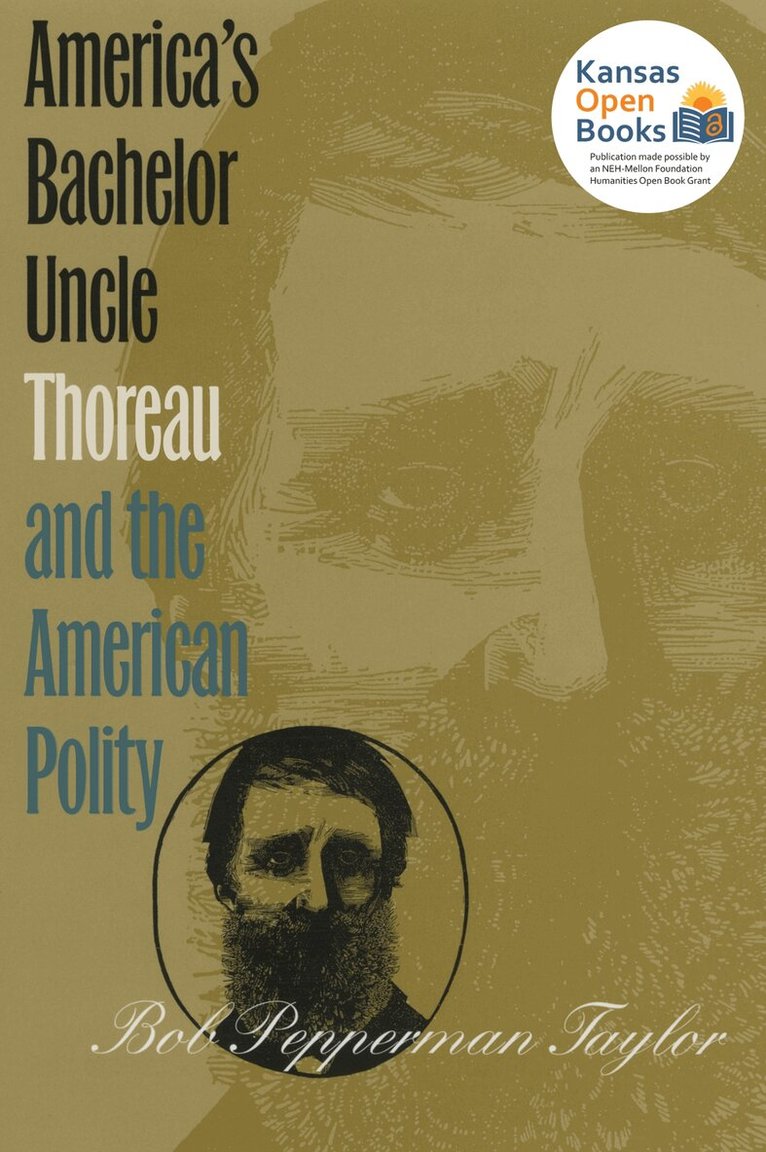
Emphatically revisionist, Bob Pepperman Taylor reveals a Thoreau most people never knew existed. Contrary to conventional views, Taylor argues that Thoreau was one of America's most powerful and least understood political thinkers, a man who promoted community and democratic values, while being ever vigilant against the evils of excessive or illegitimate authority.Still widely viewed as a remarkable nature writer but simplistic philosopher with no real understanding of society, Thoreau is resurrected here as a profound social critic with more on his mind than utopian daydreams. Rather than the aloof and very private individualist spurned by conservatives and championed by radicals and environmentalists, Taylor portrays Thoreau as a genuinely engaged political theorist concerned with the moral foundations of public life. Like a solicitous "bachelor uncle" (a self-referential phrase from his journals), Thoreau persistently prodded his fellow citizens to remember that they were responsible for independently evaluating the behavior of their government and political community. Taylor contends that, far from being confined to a few political essays ("Civil Disobedience," "Slavery in Massachusetts," and "A Plea for Captain John Brown"), Thoreau's political critique was a lifetime project that informed virtually all of his work. Taylor's persuasive study should send readers back to Walden, A Week on the Concord and Merrimack Rivers, and the 14-volume Journal, among many other writings, for a provocative new look at one of America's most influential writers.
288 kr
Skickas inom 10-15 vardagar
Much of the world today views America as an imperialist nation bent on global military, economic, and cultural domination. At home few share this negative view, largely because of a widespread belief in the irreproachable purity of our goals. Bob Pepperman Taylor, however, argues that our moral self-righteousness may potentially imperil our democratic ideals and threaten democracy itself by plunging us into illiberalism.Taylor looks closely at six key thinkers in the Progressive tradition whose work helps illuminate the essential flaws in our current thinking about democracy. Their writings, he contends, offer insights that can reinforce and strengthen a vigorous democratic faith, warn us of the dangers inherent in various forms of democratic arrogance, and counsel a kind of doubt or humility that would make us much better democratic citizens.All six thinkers—Herbert Croly, Walter Lippmann, John Dewey, Jane Addams, Carl Becker, and Aldo Leopold—were active in the first half of the twentieth century and grew out of and reflect the temper of American Progressivism, which spawned the most creative, optimistic, and committed generation of democratic theorists and activists in American history. Their writings, in Taylor’s view, illuminate harmful beliefs that constrain and even delude the popular democratic imagination in America.Taylor argues that Croly, Lippmann, and Dewey overestimate the normative value of science and underestimate the utopianism of their democratic visions. On the other hand, Addams, Becker, and Leopold resisted these scientific and utopian temptations. By advocating a kind of humility, they offered reform-minded Americans a stronger understanding of what it meant to practice democratic citizenship, however imperfectly. Addams counsels us to “walk humbly before God”; Becker embraces the Progressive faith in equality and justice but discards its dogma of certain progress; and Leopold employs moral authority rather than his scientific training to defend our natural inheritance in what he recognizes is an ambiguous political debate.These three, Taylor argues, by aiming less at the grand transformation of the human condition than at practical solutions, show greater respect for democratic possibilities than did their more messianic counterparts. They promote a much more modest understanding of the possibilities both for democracy and the role of science in informing democratic practice. They also point to a clearer understanding of the virtues that citizens should cultivate if democracy is to prosper.
1 970 kr
Skickas inom 7-10 vardagar
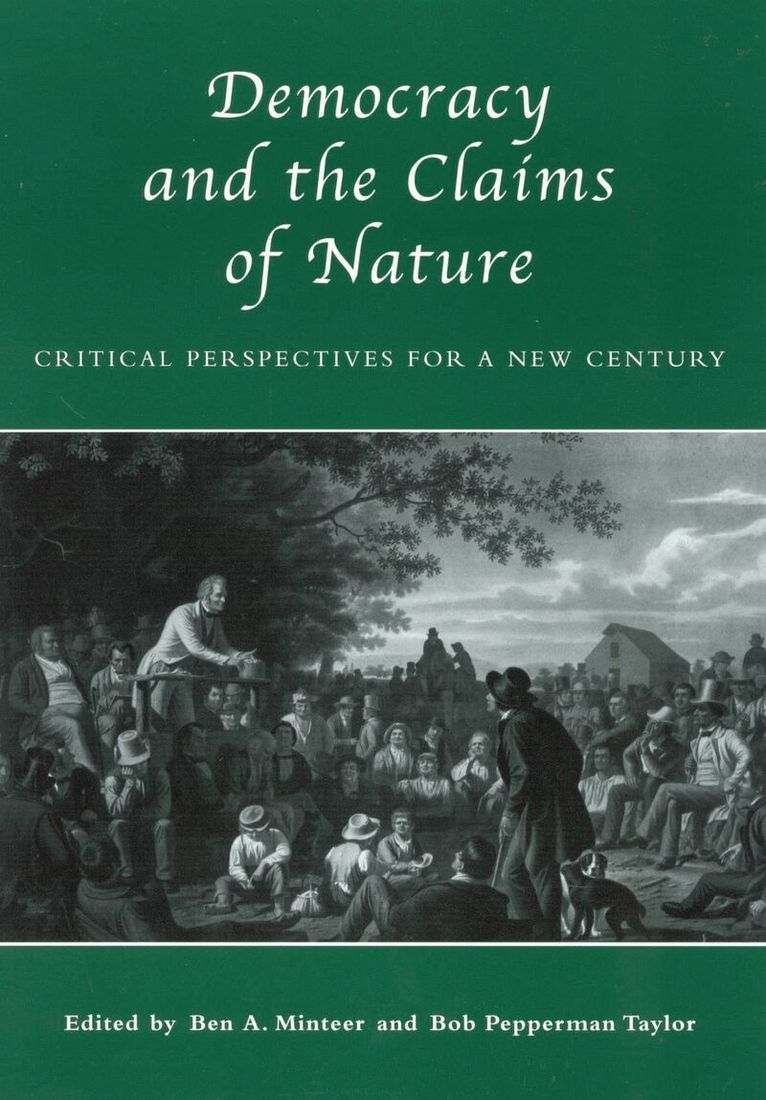
Can democrats be environmentalists? Democracy and the Claims of Nature tackles the core questions raised by the intersection of our democratic and environmental commitments, including the conceptual and practical connections between democratic theory and environmental ethics, the potential for an environmentally defined democratic citizenship, the concerns of equity and justice in environmental discourse and policy making, and the shape and future of democratic environmental movements. The prominent contributors-philosophers, political theorists, and social scientists-engage both the complexities and the possibilities of a robustly democratic environmentalism, and each offers their own unique insights into the particular challenges that flow from the intermingling of environmental ethics and politics.Taken together, the essays provide an indispensable multidisciplinary analysis of the ways in which our loyalties to democracy and the environment confront and mutually reinforce one another in theory and practice. Democracy and the Claims of Nature will be of great interest not only to students and educators in environmental studies, American political thought, and democratic theory, but to environmental professionals and citizens concerned about the health of both our democratic ideas and institutions and the environment in the 21st Century.
268 kr
Skickas