Bobby D. Weaver – författare
Visar alla böcker från författaren Bobby D. Weaver. Handla med fri frakt och snabb leverans.
6 produkter
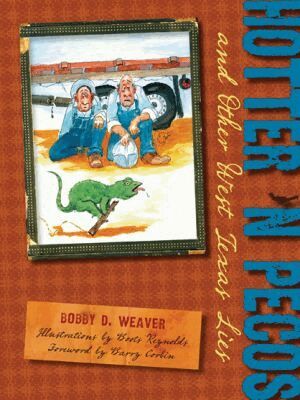
Hotter'n Pecos
And Other West Texas Lies
Häftad, 2010
274 kr
Lägg i varukorg
These collected tales - some taller than others - offer revealing glimpses into how and why West Texans are different. Rugged enough to make the harshest of environments their own, this species thrives in hundred-degree-plus heat and near-zero humidity. Folks like the crop duster who nearly sets …
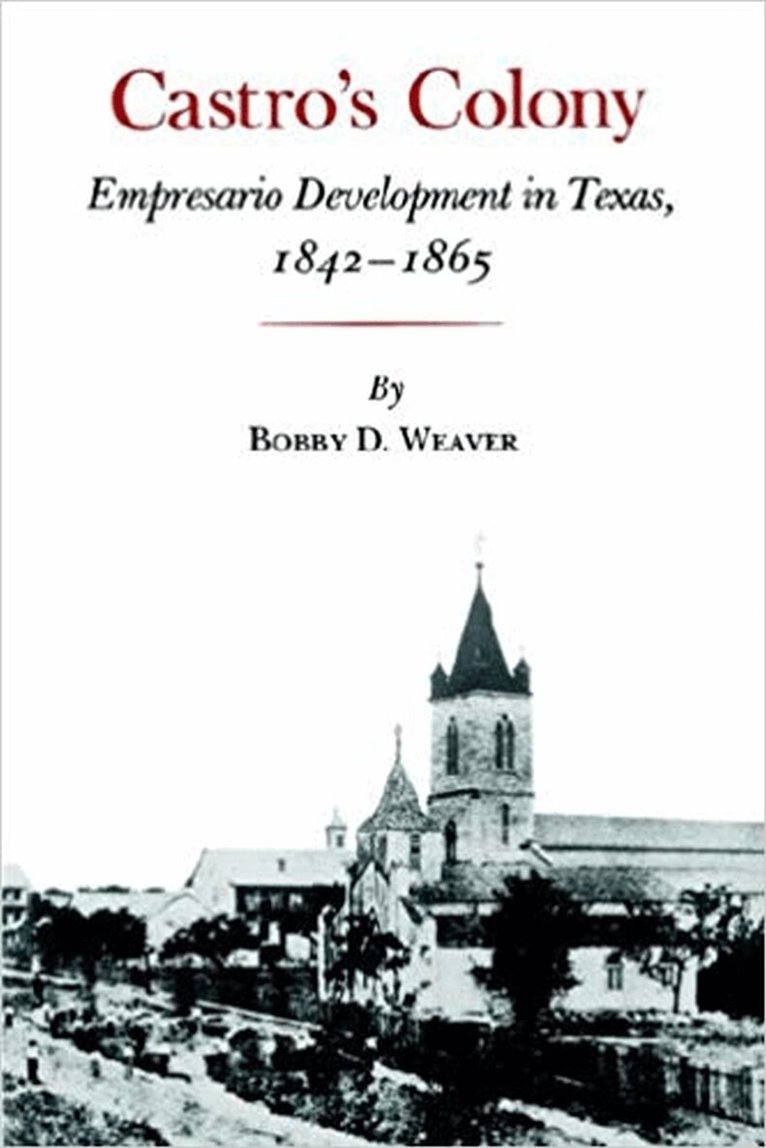
Castros Colony
Empresario Development in Texas, 1842-1865
Häftad, 2005
211 kr
Lägg i varukorg
In 1842, French banker Henri Castro secured a colonization grant and recruited more than two thousand Europeans - from France, Germany, Belgium, Holland, Hungary, and England - to immigrate to Texas and populate his colony. Bobby D. Weaver describes the empresario system under which this community, …
Oilfield Trash
Life and Labor in the Oil Patch
Häftad, 2013
225 kr
Lägg i varukorg
When the first gusher blew in at Spindletop, near Beaumont, Texas, in 1901, petroleum began to supplant cotton and cattle as the economic engine of the state and region. Very soon, much of the workforce migrated from the cotton field to the oilfield, following the lure of the wealth being created …
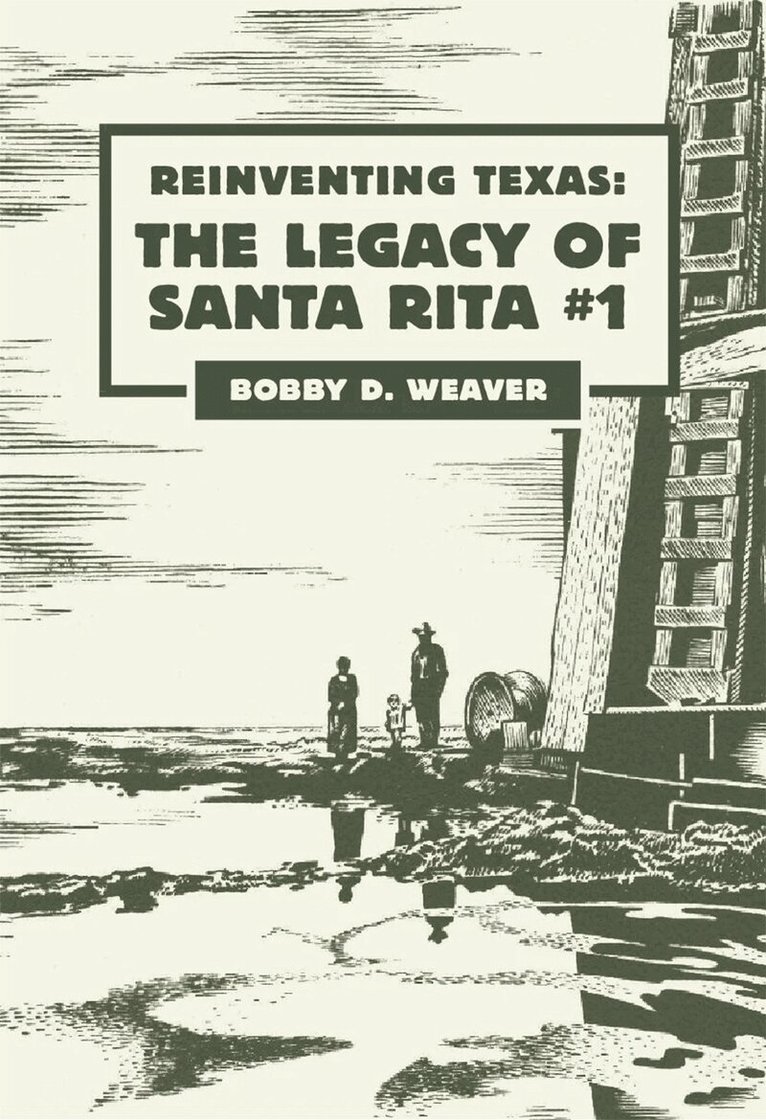
Reinventing Texas
The Legacy of Santa Rita No.1
Häftad, 2025
396 kr
Lägg i varukorg
The oil well known as Santa Rita No. 1 had a tremendous effect on both higher education in Texas, especially the University of Texas and Texas A&M University, and the region in which it was drilled, the Permian Basin. Santa Rita No. 1 became the spark for reinventing Texas, igniting an economic …
Castros Colony
Empresario Development in Texas, 1842-1865
Inbunden, 1985
353 kr
Tillfälligt slut
In 1842, French banker Henri Castro secured a colonization grant and recruited more than two thousand Europeans to immigrate to Texas and populate his colony. The author describes the empresario system under which this community, now known as Castroville, was formed and considers the life of its …
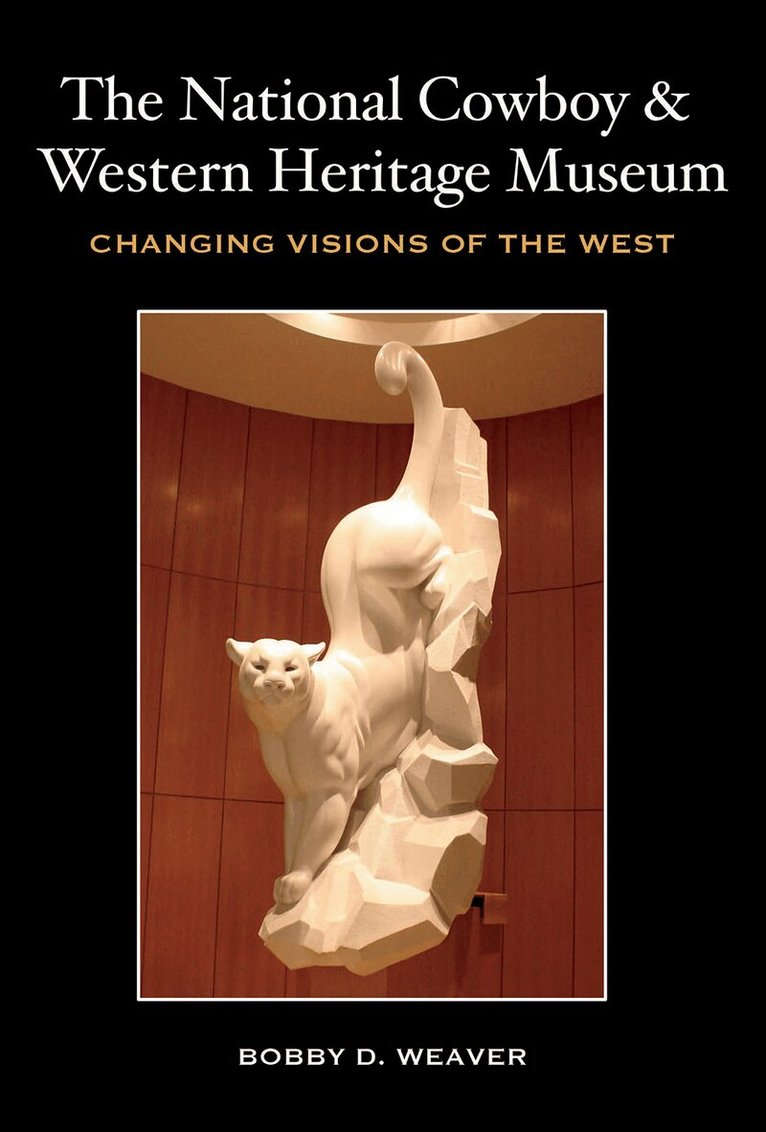
National Cowboy and Western Heritage Museum
Changing Visions of the West
Inbunden, 2020
353 kr
Tillfälligt slut
In June 1965, the National Cowboy Hall of Fame and Western Heritage Center, as it was then named, owned a mere handful of artifacts. In fact, the Oklahoma City institution was forced to borrow materials in order to mount exhibitions to support its inaugural events. From that modest beginning, the …