Bohdan S. Kordan – författare
Visar alla böcker från författaren Bohdan S. Kordan. Handla med fri frakt och snabb leverans.
18 produkter
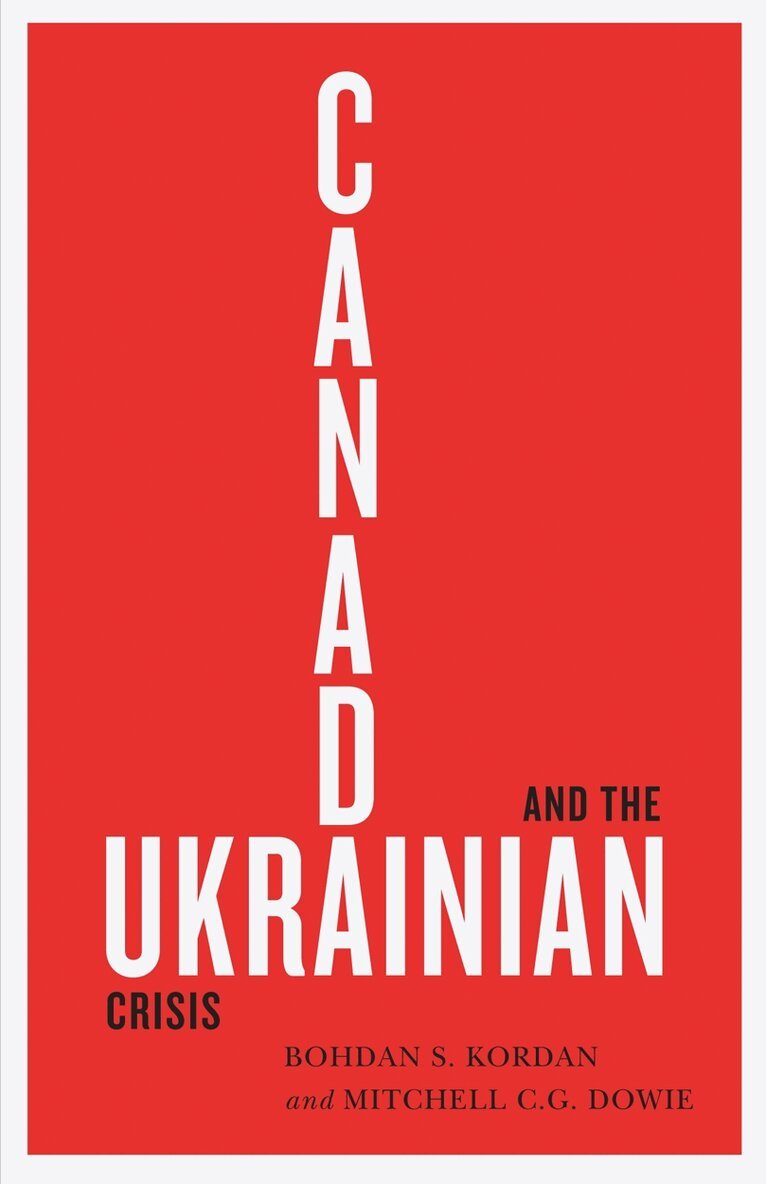
Canada and the Ukrainian Crisis
Av Bohdan S. Kordan, Mitchell C.G. Dowie
Häftad, 2020
368 kr
Lägg i varukorg
Since 1991, Canada has provided Ukraine with ongoing political and economic assistance. Never was this policy pursued with more urgency than in 2014, when Russian aggression prompted the Canadian government to elevate its support for Ukraine to a foreign policy priority. Although the move is often …
Canada and the Ukrainian Crisis
Av Mitchell C.G. Dowie, Bohdan S. Kordan
E-bok, 2021
302 kr
Lägg i varukorg
Since 1991, Canada has provided Ukraine with ongoing political and economic assistance. Never was this policy pursued with more urgency than in 2014, when Russian aggression prompted the Canadian government to elevate its support for Ukraine to a foreign policy priority. Although the move is often …
Canada and the Ukrainian Crisis
Av Mitchell C.G. Dowie, Bohdan S. Kordan
E-bok, 2021
309 kr
Lägg i varukorg
Since 1991, Canada has provided Ukraine with ongoing political and economic assistance. Never was this policy pursued with more urgency than in 2014, when Russian aggression prompted the Canadian government to elevate its support for Ukraine to a foreign policy priority. Although the move is often …
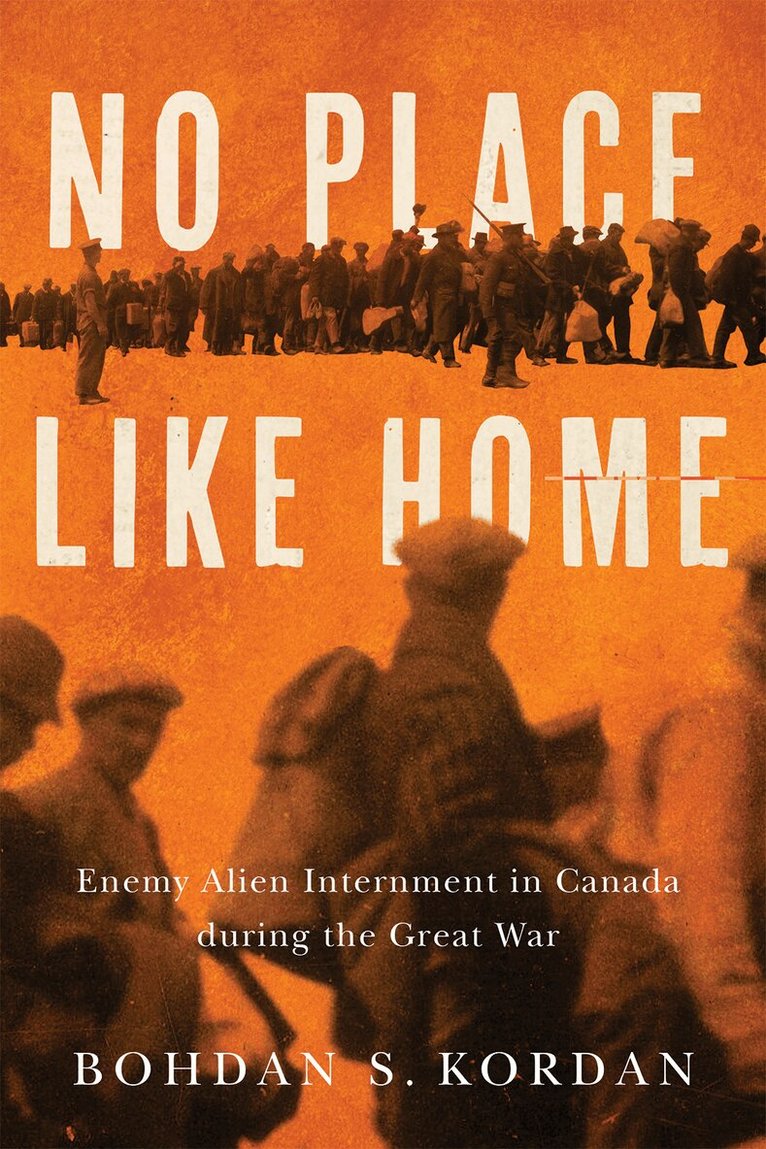
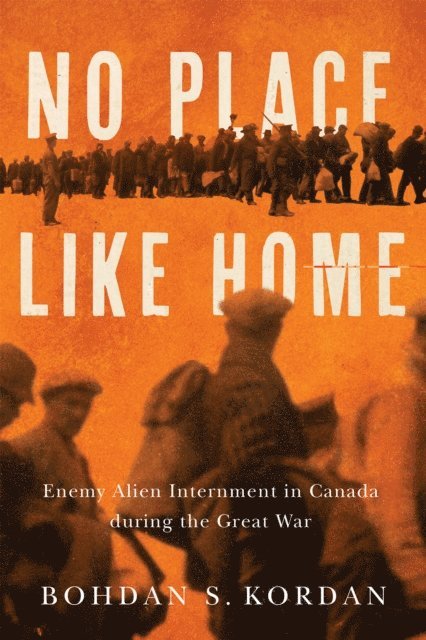
No Place Like Home
Enemy Alien Internment in Canada during the Great War
Häftad, 2025
281 kr
Lägg i varukorg
No Place Like Home chronicles a little-known episode in Canada’s national history: when internment was first employed during the Great War under the War Measures Act.Highlighting the problem of immigrant fit and belonging, Bohdan Kordan shows how legal, political, and cultural frameworks modelled …
No Place Like Home
Enemy Alien Internment in Canada during the Great War
E-bok, 2025
294 kr
Lägg i varukorg
No Place Like Home chronicles a little-known episode in Canada’s national history: when internment was first employed during the Great War under the War Measures Act. Highlighting the problem of immigrant fit and belonging, Bohdan Kordan shows how legal, political, and cultural frameworks modelled …
No Place Like Home
Enemy Alien Internment in Canada during the Great War
E-bok, 2025
294 kr
Lägg i varukorg
No Place Like Home chronicles a little-known episode in Canada’s national history: when internment was first employed during the Great War under the War Measures Act. Highlighting the problem of immigrant fit and belonging, Bohdan Kordan shows how legal, political, and cultural frameworks modelled …
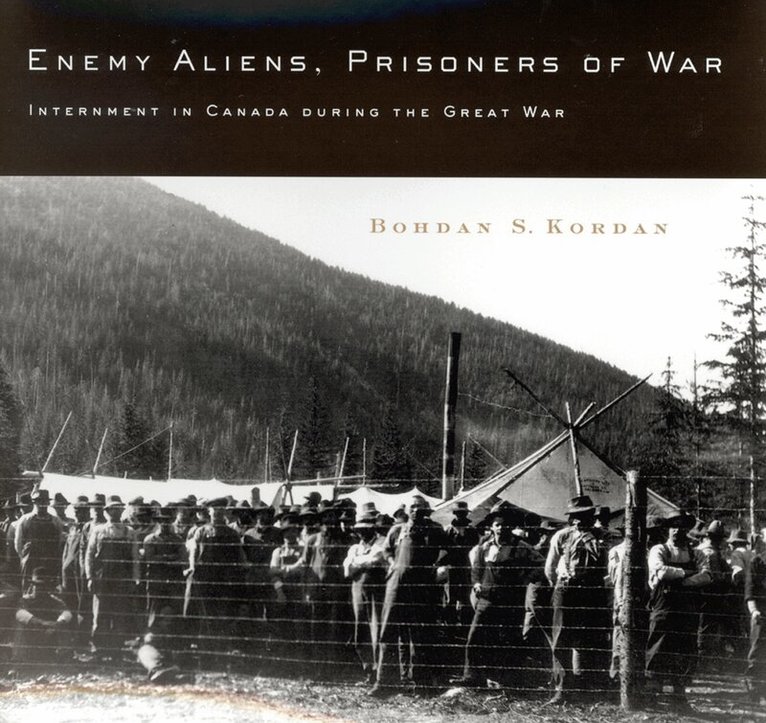
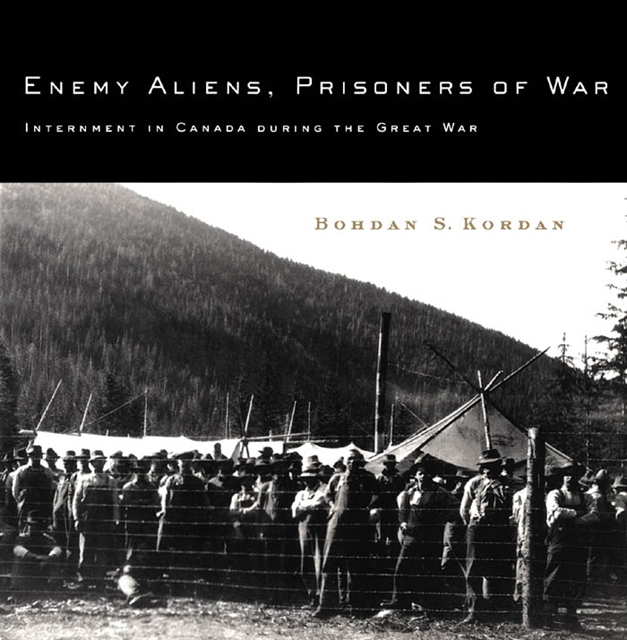
Enemy Aliens, Prisoners of War
Internment in Canada During the Great War
Inbunden, 2002
542 kr
Lägg i varukorg
Focusing on these and other thematic issues, Bohdan Kordan assesses the policy and practice of civilian internment in Canada during the Great War and provides a clear yet critical statement about the complex and troubling nature of this experience. Period photographs and first person accounts …
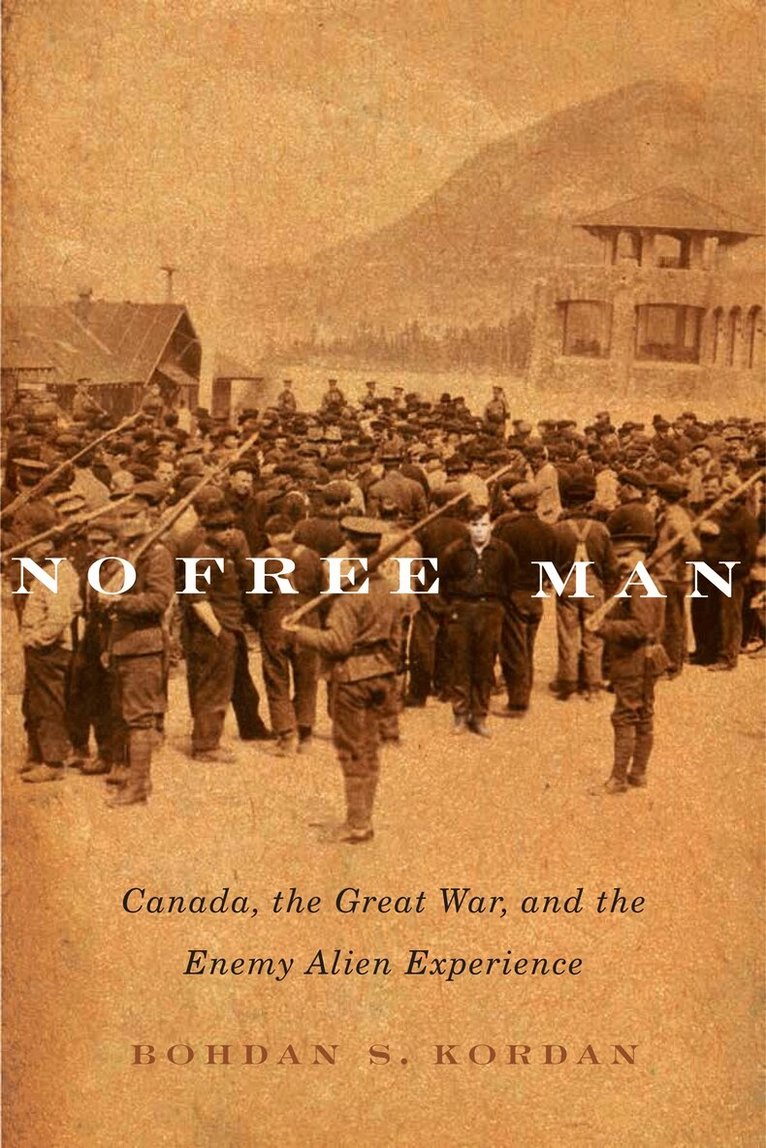
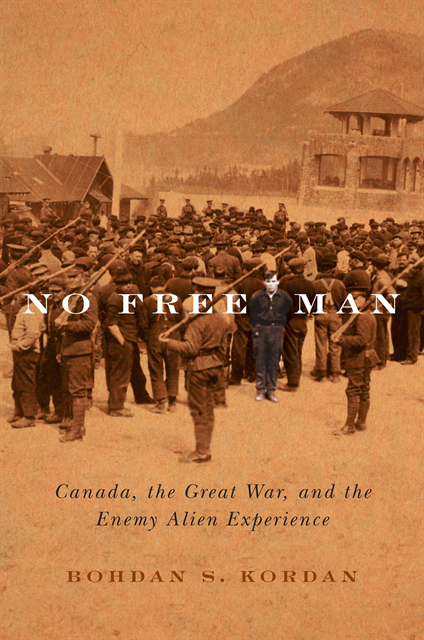
No Free Man
Canada, the Great War, and the Enemy Alien Experience
Inbunden, 2016
542 kr
Lägg i varukorg
Approximately 8,000 Canadian civilians were imprisoned during the First World War because of their ethnic ties to Germany, Austria-Hungary, and other enemy nations. Although not as well-known as the later internments of Japanese Canadians during the Second World War, these incarcerations played a …
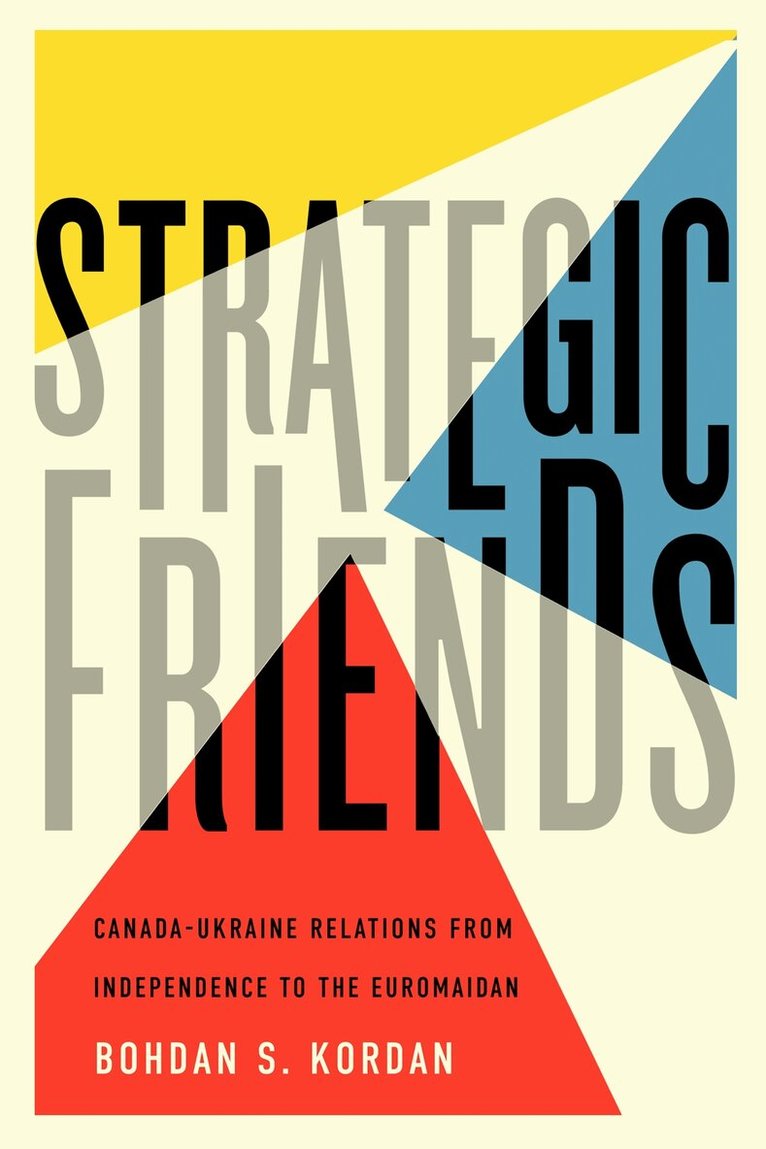
Strategic Friends
Canada-Ukraine Relations from Independence to the Euromaidan
Häftad, 2019
386 kr
Lägg i varukorg
Since the end of the Soviet Union, Canada has played a leading role in the international response to Ukraine and to the challenges associated with its transition to independence. As Conservative and Liberal governments alike have sought to adapt foreign policy to contend with uncertainty and …
Strategic Friends
Canada-Ukraine Relations from Independence to the Euromaidan
E-bok, 2019
343 kr
Lägg i varukorg
Since the end of the Soviet Union, Canada has played a leading role in the international response to Ukraine and to the challenges associated with its transition to independence. As Conservative and Liberal governments alike have sought to adapt foreign policy to contend with uncertainty and …
Strategic Friends
Canada-Ukraine Relations from Independence to the Euromaidan
E-bok, 2019
343 kr
Lägg i varukorg
Since the end of the Soviet Union, Canada has played a leading role in the international response to Ukraine and to the challenges associated with its transition to independence. As Conservative and Liberal governments alike have sought to adapt foreign policy to contend with uncertainty and …
Canada and the Ukrainian Question, 1939-1945
E-bok, 2001
1072 kr
Lägg i varukorg
Focusing on the difficulties the government faced in trying to reconcile moral imperatives and political interest, Kordan provides an innovative interpretation of government policy toward Ukrainian Canadians. Drawing extensively on Canadian, British, American, and Soviet archival material, he …
Enemy Aliens, Prisoners of War
Internment in Canada during the Great War
E-bok, 2002
541 kr
Lägg i varukorg
Focusing on these and other thematic issues, Bohdan Kordan assesses the policy and practice of civilian internment in Canada during the Great War and provides a clear yet critical statement about the complex and troubling nature of this experience. Period photographs and first person accounts …
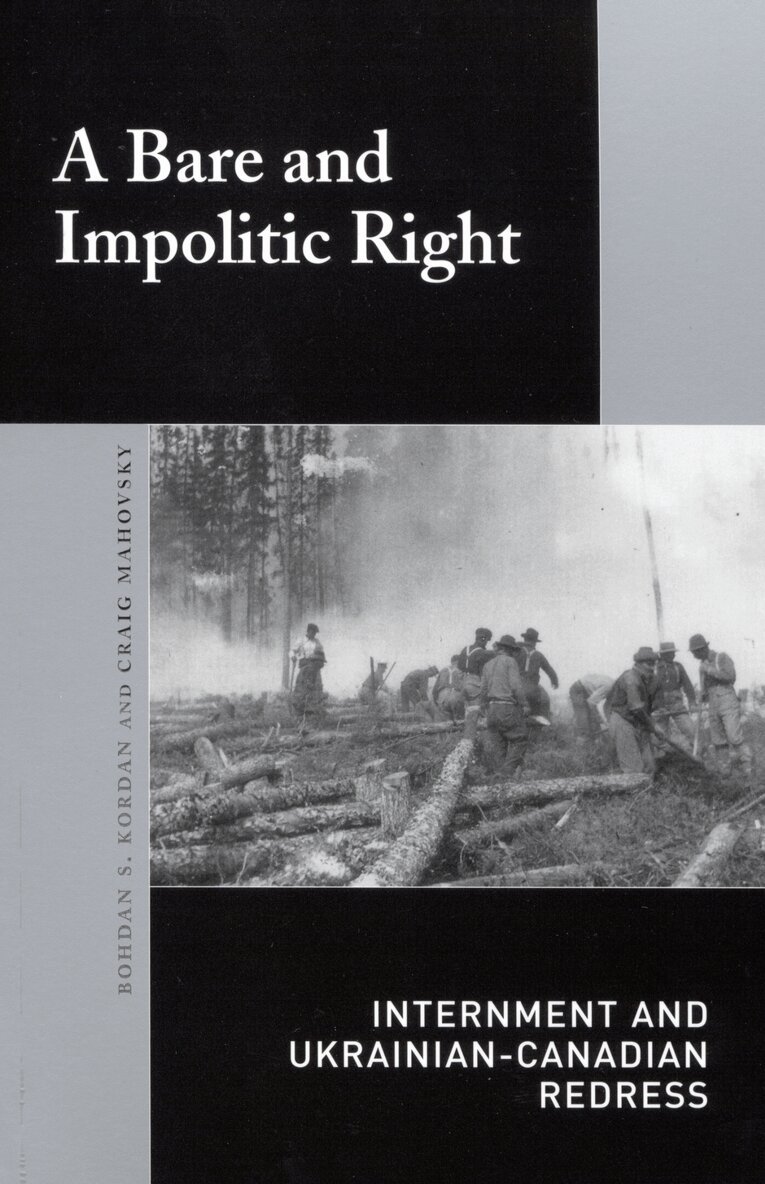
Bare and Impolitic Right
Internment and Ukrainian-Canadian Redress
Av Craig Mahovsky, Bohdan S. Kordan
E-bok, 2004
1072 kr
Lägg i varukorg
When must a current government attempt to come to terms with the wrongs of governments long past? In A Bare and Impolitic Right Bohdan Kordan and Craig Mahovsky examine the internment of Ukrainian Canadians during the Great War and explore the political, philosophical, and ethical dimensions of …
No Free Man
Canada, the Great War, and the Enemy Alien Experience
E-bok, 2016
485 kr
Lägg i varukorg
Approximately 8,000 Canadian civilians were imprisoned during the First World War because of their ethnic ties to Germany, Austria-Hungary, and other enemy nations. Although not as well-known as the later internments of Japanese Canadians during the Second World War, these incarcerations played a …
Canada and the Ukrainian Crisis
Av Bohdan S. Kordan, Mitchell C.G. Dowie
Inbunden, 2020
1276 kr
Tillfälligt slut
Since 1991, Canada has provided Ukraine with ongoing political and economic assistance. Never was this policy pursued with more urgency than in 2014, when Russian aggression prompted the Canadian government to elevate its support for Ukraine to a foreign policy priority. Although the move is often …
Canada and the Ukrainian Question, 1939-1945
Häftad, 2001
470 kr
Tillfälligt slut
Focusing on the difficulties the government faced in trying to reconcile moral imperatives and political interest, Kordan provides an innovative interpretation of government policy toward Ukrainian Canadians. Drawing extensively on Canadian, British, American, and Soviet archival material, he …
Bare and Impolitic Right
Internment and Ukrainian-Canadian Redress
Av Bohdan S. Kordan, Craig Mahovsky
Häftad, 2004
325 kr
Tillfälligt slut
Examines the internment of Ukrainian Canadians during the Great War