Bonnie J. Clark - Böcker
Visar alla böcker från författaren Bonnie J. Clark. Handla med fri frakt och snabb leverans.
3 produkter
3 produkter
500 kr
Skickas inom 10-15 vardagar
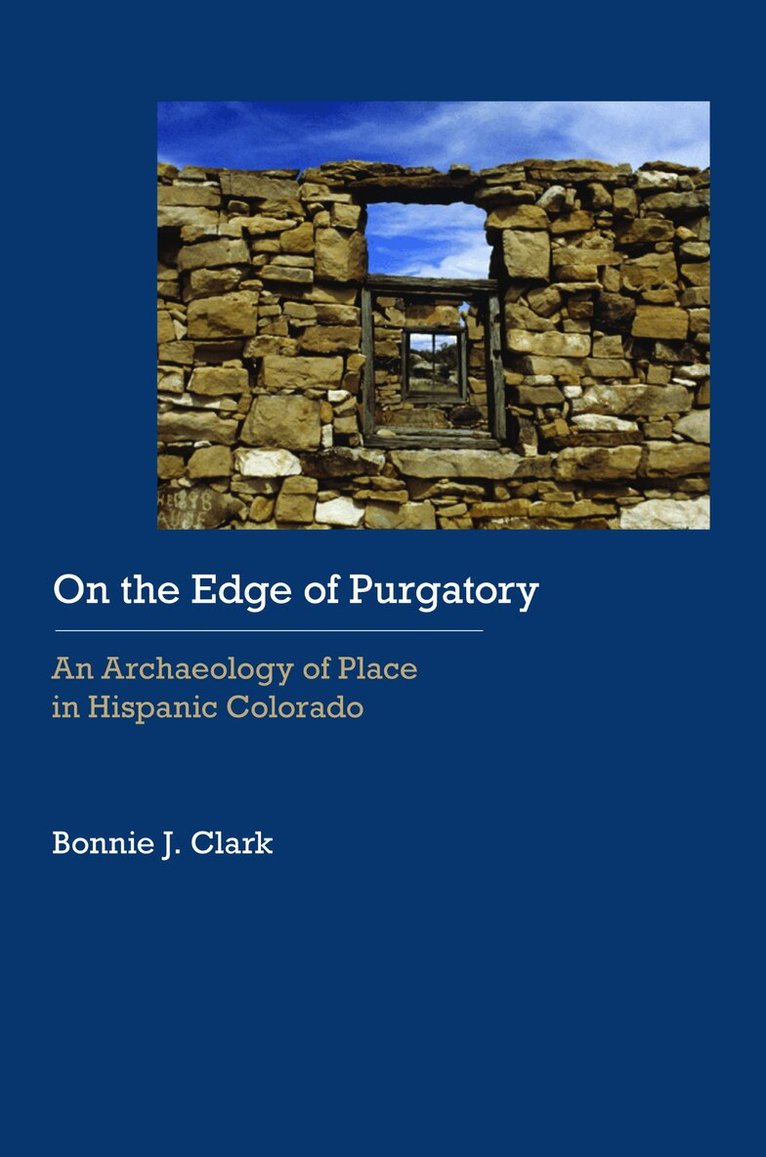
Southeastern Colorado was known as the northernmost boundary of New Spain in the sixteenth century. By the late 1800s, the region was U.S. territory, but the majority of settlers remained Hispanic families. They had a complex history of interaction with indigenous populations in the area and adopted many of the indigenous methods of survival in this difficult environment. Today their descendants compose a vocal part of the Hispanic population of Colorado. Bonnie J. Clark investigates the unwritten history of this unique Hispanic population. Combining archaeological research, contemporary ethnography, and oral and documentary history, Clark examines the everyday lives of this population over time. Framing this discussion within the wider context of the changing economic and political processes at work, Clark looks at how changing and contesting ethnic and gender identities were experienced on a daily basis. Providing new insights into the construction of ethnic identity in the American West over hundreds of years, this study complicates and enriches our understanding of the role of Hispanic populations in the West.
772 kr
Tillfälligt slut
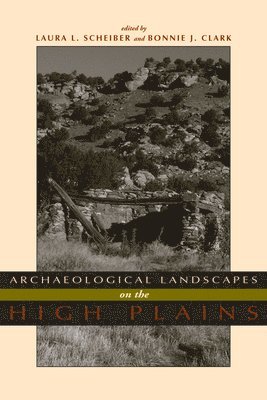
Archaeological Landscapes on the High Plains combines history, anthropology, archaeology, and geography to take a closer look at the relationships between land and people in this unique North American region.Focusing on long-term change, this book considers ethnographic literature, archaeological evidence, and environmental data spanning thousands of years of human presence to understand human perception and construction of landscape. The contributors offer cohesive and synthetic studies emphasizing hunter-gatherers and subsistence farmers.Using landscape as both reality and metaphor, Archaeological Landscapes on the High Plains explores the different and changing ways that people interacted with place in this transitional zone between the Rocky Mountains and the eastern prairies.The contemporary archaeologists working in this small area have chosen diverse approaches to understand the past and its relationship to the present. Through these ten case studies, this variety is highlighted but leads to a common theme - that the High Plains contains important locales to which people, over generations or millennia, return. Providing both data and theory on a region that has not previously received much attention from archaeologists, especially compared with other regions in North America, this volume is a welcome addition to the literature. Contributors:o Paul Burnetto Oskar Burgero Minette C. Churcho Philip Dukeo Kevin Gilmoreo Eileen Johnsono Mark D. Mitchello Michael R. Petersono Lawrence Todd
477 kr
Skickas inom 5-8 vardagar
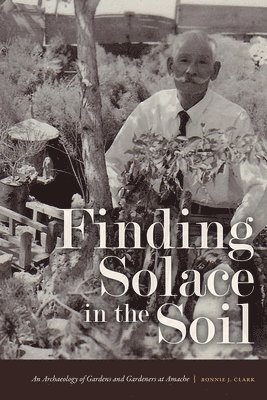
Finding Solace in the Soil tells the largely unknown story of the gardens of Amache, the War Relocation Authority incarceration camp in Colorado. Combining physical evidence with oral histories and archival data and enriched by the personal photographs and memories of former Amache incarcerees, the book describes how gardeners cultivated community in confinement.Before incarceration, many at Amache had been farmers, gardeners, or nursery workers. Between 1942 and 1945, they applied their horticultural expertise to the difficult high plains landscape of southeastern Colorado. At Amache they worked to form microclimates, reduce blowing sand, grow better food, and achieve stability and preserve community at a time of dehumanizing dispossession. In this book archaeologist Bonnie J. Clark examines botanical data like seeds, garden-related artifacts, and other material evidence found at Amache, as well as oral histories from survivors and archival data including personal letters and government records, to recount how the prisoners of Amache transformed the harsh military setting of the camp into something resembling a town. She discusses the varieties of gardens found at the site, their place within Japanese and Japanese American horticultural traditions, and innovations brought about by the creative use of limited camp resources. The gardens were regarded by the incarcerees as a gift to themselves and to each other. And they were also, it turns out, a gift to the future as repositories of generational knowledge where a philosophical stance toward nature was made manifest through innovation and horticultural skill. Framing the gardens and gardeners of Amache within the larger context of the incarceration of Japanese Americans and of recent scholarship on displacement and confinement, Finding Solace in the Soil will be of interest to gardeners, historical archaeologists, landscape archaeologists, cultural anthropologists, and scholars of Japanese American history and horticultural history.