Boris Barth – författare
Visar alla böcker från författaren Boris Barth. Handla med fri frakt och snabb leverans.
17 produkter
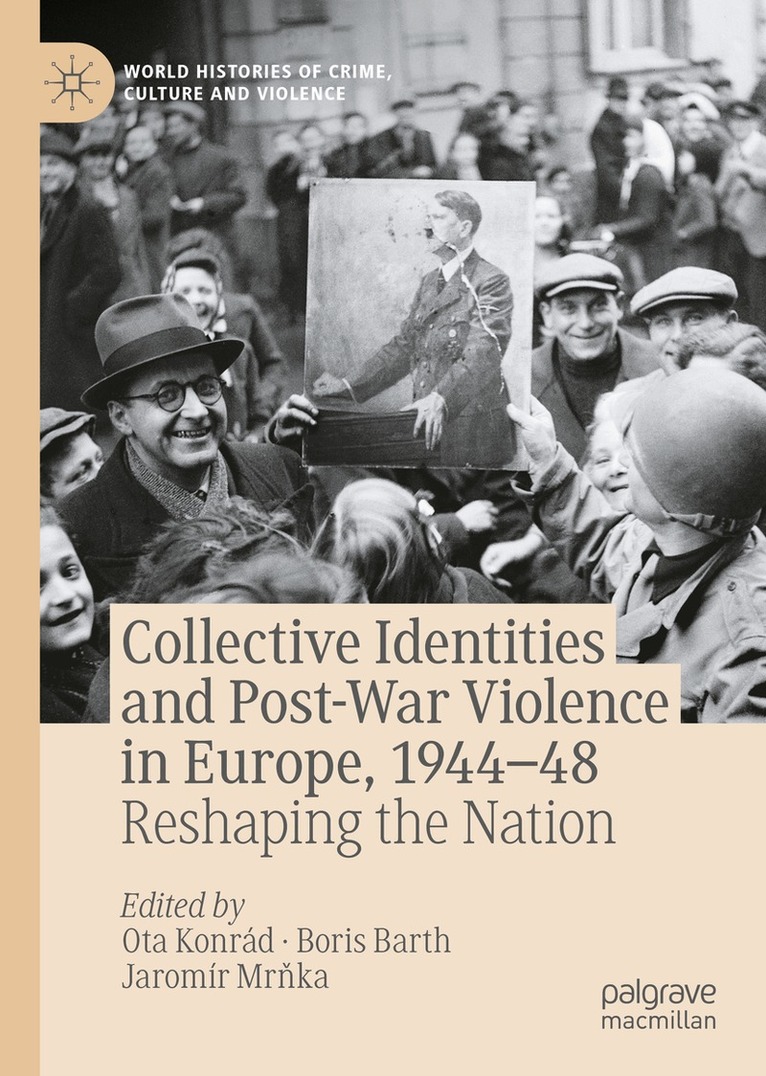
Collective Identities and Post-War Violence in Europe, 1944–48
Reshaping the Nation
Av Ota Konrád, Boris Barth m. fl.
Inbunden, 2021
1685 kr
Lägg i varukorg
This book analyses the process of ‘reshaping’ liberated societies in post-1945 Europe. Post-war societies tried to solve three main questions immediately after the dark times of occupation: Who could be considered a patriot and a valuable member of the respective national community? How could …
Collective Identities and Post-War Violence in Europe, 1944-48
Reshaping the Nation
Av Jaromir Mrnka, Boris Barth m. fl.
E-bok, 2021
2174 kr
Lägg i varukorg
This book analyses the process of ‘reshaping’ liberated societies in post-1945 Europe. Post-war societies tried to solve three main questions immediately after the dark times of occupation: Who could be considered a patriot and a valuable member of the respective national community? How could …
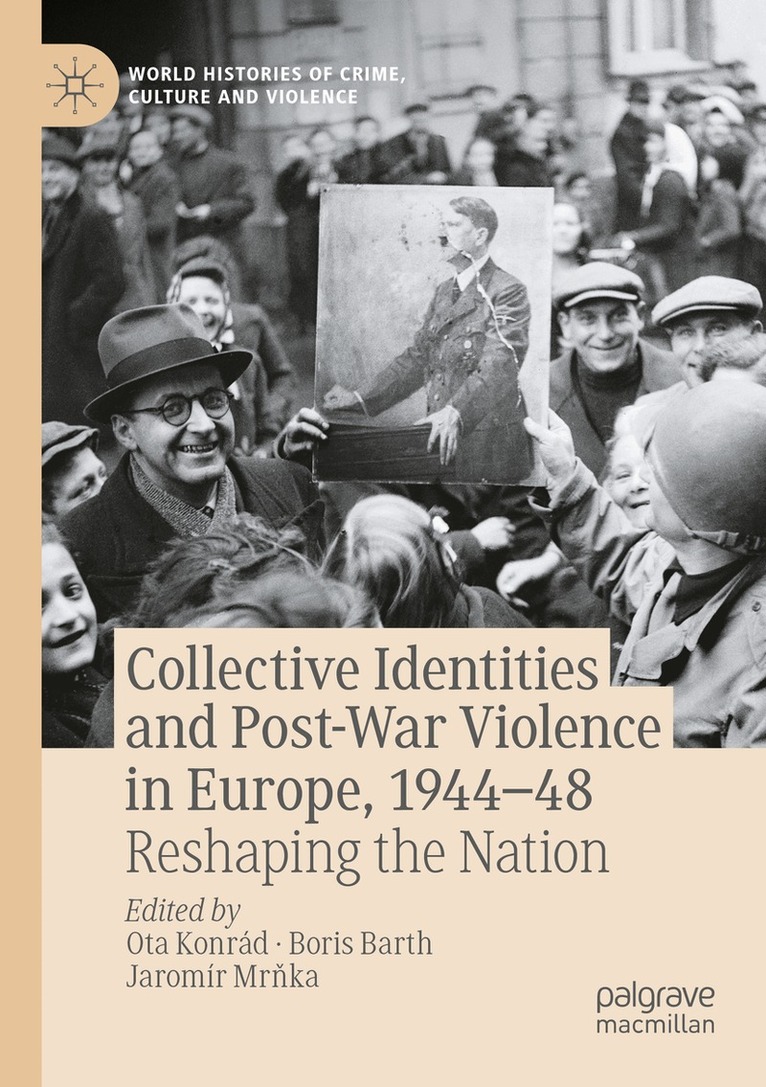
Collective Identities and Post-War Violence in Europe, 1944–48
Reshaping the Nation
Av Ota Konrád, Boris Barth m. fl.
Häftad, 2022
1685 kr
Lägg i varukorg
This book analyses the process of ‘reshaping’ liberated societies in post-1945 Europe. Post-war societies tried to solve three main questions immediately after the dark times of occupation: Who could be considered a patriot and a valuable member of the respective national community? How could …
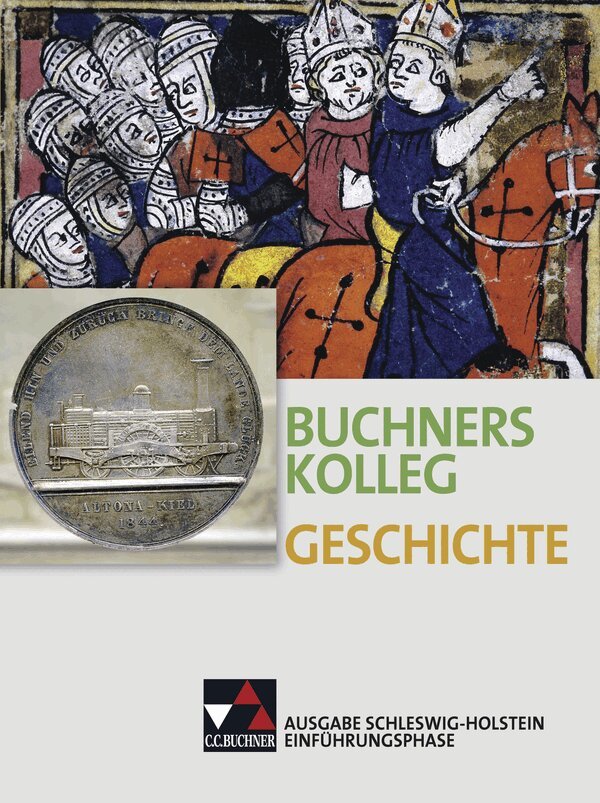
Buchners Geschichte Oberstufe Schülerband Einführungsphase Schleswig-Holstein
Av Boris Barth, Thomas Ott m. fl.
Inbunden, 2016
543 kr
Lägg i varukorg
Buchners Kolleg Geschichte 11/12 Neue Ausgabe Brandenburg
Av Thomas Ahbe, Gerlind Kramer m. fl.
Inbunden
732 kr
Lägg i varukorg
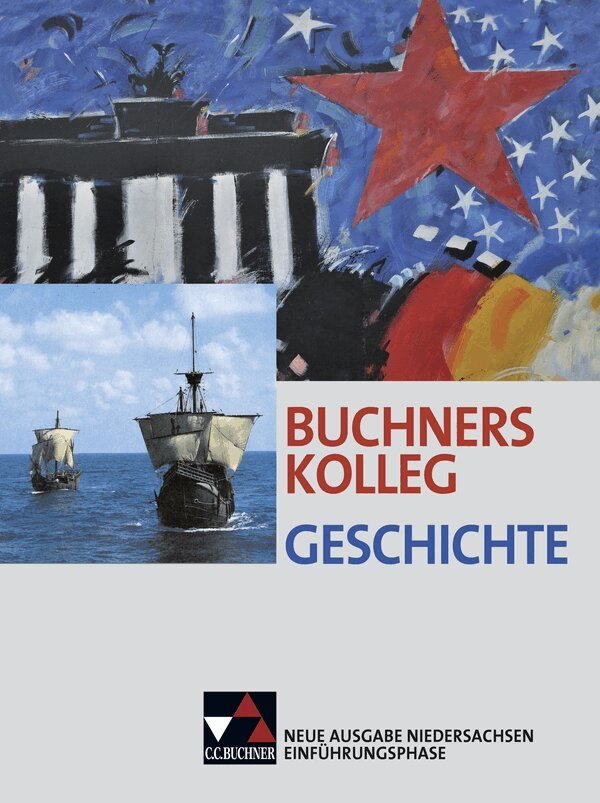
Buchners Kolleg Geschichte NI Einführungsphase
Av Boris Barth, Rolf Schulte m. fl.
Inbunden, 2018
543 kr
Lägg i varukorg
Buchners Kolleg Geschichte NI Abitur 2027
Av Thomas Ahbe, Oliver Näpel m. fl.
Inbunden, 2025
703 kr
Lägg i varukorg
Buchners Kolleg Geschichte Sachsen 11/12 - neu
Av Thomas Ahbe, Lorenz Maier m. fl.
Inbunden, 2023
734 kr
Lägg i varukorg
Buchners Kolleg Geschichte Berlin - neu
Av Thomas Ahbe, Klaus Dieter Hein-Mooren m. fl.
Inbunden, 2022
746 kr
Lägg i varukorg
Kolleg Geschichte BE/BB Q-Phase Ausgabe ab 2026
Av Thomas Ahbe, Johannes Köpcke m. fl.
Inbunden, 2026
749 kr
Lägg i varukorg
Buchners Kolleg Geschichte NI Abitur 2028
Av Thomas Ahbe, Thomas Ott m. fl.
Inbunden, 2026
703 kr
Lägg i varukorg
Die russischen Revolutionen
Av Boris Barth, Klaus Dieter Hein-Mooren m. fl.
Häftad, 2023
376 kr
Lägg i varukorg
Die Große Pest und die Folgen
Av Boris Barth, Klaus Dieter Hein-Mooren m. fl.
Häftad, 2026
376 kr
Lägg i varukorg
Buchners Geschichte Oberstufe. Ausgabe Nordrhein-Westfalen. Qualifikationsphase
Av Thomas Ahbe, Lorenz Maier m. fl.
Inbunden, 2015
718 kr
Lägg i varukorg
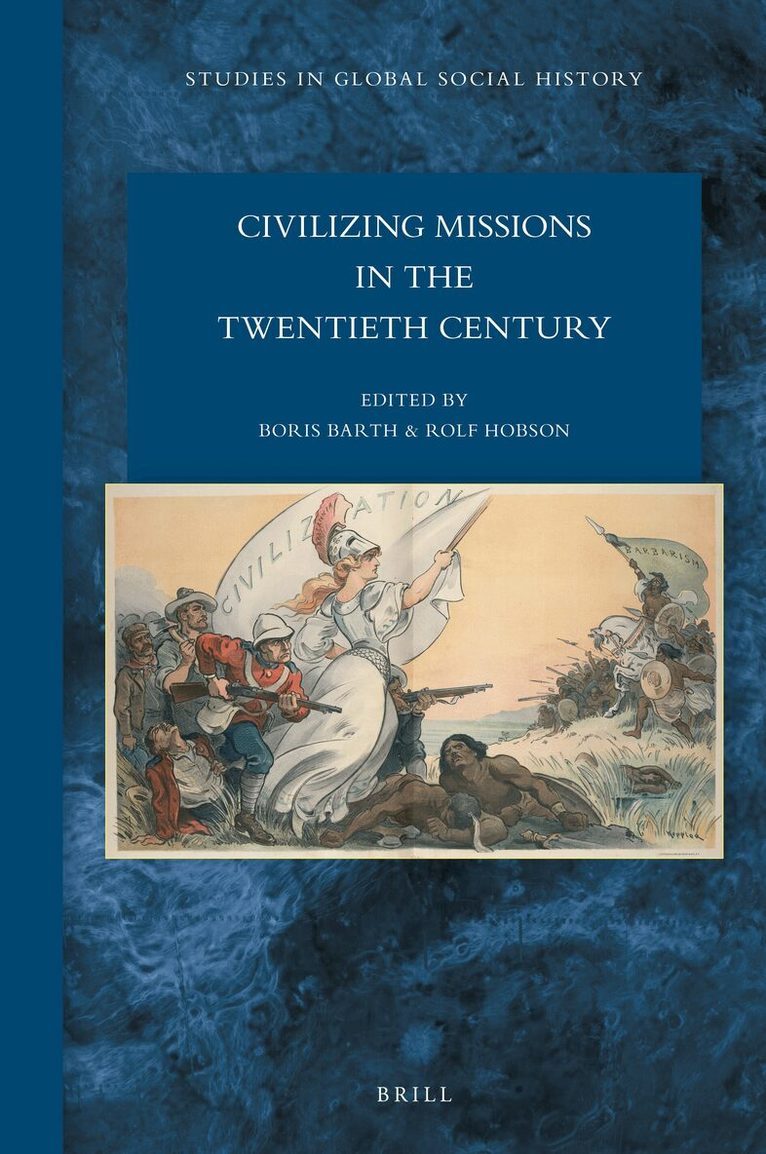
Civilizing Missions in the Twentieth Century
Av Boris Barth
Inbunden, 2020
2472 kr
Lägg i varukorg
The civilizing mission associated with nineteenth-century colonialism became harder to justify after the First World War. In an increasingly anti-imperialist culture, elites reformulated schemes for the “improvement” of “inferior” societies. Nation building, social engineering, humanitarianism, …