Jaromír Mrňka – författare
Visar alla böcker från författaren Jaromír Mrňka. Handla med fri frakt och snabb leverans.
3 produkter
3 produkter
Inbunden, Engelska, 2021
1 681 kr
Skickas inom 10-15 vardagar
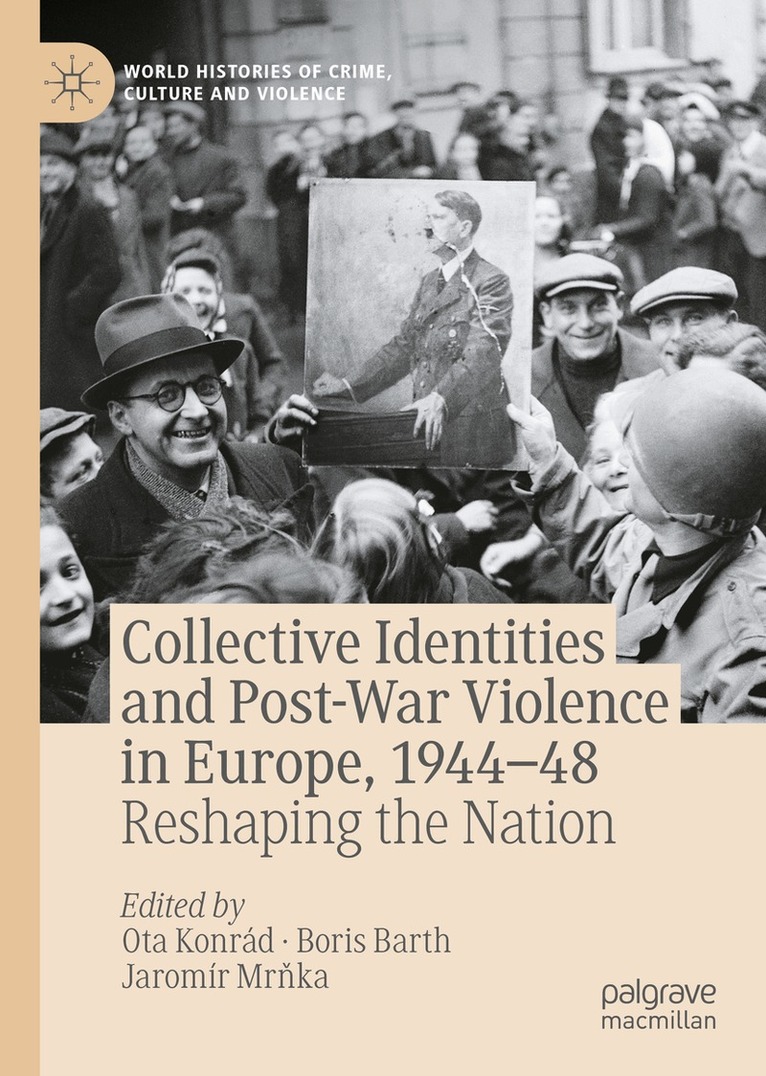
This book analyses the process of ‘reshaping’ liberated societies in post-1945 Europe. Post-war societies tried to solve three main questions immediately after the dark times of occupation: Who could be considered a patriot and a valuable member of the respective national community? How could relations between men and women be (re-)established? How could the respective society strengthen national cohesion? Violence in rather different forms appeared to be a powerful tool for such a complex reshaping of societies. The chapters are based on present primary research about specific cases and consider the different political, mental, and cultural developments in various nation-states between 1944 and 1948. Examples from Italy, France, Norway, Denmark, Greece, Ukraine, Lithuania, Belarus, Czechoslovakia, and Hungary demonstrate a new comparative and fascinating picture of post-war Europe. This perspective overcomes the notorious East-West dividing line, without covering the manifold differences between individual European countries.
E-bok
Engelska, 20212 054 kr
Läs direkt efter köp
This book analyses the process of ‘reshaping’ liberated societies in post-1945 Europe. Post-war societies tried to solve three main questions immediately after the dark times of occupation: Who could be considered a patriot and a valuable member of the respective national community? How could relations between men and women be (re-)established? How could the respective society strengthen national cohesion? Violence in rather different forms appeared to be a powerful tool for such a complex reshaping of societies. The chapters are based on present primary research about specific cases and consider the different political, mental, and cultural developments in various nation-states between 1944 and 1948. Examples from Italy, France, Norway, Denmark, Greece, Ukraine, Lithuania, Belarus, Czechoslovakia, and Hungary demonstrate a new comparative and fascinating picture of post-war Europe. This perspective overcomes the notorious East-West dividing line, without covering the manifold differences between individual European countries.
Häftad, Engelska, 2022
1 681 kr
Skickas inom 10-15 vardagar
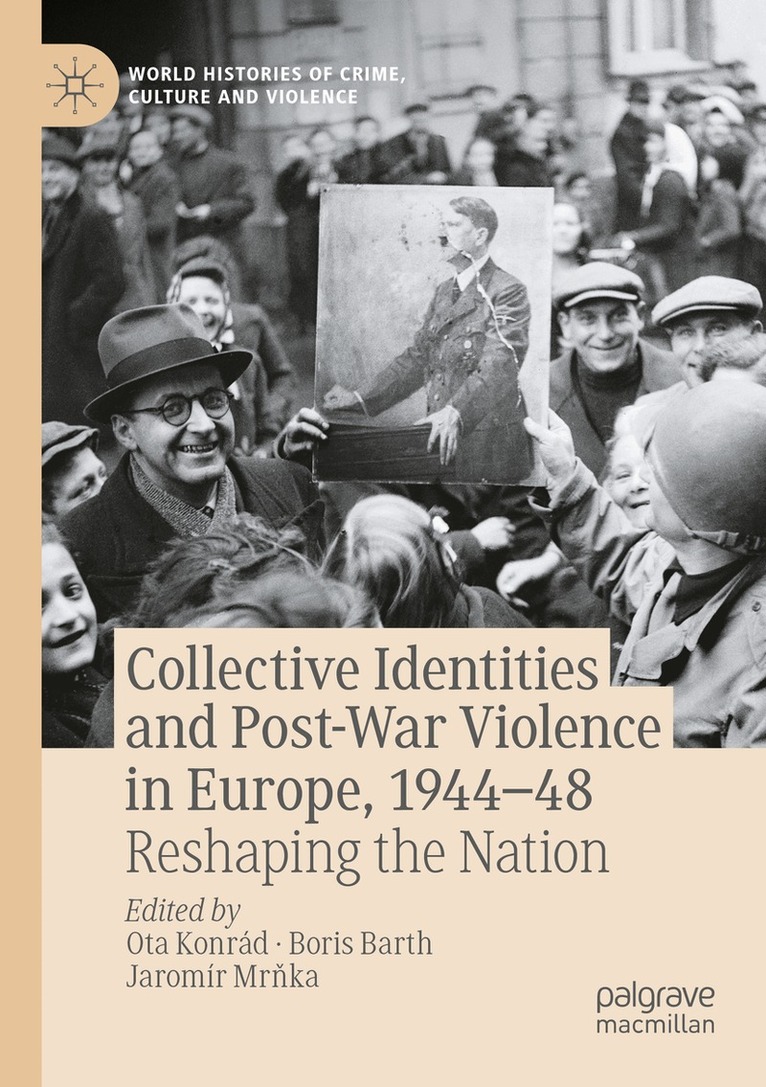
This book analyses the process of ‘reshaping’ liberated societies in post-1945 Europe. Post-war societies tried to solve three main questions immediately after the dark times of occupation: Who could be considered a patriot and a valuable member of the respective national community? How could relations between men and women be (re-)established? How could the respective society strengthen national cohesion? Violence in rather different forms appeared to be a powerful tool for such a complex reshaping of societies. The chapters are based on present primary research about specific cases and consider the different political, mental, and cultural developments in various nation-states between 1944 and 1948. Examples from Italy, France, Norway, Denmark, Greece, Ukraine, Lithuania, Belarus, Czechoslovakia, and Hungary demonstrate a new comparative and fascinating picture of post-war Europe. This perspective overcomes the notorious East-West dividing line, without covering the manifold differences between individual European countries.