Boris Sobolev - Böcker
Visar alla böcker från författaren Boris Sobolev. Handla med fri frakt och snabb leverans.
6 produkter
6 produkter
1 101 kr
Skickas inom 10-15 vardagar
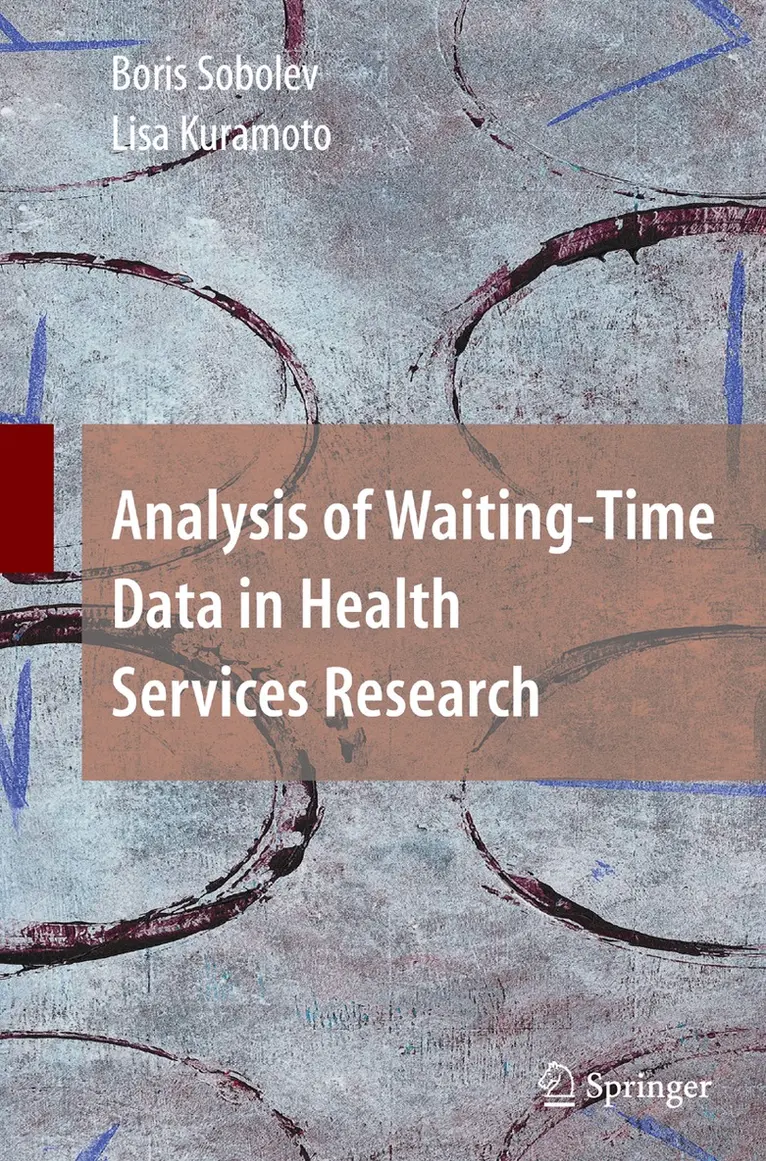
In health care systems that provide universal access to care, efforts to contain costs for standby hospital capacity usually result in wait lists for surgical procedures. When access to health care is rationed by such wait lists, the length of time that patients are required to wait is usually uncertain. This uncertainty is a natural product of stochastic variation in service time and in the percentage of urgent cases in any queuing system. However, in a queue for elective (nonemergency) procedures, waiting-time uncertainty has many additionalcauses. Forinstance,decisionsofbothpatientsandcareprovidersmayoverrideaqueuediscipline. Alternatively, the lack of a hospital resource, such as beds in the intensive care unit, may change queuing practices in favor of services that would not require the resource. Waiting time is often compared between regions, hospitals, periods, or surgical services to evaluate p- icy and performance. However, surprisingly little attention has been given to the variation in times spent in a single queue. Why some patients wait longer than others remains an important question in health services - search. Itisunclear,forexample, whether timetoservicevariesmorethanwouldbeexpected throughchance alone after differences in clinical condition are taken into account. Another important issue is preferential allocation of hospital resources. It also remains unclear whether patients of low priority are admitted directly as a way to circumvent long wait lists or to substitute for cancellations on the operating room schedule.
1 155 kr
Skickas inom 10-15 vardagar
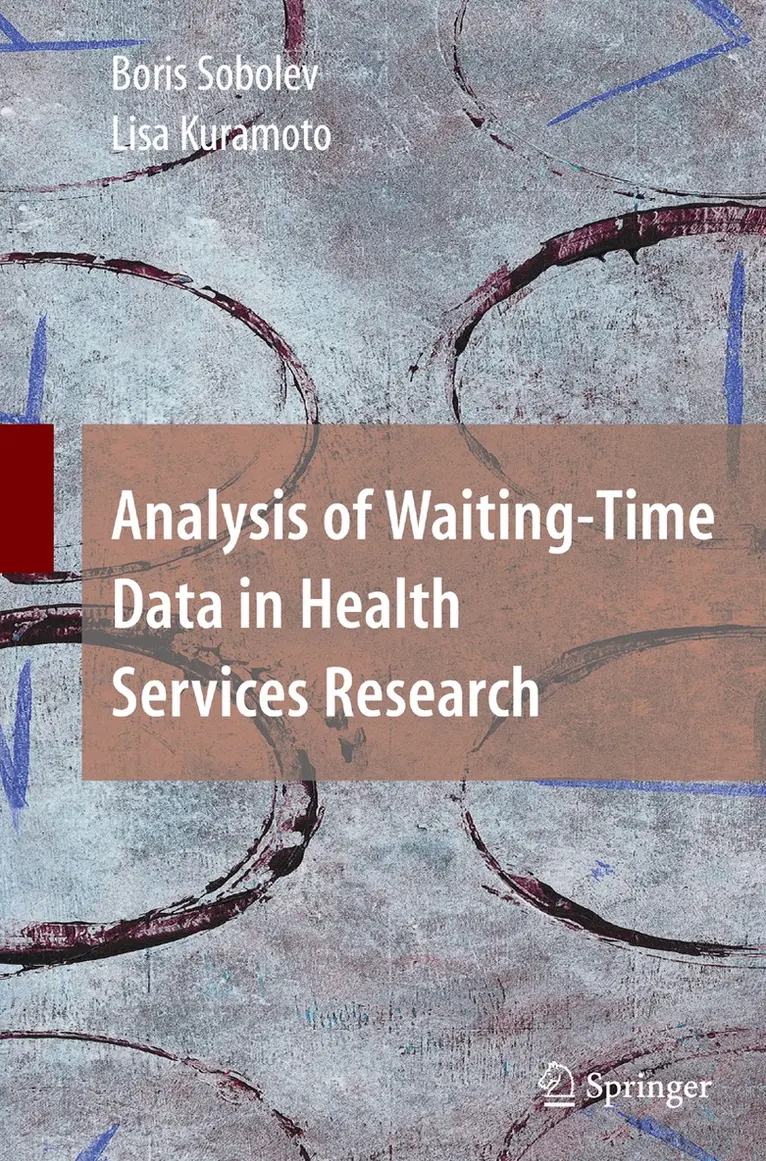
In health care systems that provide universal access to care, efforts to contain costs for standby hospital capacity usually result in wait lists for surgical procedures. When access to health care is rationed by such wait lists, the length of time that patients are required to wait is usually uncertain. This uncertainty is a natural product of stochastic variation in service time and in the percentage of urgent cases in any queuing system. However, in a queue for elective (nonemergency) procedures, waiting-time uncertainty has many additionalcauses. Forinstance,decisionsofbothpatientsandcareprovidersmayoverrideaqueuediscipline. Alternatively, the lack of a hospital resource, such as beds in the intensive care unit, may change queuing practices in favor of services that would not require the resource. Waiting time is often compared between regions, hospitals, periods, or surgical services to evaluate p- icy and performance. However, surprisingly little attention has been given to the variation in times spent in a single queue. Why some patients wait longer than others remains an important question in health services - search. Itisunclear,forexample, whether timetoservicevariesmorethanwouldbeexpected throughchance alone after differences in clinical condition are taken into account. Another important issue is preferential allocation of hospital resources. It also remains unclear whether patients of low priority are admitted directly as a way to circumvent long wait lists or to substitute for cancellations on the operating room schedule.
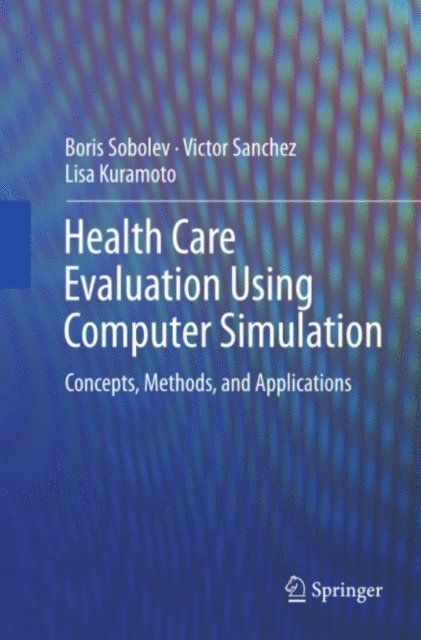
Health Care Evaluation Using Computer Simulation
Concepts, Methods, and Applications
Inbunden, Engelska, 2012
1 632 kr
Skickas inom 10-15 vardagar
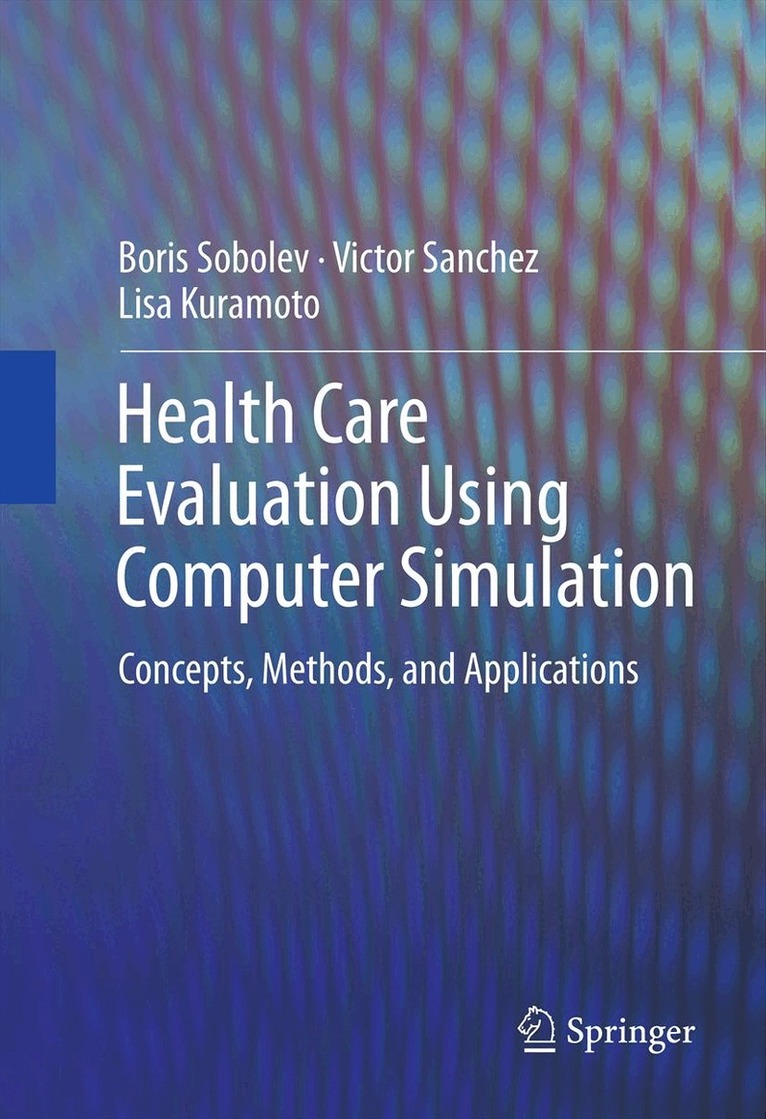
The purpose of this book is to place computer simulation studies within the paradigm of intervention research that is concerned with comparing the outcomes of health care delivered under different policies. This book presents computer simulation as a tool for testing various policy alternatives that have been developed by decision-makers within health care systems. This approach differs from the use of computer simulation in operations research, where simulation helps determine the configurations of a system that will allow it to function optimally. Although simulation of health care processes is not new, few health care systems have used simulations as a basis for re-engineering the delivery of health services. There is growing appreciation that the complexity of health care processes exceeds the capacity of individual disciplines–health services research, health economics, or operations research–to guide health care reform. In this book, the authors focus on bringing the methodological rigor of evaluative research to the design and analysis of such simulation studies. The book is intended as a reference for health services researchers. It offers a comprehensive description of the methodology of conducting simulation studies in evaluation of service alternatives in surgical care using discrete-event models, including the steps for identifying the clinical and managerial activities of the perioperative process, determining the model requirements, implementing simulation models, designing simulation experiments and analyzing the experimental data, and interpreting and reporting results. The book also offers examples of specific aspects of conducting simulation experiments: how to determine the number of runs needed to estimate the effect of implementing a health care policy; how to allocate the number of runs to study groups in simulation experiments aiming to evaluate policy or management alternatives; and how to use statistical analysis toestimate, interpret, and report effect sizes.
2 173 kr
Skickas inom 10-15 vardagar
The focus on the individual patient is described through chapters on patient-centred comparative effectiveness research, individualized treatment, the link with personalized medicine, and incorporating patient and public inputfor treatment.
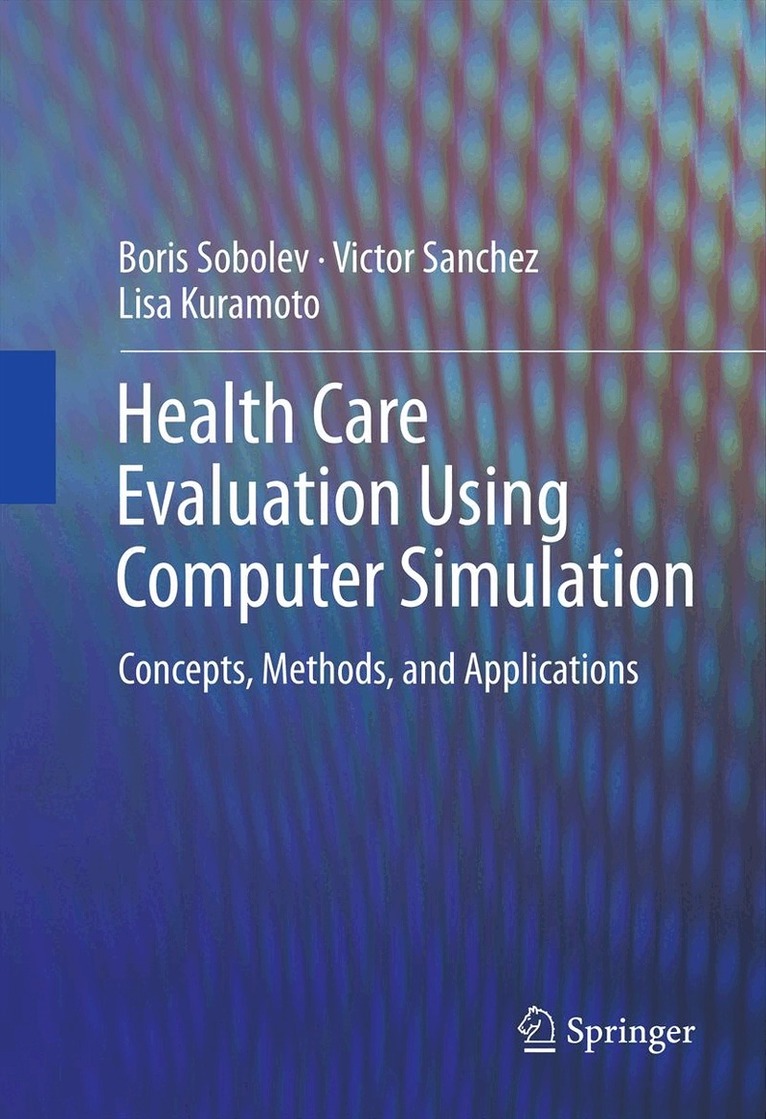
Health Care Evaluation Using Computer Simulation
Concepts, Methods, and Applications
Häftad, Engelska, 2014
1 632 kr
Skickas inom 10-15 vardagar
The purpose of this book is to place computer simulation studies within the paradigm of intervention research that is concerned with comparing the outcomes of health care delivered under different policies. This book presents computer simulation as a tool for testing various policy alternatives that have been developed by decision-makers within health care systems. This approach differs from the use of computer simulation in operations research, where simulation helps determine the configurations of a system that will allow it to function optimally. Although simulation of health care processes is not new, few health care systems have used simulations as a basis for re-engineering the delivery of health services. There is growing appreciation that the complexity of health care processes exceeds the capacity of individual disciplines–health services research, health economics, or operations research–to guide health care reform. In this book, the authors focus on bringing the methodological rigor of evaluative research to the design and analysis of such simulation studies. The book is intended as a reference for health services researchers. It offers a comprehensive description of the methodology of conducting simulation studies in evaluation of service alternatives in surgical care using discrete-event models, including the steps for identifying the clinical and managerial activities of the perioperative process, determining the model requirements, implementing simulation models, designing simulation experiments and analyzing the experimental data, and interpreting and reporting results. The book also offers examples of specific aspects of conducting simulation experiments: how to determine the number of runs needed to estimate the effect of implementing a health care policy; how to allocate the number of runs to study groups in simulation experiments aiming to evaluate policy or management alternatives; and how to use statistical analysis toestimate, interpret, and report effect sizes.
8 504 kr
Skickas inom 10-15 vardagar
The Handbook of Health Services Research is a reference for all aspects of the field of health services and outcomes research.