
Brahim El Guabli – författare
Visar alla böcker från författaren . Handla med fri frakt och snabb leverans.
10 produkter
10 produkter
Inbunden, Engelska, 2024
1 288 kr
Skickas inom 5-8 vardagar
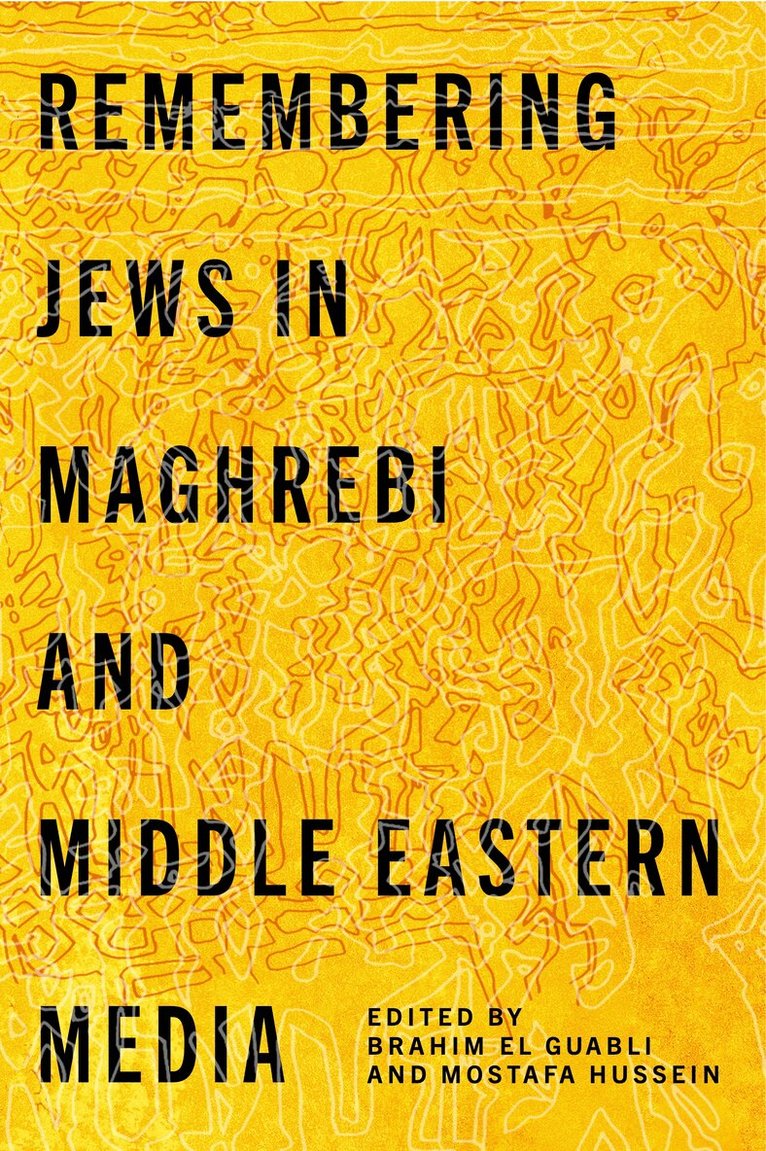
This volume examines the cultural legacy of Jewish emigration from the Maghreb and the Middle East in the years following 1948. Drawing on the remarkable cinematic and literary output of the last twenty years, this collection posits loss as a new conceptual framework in which to understand Jewish-Muslim relations. Previous studies of Jewish emigration have followed the mass departure of Jews, but the contributors to this book choose to remain behind and trace the contours of Jewish absence in Maghrebi and Middle Eastern societies. Attuned to loss in this way, the cultural memories of Jewish-Muslim life transcend the narratives of turmoil, taboo, and nostalgia that have dominated Muslim and prevalent scholarly perspectives on Jewish emigration.Read as a whole, the collection affords an uncommon opportunity to mourn and heal through a nuanced reckoning with the absence of Jews from communities in which they had lived for millennia. Its wide geographic reach and interdisciplinary nature will speak both to scholars and lay readers in Amazigh studies, Arabic studies, Middle Eastern studies, Jewish studies, memory studies, and a host of other disciplines.In addition to the editors, the contributors to this volume are Iskandar Ahmad Abdalla, Abdelkader Aoudjit, İlker Hepkaner, Sarah Irving, Stephanie Kraver, Lital Levy, Nadia Sabri, and Lior B. Sternfeld.
Inbunden, Engelska, 2025
800 kr
Skickas inom 5-8 vardagar
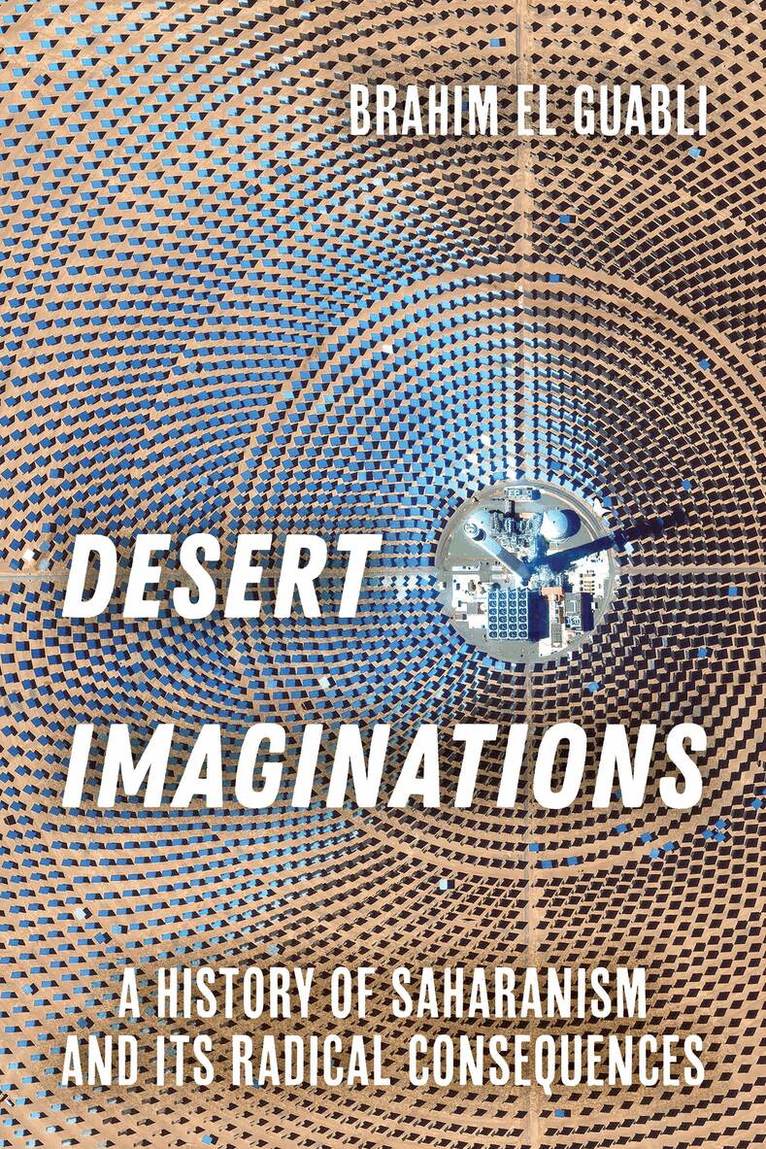
Desert Imaginations traces the cultural and intellectual histories that have informed the prevalent ideas of deserts across the globe. The book argues that Saharanism—a globalizing imaginary that perceives desert spaces as empty, exploitable, and dangerous—has been at the center of all desert-focused enterprises. Encompassing spiritual practices, military thinking, sexual fantasies, experiential quests, extractive economies, and experimental schemes, among other projects, Saharanism has shaped the way deserts not only are constructed intellectually but are acted upon. From nuclear testing to border walls, and much more, Brahim El Guabli articulates some of Saharanism's consequential manifestations across different deserts. Desert Imaginations draws on the abundant historical literature and cultural output in multiple languages and across disciplines to delineate the parameters of Saharanism. Against Saharanism's powerful and reductive vision of deserts, the book rehabilitates a tradition of desert eco-care that has been at work in desert Indigenous people's literary, artistic, scholarly, and ritualistic practices.
Häftad, Engelska, 2025
257 kr
Skickas inom 5-8 vardagar
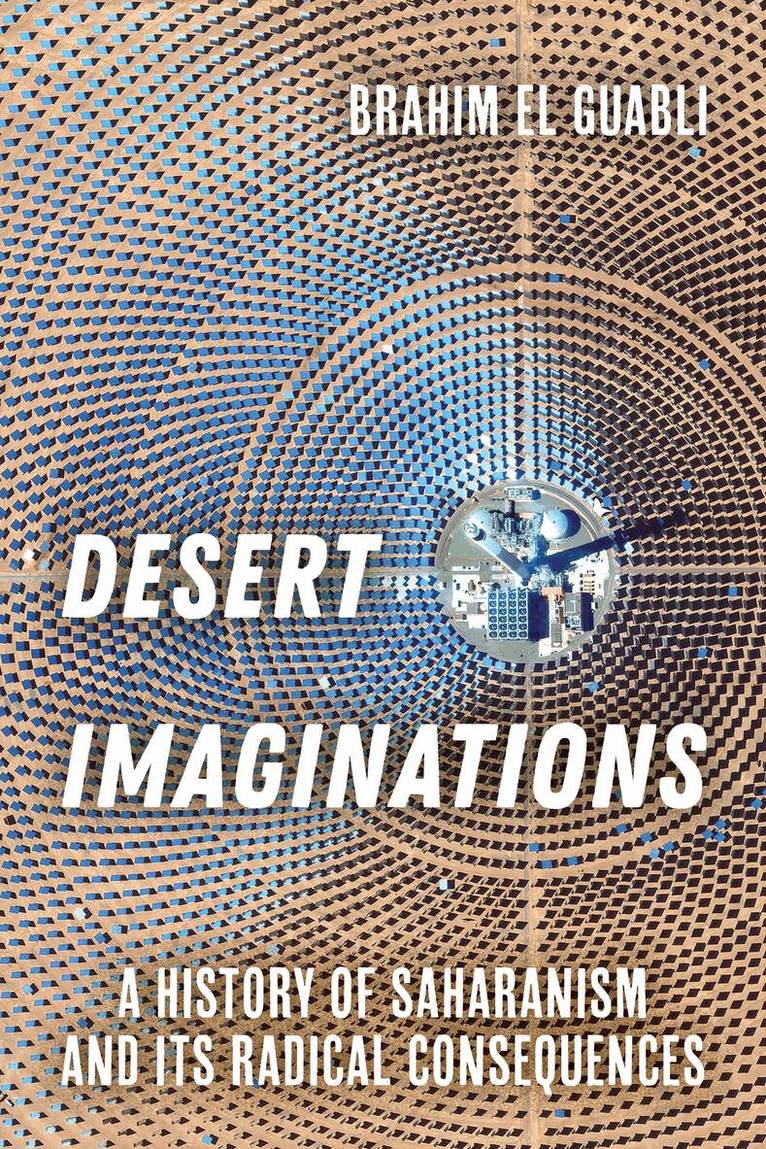
Desert Imaginations traces the cultural and intellectual histories that have informed the prevalent ideas of deserts across the globe. The book argues that Saharanism—a globalizing imaginary that perceives desert spaces as empty, exploitable, and dangerous—has been at the center of all desert-focused enterprises. Encompassing spiritual practices, military thinking, sexual fantasies, experiential quests, extractive economies, and experimental schemes, among other projects, Saharanism has shaped the way deserts not only are constructed intellectually but are acted upon. From nuclear testing to border walls, and much more, Brahim El Guabli articulates some of Saharanism's consequential manifestations across different deserts. Desert Imaginations draws on the abundant historical literature and cultural output in multiple languages and across disciplines to delineate the parameters of Saharanism. Against Saharanism's powerful and reductive vision of deserts, the book rehabilitates a tradition of desert eco-care that has been at work in desert Indigenous people's literary, artistic, scholarly, and ritualistic practices.
E-bok
Engelska, 2025371 kr
Läs direkt efter köp
Desert Imaginations traces the cultural and intellectual histories that have informed the prevalent ideas of deserts across the globe. The book argues that Saharanisma globalizing imaginary that perceives desert spaces as empty, exploitable, and dangeroushas been at the center of all desert-focused enterprises. Encompassing spiritual practices, military thinking, sexual fantasies, experiential quests, extractive economies, and experimental schemes, among other projects, Saharanism has shaped the way deserts not only are constructed intellectually but are acted upon. From nuclear testing to border walls, and much more, Brahim El Guabli articulates some of Saharanisms consequential manifestations across different deserts. Desert Imaginations draws on the abundant historical literature and cultural output in multiple languages and across disciplines to delineate the parameters of Saharanism. Against Saharanisms powerful and reductive vision of deserts, the book rehabilitates a tradition of desert eco-care that has been at work in desert Indigenous peoples literary, artistic, scholarly, and ritualistic practices.
Inbunden, Engelska, 2023
1 154 kr
Skickas
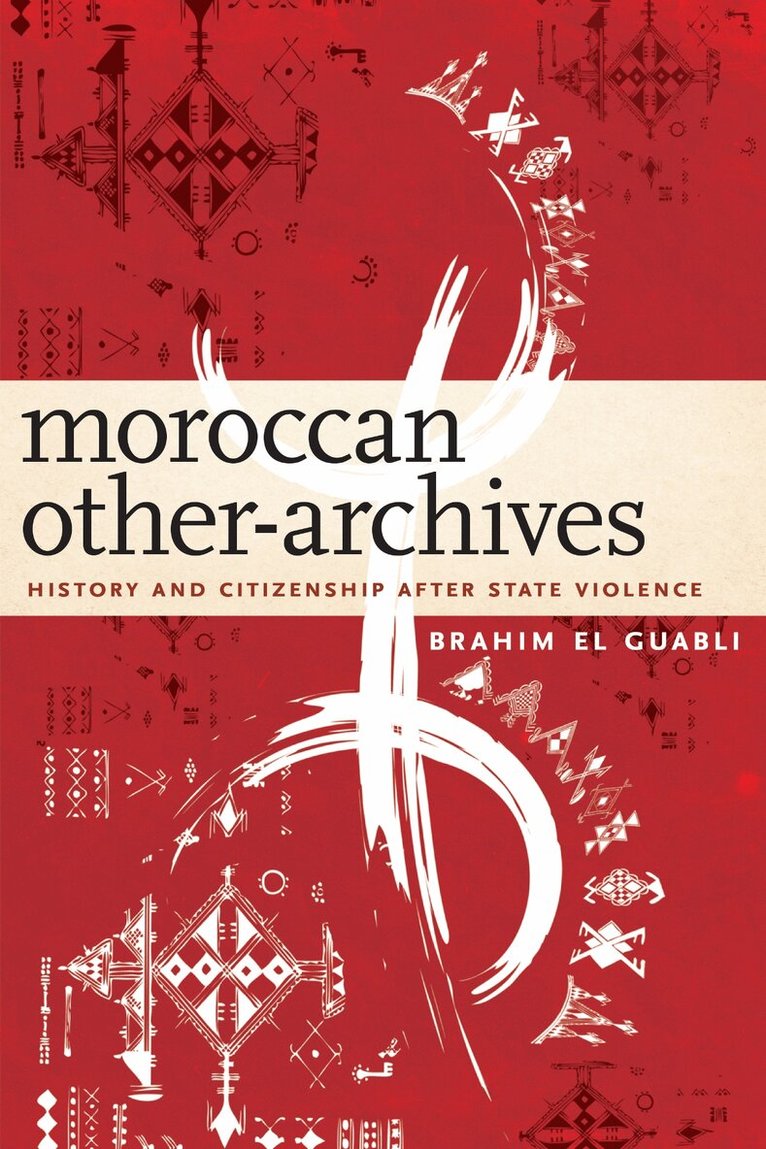
Winner, 2024 L. Carl Brown AIMS Book Prize in North African StudiesHonorable Mention, 2024 MELA Book AwardsFinalist, 2024 ASA Best Book PrizeMoroccan Other-Archives investigates how histories of exclusion and silencing are written and rewritten in a postcolonial context that lacks organized and accessible archives. The book draws on cultural production concerning the "years of lead"—a period of authoritarianism and political violence between Morocco's independence in 1956 and the death of King Hassan II in 1999—to examine the transformative roles memory and trauma play in reconstructing stories of three historically marginalized groups in Moroccan history: Berbers/Imazighen, Jews, and political prisoners.The book shows how Moroccan cultural production has become an other-archive: a set of textual, sonic, embodied, and visual sites that recover real or reimagined voices of these formerly suppressed and silenced constituencies of Moroccan society. Combining theoretical discussions with close reading of literary works, the book reenvisions both archives and the nation in postcolonial Morocco. By producing other-archives, Moroccan cultural creators transform the losses state violence inflicted on society during the years of lead into a source of civic engagement and historiographical agency, enabling the writing of histories about those Moroccans who have been excluded from official documentation and state-sanctioned histories.The book is multilingual and interdisciplinary, examining primary sources in Amazigh/Berber, Arabic, Darija, and French, and drawing on memory studies, literary theory, archival studies, anthropology, and historiography. In addition to showing how other-archives are created and operate, El Guabli elaborates how language, gender, class, race, and geographical distribution are co-constitutive of a historical and archival unsilencing that is foundational to citizenship in Morocco today.
Häftad, Engelska, 2023
452 kr
Skickas
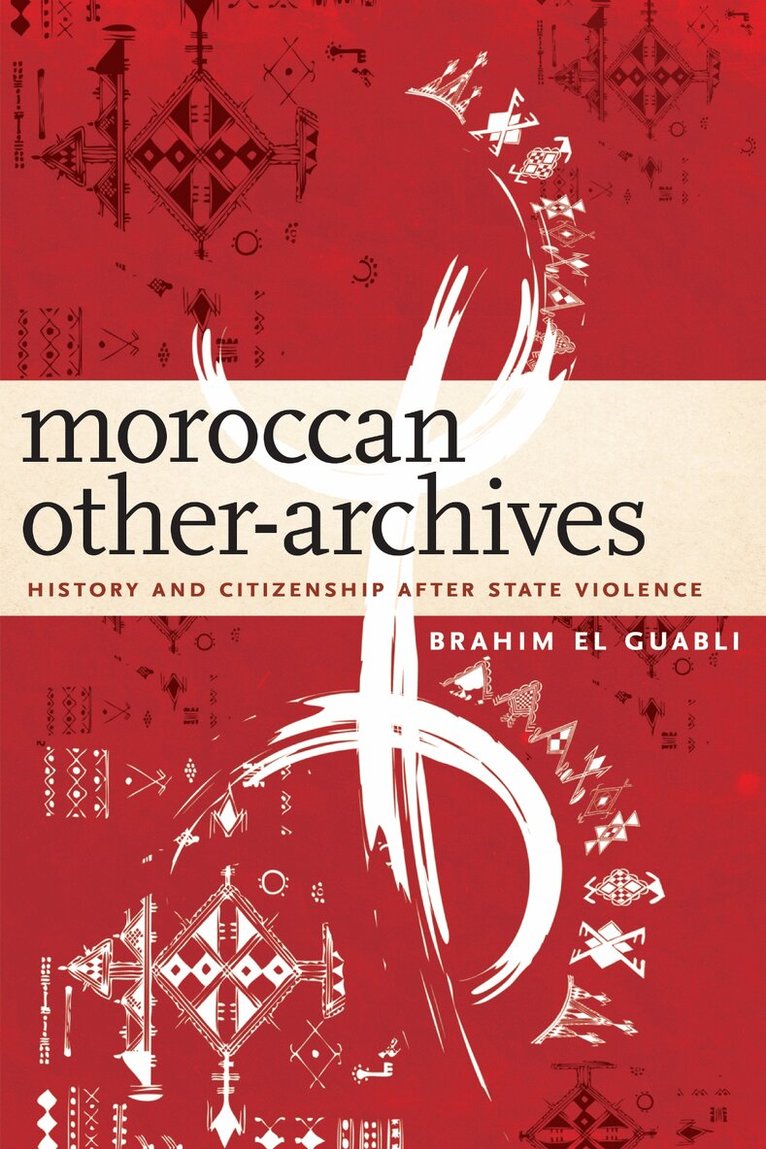
Winner, 2024 L. Carl Brown AIMS Book Prize in North African StudiesHonorable Mention, 2024 MELA Book AwardsFinalist, 2024 ASA Best Book PrizeMoroccan Other-Archives investigates how histories of exclusion and silencing are written and rewritten in a postcolonial context that lacks organized and accessible archives. The book draws on cultural production concerning the "years of lead"—a period of authoritarianism and political violence between Morocco's independence in 1956 and the death of King Hassan II in 1999—to examine the transformative roles memory and trauma play in reconstructing stories of three historically marginalized groups in Moroccan history: Berbers/Imazighen, Jews, and political prisoners.The book shows how Moroccan cultural production has become an other-archive: a set of textual, sonic, embodied, and visual sites that recover real or reimagined voices of these formerly suppressed and silenced constituencies of Moroccan society. Combining theoretical discussions with close reading of literary works, the book reenvisions both archives and the nation in postcolonial Morocco. By producing other-archives, Moroccan cultural creators transform the losses state violence inflicted on society during the years of lead into a source of civic engagement and historiographical agency, enabling the writing of histories about those Moroccans who have been excluded from official documentation and state-sanctioned histories.The book is multilingual and interdisciplinary, examining primary sources in Amazigh/Berber, Arabic, Darija, and French, and drawing on memory studies, literary theory, archival studies, anthropology, and historiography. In addition to showing how other-archives are created and operate, El Guabli elaborates how language, gender, class, race, and geographical distribution are co-constitutive of a historical and archival unsilencing that is foundational to citizenship in Morocco today.
Inbunden, Engelska, 2023
1 956 kr
Skickas inom 5-8 vardagar
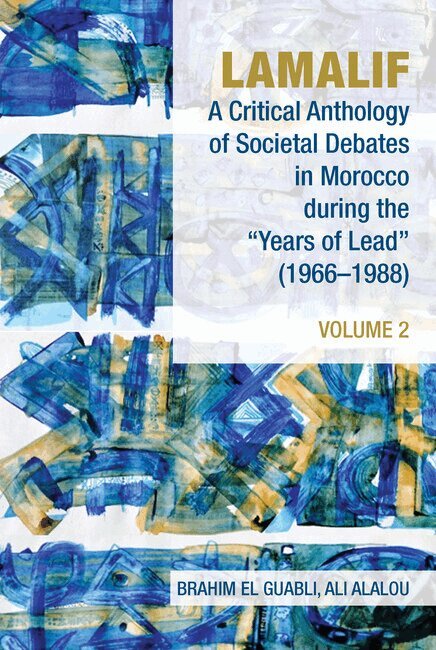
The LAMALIF anthology presents a wide variety of articles from LAMALIF, Morocco’s longest-serving Francophone journal. Active between 1966 and 1988, LAMALIF covered the most critical periods of Moroccan history and engaged in crucial debates about democratization, feminism, culture, education, Third World relations, and decolonization. However, LAMALIF was not just a journal; it was a real school, where Morocco’s, North Africa’s, and the developing world’s emerging and established writers, artists, and thinkers found a space to disseminate their ideas and address readerships across different cultures and geographical areas in French. This anthology is the first comprehensive translation into English of a wide selection of LAMALIF’s articles covering literary and art criticism as well as critical theory, feminism, Islam, and emigration. In addition to making available to Anglophone readerships articles about transnational solidarities and connections between North Africa and the rest of the world, LAMALIF anthology historicizes this sociocultural and political project within the painful period of authoritarianism in Morocco and reveals how culture worked as a trenchant weapon in the struggle against repression and silence.
Inbunden, Engelska, 2023
1 956 kr
Skickas inom 5-8 vardagar
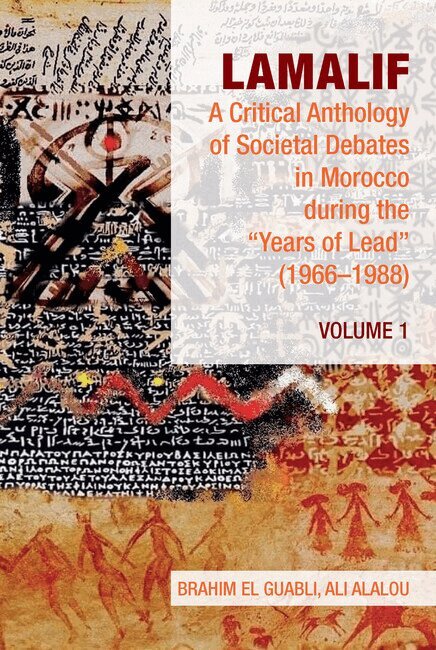
The LAMALIF anthology presents a wide variety of articles from LAMALIF, Morocco’s longest-serving Francophone journal. Active between 1966 and 1988, LAMALIF covered the most critical periods of Moroccan history and engaged in crucial debates about democratization, feminism, culture, education, Third World relations, and decolonization. However, LAMALIF was not just a journal; it was a real school, where Morocco’s, North Africa’s, and the developing world’s emerging and established writers, artists, and thinkers found a space to disseminate their ideas and address readerships across different cultures and geographical areas in French. This anthology is the first comprehensive translation into English of a wide selection of LAMALIF’s articles covering literary and art criticism as well as critical theory, feminism, Islam, and emigration. In addition to making available to Anglophone readerships articles about transnational solidarities and connections between North Africa and the rest of the world, LAMALIF anthology historicizes this sociocultural and political project within the painful period of authoritarianism in Morocco and reveals how culture worked as a trenchant weapon in the struggle against repression and silence.
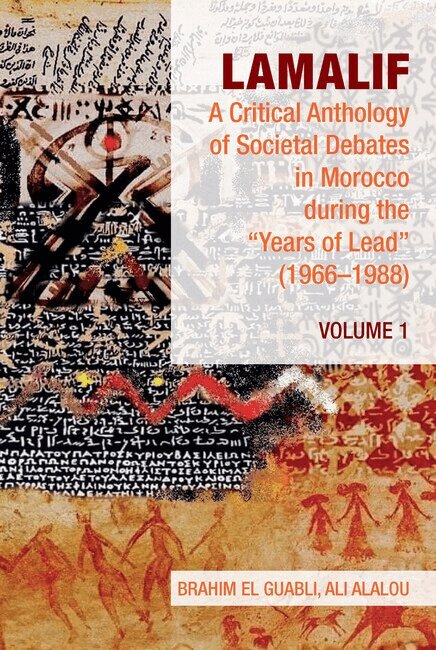
Häftad, Engelska, 2025
604 kr
Skickas inom 5-8 vardagar
The LAMALIF anthology presents a wide variety of articles from LAMALIF, Morocco’s longest-serving Francophone journal. Active between 1966 and 1988, LAMALIF covered the most critical periods of Moroccan history and engaged in crucial debates about democratization, feminism, culture, education, Third World relations, and decolonization. However, LAMALIF was not just a journal; it was a real school, where Morocco’s, North Africa’s, and the developing world’s emerging and established writers, artists, and thinkers found a space to disseminate their ideas and address readerships across different cultures and geographical areas in French. This anthology is the first comprehensive translation into English of a wide selection of LAMALIF’s articles covering literary and art criticism as well as critical theory, feminism, Islam, and emigration. In addition to making available to Anglophone readerships articles about transnational solidarities and connections between North Africa and the rest of the world, LAMALIF anthology historicizes this sociocultural and political project within the painful period of authoritarianism in Morocco and reveals how culture worked as a trenchant weapon in the struggle against repression and silence.
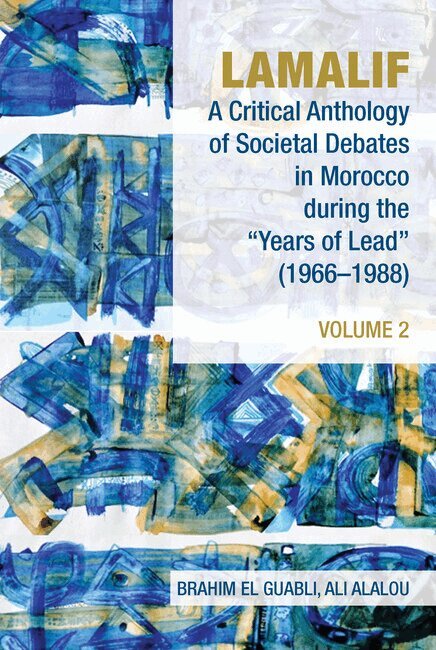
Häftad, Engelska, 2025
519 kr
Skickas inom 5-8 vardagar
The LAMALIF anthology presents a wide variety of articles from LAMALIF, Morocco’s longest-serving Francophone journal. Active between 1966 and 1988, LAMALIF covered the most critical periods of Moroccan history and engaged in crucial debates about democratization, feminism, culture, education, Third World relations, and decolonization. However, LAMALIF was not just a journal; it was a real school, where Morocco’s, North Africa’s, and the developing world’s emerging and established writers, artists, and thinkers found a space to disseminate their ideas and address readerships across different cultures and geographical areas in French. This anthology is the first comprehensive translation into English of a wide selection of LAMALIF’s articles covering literary and art criticism as well as critical theory, feminism, Islam, and emigration. In addition to making available to Anglophone readerships articles about transnational solidarities and connections between North Africa and the rest of the world, LAMALIF anthology historicizes this sociocultural and political project within the painful period of authoritarianism in Morocco and reveals how culture worked as a trenchant weapon in the struggle against repression and silence.