Bram Hoonhout – författare
Visar alla böcker från författaren Bram Hoonhout. Handla med fri frakt och snabb leverans.
5 produkter
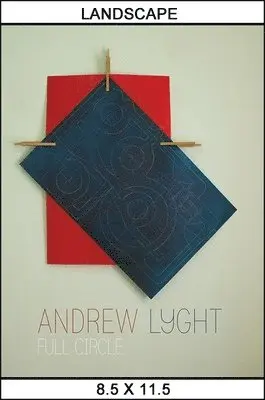
Andrew Lyght
Full Circle
Av Andrew Lyght, Karwan Fatah-Black m. fl.
Häftad, 2016
495 kr
Lägg i varukorg
Documents the Samuel Dorsky Museum of Art's exhibition of work by Guyana-born contemporary artist Andrew Lyght and provides new scholarship contextualizing Lyght's work within the history and culture of Guyana and modern art.This is a venture into the departures, encounters, discoveries, and …
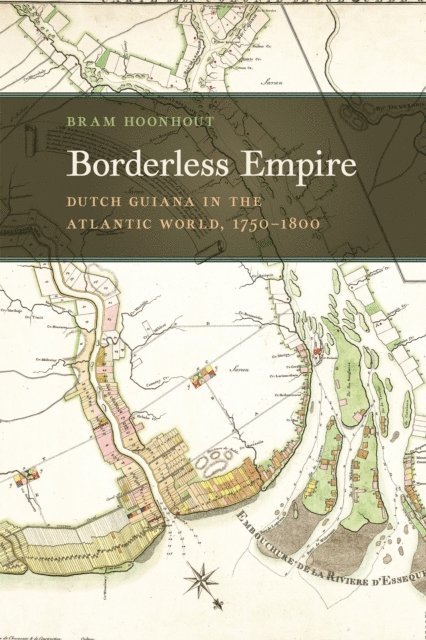
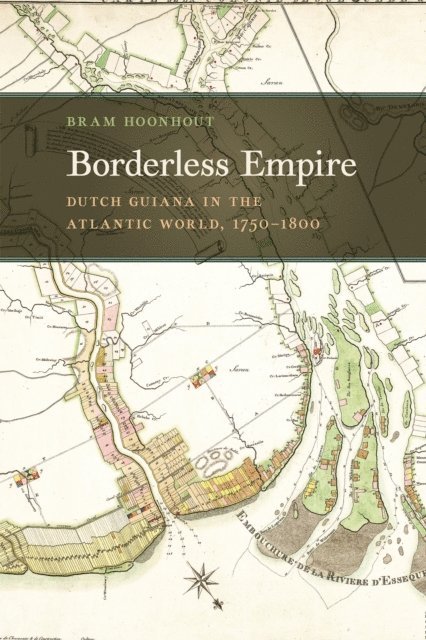
Borderless Empire
Dutch Guiana in the Atlantic World, 1750–1800
E-bok, 2020
1038 kr
Lägg i varukorg
Borderless Empire explores the volatile history of Dutch Guiana, in particular the forgotten colonies of Essequibo and Demerara, to provide new perspectives on European empire building in the Atlantic world. Bram Hoonhout argues that imperial expansion was a process of improvisation at the colonial …
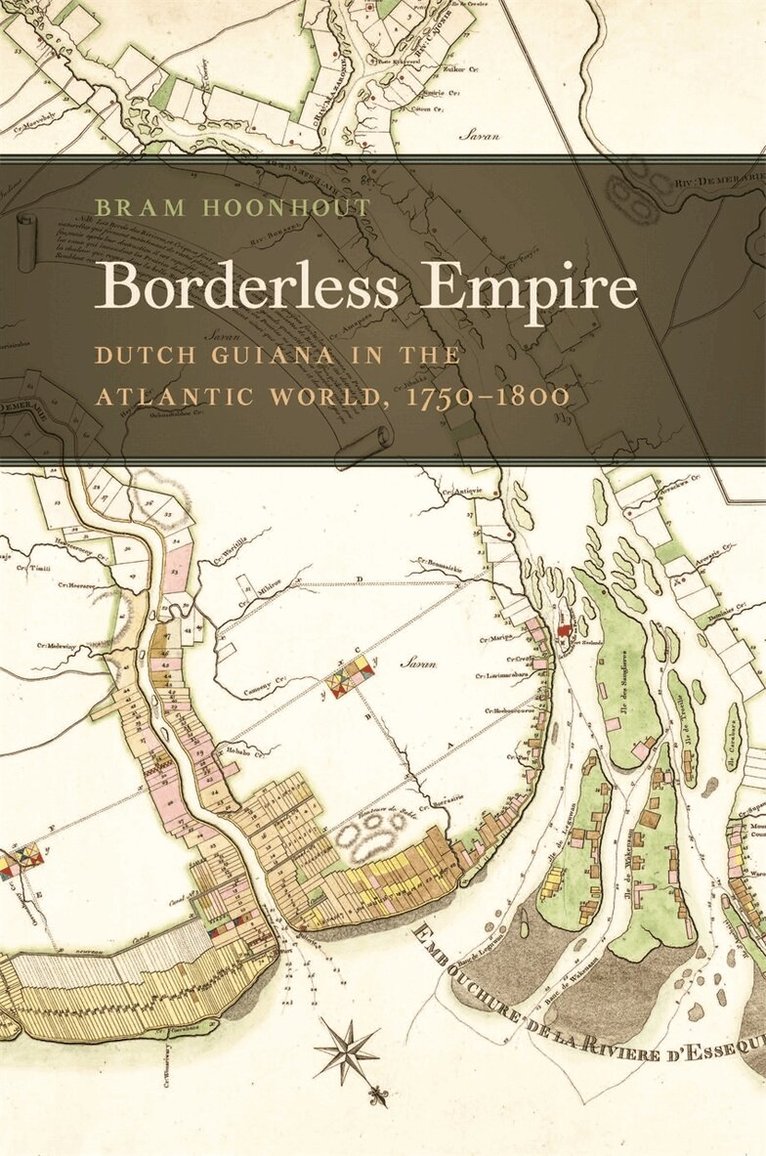
Borderless Empire
Dutch Guiana in the Atlantic World, 1750–1800
Inbunden, 2020
1020 kr
Lägg i varukorg
Borderless Empire explores the volatile history of Dutch Guiana, in particular the forgotten colonies of Essequibo and Demerara, to provide new perspectives on European empire building in the Atlantic world. Bram Hoonhout argues that imperial expansion was a process of improvisation at the colonial …
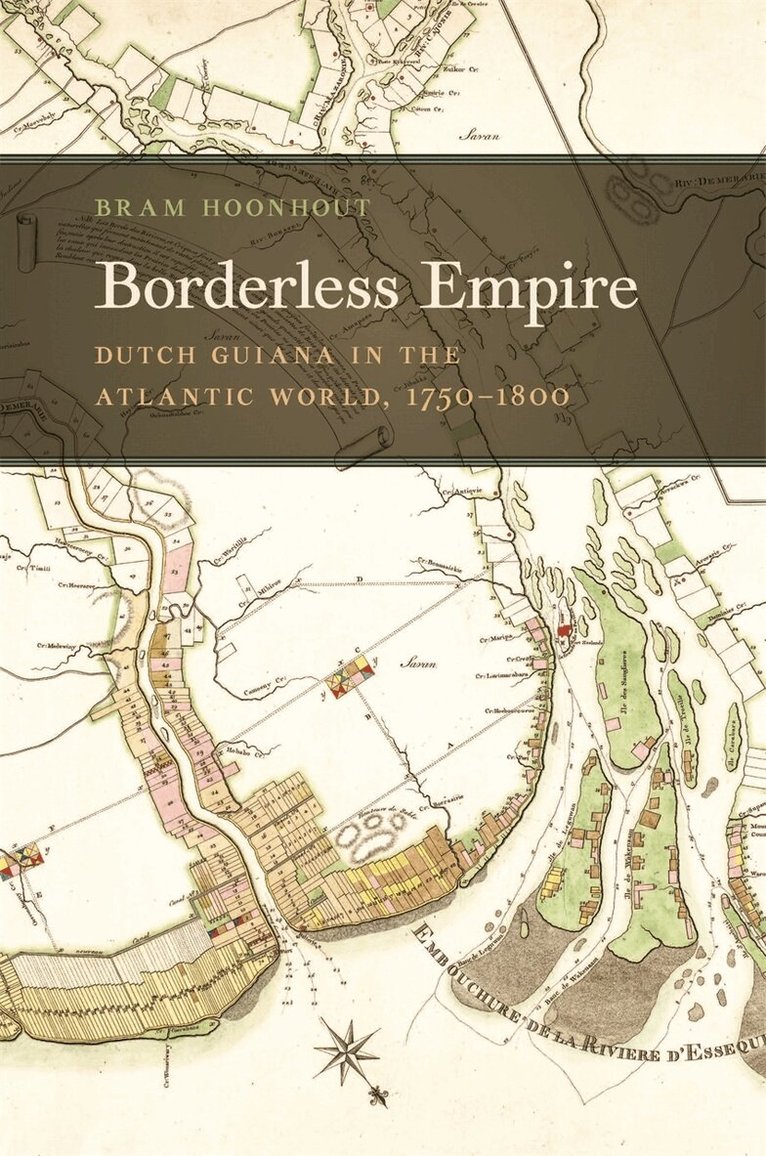
Borderless Empire
Dutch Guiana in the Atlantic World, 1750–1800
Häftad, 2022
608 kr
Lägg i varukorg
Borderless Empire explores the volatile history of Dutch Guiana, in particular the forgotten colonies of Essequibo and Demerara, to provide new perspectives on European empire building in the Atlantic world. Bram Hoonhout argues that imperial expansion was a process of improvisation at the colonial …
Borderless Empire
Dutch Guiana in the Atlantic World, 1750–1800
E-bok, 2020
991 kr
Lägg i varukorg
Borderless Empire explores the volatile history of Dutch Guiana, in particular the forgotten colonies of Essequibo and Demerara, to provide new perspectives on European empire building in the Atlantic world. Bram Hoonhout argues that imperial expansion was a process of improvisation at the colonial …