Brenda Gayle Plummer - Böcker
Visar alla böcker från författaren Brenda Gayle Plummer. Handla med fri frakt och snabb leverans.
5 produkter
5 produkter
517 kr
Skickas inom 10-15 vardagar
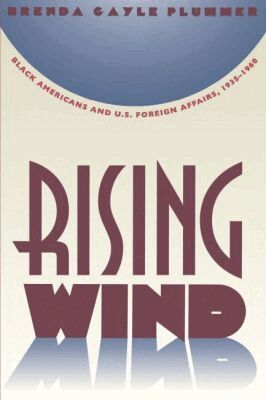
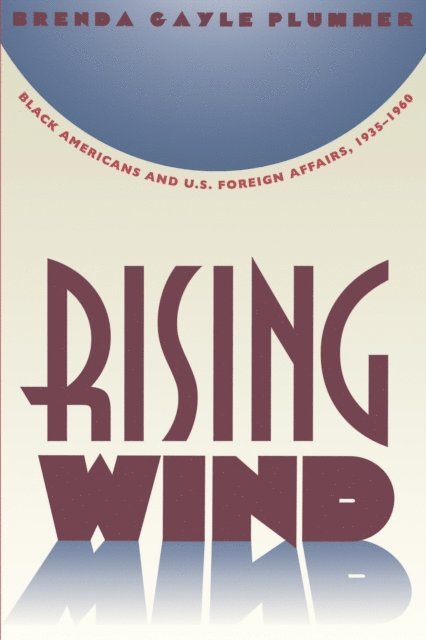
African Americans have a long history of active involvement and interest in international affairs, but their efforts have been largely ignored by scholars of American foreign policy. Gayle Plummer brings a new perspective to the study of twentieth-century American history with her analysis of black Americans' engagement with international issues, from the Italian invasion of Ethiopia in 1935 through the wave of African independence movements of the early 1960s. Plummer first examines how collective definitions of ethnic identity, race, and racism have influenced African American views on foreign affairs. She then probes specific developments in the international arena that galvanized the black community, including the rise of fascism, World War II, the emergence of human rights as a factor in international law, the Cold War, and the American civil rights movement, which had important foreign policy implications. However, she demonstrates that not all African Americans held the same views on particular issues and that a variety of considerations helped shape foreign affairs agendas within the black community just as in American society at large. |African Americans have a long history of active involvement and interest in international affairs, but their efforts have been largely ignored by scholars of American foreign policy. Gayle Plummer brings a new perspective to the study of twentieth-century American history with her analysis of black Americans' engagement with international issues, from the Italian invasion of Ethiopia in 1935 through the wave of African independence movements of the early 1960s.
448 kr
Skickas inom 10-15 vardagar
The civil rights movement in the United States drew strength from supporters of human rights worldwide. Once U.S. policy makers - influenced by international pressure, the courage of ordinary American citizens, and a desire for global leadership - had signed such documents as the United Nations charter, domestic calls for change could be based squarely on the moral authority of doctrines the United States endorsed abroad. This is one of the many fascinating links between racial politics and international affairs explored in Window on Freedom. Broad in chronological scope and topical diversity, the ten original essays presented here demonstrate how the roots of U.S. foreign policy have been embedded in social, economic, and cultural factors of domestic as well as foreign origin. They argue persuasively that the campaign to realize full civil rights for racial and ethnic minorities in America is best understood in the context of competitive international relations.
518 kr
Skickas inom 5-8 vardagar
In a prescient remark made at the turn of the century, U.S. Secretary of State Elihu Root said that establishing "the right sort of relations" with Haiti must await "the psychological moment." Indeed, as Brenda Gayle Plummer notes, much of the Haitian-U.S. relationship has turned on matters of perception. For many in the United States, tales of voodoo, political violence, and stark deprivation have made Haiti appear to be a doomed land, beyond comprehension and help. Haitians, meanwhile, have often seen the United States as persistently racist, grossly materialist, and lacking in spiritual values.In Haiti and the United States, Plummer pays special attention to the role of social and cultural factors in the two countries' views of each other and the manner in which relations have developed as a result of those perceptions. The disparities between the two republics, she notes, are all the more remarkable in that their experiences of anticolonial rebellion and nationhood converged in some striking ways. Despite the parallels, however, the varying cultural and racial identities of Haiti and the United States and the sociohistorical context in which those identities have been construed forced them to confront the challenges of slavery, republicanism, democracy, and economic development quite differently.Stressing the importance of domestic policy and the character of civil society in the formation of foreign policy, Plummer illuminates the various factors that figured in the relationship between the two countries throughout the nineteenth century. She discussed the aspirations of Haiti's founders in building a self-governing black society, Haitian responses to the transatlantic abolition movement, the development of Haiti's creole culture, and the country's shrewd negotiations with the United States over commercial and strategic issues. The late 1800s, Plummer shows, proved a turning point in Haitian-U.S. relations as Washington's assumption of regional hegemony changed the balance of power for a Haiti long committed to a multilateralist diplomacy.In the twentieth century, tensions between traditional and reformist elements in Haitian society erupted in a crisis that brought U.S. intervention and long-term military occupation. Plummer examines the consequences of this intervention as they were incorporated into the later interactions between the United States and Haiti and shows how these troubled relations contributed to the rise of the repressive Duvalier regime. The recent fall of that regime, Plummer suggests, now presents the "psychological moment" to which Elihu Root referred so many years ago.Haiti and the United States is the first history of the relationship between the two countries to be published since the 1940s. Utilizing a wealth of Haitian sources as well as the voluminous state papers in the National Archives of the United States and the Library of Congress, the book also benefits from methodological and conceptual advances in diplomatic history over the past half-century.
1 200 kr
Skickas inom 7-10 vardagar
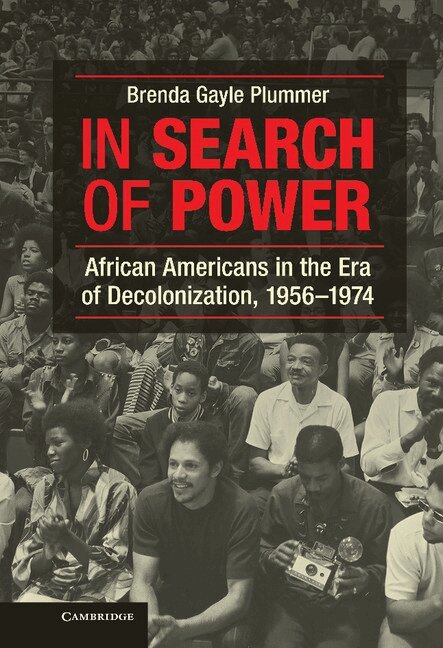
In Search of Power is a history of the era of civil rights, decolonization and Black Power. In the critical period from 1956 to 1974, the emergence of newly independent states worldwide and the struggles of the civil rights movement in the United States exposed the limits of racial integration and political freedom. Dissidents, leaders and elites alike were linked in a struggle for power in a world where the rules of the game had changed. Brenda Gayle Plummer traces the detailed connections between African Americans' involvement in international affairs and how they shaped American foreign policy, integrating African American history, the history of the African Diaspora and the history of United States foreign relations. These topics, usually treated separately, not only offer a unified view of the period but also reassess controversies and events that punctuated this colorful era of upheaval and change.
370 kr
Skickas inom 7-10 vardagar
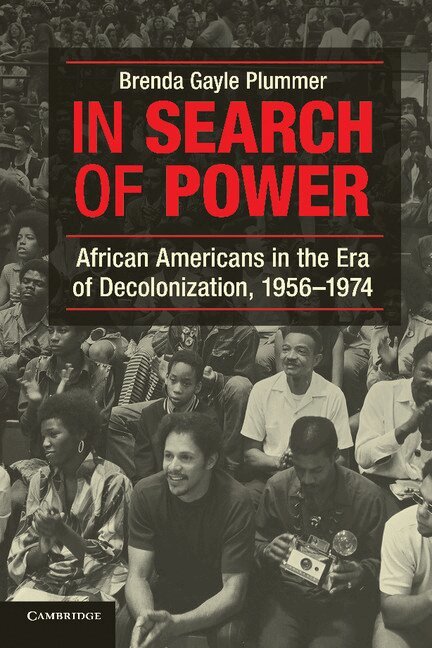
In Search of Power is a history of the era of civil rights, decolonization and Black Power. In the critical period from 1956 to 1974, the emergence of newly independent states worldwide and the struggles of the civil rights movement in the United States exposed the limits of racial integration and political freedom. Dissidents, leaders and elites alike were linked in a struggle for power in a world where the rules of the game had changed. Brenda Gayle Plummer traces the detailed connections between African Americans' involvement in international affairs and how they shaped American foreign policy, integrating African American history, the history of the African Diaspora and the history of United States foreign relations. These topics, usually treated separately, not only offer a unified view of the period but also reassess controversies and events that punctuated this colorful era of upheaval and change.