Brenda Soutar – författare
Visar alla böcker från författaren Brenda Soutar. Handla med fri frakt och snabb leverans.
8 produkter
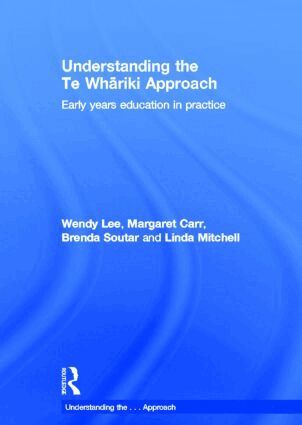
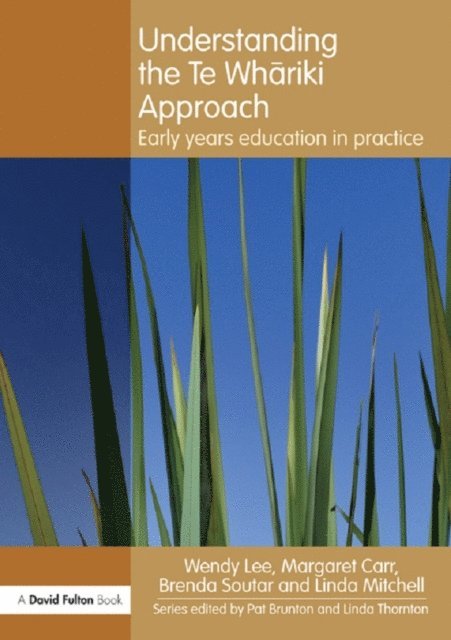
Understanding the Te Whariki Approach
Early years education in practice
Av Wendy Lee, Margaret Carr m. fl.
Inbunden, 2012
2433 kr
Lägg i varukorg
Understanding the Te Whāriki Approach is a much–needed source of information for those wishing to extend and consolidate their understanding of the Te Whāriki approach, introducing the reader to an innovative bicultural curriculum developed for early childhood services in New Zealand. It will …
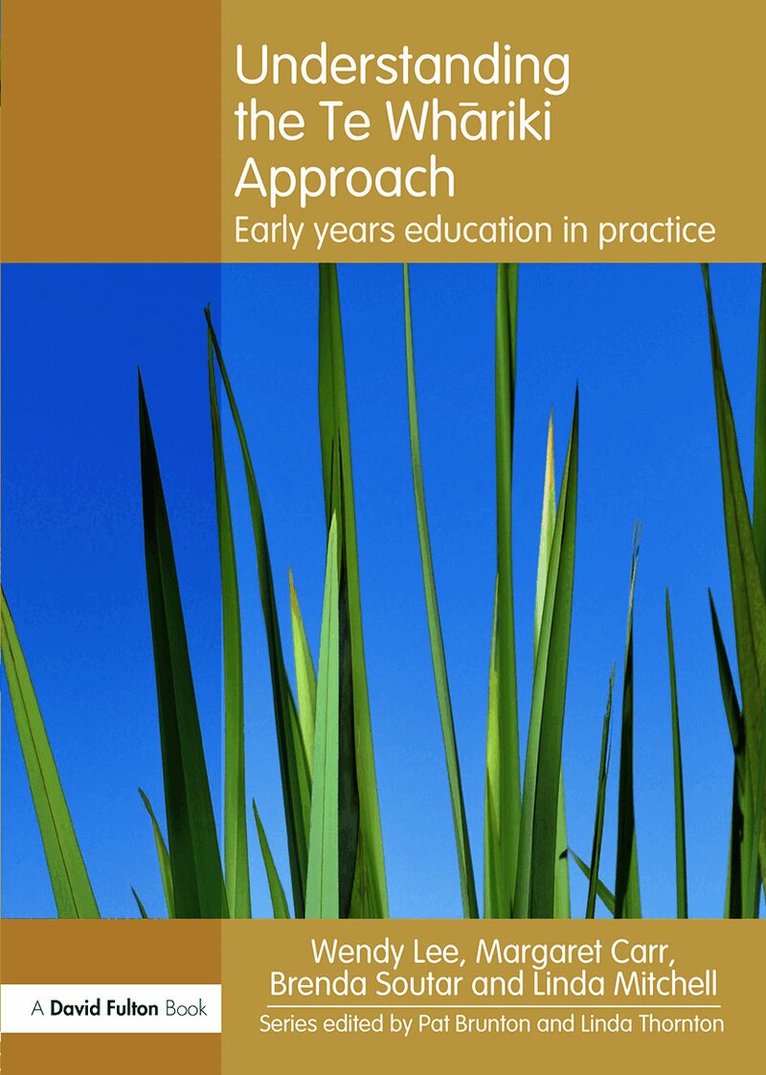
Understanding the Te Whariki Approach
Early years education in practice
Av Wendy Lee, Margaret Carr m. fl.
Häftad, 2012
585 kr
Lägg i varukorg
Understanding the Te Whāriki Approach is a much–needed source of information for those wishing to extend and consolidate their understanding of the Te Whāriki approach, introducing the reader to an innovative bicultural curriculum developed for early childhood services in New Zealand. It will …
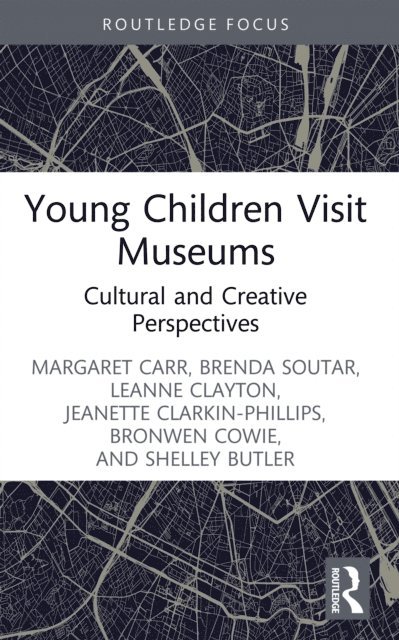
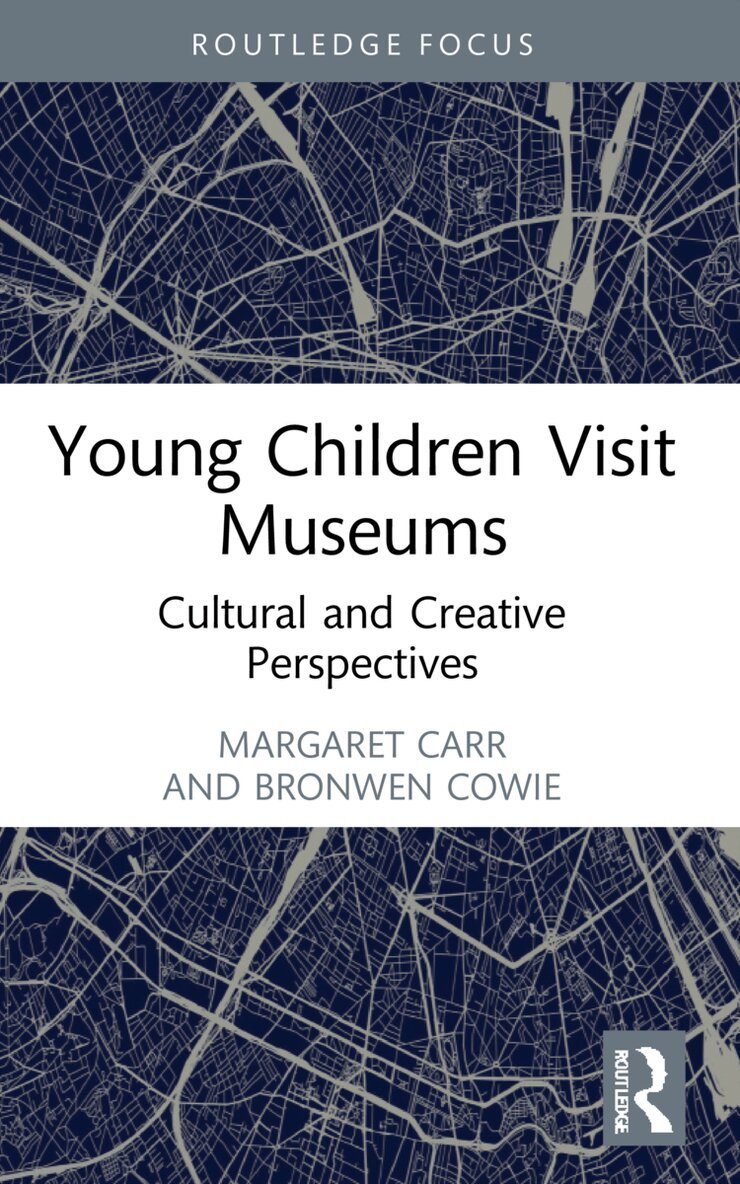
Young Children Visit Museums
Cultural and Creative Perspectives
Av Shelley Butler, Jeanette Clarkin-Phillips m. fl.
E-bok, 2022
370 kr
Lägg i varukorg
Bringing different cultural perspectives on creativity with them, teachers and children in two early childhood education sites in Aotearoa New Zealand were using museum visits as jumping off places to hone their creative capacity building. As a contribution to Tim Ingold’s discussion of …
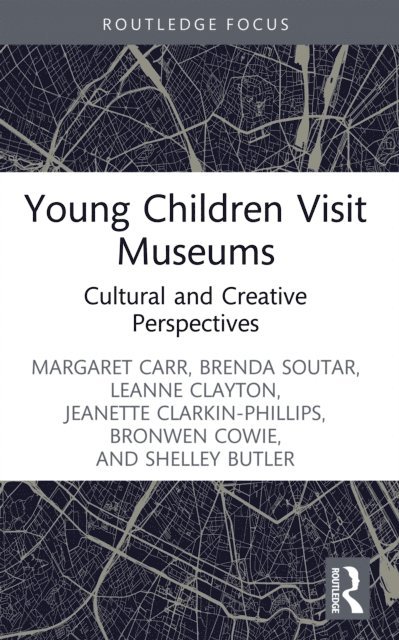
Young Children Visit Museums
Cultural and Creative Perspectives
Av Shelley Butler, Jeanette Clarkin-Phillips m. fl.
E-bok, 2022
370 kr
Lägg i varukorg
Bringing different cultural perspectives on creativity with them, teachers and children in two early childhood education sites in Aotearoa New Zealand were using museum visits as jumping off places to hone their creative capacity building. As a contribution to Tim Ingold’s discussion of …
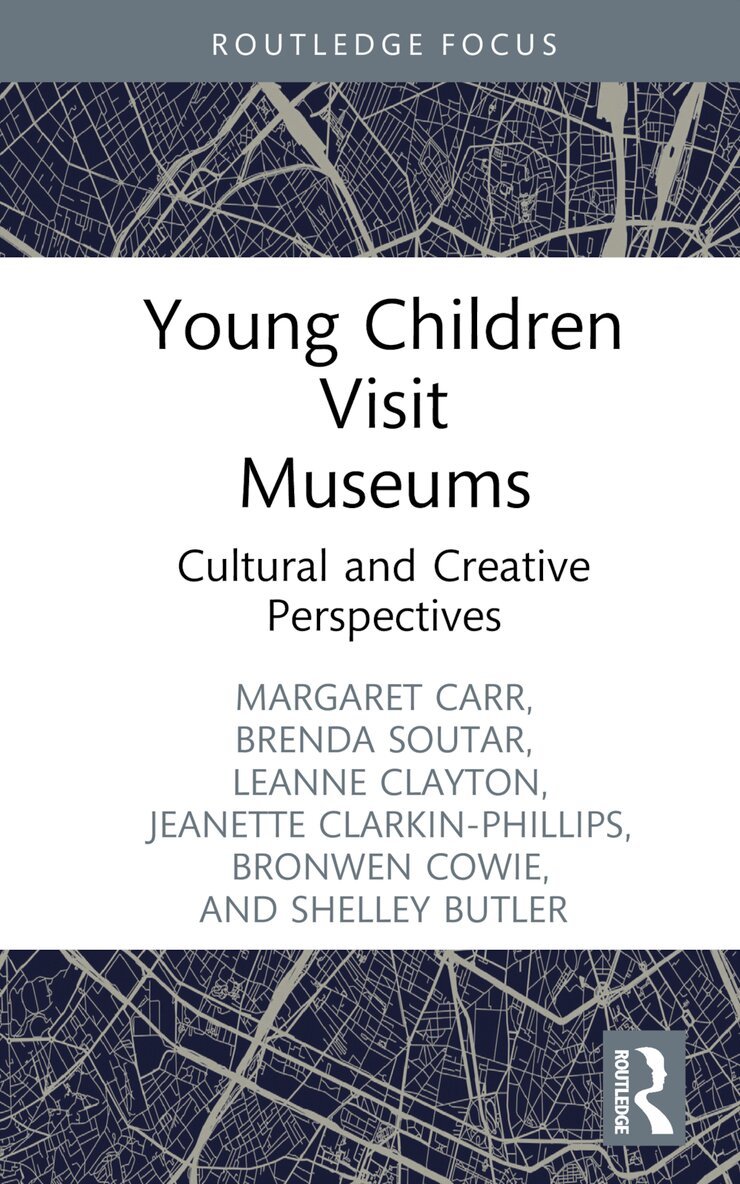
Young Children Visit Museums
Cultural and Creative Perspectives
Av Margaret Carr, Brenda Soutar m. fl.
Inbunden, 2022
966 kr
Lägg i varukorg
Bringing different cultural perspectives on creativity with them, teachers and children in two early childhood education sites in Aotearoa New Zealand were using museum visits as jumping off places to hone their creative capacity building. As a contribution to Tim Ingold’s discussion of …
Young Children Visit Museums
Cultural and Creative Perspectives
Av Margaret Carr, Brenda Soutar m. fl.
Häftad, 2024
322 kr
Lägg i varukorg
Bringing different cultural perspectives on creativity with them, teachers and children in two early childhood education sites in Aotearoa New Zealand were using museum visits as jumping off places to hone their creative capacity building. As a contribution to Tim Ingold’s discussion of …
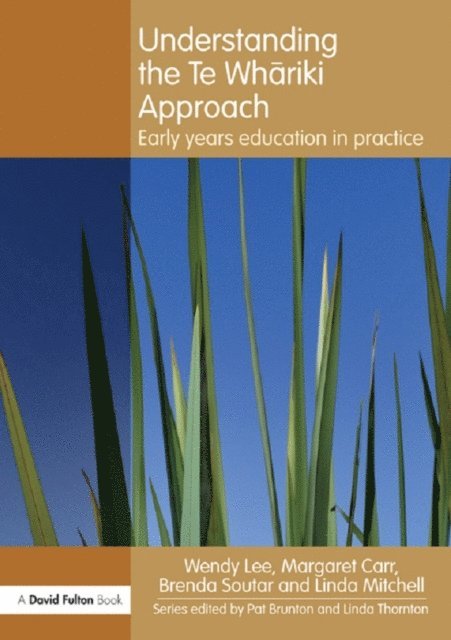
Understanding the Te Whariki Approach
Early years education in practice
Av Linda Mitchell, Brenda Soutar m. fl.
E-bok, 2013
675 kr
Lägg i varukorg
Understanding the Te Whāriki Approach is a much–needed source of information for those wishing to extend and consolidate their understanding of the Te Whāriki approach, introducing the reader to an innovative bicultural curriculum developed for early childhood services in New Zealand. It will …
Understanding the Te Whariki Approach
Early years education in practice
Av Linda Mitchell, Brenda Soutar m. fl.
E-bok, 2013
675 kr
Lägg i varukorg
Understanding the Te Whāriki Approach is a much–needed source of information for those wishing to extend and consolidate their understanding of the Te Whāriki approach, introducing the reader to an innovative bicultural curriculum developed for early childhood services in New Zealand. It will …