Brendan Fay – författare
Visar alla böcker från författaren Brendan Fay. Handla med fri frakt och snabb leverans.
7 produkter
Photography as a Way of Life
Minor White, Aaron Siskind, and Harry Callahan
Av Brendan Fay
Inbunden, 2026
601 kr
Lägg i varukorg
A richly illustrated look at three visionary artists who charted new directions for photography in midcentury AmericaMinor White, Aaron Siskind, and Harry Callahan carved out a new role for photographers and their art in the decades after World War Two. Photography as a Way of Life traces how these …
Photography as a Way of Life
Minor White, Aaron Siskind, and Harry Callahan
Av Brendan Fay
E-bok, 2026
852 kr
Lägg i varukorg
A richly illustrated look at three visionary artists who charted new directions for photography in midcentury AmericaMinor White, Aaron Siskind, and Harry Callahan carved out a new role for photographers and their art in the decades after World War Two. Photography as a Way of Life traces how these …
Photography as a Way of Life
Minor White, Aaron Siskind, and Harry Callahan
Av Brendan Fay
E-bok, 2026
834 kr
Lägg i varukorg
A richly illustrated look at three visionary artists who charted new directions for photography in midcentury AmericaMinor White, Aaron Siskind, and Harry Callahan carved out a new role for photographers and their art in the decades after World War Two. Photography as a Way of Life traces how these …
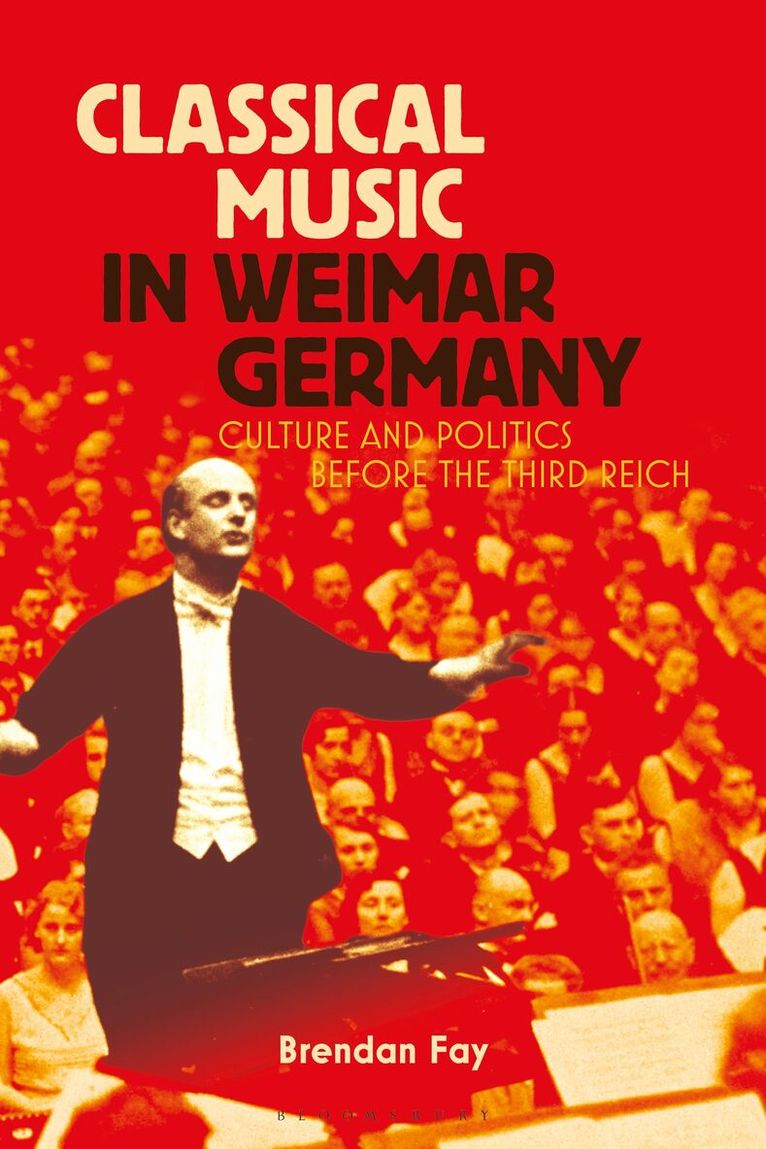
Classical Music in Weimar Germany
Culture and Politics before the Third Reich
Av Brendan Fay
Inbunden, 2019
1756 kr
Lägg i varukorg
From Hitler’s notorious fondness for Wagner’s operas to classical music’s role in fuelling German chauvinism in the era of the world wars, many observers have pointed to a distinct relationship between German culture and reactionary politics. In Classical Music in Weimar Germany, Brendan Fay …
Classical Music in Weimar Germany
Culture and Politics Before the Third Reich
Av Brendan Fay
E-bok, 2019
518 kr
Lägg i varukorg
From Hitler''s notorious fondness for Wagner''s operas to classical music''s role in fuelling German chauvinism in the era of the world wars, many observers have pointed to a distinct relationship between German culture and reactionary politics. In Classical Music in Weimar Germany , Brendan Fay …
Classical Music in Weimar Germany
Culture and Politics Before the Third Reich
Av Brendan Fay
E-bok, 2019
518 kr
Lägg i varukorg
From Hitler''s notorious fondness for Wagner''s operas to classical music''s role in fuelling German chauvinism in the era of the world wars, many observers have pointed to a distinct relationship between German culture and reactionary politics. In Classical Music in Weimar Germany , Brendan Fay …
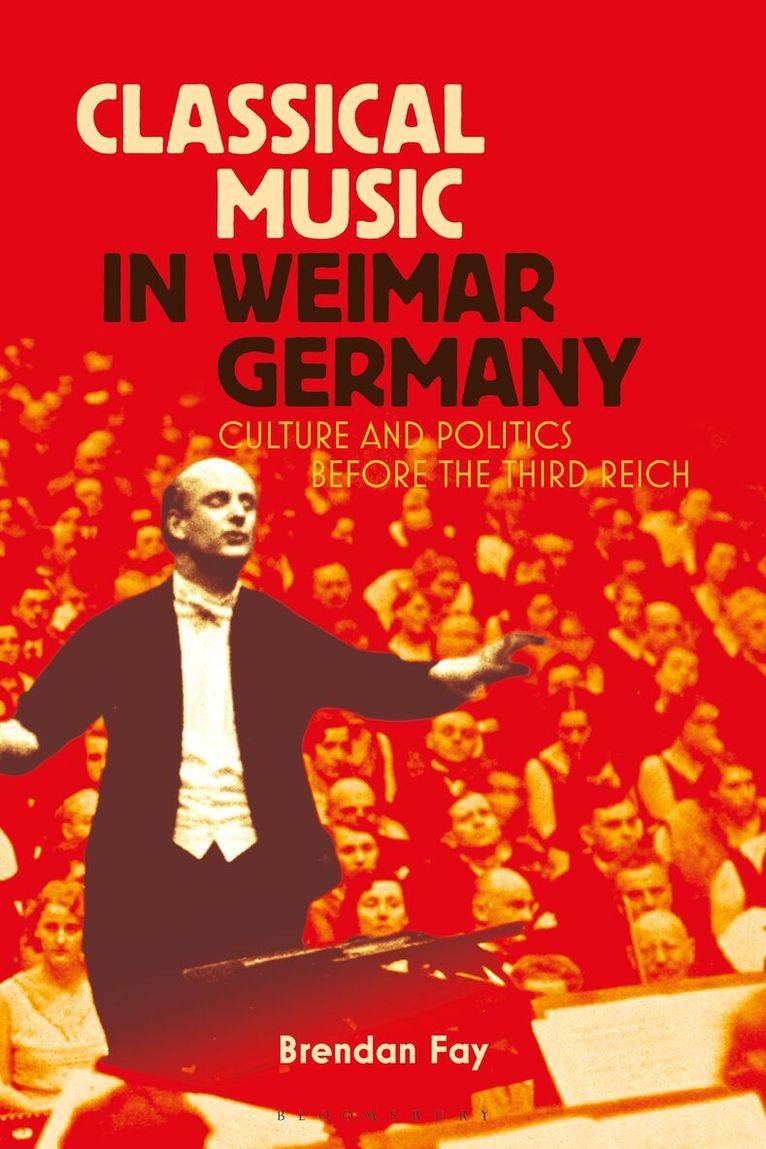
Classical Music in Weimar Germany
Culture and Politics before the Third Reich
Av Brendan Fay
Häftad, 2021
488 kr
Lägg i varukorg
From Hitler’s notorious fondness for Wagner’s operas to classical music’s role in fuelling German chauvinism in the era of the world wars, many observers have pointed to a distinct relationship between German culture and reactionary politics. In Classical Music in Weimar Germany, Brendan Fay …