Brian Ashley – författare
Visar alla böcker från författaren Brian Ashley. Handla med fri frakt och snabb leverans.
4 produkter
4 produkter
E-bok
PDF, Engelska, 2018430 kr
Läs direkt efter köp
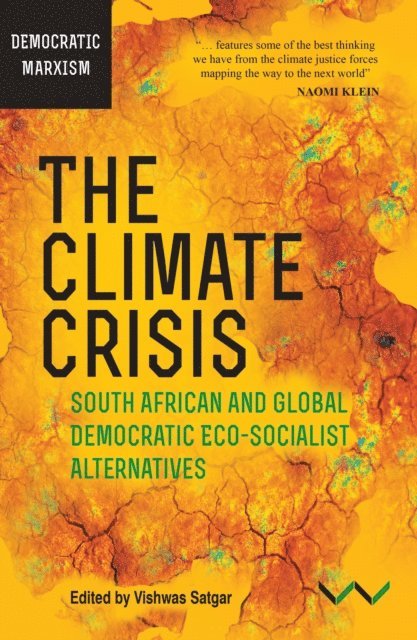
Capitalism’s addiction to fossil fuels is heating our planet at a pace and scale never before experienced. Extreme weather patterns, rising sea levels and accelerating feedback loops are a commonplace feature of our lives. The number of environmental refugees is increasing and several island states and low-lying countries are becoming vulnerable. Corporate-induced climate change has set us on an ecocidal path of species extinction. Governments and their international platforms such as the Paris Climate Agreement deliver too little, too late. Most states, including South Africa, continue on their carbon-intensive energy paths, with devastating results. Political leaders across the world are failing to provide systemic solutions to the climate crisis. This is the context in which we must ask ourselves: how can people and class agency change this destructive course of history? Volume three in the Democratic Marxism series, The Climate Crisis investigates eco-socialist alternatives that are emerging. It presents the thinking of leading climate justice activists, campaigners and social movements advancing systemic alternatives and developing bottom-up, just transitions to sustain life. Through a combination of theoretical and empirical work, the authors collectively examine the challenges and opportunities inherent in the current moment. This volume builds on the class-struggle focus of Volume 2 by placing ecological issues at the centre of democratic Marxism. Most importantly, it explores ways to renew historical socialism with democratic, eco-socialist alternatives to meet current challenges in South Africa and the world.
E-bok
Engelska, 2018430 kr
Läs direkt efter köp
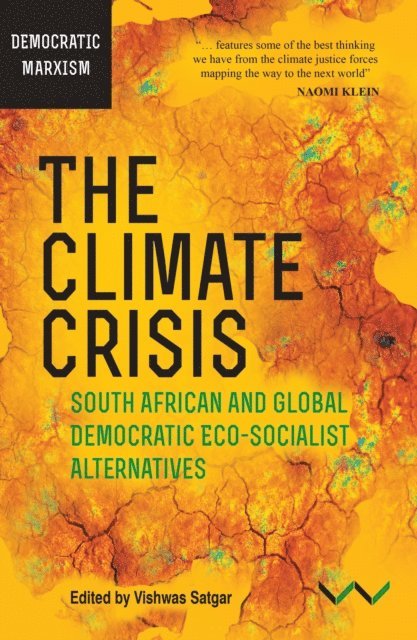
Capitalism’s addiction to fossil fuels is heating our planet at a pace and scale never before experienced. Extreme weather patterns, rising sea levels and accelerating feedback loops are a commonplace feature of our lives. The number of environmental refugees is increasing and several island states and low-lying countries are becoming vulnerable. Corporate-induced climate change has set us on an ecocidal path of species extinction. Governments and their international platforms such as the Paris Climate Agreement deliver too little, too late. Most states, including South Africa, continue on their carbon-intensive energy paths, with devastating results. Political leaders across the world are failing to provide systemic solutions to the climate crisis. This is the context in which we must ask ourselves: how can people and class agency change this destructive course of history? Volume three in the Democratic Marxism series, The Climate Crisis investigates eco-socialist alternatives that are emerging. It presents the thinking of leading climate justice activists, campaigners and social movements advancing systemic alternatives and developing bottom-up, just transitions to sustain life. Through a combination of theoretical and empirical work, the authors collectively examine the challenges and opportunities inherent in the current moment. This volume builds on the class-struggle focus of Volume 2 by placing ecological issues at the centre of democratic Marxism. Most importantly, it explores ways to renew historical socialism with democratic, eco-socialist alternatives to meet current challenges in South Africa and the world.

Häftad, Svenska, 2010
186 kr
Skickas inom 5-8 vardagar
När denna bok först publicerades blev den omedelbart accepterad av experter inom social politik och social välfärd som en klassisk beskrivning av teorier och metoder för att starta förändringsprocesser i närsamhället. För att citera två sådana åsikter: “Om intentioner bakom bl.a. lokalorganslagen och socialtjänstlagen skulle kunna förverkligas, måste det börja hända något ute i samhället och bostads-områden. Erfarenheten bör ha lärt oss att ingenting händer av sig självt. Det krävs att någon eller några startar och främjar processerna.” Willy Karlsson, dåvarande ordförande, Sveriges Socialchefers Förening “Arbeta i närsamhället” presenterar förutsättningar för socialförändringsarbete i närmiljön dvs. hur man skapar metoder som ger människor större ansvar för sina egna behov. En nyckelroll i denna process har ”främjaren” vars insatser spelar en avgörande roll för att utveckla närsamhällets medvetenhet om sina egna behov, välja mål och program, samt organisera arbetet.” Professionell recension Behoven som beskrivits ovan är kvar och de har inte ökats. Förutsättningar för att följa och utföra bokens budskap är även mer nödvändiga i dagens samhälle och politik. Boken är ett viktigt hjälp-medel inom arbete och utbildning i det sociala och omsorgsområdet och en utgångspunkt för akademiska studier och forskning som kan ta bokens idéer vidare. Översättning av Erik Dahlberg och Gunnie Jacobsson
E-bok
Engelska, 2024169 kr
Läs direkt efter köp
Chess has a history like no other game. It literally spans all cultural, national and political boundaries. During the height of the cold war, there was no disagreement between the U.S.S.R. and the U.S.A about chess. It was a great game. Chess developed from the realm of kings and was a metaphor for war. The game started in India some 2500 years ago, traveled across Asia and into all parts of Europe, then sailed to the new world, where it kept expanding to the game we have today. Why Chess Matters is an easy-to-read book about chess and self-improvement. It has just enough detail to learn to play the game for fun. But additionally, it is a book about how to teach chess with new skills in mind that help both the teacher and the student or the parent and the child. There are also chapters on the history of chess and how it evolved, a chapter on careers, as well as a chapter on Jr. Golf and chess. What we have found in recent years is that a large part of our educational experience for both children and adults lack training in the most basic of life skills needed for a successful and happy life. Skills like patience, grit, self-confidence, and a host of others.Significantly, coinciding with the skills that chess develops in an individual, are the same qualities and skills that form the foundation of the relatively new field of Positive Psychology, founded by Dr. Martin Seligman in the late 1990''s. These skills, called, "non-cognitive skills," have been studied written about extensively in Positive Psychology. Just one of these qualities is patience. For a parent watching their former fidgety kid sitting still, concentrating on winning a chess game, over a board and opposite a real human, and not a computer or TV screen, is nothing short of miraculous! The book explores this and other beneficial qualities.To sum up, the teaching and learning experience, using the elements found in Why Chess Matters, is the best way to introduce people to the ancient game.