Brian Best – författare
Visar alla böcker från författaren Brian Best. Handla med fri frakt och snabb leverans.
15 produkter
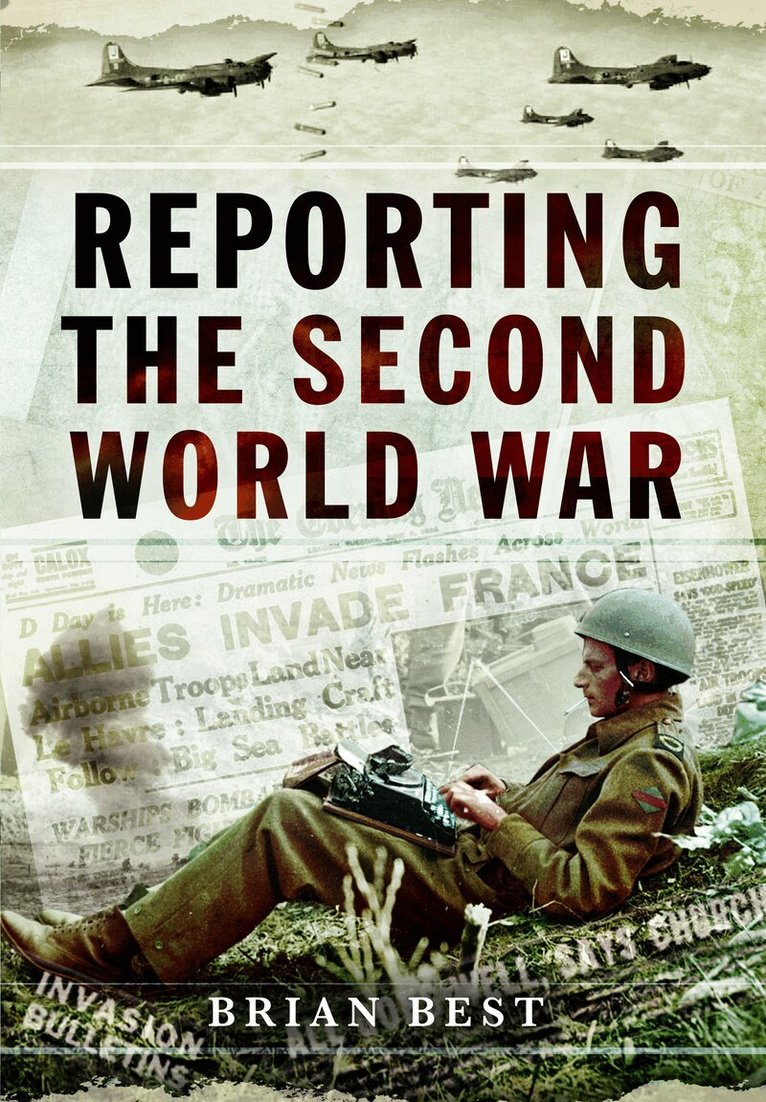
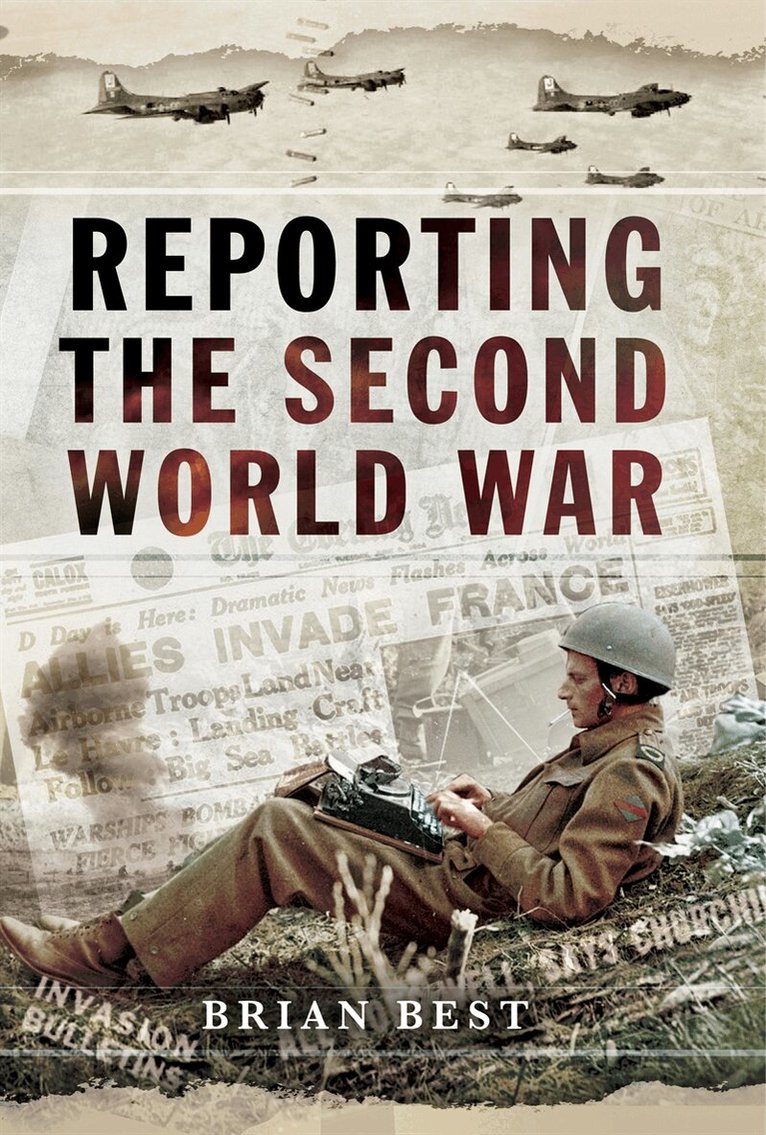
Reporting the Second World War
Av Brian Best
Häftad, 2026
171 kr
Kommande
After a slow start, the Second World War produced an enormous number of war correspondents. Correspondents like Ernest Hemingway, John Dos Passos and George Orwell were all inspired to put their experiences on the printed page. Hemingway and his wife, Martha Gellhorn, went on to cover the D-Day …
Secret War Against Red Russia
The Daring Exploits of Paul Dukes and Augustus Agar VC During the Russian Civil War
Av Brian Best
E-bok, 2023
151 kr
Lägg i varukorg
The Armistice of November 1918 ended four years of slaughter that left armies exhausted and populations weary of war – but the fighting was not over. In Russia, civil war and revolution had divided the nation and the Allies sought to intervene on behalf of the ‘White’ Russians against the …
Secret War Against Red Russia
The Daring Exploits of Paul Dukes and Augustus Agar VC During the Russian Civil War
Av Brian Best
E-bok, 2023
152 kr
Lägg i varukorg
The Armistice of November 1918 ended four years of slaughter that left armies exhausted and populations weary of war – but the fighting was not over. In Russia, civil war and revolution had divided the nation and the Allies sought to intervene on behalf of the ‘White’ Russians against the …
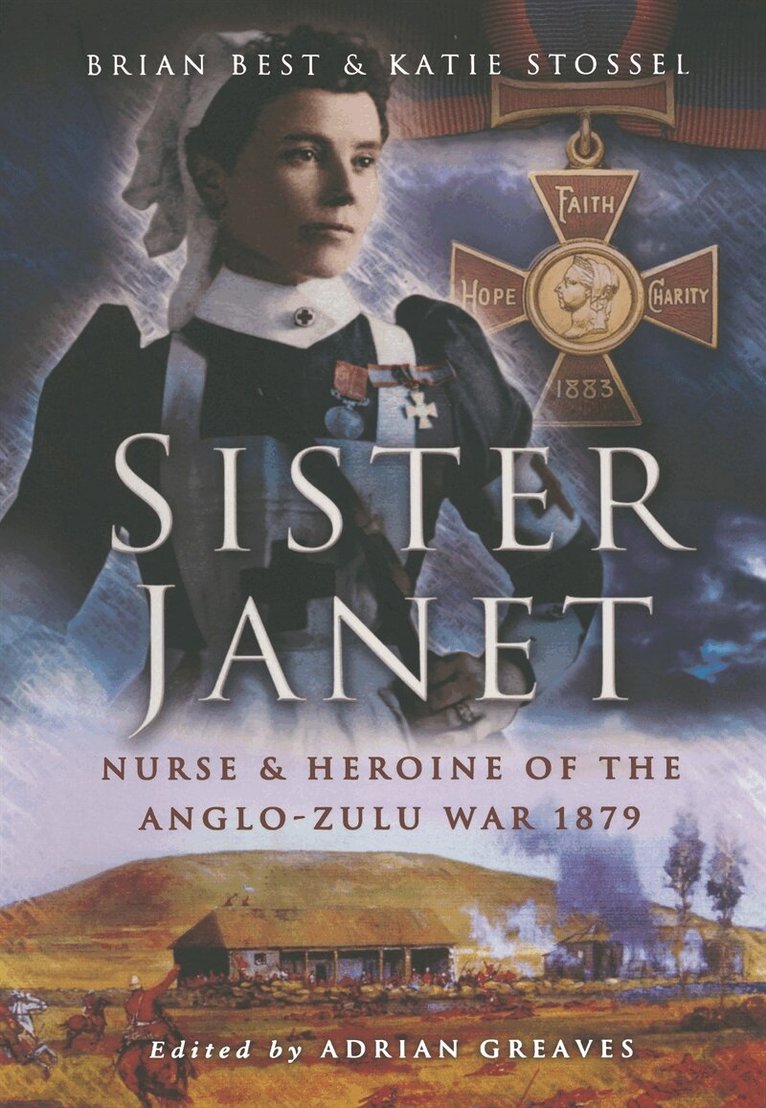
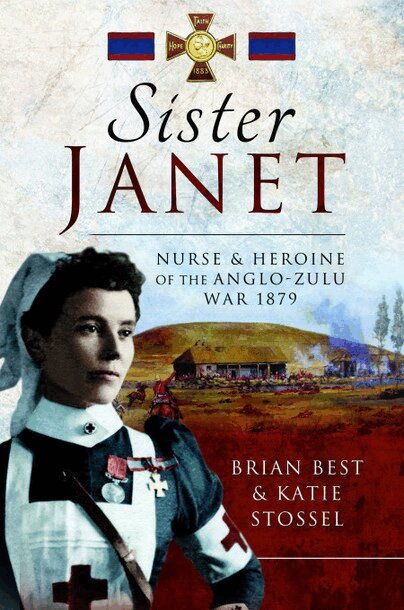
Sister Janet
Nurse & Heroine of the Anglo-Zulu War, 1879
E-bok, 2021
126 kr
Lägg i varukorg
Janet Wells achievements make for fascinating reading. She was only 18 when decorated for her nursing service to the Russians in the 1878 Balkan War. The following year she became the only nurse to serve at the Front in the Anglo-Zulu War. After a period in Northern Zululand, she was sent to the …
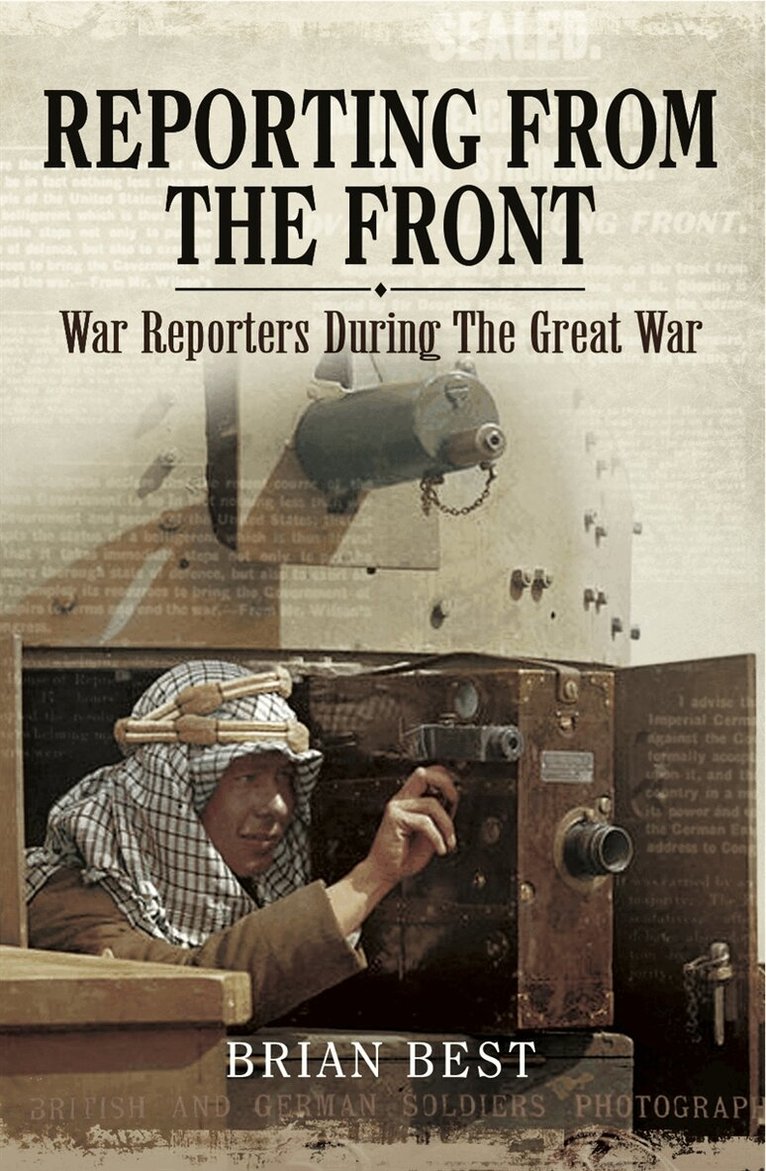
Reporting from the Front
War Reporters During the Great War
Av Brian Best
E-bok, 2021
126 kr
Lägg i varukorg
When the war was declared in August 1914, one of the first acts to be implemented by the politicians and military was a strict censorship on the newspapers. As the poacher turned gamekeeper, Winston Churchill said: The war is going to be fought in a fog a
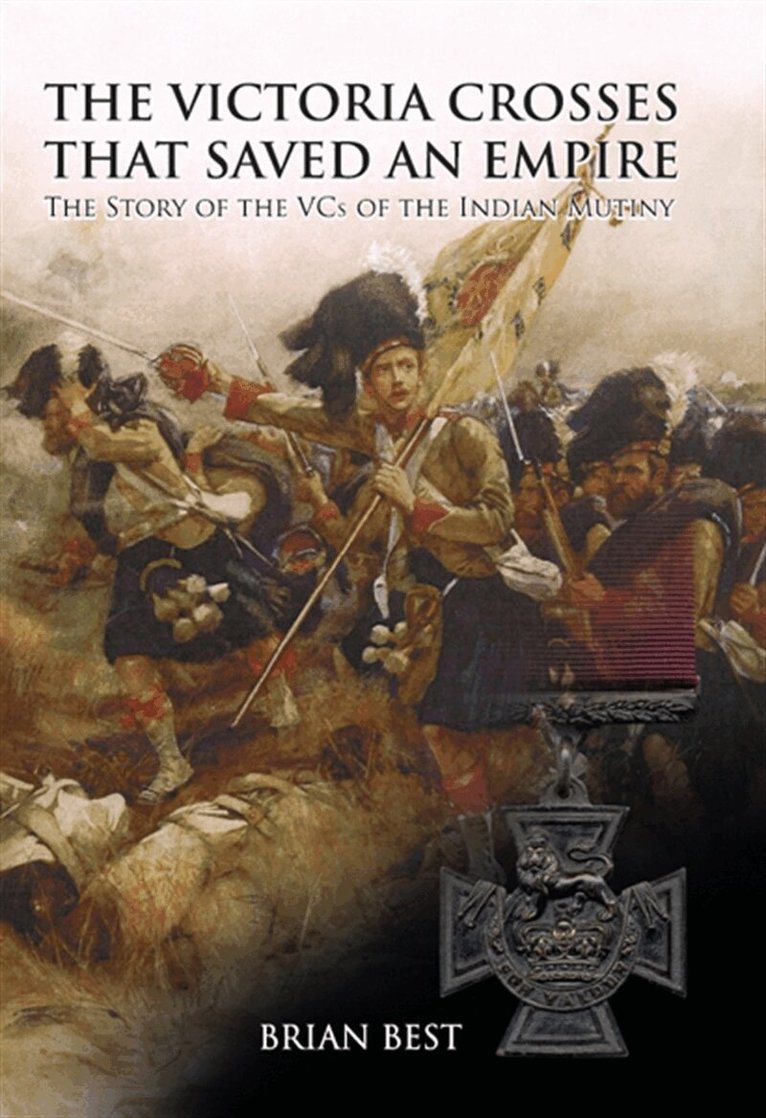
The Victoria Crosses that Saved an Empire
The Story of the VCs of the Indian Mutiny
Av Brian Best
E-bok, 2021
126 kr
Lägg i varukorg
The Indian Mutiny struck at the very heart of the British Empire. If India was lost the whole edifice of British domination across its colonies was in jeopardy. Everything was at stake, Britain’s leading role in the word, its international commerce and the reputation of its armed forces. Across the …
Reporting the Second World War
Av Brian Best
E-bok, 2021
126 kr
Lägg i varukorg
After a slow start, the Second World War produced an enormous number of war correspondents. Correspondents like Ernest Hemingway, John Dos Passos and George Orwell were all inspired to put their experiences on the printed page. Hemingway and his wife, Martha Gellhorn, went on to cover the D-Day …
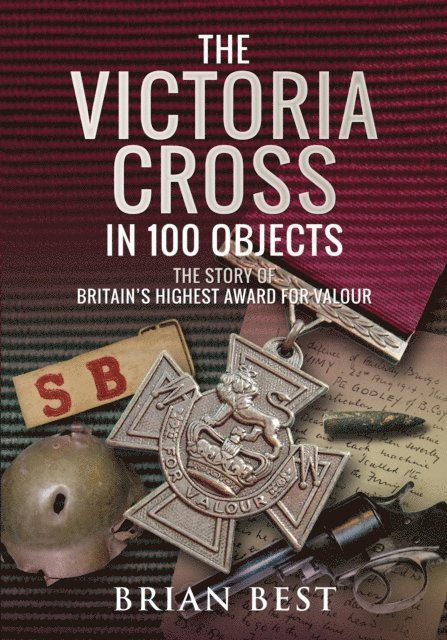
Victoria Cross in 100 Objects
The Story of the Britain''s Highest Award For Valour
Av Brian Best
E-bok, 2021
265 kr
Lägg i varukorg
It was the events of the Crimean War that changed everything. Until that time, those serving in Britain''s army or navy had been expected to do their duty without thought of recognition or reward, particularly the men in the lower ranks. Fueled by reports from the first ever war correspondents, …
Sister Janet
Nurse & Heroine of the Anglo-Zulu War, 1879
Häftad, 2020
165 kr
Lägg i varukorg
Janet Wells achievements make for fascinating reading. She was only 18 when decorated for her nursing service to the Russians in the 1878 Balkan War. The following year she became the only nurse to serve at the Front in the Anglo Zulu War. After a period in Northern Zululand she was sent to the …
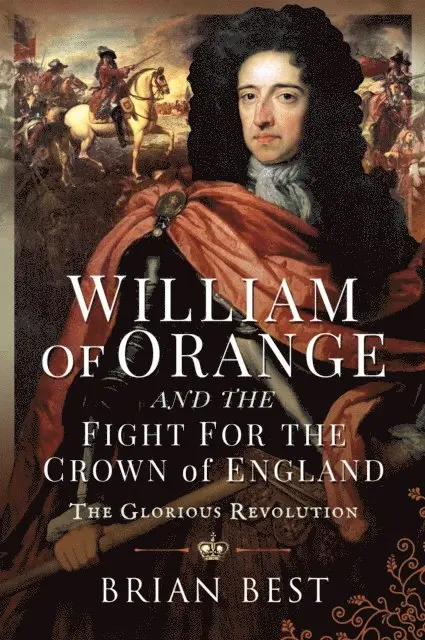
William of Orange and the Fight for the Crown of England
The Glorious Revolution
Av Brian Best
Inbunden, 2021
225 kr
Lägg i varukorg
In 1688, a vast fleet of 463 ships, twice the size of the Spanish Armada, put to sea from Holland. On board was William of Orange with 40,000 soldiers - their objective, England. The Protestant William had been encouraged by a group of Church of England bishops to risk everything and oust the …
William of Orange and the Fight for the Crown of England
The Glorious Revolution
Av Brian Best
E-bok, 2021
149 kr
Lägg i varukorg
"Essential reading for anyone who wanted to know the real story of how William of Orange became King of England" (Books Monthly).In 1688, a vast fleet of 463 ships, twice the size of the Spanish Armada, put to sea from Holland. On board was William of Orange with 40,000 soldiers—their objective, …
Elizabeth’s Sea Dogs and their War Against Spain
Av Brian Best
Häftad, 2028
171 kr
Kommande
The Sea Dogs were seafaring merchantmen who originally traded mainly with Holland and France. During Queen Elizabeth’s reign, however, they began to spread their reach, sailing further and further afield exploring and plundering. The main source of wealth quickly became the Caribbean, which, until …
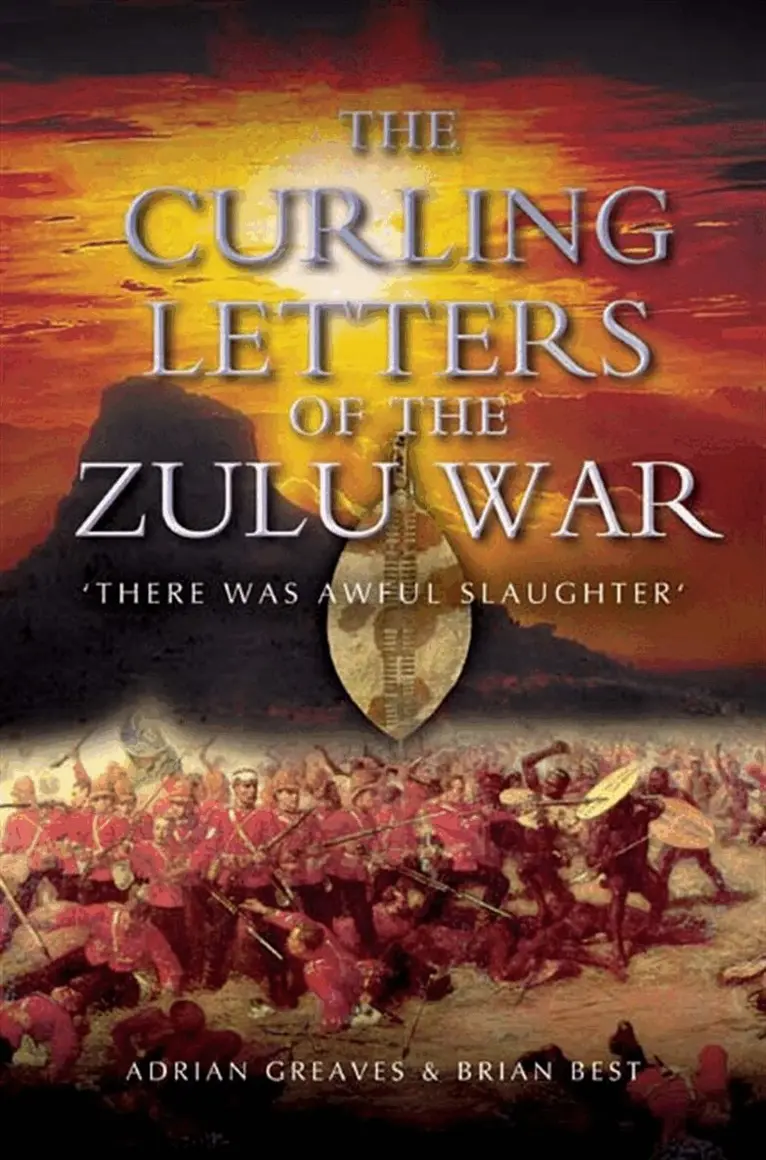
Curling Letters of the Zulu War
There Was Awful Slaughter
E-bok, 2021
110 kr
Lägg i varukorg
The crushing defeat suffered by the British Army by the Zulus at Isandlwana on 22 January 1879 is by any standards a gripping and shocking story. The discovery of a complete set of diaries written by a young Royal Artillery officer who was the only survivor of his unit which lost all their guns is …
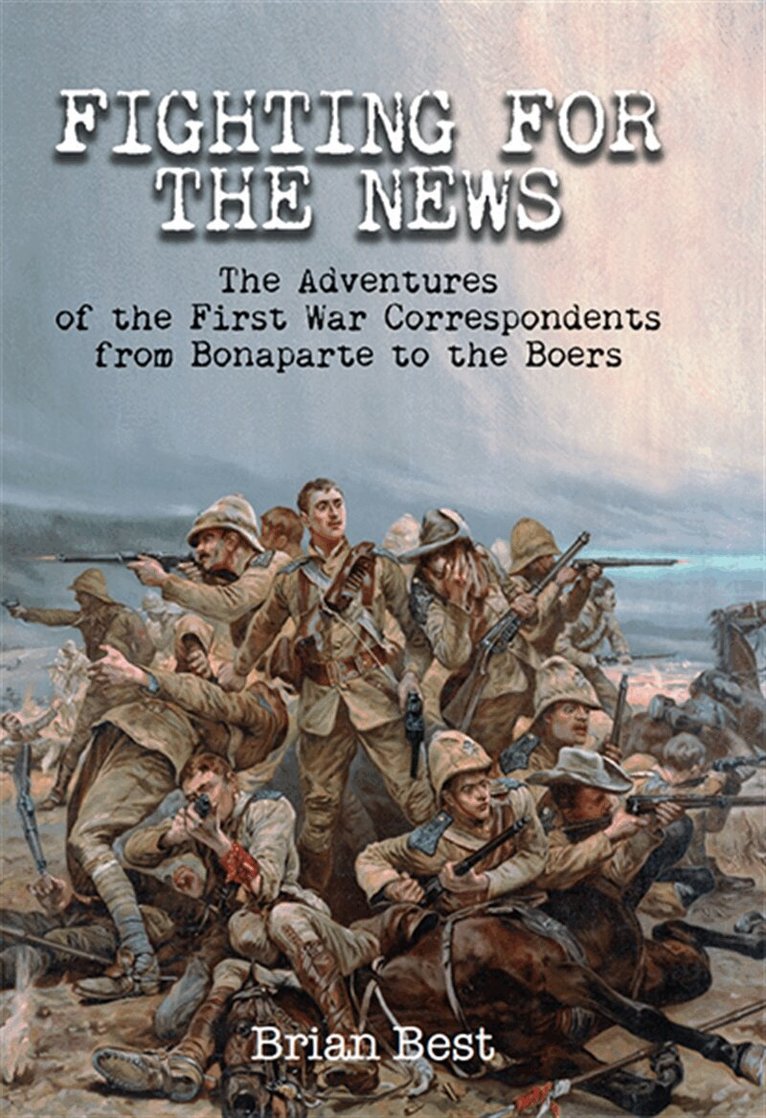
Fighting for the News
The Adventures of the First War Correspondents from Bonaparte to the Boers
Av Brian Best
E-bok, 2021
126 kr
Lägg i varukorg
It is now two centuries since a newspaper conceived the idea of sending a reporter overseas to observe, gather information and write about war. With no experience to draw upon, both newspaper and correspondent gradually worked out a procedure that has evolved into today’s incredibly sophisticated …
Elizabeth's Sea Dogs and their War Against Spain
Av Brian Best
Inbunden, 2021
225 kr
Tillfälligt slut
The Sea Dogs were seafaring merchantmen who originally traded mainly with Holland and France. During Queen Elizabeth's reign, however, they began to spread their reach, sailing further and further afield exploring and plundering. The main source of wealth quickly became the Caribbean, which, until …