Brian D. McKnight – författare
Visar alla böcker från författaren Brian D. McKnight. Handla med fri frakt och snabb leverans.
13 produkter
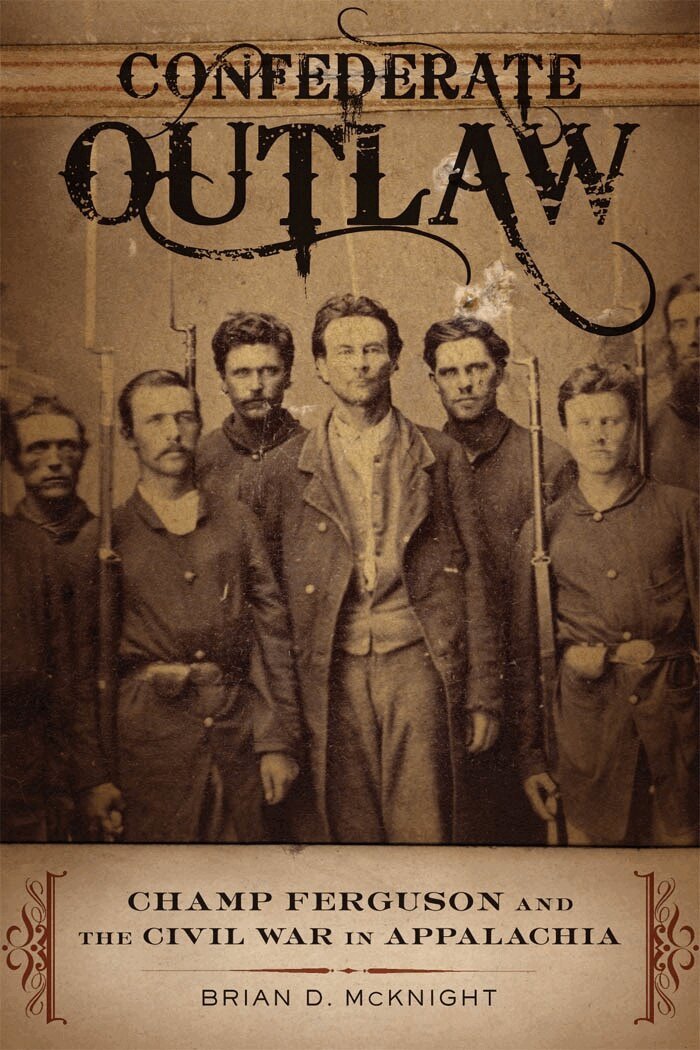
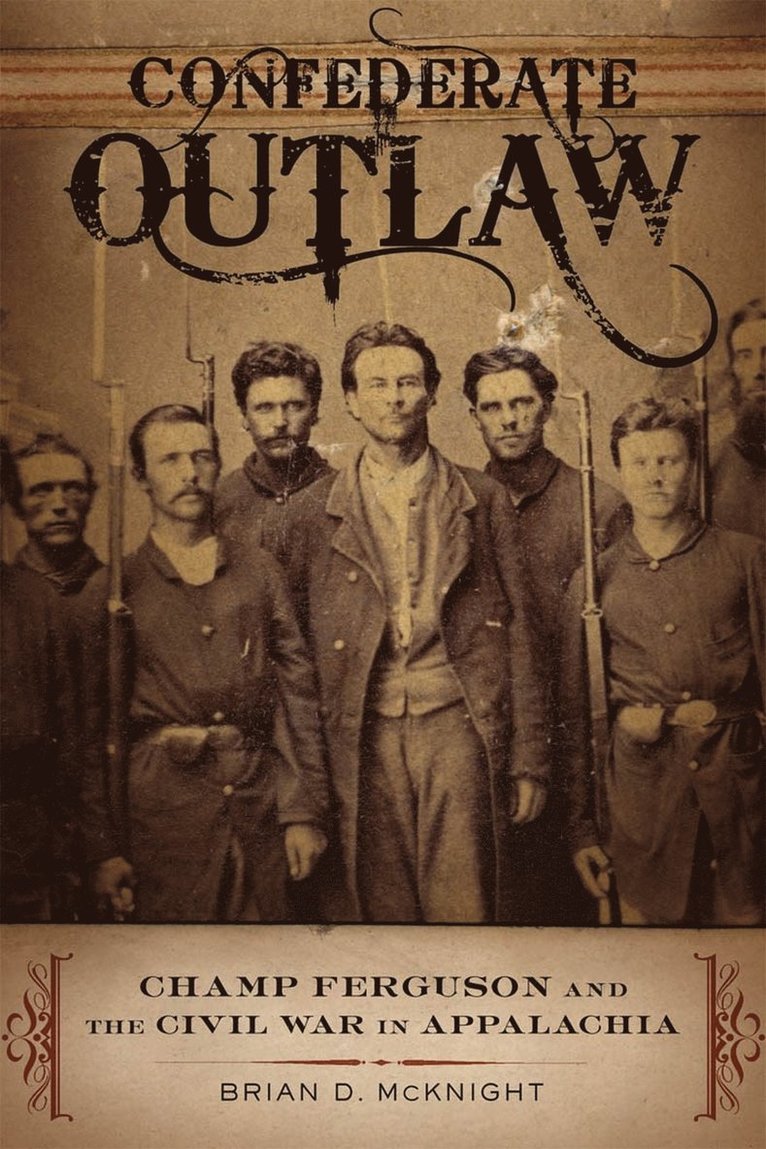
Confederate Outlaw
Champ Ferguson and the Civil War in Appalachia
Häftad, 2022
341 kr
Lägg i varukorg
In the fall of 1865, the United States Army executed Confederate guerrilla Champ Ferguson for his role in murdering fifty-three loyal citizens of Kentucky and Tennessee during the Civil War. Long remembered as the most unforgiving and inglorious warrior of the Confederacy, Ferguson has often been …
Contested Borderland
The Civil War in Appalachian Kentucky and Virginia
Inbunden, 2006
1109 kr
Lägg i varukorg
From 1861 to 1865, the border separating eastern Kentucky and southwestern Virginia was more than just a geographic marker -- it represented a major ideological split, serving as an "international" boundary between the United States and the Confederacy. The loyalties of those who lived in this …
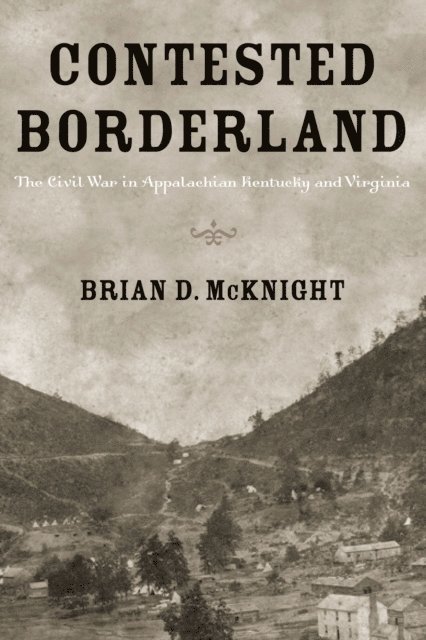
Contested Borderland
The Civil War in Appalachian Kentucky and Virginia
Häftad, 2012
533 kr
Lägg i varukorg
From 1861 to 1865, the border separating eastern Kentucky and southwestern Virginia was more than just a geographic marker -- it represented a major ideological split, serving as an "international" boundary between the United States and the Confederacy. The loyalties of those who lived in this …
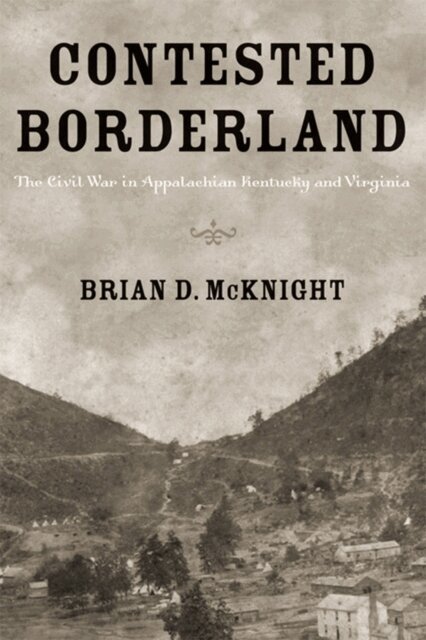
Contested Borderland
The Civil War in Appalachian Kentucky and Virginia
E-bok, 2006
323 kr
Lägg i varukorg
A "compelling" study of impact of the Civil War in Appalachia that "adeptly juggles the military, social, and political complexities of this border war" (American Historical Review).During the four years of the Civil War, the border between eastern Kentucky and southwestern Virginia was highly …
Contested Borderland
The Civil War in Appalachian Kentucky and Virginia
E-bok, 2006
993 kr
Lägg i varukorg
During the four years of the Civil War, the border between eastern Kentucky and southwestern Virginia was highly contested territory, alternately occupied by both the Confederacy and the Union. Though this territory was sparsely populated, the geography of the region made it a desirable stronghold …
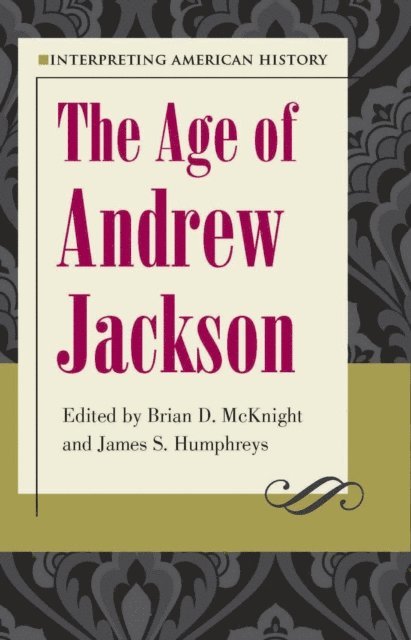
Interpreting American History: The Age of Andrew Jackson
Av James S. Humphreys, Brian D. McKnight
E-bok, 2011
334 kr
Lägg i varukorg
The inaugural volume in a new historiography series Historians possess the power to shape the view of history for those who come after them. Their efforts to illuminate significant events of the past often result in new interpretations, which frequently conflict with ideas proposed by earlier …
Interpreting American History: The Age of Andrew Jackson
Av James S. Humphreys, Brian D. McKnight
E-bok, 2011
334 kr
Lägg i varukorg
The inaugural volume in a new historiography series Historians possess the power to shape the view of history for those who come after them. Their efforts to illuminate significant events of the past often result in new interpretations, which frequently conflict with ideas proposed by earlier …
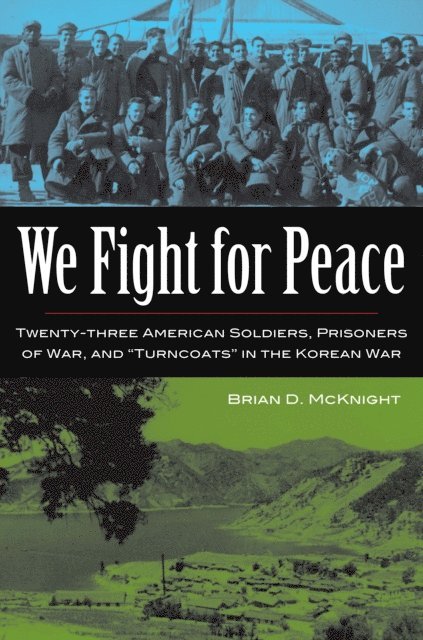
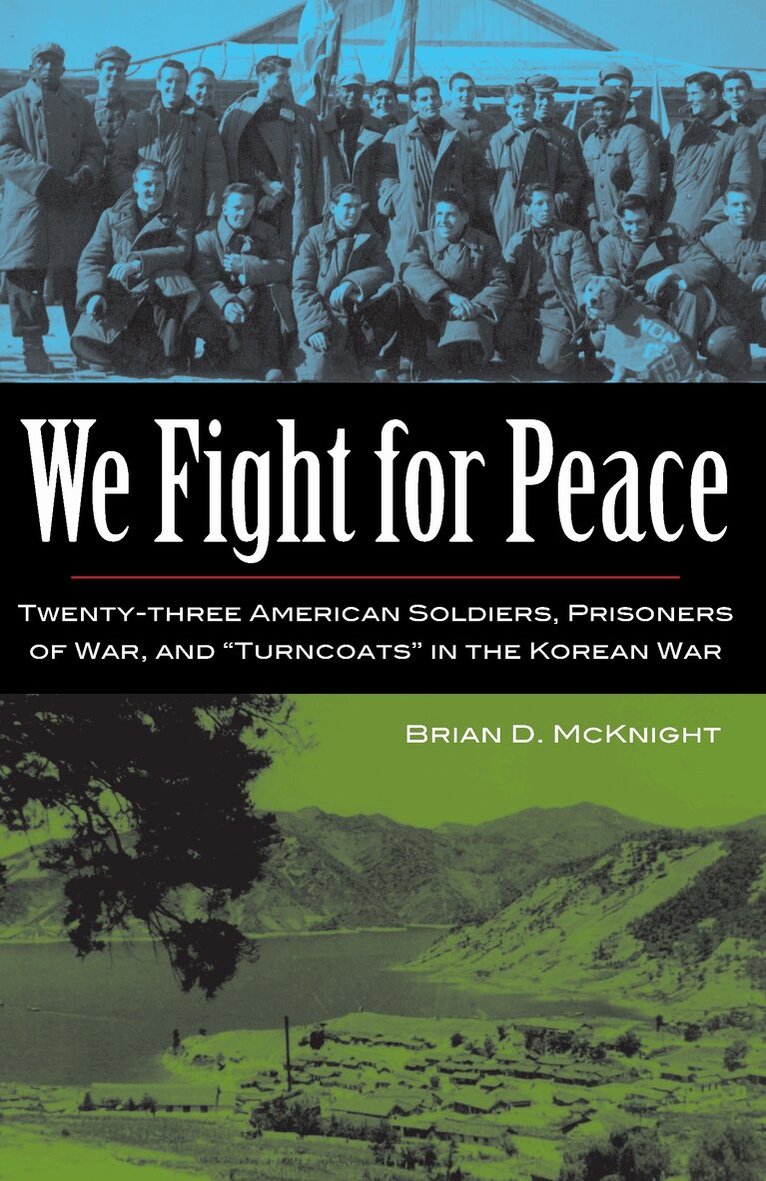
We Fight for Peace
Twenty-Three American Soldiers, Prisoners of War, and Turncoats in the Korean War
E-bok, 2014
454 kr
Lägg i varukorg
At midnight on January 24, 1954, the last step was taken in the armistice to end the war in Korea. That night, the neutral Indian guards who had overseen the prisoner of war repatriation process abandoned their posts, leaving their charges to make their own decisions. The vast majority of men …
We Fight for Peace
Twenty-Three American Soldiers, Prisoners of War, and Turncoats in the Korean War
E-bok, 2014
454 kr
Lägg i varukorg
At midnight on January 24, 1954, the last step was taken in the armistice to end the war in Korea. That night, the neutral Indian guards who had overseen the prisoner of war repatriation process abandoned their posts, leaving their charges to make their own decisions. The vast majority of men …
Confederate Outlaw
Champ Ferguson and the Civil War in Appalachia
Inbunden, 2011
422 kr
Tillfälligt slut
In the fall of 1865, the United States Army executed Confederate guerrilla Champ Ferguson for his role in murdering fifty-three loyal citizens of Kentucky and Tennessee during the Civil War. Long remembered as the most unforgiving and inglorious warrior of the Confederacy, Ferguson has often been …
Guerrilla Hunters
Irregular Conflicts During the Civil War
Av Brian D. McKnight, Barton A. Myers
Inbunden, 2017
582 kr
Tillfälligt slut
Throughout the Civil War, irregular warfare, including the use of hit-and-run assaults, ambushes, and raiding tactics, thrived in localized guerrilla fights within the Border States and the Confederate South. The Guerrilla Hunters offers a comprehensive overview of the tactics, motives, and actors …
Interpreting American History
The Age of Andrew Jackson
Av Brian D. McKnight, James S. Humphreys
Häftad, 2011
338 kr
Tillfälligt slut
The inaugural volume in a new historiography series. Historians possess the power to shape the view of history for those who come after them. Their efforts to illuminate significant events of the past often result in new interpretations, which frequently conflict with ideas proposed by earlier …
We Fight for Peace
Twenty-three American Solidiers, Prisoners of War, and "Turncoats" in the Korean War
Inbunden, 2014
467 kr
Tillfälligt slut
At midnight on January 24, 1954, the last step was taken in the armistice to end the war in Korea. That night, the neutral Indian guards who had overseen the prisoner of war repatriation process abandoned their posts, leaving their charges to make their own decisions. The vast majority of men …